
| |||||||

| Search Forums |
| Advanced Search |
| Go to Page... |
 |
Search this Thread  |  421,431 views |

 10th May 2016, 23:27
| #1 |
| BHPian Join Date: Jan 2011 Location: Bangalore
Posts: 325
Thanked: 1,442 Times
| Boeing 777 - Pilot's Review The Boeing 777 is a long range, twin aisle, twin-engine jet manufactured by Boeing. Often referred to as the “Triple Seven”, it was the world’s first commercial aircraft entirely designed by computer. Its distinguishing features include enormous engines, a six-wheel landing gear and a circular fuselage cross section, along with a blade like tail cone. It was introduced in 1994, and has since been highly successful, bagging a total of 1590 orders. However, this will be replaced by the 777X by around 2019-2020, which will compete with the new Airbus A350-1000. This is a pilot's review of the Boeing 777, specifically the 777-300ER model. Note: The 777 is directly comparable only to the Airbus A330/A340. But it's extremely long range and high payload has allowed operators to replace the B747 and A380 routes with the B777, having multiple flights to a destination on the same day instead of one. Hence, you might find comparisons to the A380/B747 as well. What you'll like:
What you won't:
 Last edited by ampere : 13th May 2016 at 10:21. Reason: Fixed thumbnail to insert |

|  (121)
Thanks (121)
Thanks
|
| The following 121 BHPians Thank searchingheaven for this useful post: | .anshuman, 9thsphinx, aa_asif, Aditya, Akshay1234, akshay380, amitkb, aniket17, anilntny, Aragorn, ariesonu, ashpalio, AutoNoob, Avikbrio, Ayesha, bj96, bkishore_77, BlackPearl, blackwasp, BNM, bsdbsd, ChiragM, Contrapunto, Cyborg, Divya Sharan, djay434, dr. sen, Dr.AD, drdeepudev, dreamliner17, drive2eternity, gearedup, GeneralJazz, Grand Drive, GTO, gubbi555, harsh79, heavenlybull, hrk997, iamendangered, Jack Sparrow, jaspal singh, JayKis, JoseVijay, karan561, karuvally, Keeleri_Achu, khoj, KiloAlpha, krivbel, libranof1987, lloydofcochin, lovetorque, m.shekhar, mathuranuj, Meccanico, mikon, mooza, mpksuhas, Musa, myavu, n.devdath, nalinsaxena23, Nempuguru, niv26, noopster, phoenixash, prasadee, prashanthyr, quantobigboot, R2D2, Rajeevraj, raj_5004, rambo1o1, razor4077, RedDevil_KP, Rehaan, ritzy, roby.thomas, Roy.S, Rudra Sen, sagarpadaki, sandeepmdas, shipnil, ShortShifter, SILVERWOOD, Simhi, Sip, skchettry, SmartCat, somjith_nair, Speedshift, spookey, sriramr9, sri_tesla, Sting, subbaramu, sun_king, Sutripta, suyr, swiftnfurious, Tamarind, Tanveer_2558, The Brutailer, theexperthand, tifosikrishna, timuseravan, TOINGPOING, Turbanator, turbospooler, V.Narayan, Vasuki, Venkatesh.C, vinayrathore, virgopal, vishy76, VR/46_Chet, W.A.G.7, WAM-4, ysjoy, Zahoor23 |
| |
|
11th May 2016, 19:58
| #2 |
| BHPian Join Date: Jan 2011 Location: Bangalore
Posts: 325
Thanked: 1,442 Times
| Re: Boeing 777 - Pilot's Review This review is going to consist of the following sections. Feel free to jump around as and when needed.
NOTE: Click any picture to open a larger higher-resolution version in a new window. Last edited by noopster : 16th May 2016 at 16:46. Reason: Added links :) |
|
| (44)
Thanks
|
| The following 44 BHPians Thank searchingheaven for this useful post: | Aditya, ampere, aniket17, AppyS, Avikbrio, Ayesha, balenoed_, blackwasp, Divya Sharan, Dr.AD, dreamliner17, Fraz33r, GTO, Jack Sparrow, JoseVijay, krivbel, lloydofcochin, m.shekhar, mrvenka, Musa, Nempuguru, noopster, PapaBravo, PGA, phoenixash, R2D2, Rajeevraj, RedDevil_KP, Rehaan, roby.thomas, Rudra Sen, shetty_rohan, Speedshift, sriramr9, Sting, subbaramu, Tanveer_2558, theexperthand, timuseravan, Turbanator, Venkatesh.C, vinayrathore, Vishal.R, WAM-4 |
|
11th May 2016, 20:43
| #3 |
| BHPian Join Date: Jan 2011 Location: Bangalore
Posts: 325
Thanked: 1,442 Times
| Re: Boeing 777 - Pilot's Review Design, development, production and entry into service The rivalry between Airbus and Boeing has been going on for many years now, and is seen by some as one of the most engaging and interesting duopolies out there in any industry. Back in the 1980’s, Airbus had weakened Boeing's share substantially. In response, Boeing tried developing a bigger & stretched version of the 767. But nobody was interested. Also troubling were the trade tensions between the United States and the European Union surrounding the subsidized entry of the A-300 in the early 1970s. The rivalry intensified considerably after Airbus introduced the narrow-body A320. By 1989, Boeing knew that a completely new aircraft was the only way out. And so the 777 was born. However, there was a problem. Boeing was running behind the competition. McDonnell-Douglas was already producing its MD-11 and Airbus was working on the A330/A340 family. The A330 had two engines, but the long-range A340 had four engines, which was the standard on transatlantic flights. Also important to note is the fact that the FAA had placed stringent restrictions on how far two engine aircrafts could fly from an airport where it could land if one engine failed. So it was very important for Boeing to ensure that the first 777 would have ETOPS certification to fly transatlantic as soon as it entered service. Four-engine aircrafts cost more to maintain than twin-jets, so that certification gave the 777 an edge over the comparably sized quad-jet A340 and the tri-jet MD-11. Design collaboration A big difference between B777 and other aircrafts produced before was that Boeing had called United and other operators to the drawing table, as well as people from Boeing's production teams. It was the first time that Boeing had involved the customers themselves in the design process. At the first group meeting in January 1990, a survey was distributed to the airlines, asking what each wanted in the design. Boeing and the airlines finally decided upon a basic design configuration: a cabin cross-section close to the 747's, capacity up to 325 passengers, flexible interiors, a glass cockpit, fly-by-wire controls, and 10 percent better seat-mile costs than the A330 and MD-11. The 777 was Boeing's first fly-by-wire airplane and used more composite material — about 12 percent of the plane — than any previous jetliner. The taste of success Even in the 90's, the 777 wasn't a very revolutionary airliner. Instead, it was the versatility and the reliability that took the 777 to where it is today. Also a very important factor that amplified the success of the 777 was the lack of direct competition. By 1995, McDonnell-Douglas' MD-11 had flopped. It hadn't lived up to what the company had promised to customers. Airbus stuck with its four-engine A340, but it was a losing battle. The program ended production in 2012. The company's smaller A330 has done well, booking almost as many orders as the 777. However, that plane is closer in size to Boeing's 767. Two 777 variants helped cement its lead in the twin-jet market. Boeing introduced the 777-200ER — or extended range — in 1997. That plane led the program in orders until it was superseded by the 777-300ER, which was first delivered in 2004. Last edited by searchingheaven : 13th May 2016 at 04:51. |
|
| (44)
Thanks
|
| The following 44 BHPians Thank searchingheaven for this useful post: | Aditya, Akshay1234, Aragorn, ashpalio, audioholic, autospeaker, Ayesha, bkishore_77, Divya Sharan, Dr.AD, dreamliner17, Fraz33r, GTO, Jack Sparrow, jaspal singh, john doe, JoseVijay, libranof1987, lovetorque, m.shekhar, Musa, nalinsaxena23, Nempuguru, PapaBravo, pdma, phoenixash, R2D2, RedDevil_KP, Rehaan, roby.thomas, Rudra Sen, shetty_rohan, shipnil, Speedshift, sriramr9, Sting, swiftnfurious, theexperthand, timuseravan, Turbanator, turbospooler, Venkatesh.C, vinayrathore, Vishal.R |
|
11th May 2016, 20:49
| #4 |
| BHPian Join Date: Jan 2011 Location: Bangalore
Posts: 325
Thanked: 1,442 Times
| Re: Boeing 777 - Pilot's Review Basic technical details -----------------------------------------------------------------------------------------------------------------------------------------------------------------------
----------------------------------------------------------------------------------------------------------------------------------------------------------------------- *Bleed Air : Bleed air produced by gas turbine engines is compressed air that is taken from the compressor stage of those engines, which is upstream of the fuel-burning sections. Last edited by searchingheaven : 13th May 2016 at 04:57. |
|
| (55)
Thanks
|

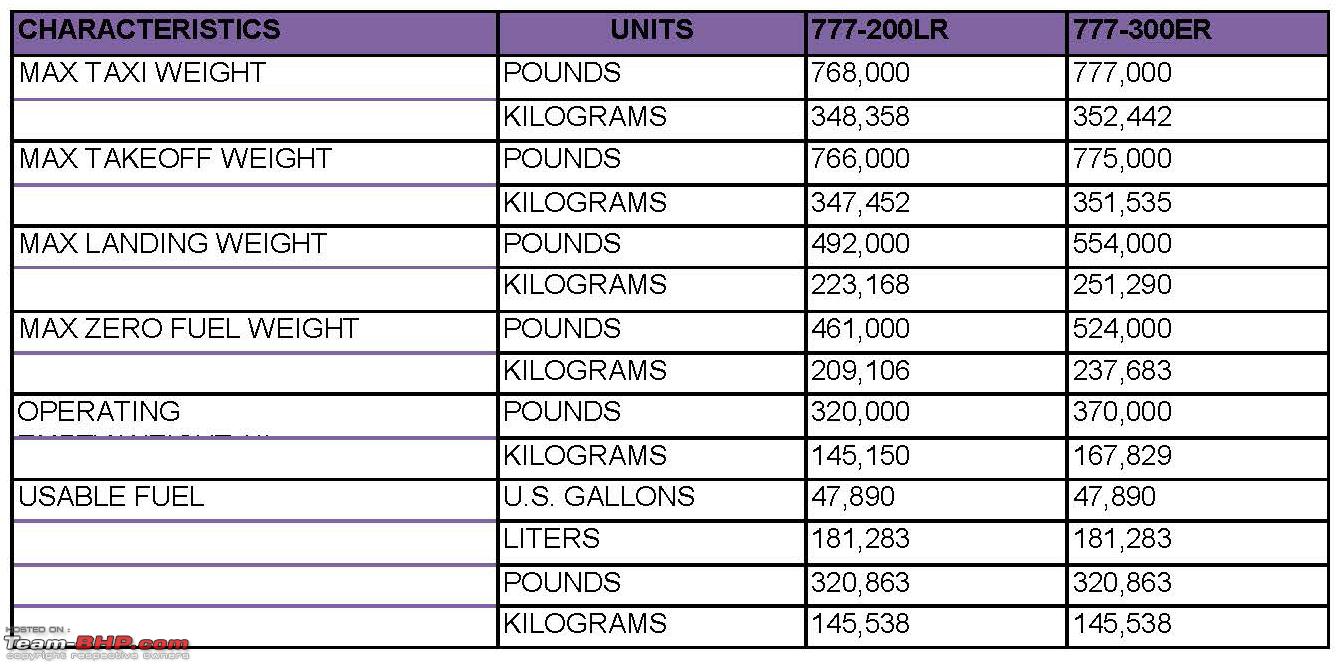
 The part we all love to discuss.


| The following 55 BHPians Thank searchingheaven for this useful post: | Aditya, Akshay1234, ampere, Aragorn, ashpalio, autoskooll, Avikbrio, Ayesha, Baddychat, bkishore_77, blahman, bsdbsd, Contrapunto, Divya Sharan, dr. sen, Dr.AD, dreamliner17, GTO, jaspal singh, JoseVijay, kutts, Leoshashi, libranof1987, m.shekhar, Meer, Michael_Fanai, Musa, nalinsaxena23, Nempuguru, phoenixash, quantobigboot, R2D2, Rajeevraj, rambo1o1, RedDevil_KP, Rehaan, roby.thomas, rohitoasis, Rudra Sen, sagarpadaki, sdp1975, shipnil, silversteed, Speedshift, sridhar-v, sriramr9, Sting, swiftdiesel, swiftnfurious, TaurusAl, theexperthand, THE_DRIFTER, timuseravan, V.Narayan, Venkatesh.C |
|
11th May 2016, 20:52
| #5 |
| BHPian Join Date: Jan 2011 Location: Bangalore
Posts: 325
Thanked: 1,442 Times
| Re: Boeing 777 - Pilot's Review Introduction to the cockpit and layout This is the cockpit of the Boeing 777. 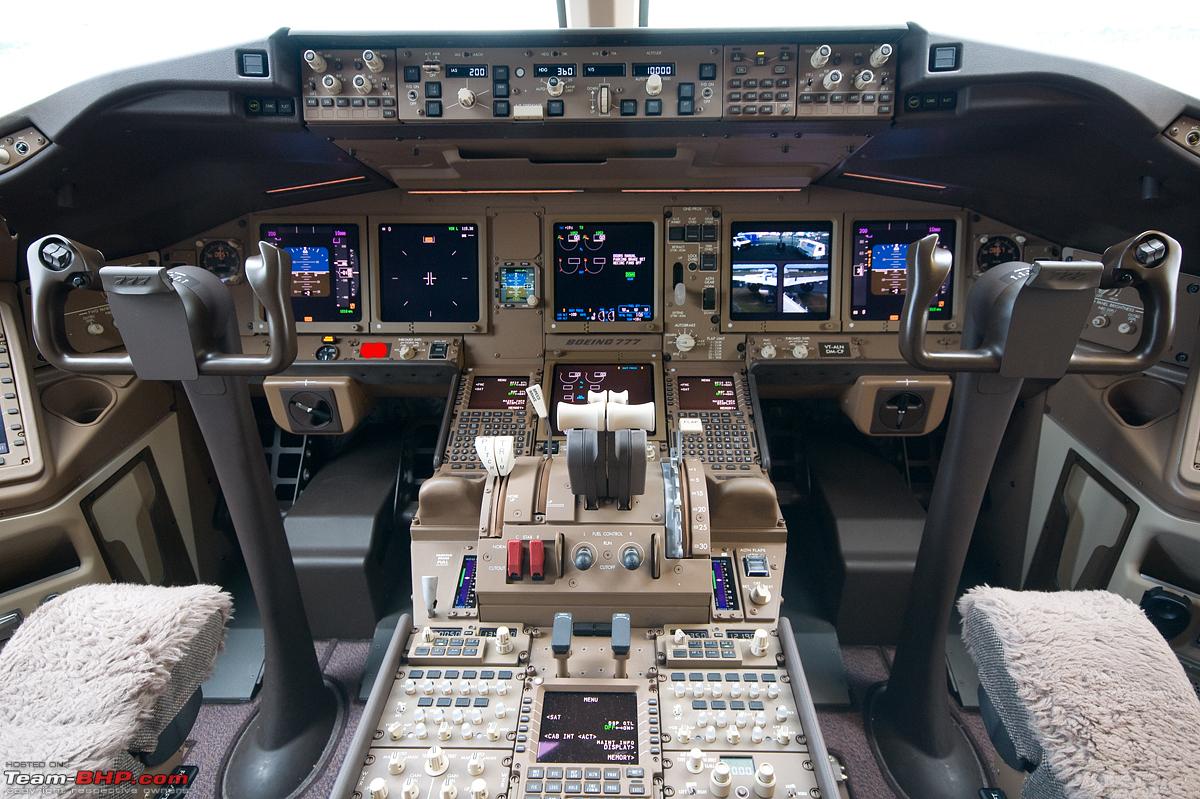 The layout of the cockpit is explained in the image below. 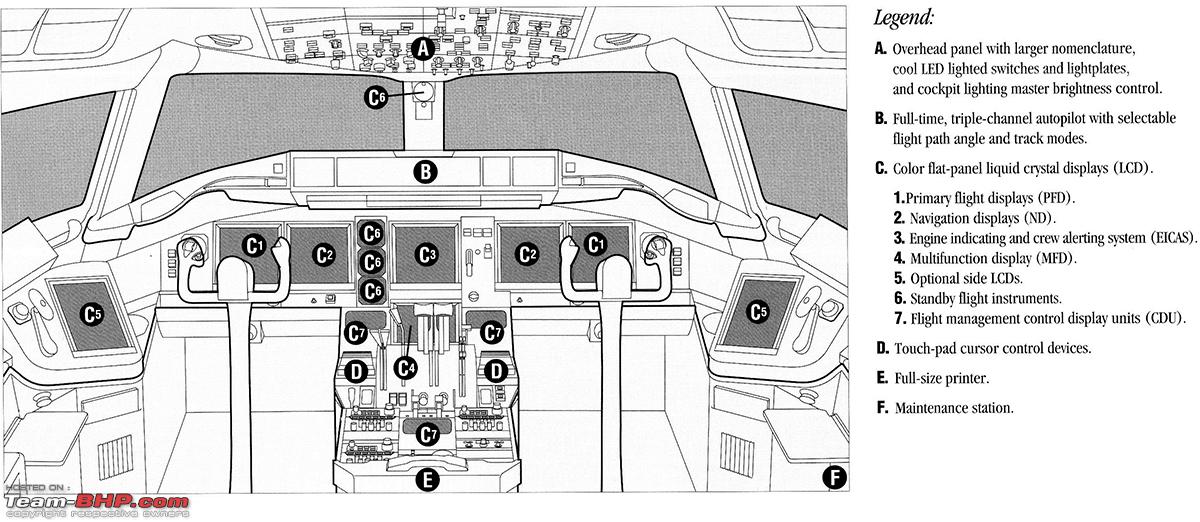 The two main displays in front of the pilot are the PFD (primary flight display; left) and ND (navigational display; right). The pilot and copilot each have a set, and there is a pair of shared DUs (display units) in the center (arranged top-and-bottom). The information shown on the PFD is explained in the picture below. 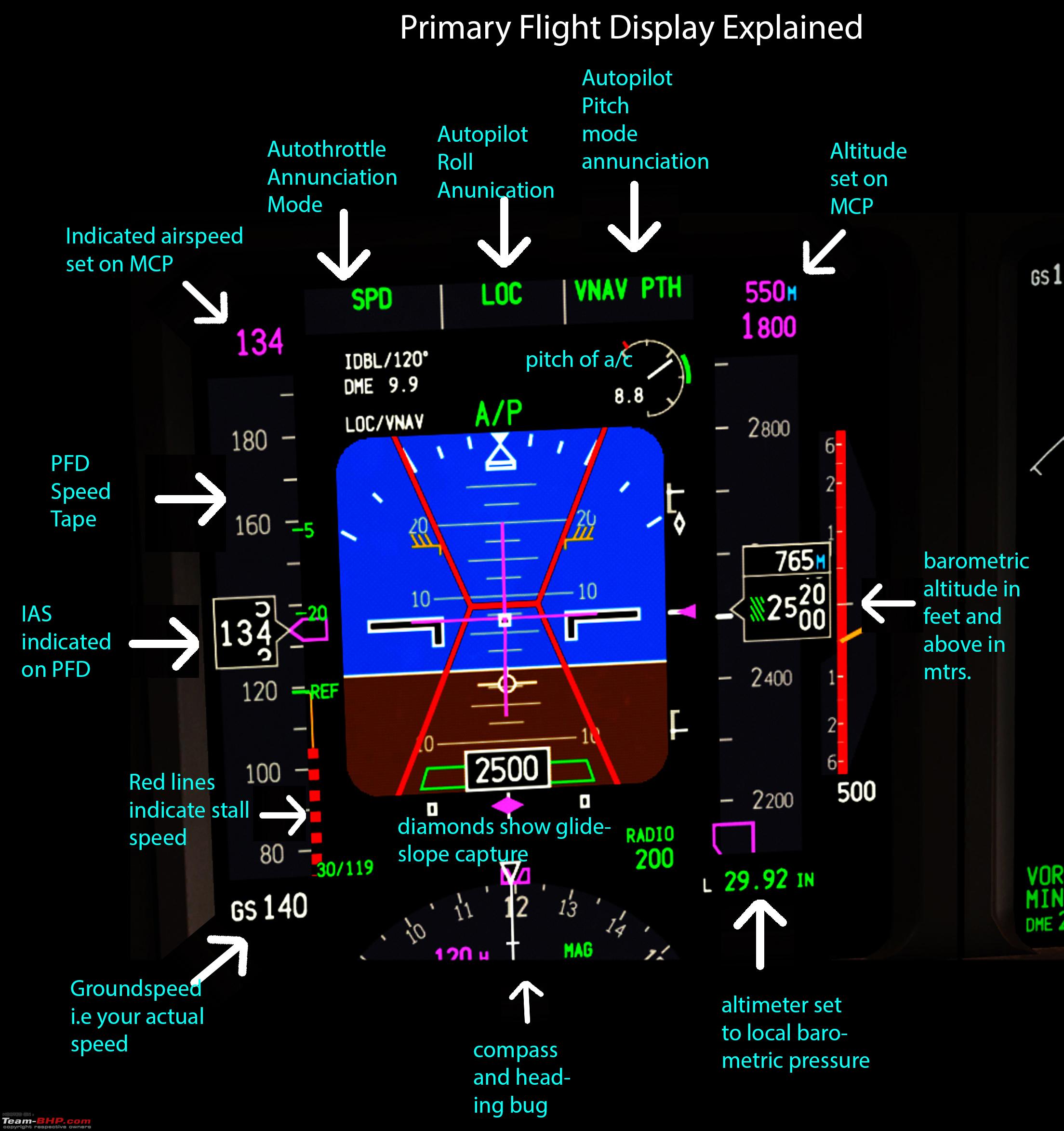 The Boeing 777 has a ground maneuvering camera system (GMCS). It provides pilots with real-time views of the landing gear, ground conditions and proximity to the pavement edge during taxi maneuvers using cameras mounted behind the nose gear and in both leading edges of the horizontal stabilizer. The images appear on a three-way, split screen, flight deck video display.   The MFD(Multifunction display) in the Boeing 777 allows us to request data using SATCOM. This data is directly displayed onto the MFD and can also be printed on paper using a small printer.  The other use of the MFD is for ECHKL i.e the electronic checklist. This is one thing that I really like on the 777. No more hassles of paper etc. Also, the software automatically checks off items which have been completed. For e.g if I have already pulled up the gear and then open the after takeoff checklist, the GEAR UP item will already be ticked. Here it is in action. Sorry for the really bad quality of pictures here.  The 757 was infamous for having 31 dimmer switches to lower the lights in the cockpit. On the 777, everything is well thought out, including the single knob to reduce the cockpit lighting level. The MASTER BRIGHT switch also visible.  Shown here are the switches for the heater and display brightness adjustment.  Last edited by searchingheaven : 13th May 2016 at 06:05. |
|
| (57)
Thanks
|
| The following 57 BHPians Thank searchingheaven for this useful post: | Aditya, Akshay1234, amitkb, ampere, aniket17, Aragorn, Arun.K, arvind71181, ashpalio, audioholic, autoskooll, Avikbrio, Ayesha, bkishore_77, bsdbsd, Contrapunto, Divya Sharan, Dr.AD, dreamliner17, ds.raikkonen, gearedup, GTO, heavenlybull, heavy_foot, HR 16, Jack Sparrow, JoseVijay, kutts, libranof1987, Lobogris, lovetorque, m.shekhar, Meccanico, mooza, Musa, Nempuguru, pdma, phoenixash, quickdraw, R2D2, rambo1o1, RedDevil_KP, Rehaan, roby.thomas, Rudra Sen, sagarpadaki, silversteed, SmartCat, Speedshift, sriramr9, Sting, swiftdiesel, swiftnfurious, theexperthand, timuseravan, Venkatesh.C, yash2424 |
|
11th May 2016, 21:23
| #6 |
| BHPian Join Date: Jan 2011 Location: Bangalore
Posts: 325
Thanked: 1,442 Times
| Re: Boeing 777 - Pilot's Review The Autopilot/AFDS of the 777 is a delight to use and deserves an exclusive post. I will be going into the details here, so please feel free to ask questions. Autopilot Flight Director System The AFDS consists of three autopilot flight director computers (AFDCs) and the Mode control Panel. The MCP provides control of the autopilot, flight director, altitude alert, and autothrottle systems. The MCP is used to select and activate AFDS modes, and establish altitudes, speeds, and climb/descent profiles. The MCP looks like this.  Don't get confused by looking at it. Yes, there are a lot of buttons. But I will explain the function of each & every one below.
This is a photo of the FMC(Flight Management computer). This is the brain of the aircraft and tells the autopilot where to go, how to go, how fast to go, and what altitude to go at. When LNAV and VNAV are active, the FMC provides the data to the AFDS. Note that the MCP is the higher authority in case of a conflict. For eg. at DTY waypoint, the forecasted altitude is FL195. But let's say that ATC has cleared you only upto 15000 ft. So you will enter 15000 ft into the altitude window on the MCP. The 777 CAN NOT and WILL NOT cross 15000 ft(i.e the altitude dialled in the MCP). 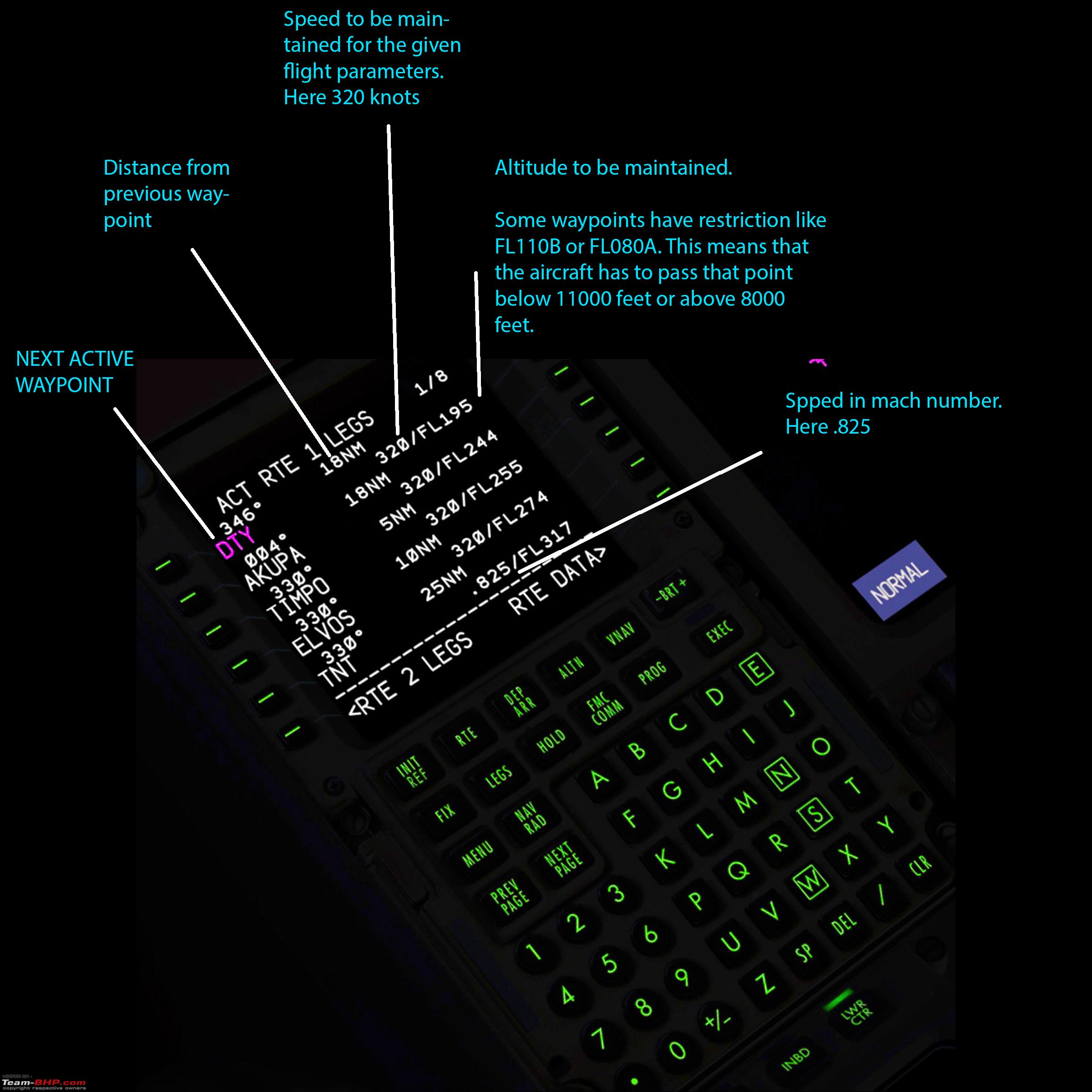 This is the EFIS(electronic flight instrument system) control panel. It is also visible at the extreme left of the MCP photo. In simple terms, the controls on this panel select display range and mode (for example, map or compass rose) and enter data (such as selected heading). It also has 2 additional knobs. The left one sets the minimums altitude(height) callout. This is the height at which the we must have adequate visual reference to the landing environment (i.e. approach or runway lighting) to decide whether to continue landing; or go around. The right one sets the barometric pressure for the baro altimeter. The buttons at the bottom are for displaying/hiding specific details for eg. Airports/Weather/Terrain/Stations/Position etc.  The Autopilot has to control three parameters to fly the plane. Its speed(throttle), its bank angle & its pitch. The roll(bank angle) is controlled by LNAV or HDG/TRK Hold/Select or LOC mode. The pitch is controlled using VNAV, FLCH, V/S, HOLD, or APP mode. The autothrottle modes can be any of the following • THR – The autothrottle applies thrust to maintain the vertical speed required by the pitch mode. • THR REF – Thrust is set to the selected thrust limit displayed on EICAS. • IDLE – Displayed while the autothrottle moves the thrust levers to idle; IDLE mode is followed by HOLD mode. • HOLD – The thrust lever autothrottle servos are inhibited. The pilot can set the thrust levers manually. • SPD – The autothrottle maintains the selected speed displayed on the PFD. Speed can be set by the MCP IAS/MACH selector or by the FMC, as shown on the FMC. The autothrottle will not exceed the operating speed limits or the thrust limits displayed on the EICAS. ---------------------------------------------------------------------------------------------------------------------------------------------------------------------------------------------------- Two important points: What does armed/active mean? When the mode is armed – it will activate automatically when certain conditions are met. Usually when the plane is in such position that the armed mode can take over. Armed mode is indicated by white text on primary flight display. Active mode is indicated by green text. This figure illustrates the difference between armed & active.  Difference between heading and Track Heading is where the nose of the aircraft points, while track is the ACTUAL path traveled over ground - just like a set of tracks I would leave behind in the snow or sand, relative to North. Last edited by searchingheaven : 12th May 2016 at 20:38. |
|
| (44)
Thanks
|
| The following 44 BHPians Thank searchingheaven for this useful post: | Aditya, Akshay1234, ampere, Aragorn, ashpalio, autoskooll, Avikbrio, Ayesha, bj96, bsdbsd, Contrapunto, Divya Sharan, Dr.AD, dreamliner17, ganeshb, gearedup, GTO, hybridpetrol, john doe, JoseVijay, libranof1987, Lobogris, m.shekhar, mikon, Musa, Nempuguru, phoenixash, quantobigboot, rambo1o1, RedDevil_KP, Rehaan, ricky_speed, roby.thomas, Rudra Sen, sagarpadaki, SmartCat, SPIKE ARRESTOR, sriramr9, Sting, swiftdiesel, swiftnfurious, Tanveer_2558, theexperthand, Venkatesh.C |
|
11th May 2016, 21:39
| #7 |
| BHPian Join Date: Jan 2011 Location: Bangalore
Posts: 325
Thanked: 1,442 Times
| Re: Boeing 777 - Pilot's Review Passenger's view of the 777 Now, I haven't travelled as a passenger in a 777 for an extended period of time. So I am not going to review this section personally. Keep in mind also that the experience, even on the same aircraft, can differ wildly by operator. The general seat configurations are 3-4-3 in the economy/coach class, 2-3-2 in business and 2-2 in first class. From a global perspective, the 10-abreast cabin in economy class does appear to be a growing trend, especially among European and Middle Eastern carriers. To my surprise, Qatar Airways has also started to introduce the 10-abreast cabin. The legroom varies from operator to operator, from airplane to airplane and even from seat to seat on the same airplane. They range from 31 to 34 inches in the coach or economy section. On American Airlines Boeing 777 planes crossing the Atlantic, most of the cabin seat have 34 inches of legroom but the seat in the middle cabin have only 33 inches. However, British Airways and Continental have a leg room of 31 inches. Delta, 31-33 inches and United Airlines with 31-32 inches. Safety Record & Incidents The 777 is one of the safest airplanes in the world. It has had a total of 5 hull loss crashes. And at least two of those three fatal crashes had nothing to do with the airplane itself.
Last edited by searchingheaven : 12th May 2016 at 20:04. |
|
| (45)
Thanks
|
| The following 45 BHPians Thank searchingheaven for this useful post: | Aditya, ampere, anujmishra, Aragorn, arvind71181, audioholic, Avikbrio, Ayesha, bsdbsd, Contrapunto, Divya Sharan, Dr.AD, dreamliner17, GTO, heavenlybull, hybridpetrol, john doe, JoseVijay, libranof1987, m.shekhar, mikon, nalinsaxena23, Nempuguru, PapaBravo, pdma, phoenixash, quantobigboot, R2D2, rambo1o1, ramprakashr, RedDevil_KP, Rehaan, roby.thomas, Rudra Sen, sagarpadaki, shipnil, SmartCat, sriramr9, swiftdiesel, swiftnfurious, theexperthand, timuseravan, TOINGPOING, Turbanator, Venkatesh.C |
|
11th May 2016, 21:55
| #8 |
| BHPian Join Date: Jan 2011 Location: Bangalore
Posts: 325
Thanked: 1,442 Times
| Re: Boeing 777 - Pilot's Review Comparison with other aircrafts & the future for Boeing 777 If the 777 story tells us anything, it's that the guy with the biggest twin jet wins. The 777's range, reliability and fuel efficiency have made it a popular choice for international routes. But the Boeing 777-300ER and 200LR are now 20 years old and will have to be replaced by the 777X by 2020. For now, the A350-1000 is head-to-head with the 777-300ER, as the following picture shows. [Last line is cost/seat/mile]. The problem however is that the A350-1000 will be delivered by 2020, by which time the 777X will be here. Then, the A350-1000 will compete with the 777X and will find it very difficult to hold its own.  There is another problem as well. For the 777X, Boeing had to meet the specifications of the big gulf carriers. These carriers needed a plane with a big wing and very powerful engines in order to take off fully loaded during the summer. By adhering to these criteria, Boeing secured 235 orders for the 777X from these three carriers, mainly for the larger 777-9 variant. However, the 777X's big wing and powerful engines add weight, which hurts its fuel efficiency on shorter flights. Airbus has an edge with fuel efficiency since it is lighter, but it loses out in capacity to the 777-9X. If Airbus optimizes a stretched A350 for the European carriers, it will get the capacity but sacrifice the range. The problem is that most airlines want to simplify their fleets. The A350-8000(stretched version of A350-1000 having same capacity as the 777X). would be able to cover most long-haul airline routes, but most airlines do operate some flights beyond its likely range. If they need the 777-9's range for some routes, they might be willing to sacrifice some fuel efficiency rather than buying two planes in the same size segment. 777/A350 vs the double deckers If there is one thing that these twin jets have surely done, it's sounding the death knell of the quad-jets. The 747 was the queen of the skies for a very long time. As the world's first wide-body airliner, the Boeing 747 went on to change not only aviation but the entire tourism industry. But today, the industry has moved toward twin-engine planes such as the Boeing 777 and the Airbus A330. The 747 is essentially a dead man walking at this point. There comes a time when you have to decide between turning the page & closing the book. For the 747, if not for the A380, the time has probably come. Sad, though. It was the first aircraft that I really loved from the bottom my heart. The A380 has been a huge disappointment for Airbus so far. Like Boeing bet on the 747 in the 1970's, Airbus bet hugely on one aircraft, i.e the A380 - and lost. Sales, though initially strong, have slowed down in recent years. So far this year, Airbus has sold a grand total of zero A380s. And in spite of denials from the European manufacturer's top brass, speculation continues to mount about whether it can continue to produce this giant of the skies. The following table from Leeham Co., an aviation consultancy shows how the 7779X fares against the big birds. And no prizes for guessing who comes out smiling.  Last edited by searchingheaven : 13th May 2016 at 05:13. |
|
| (67)
Thanks
|
| The following 67 BHPians Thank searchingheaven for this useful post: | --gKrish--, abhijitvp, Aditya, Akshay1234, amitkb, ampere, Aragorn, ashpalio, audioholic, autoskooll, Avikbrio, Ayesha, a_bharadwaj, Bhatt, bsdbsd, ChiragM, codelust, Contrapunto, Divya Sharan, Dr.AD, dreamliner17, ds.raikkonen, fash_1, Freewheelin_KD, GTO, heavenlybull, hybridpetrol, ike, jayakumarkp, JoseVijay, libranof1987, LordSharan, lovetorque, m.shekhar, mallumowgli, maverickrider00, mikon, mohammedismail, Nempuguru, pdma, phoenixash, quantobigboot, R2D2, Rajeevraj, Ravindra M, RedDevil_KP, Rehaan, roby.thomas, roy_libran, Rudra Sen, sbala, shipnil, SmartCat, Speedshift, Sting, swiftnfurious, Tanveer_2558, theexperthand, TheTeacher, THE_DRIFTER, turbospooler, V.Narayan, v1p3r, Venkatesh.C, vinayasurya, witwiky, Zinda |
|
11th May 2016, 21:56
| #9 |
| BHPian Join Date: Jan 2011 Location: Bangalore
Posts: 325
Thanked: 1,442 Times
| Re: Boeing 777 - Pilot's Review DISCLAIMER: The information in this review is provided “AS IS” with no warranties, and confers no rights. While every caution has been taken to provide my readers with most accurate information and honest analysis, please use your discretion before taking any decisions based on the information in this review. This review does not represent the thoughts, intentions, plans or strategies of my employer. I do not own any stocks in any of the companies mentioned above and do not intend to influence your decisions. It is solely my opinion. Feel free to challenge me, disagree with me, or tell me I’m completely nuts. IMAGE SOURCES: Most of the images are my own. The rest of the shots(for eg. the introductory one) are taken from the Boeing company. Any other source than that is mentioned explicitly. Image have been edited wherever required to hide my operator name or the aircraft registration number. Last edited by searchingheaven : 12th May 2016 at 20:41. |
|
| (67)
Thanks
|
| The following 67 BHPians Thank searchingheaven for this useful post: | --gKrish--, Aditya, amitkb, amitpunjani, amitwlele, Aragorn, arvind71181, audioholic, autospeaker, Avikbrio, Ayesha, a_bharadwaj, bharat4ever, blahman, bsdbsd, callvvijay, cbatrody, codelust, Contrapunto, Desmosedici, dileepcm, Divya Sharan, Dr.AD, E = mc², Fraz33r, Freewheelin_KD, GTO, ike, imkaushik, jayakumarkp, JoseVijay, lemedico, mallumowgli, mnvvishwa, mustang_shelby, nalinsaxena23, Nempuguru, PapaBravo, petrolhead_neel, Pferdestarke, quantobigboot, Rahul Bhalgat, Rajeevraj, Ravindra M, RedDevil_KP, Rehaan, roby.thomas, roy_libran, Rudra Sen, sagarpadaki, sdp1975, Shubhendra, SILVERWOOD, Skyline_GT, somjith_nair, Speedshift, sriramr9, Sting, swiftdiesel, swiftnfurious, Tanveer_2558, theexperthand, THE_DRIFTER, Venkatesh.C, vinit.merchant, wbd8779, Zinda |
|
13th May 2016, 10:17
| #10 |
| Team-BHP Support   | Re: Boeing 777 - Pilot's Review Thread moved out from the Assembly Line! Rating review a full 5 stars  |
|
| (2)
Thanks
|
| The following 2 BHPians Thank GTO for this useful post: | searchingheaven, THE_DRIFTER |
|
13th May 2016, 11:13
| #11 |
| BHPian  Join Date: Mar 2013 Location: Pune
Posts: 402
Thanked: 1,193 Times
| Re: Boeing 777 - Pilot's Review Thanks searchingheaven for the informative post. Also, more thanks for the format of the thread (separate posts for each section without overloading each section). To summarize, Boeing's acquisition cost is higher compared to Airbus but the running costs are much lower. The TCO approach means Boeing will win consistently. Surprised to see this as Indian aerospace has so many Airbus aircrafts. Maybe, in the single aisle segment, Airbus is more economical. Also, as India has an ecosystem of Airbus, the MRO network is more established leading to the preference to Airbus. |

| (1)
Thanks
|
| The following BHPian Thanks turbospooler for this useful post: | GTO |
| |
|
13th May 2016, 11:19
| #12 |
| BHPian Join Date: Dec 2015 Location: Bombay
Posts: 96
Thanked: 172 Times
| Re: Boeing 777 - Pilot's Review Have been an ardent fan of the 777-300ER ever since my first flight on one, aboard Singapore Airlines' flight to Singapore from Mumbai. This is the Rolls Royce (or Bentley if you prefer that) of airplanes, having killed the A340 family (which Airbus discontinued post the rise in oil prices in 2008/09) and also Boeing's own B747. While the A380 holds the distinction for the largest plane, the 777 has the most powerful engines ever built. I look forward to flights on the 777, and have actually booked tickets on airlines which fly this over the 747 / A330 given the superior comfort levels. Singapore Airlines has arguably the most comfortable configurations, with a 3-3-3 set-up in Economy for it's trans-Atlantic flights (to San Francisco) which leads to an extremely comfortable cabin with good legroom and seat width. Was also lucky enough to fly on SQ's business product from Singapore - San Francisco, with a 1-2-1 set-up. No other airline has such a spacious and lavish layout. My most recent flight was aboard Turkish Airlines brand new 777-300ER to Istanbul, which was also excellent. I'm not a fan of Emirates' cattle-class layout of 3-4-3 in economy which is pretty tight seating and constant elbow-clashing with your neighbour. Can't wait to see what Boeing does with the 777X! I also flew Air India's 787-900 a few months back, which is also an excellent product and due to the carbon fibre fuselage, the airline is able to maintain higher humidity levels in the cabin which leads to less exhaustion after a long flight. |
|
| (9)
Thanks
|
| The following 9 BHPians Thank phoenixash for this useful post: | BashfulKlutz, bj96, Divya Sharan, GTO, lovetorque, searchingheaven, swiftdiesel, swiftnfurious, Venkatesh.C |
|
13th May 2016, 11:21
| #13 |
| Senior - BHPian  Join Date: May 2010 Location: TN-14
Posts: 1,106
Thanked: 1,788 Times
| Re: Boeing 777 - Pilot's Review Wow what a treasure trove of information!! Finished the thread completely. Great attention to detail sir. Finally I know (somewhat) what all those buttons do in the cockpit. |
|
| (1)
Thanks
|
| The following BHPian Thanks arvind71181 for this useful post: | searchingheaven |
|
13th May 2016, 11:26
| #14 | |
| BHPian Join Date: Dec 2015 Location: Bombay
Posts: 96
Thanked: 172 Times
| Re: Boeing 777 - Pilot's Review Quote:
In the Indian context, I believe Jet's fleet is majority 737s, which Indigo exclusively flies the A320. Air India is partial to the Airbus family as well. | |
|
| (6)
Thanks
|

| The following 6 BHPians Thank phoenixash for this useful post: | Ayesha, GTO, libranof1987, mooza, R2D2, turbospooler |
|
13th May 2016, 13:26
| #15 |
| BHPian  Join Date: Apr 2008 Location: CBE-BLR-MAS
Posts: 444
Thanked: 778 Times
| Re: Boeing 777 - Pilot's Review I have done only one international travel and that had me travelling from BLR to LHR in a BA 747 and then from LHR to ATL in a BA777. While I loved the 747 (who wouldnt?) I was impressed by the 777 as a economy passenger. Starting with the 3-4-3 config vs the 3-3-3. And also the interiors were so much better, not just in age but in design. Later came back and read up all about the 777. That engine is just so impressive! Thank you for such an informative post!  |
|
| ()
Thanks
|
|
| Search this Thread | 421,431 views |
|
13th May 2016, 15:00
| #16 |
| BHPian  Join Date: Oct 2012 Location: Pune
Posts: 172
Thanked: 682 Times
| Re: Boeing 777 - Pilot's Review Post deleted by the Team-BHP Support : Please do NOT post messages that add little or no informational value to the thread. We need your co-operation to maintain the quality of this forum. Please read our rules before proceeding any further. We request you to post ONLY when you have something substantial to add to a discussion. Last edited by GTO : 13th May 2016 at 15:26. |
|
| ()
Thanks
 |
| |
|
13th May 2016, 15:11
| #17 |
| BHPian Join Date: Jul 2015 Location: Chennai/London
Posts: 140
Thanked: 263 Times
| Re: Boeing 777 - Pilot's Review Brilliant article  Have travelled in this many times but never bothered to learn about it. I think the glamour around A380 is definitely hiding the practicality of this B777's. If I am not wrong in India we can land A380 only in Delhi and not in other airports. This might also work in favour of B777. |
|
| (1)
Thanks
|
| The following BHPian Thanks RJ411 for this useful post: | autospeaker |
|
13th May 2016, 15:22
| #18 |
| Senior - BHPian  Join Date: Sep 2012 Location: Pune
Posts: 1,180
Thanked: 4,599 Times
| Re: Boeing 777 - Pilot's Review Wow, the time couldn't have been so perfect for a aeroplane review on team-bhp. My wife is travelling today and its going to be one Boeing 777. I haven't had the opportunity to travel in a 777 so far, but I like Boeing's designs as they are less bulbous and sharp nosed compared to Airbus. Haven't read the whole post since I'm in office, will do it when at home and wife not around  |
|
| (1)
Thanks
|
| The following BHPian Thanks NiInJa for this useful post: | searchingheaven |
|
13th May 2016, 15:24
| #19 |
| Senior - BHPian  | Re: Boeing 777 - Pilot's Review Amazing article there, Loved every bit of it, Mighty impressed how technology has evolved with Aircrafts. Always wondered why are there hundred's of button's in the cockpit, Got to know what some of them do. Thanks again for such an amazing post, I am going to read it all over again in the night peacefully. |
|
| (2)
Thanks
|
| The following 2 BHPians Thank Tanveer_2558 for this useful post: | Ayesha, searchingheaven |
|
13th May 2016, 15:35
| #20 | |
| BHPian  Join Date: Sep 2012 Location: Bombay
Posts: 728
Thanked: 1,197 Times
| Re: Boeing 777 - Pilot's Review Quote:
Regards Dieseltuned | |
|
| ()
Thanks
|
|
13th May 2016, 15:46
| #21 |
| BHPian Join Date: Nov 2010 Location: Bangalore
Posts: 66
Thanked: 41 Times
| Re: Boeing 777 - Pilot's Review Thank you for very informative post. Have traveled on all these aircrafts except for a 380. Hopefully it will happen soon as I am booked on one in August. I have found the leg space in the 777 and the 340s to be very comfortable even on long flights. 340s are a tad better, in the seat pitch, I feel. I find that the seats in the rearmost part f the aircraft are much noisier than those even slightly ahead. Can you explain why ? Is that the reason the the business and the first class are towards the front? |
|
| ()
Thanks
|
|
13th May 2016, 15:49
| #22 | |
| BHPian Join Date: Nov 2010 Location: Bangalore
Posts: 66
Thanked: 41 Times
| Re: Boeing 777 - Pilot's Review Quote:
| |
|
| ()
Thanks
|
|
13th May 2016, 16:17
| #23 | |
| Senior - BHPian  Join Date: Apr 2007 Location: Mumbai
Posts: 1,184
Thanked: 2,609 Times
| Re: Boeing 777 - Pilot's Review First of all, wonderful thread. Rating a fully deserved 5 stars! Quote:
Last edited by AkMar : 13th May 2016 at 16:41. | |
|
| ()
Thanks
|
|
13th May 2016, 16:29
| #24 |
| Senior - BHPian  | Re: Boeing 777 - Pilot's Review Before I say anything searchingheaven thank you for starting this thread. There are many of us who are aviation enthusiasts but for some stupid reason its hard to be a plane lover in India. No special viewing areas near airports and because of the stringent rules or understanding by authorities the culture will not flourish and mostly people enjoy it alone. I've been a Boeing lover for a while, I have loads of their merchandise as-well. And always am happier to travel in Boeing v/s Airbuses. Because of my love for airplanes I believe I have more knowledge on aircraft than regular people and have had lovely interactions with Pilots. I always compliment smooth landings on the way out. Heck I have a stupid ritual too, when stepping onboard any aircraft I try and touch the airframe and acquaint myself. Even though I'm a mere passenger. I have a bunch of silly questions for you which I would like to get a Pilot's perspective on.
Ok this is enough for now, don't want to swamp you. |
|
| (2)
Thanks
|
| The following 2 BHPians Thank quickdraw for this useful post: | Contrapunto, sriramr9 |
|
13th May 2016, 17:08
| #25 | ||
| BHPian Join Date: Mar 2015 Location: Amsterdam/TCR
Posts: 256
Thanked: 1,935 Times
| Wonderful post! I've been in love with the 777 since I took my first journey on an Emirates 777-300ER (and flew on it 7 times!) Quote:
1.I believe it has to do with the fly by wire philosophy of Airbus vs Boeing . Airbus trusts the computer , Boeing the pilot. This is a very short and vague description and I'll leave it to the experts to clarify the same. 2. Boeing 787 uses electrical and bleedless systems 3 and 4: Experts to reply ! 5: Yes, the airline industry is moving away from the hub and spoke theory to the point to point to point theory where they want to get people to their final destination without stopover. Less fatigue for the flyers! 6. I asked a pilot the same. It depends on personal preferences 7. FAA has started a progam of allowing airlines to install videocamera in the cockpit. It was voluntary when I last heard about it. I don't know the current status. 8. They do relay critical information. In Airbus, it's known as ACARS. That's how Air France first knew that their Flight 447 (A330) was in trouble before it crashed! Typing from mobile, so please excuse mistakes ! Quote:
I bet there are other airports in India capable of handling the A380.http://www.etihad.com/en-us/about-us...vice-to-india/ Last edited by Rudra Sen : 13th May 2016 at 18:35. Reason: merged as requested | ||
|
| (2)
Thanks
|
| The following 2 BHPians Thank govindremesh for this useful post: | quickdraw, v1p3r |
|
13th May 2016, 17:10
| #26 |
| BHPian Join Date: Jun 2011 Location: London
Posts: 141
Thanked: 36 Times
| Re: Boeing 777 - Pilot's Review This is going to be one of the best threads on TBHP! Given my flair for airplanes, I'm sure of going to know a lot from this. However, my personal favorite is the mammoth A380. Have flown SQ A380 to Melbourne a few times & love the upper deck economy seats. 2-3-2 config on such a spacious plane is damn convenient. |
|
| ()
Thanks
|
| |
|
13th May 2016, 17:26
| #27 | |
| BHPian  Join Date: Apr 2011 Location: Chennai, Canada
Posts: 216
Thanked: 46 Times
| Re: Boeing 777 - Pilot's Review Quote:
Read that pitots were blocked in one A330 and the air france 447 inexperienced officers were unable to override and bring the air craft under control upon its auto pilot going into shutdown mode due to lack of ground speed, If one has to avoid stall and fly manually what is the procedure, have you encountered pitot probe icing incidents in 777 how have the officers mitigated the problem and still flied without endangering the air craft/passengers? Request to provide more insight on the make of the Attitude indicators if possible with screenshots of interior and how it works, is it full digital or a mix of both ? Last edited by sriramr9 : 13th May 2016 at 17:29. | |
|
| ()
Thanks
|
|
13th May 2016, 19:29
| #28 | |
| BHPian  Join Date: Jul 2006 Location: Miami, FL
Posts: 287
Thanked: 179 Times
| Re: Boeing 777 - Pilot's Review Thanks for the posts. Very informative. The 3-4-3 seating in the economy class is one of the worst developments. I used to think the earlier 2-5-2 configuration was the worst, but the 3-4-3 is extremely uncomfortable. Thank heavens United switched to the 3-3-3 configuration. The 787s are much much better not only because of the 3-3-3 seating, but due to humidity control. Quote:
| |
|
| ()
Thanks
|
|
13th May 2016, 19:54
| #29 | |
| Distinguished - BHPian   | Re: Boeing 777 - Pilot's Review Hey Fantastic content there, Thank you for sharing all this information with us Quote:
Have you faced a puncture /loss of air anytime ? If Yes then can the tyre be re-used after a puncture or is scrapped for a new one ? Also are these tubeless, with tube or run flat type ? Whats the size ? Also do the pilots have an option to upsize ?  Last edited by karan561 : 13th May 2016 at 19:59. | |
|
| (1)
Thanks
|
| The following BHPian Thanks karan561 for this useful post: | Ayesha |
|
13th May 2016, 19:55
| #30 | |||
| BHPian Join Date: Jul 2015 Location: Chennai/London
Posts: 140
Thanked: 263 Times
| Re: Boeing 777 - Pilot's Review Quote:
Quote:
Quote:
I live close to Heathrow here in London and I see a lot of them daily. Every time when I hear a flight would just pop the head up to see if its an A380. The childhood curiosity never dies in certain aspects | |||
|
| ()
Thanks
|
|
| Search this Thread | 421,431 views |
|
13th May 2016, 20:15
| #31 | ||||||||||||
| BHPian Join Date: Jan 2011 Location: Bangalore
Posts: 325
Thanked: 1,442 Times
| Re: Boeing 777 - Pilot's Review Quote:
Quote:
For electrical systems, there are 3 major issues.
Quote:
Quote:
As a small example, my father works on a software called Android Studio or something like that. I find that software absolutely horrendous to even understand. For you guys, it probably is very easy to understand. It's just because of my non-familiarity with it. Quote:
Quote:
Quote:
Quote:
A sample ACARS transmission.  Quote:
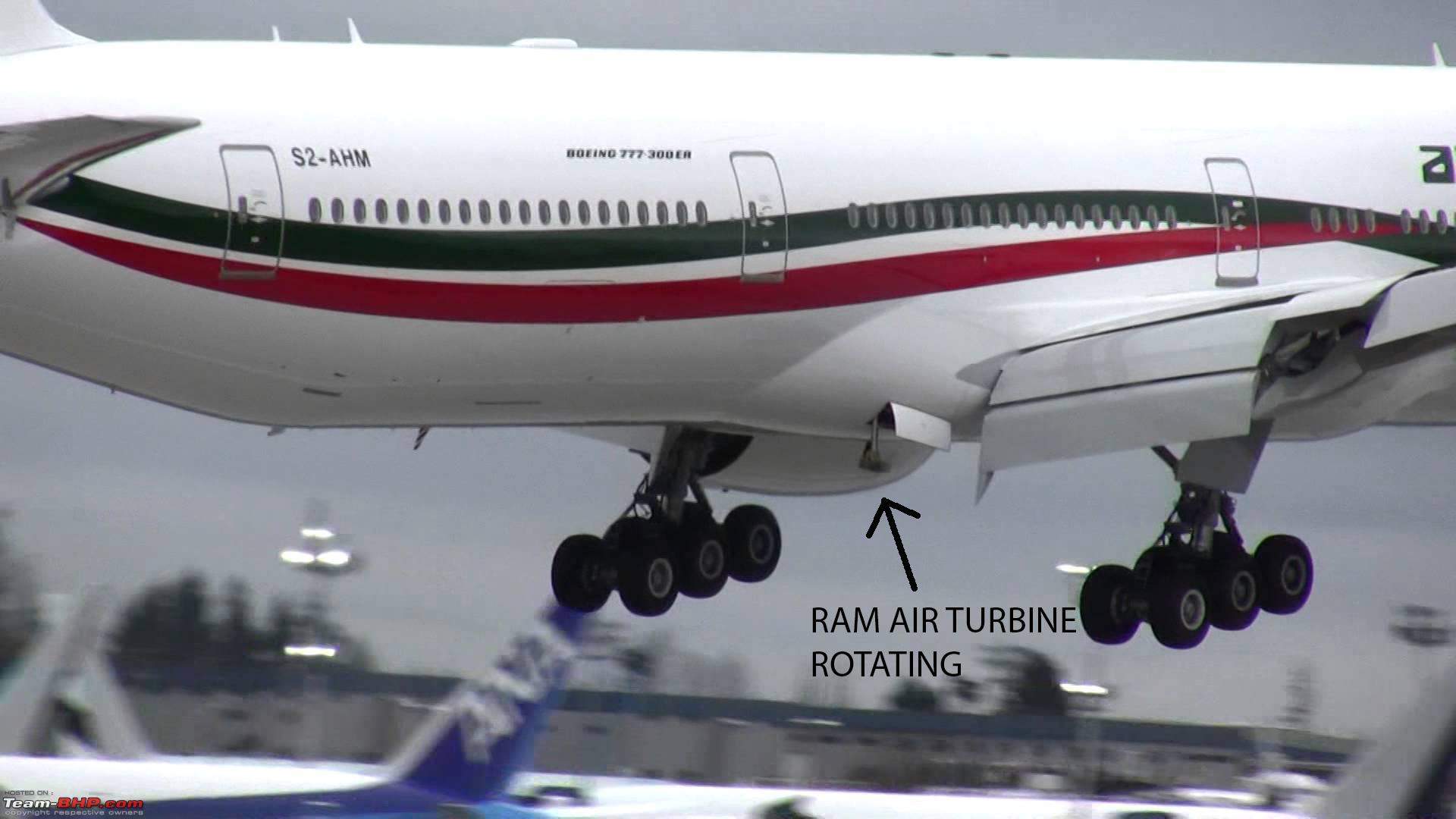
Stall recovery is something we practise regularly on our simulators. And at altitudes as low as 1500 ft. The key factor in recovery from a stall is regaining positive control of the aircraft by reducing the angle of attack. At the first indication of a stall, the wing angle of attack must be decreased to allow the wings to regain lift. Every aircraft in upright flight may require a different amount of forward pressure to regain lift. It should be noted that too much forward pressure could hinder recovery by imposing a negative load on the wing. The next step in recovering from a stall is to smoothly apply maximum allowable power to increase the airspeed and minimize the loss of altitude. As airspeed increases and the recovery is completed, power should be adjusted to return the aeroplane to the desired flight condition. Straight and level flight should then be established with full co-ordinated use of the controls. The airspeed indicator or tachometer, if installed, should never be allowed to reach their high-speed red lines at anytime during a practice stall. Stall warning is considered to be a warning readily identifiable by the pilot, either initial buffet or artificial (stick shaker). During initial stages of stall, local airflow separation results in buffeting (initial buffet), giving natural warning of an approach to stall. At cruise Mach numbers, stick shaker activation occurs just after reaching initial buffet. When the speed decreases approximately half way through the amber band, the AIRSPEED LOW caution message appears. The autothrottle wakes up, automatically engages in the SPD mode and returns the airplane to minimum maneuvering speed. The airplane can be trimmed down to an airspeed approximately equal to the minimum maneuver speed. Below this airspeed, nose up trim is inhibited. Unreliable Airspeed due to Pitot Heat loss Unreliable airspeed indications can result from blocking or freezing of the pitot/static system or a severely damaged or missing radome. This could mean increasing indicated airspeed in climb, decreasing indicated airspeed in descent, or unpredictable indicated airspeed in cruise. Unreliable airspeed may cause noticeable effects in the normal speed stability of the airplane since the normal pitch control law uses indicated airspeed. If the indicated airspeed falls below 50 knots, the flight control system changes to the secondary mode, which does not depend on airspeed. The autothrottle system also uses indicated airspeed and should be turned off. When the abnormal airspeed is recognized, we consult the Flight With Unreliable Airspeed table in the manual for the correct attitude, thrust settings, and V/S for actual airplane gross weight and altitude. Ground speed information is available from the FMC and on the instrument displays. These indications can be used as a cross check. Many air traffic control radars can also measure ground speed. PS: Read this article on the AF447. Link to Vanity Fair article on AF447 Quote:
Quote:
Quote:
Specifications: 52 X 21 R 22, 36 PR 52 inches diameter. 21 inches width R- Radial 22 rim diameter Ply Rating 36 Speed Rating (MPH): 235 Rated Load Lbs. 44,500 Tire Weight Avg. Lbs. 156.0 My captain was telling me yesterday that Goodyear has won the bid for the 777x tires. Last edited by searchingheaven : 13th May 2016 at 20:29. | ||||||||||||
|
| (10)
Thanks
|
| The following 10 BHPians Thank searchingheaven for this useful post: | Ayesha, Contrapunto, Divya Sharan, govindremesh, heavenlybull, karan561, myavu, quickdraw, Turbanator, v1p3r |
| |
|
13th May 2016, 20:42
| #32 |
| BHPian Join Date: Feb 2012 Location: New York City
Posts: 173
Thanked: 646 Times
| Re: Boeing 777 - Pilot's Review This is why Emirates, with 140 A380 orders, wants a new-engined A380. To be fair, if the big bird can get A320neo/A330neo upgrades, it will compete on seat cost and be justified for heavy trunk routes such as DXB-LHR, DXB-JFK or even BOM-JFK(EWR currently), where airport capacity constrains your number of flights. It's a truly fascinating battle. I see the following thing happening: Airbus wins the A330 sized market, loses the 777 size market and wins the A380 market. Further, there's news of a few A380 orders so it may not be dead yet. I believe that these two airplane manufacturers need to be more flexible with their designs. It's sensible for the 747-8i to have 787 engines and similarly Airbus needs to have this flexibility to keep costs down and let their big bird survive. In short - there is a market for the A380 still with no direct competition while the 777-X will probably be the mainstay of the less-than-jumbo size segment, just like the current 777-300ER is. A side note though: Should there be any sudden economic downturn globally, we may see the end of the jumbo era and potentially some other collateral damage. |
|
| ()
Thanks
|
|
13th May 2016, 20:59
| #33 |
| BHPian Join Date: Jul 2014 Location: Bangalore
Posts: 92
Thanked: 110 Times
| Re: Boeing 777 - Pilot's Review Voted a well deserved 5* thread. I am a sucker for these big birds and sometimes literally dream of them in my sleep. I was not so excited to be in Paris once but instead of having the chance to see the Concorde displayed at the airport. Loved the engine caption and comparison with the single aisle brethren. Its easy to notice how small the 737's and A320's are in front of these mighty birds. Very informative and detailed explanation there Sir for the 777 dash. Yours must be an awesome job to be in. |
|
| (1)
Thanks
|
| The following BHPian Thanks AppyS for this useful post: | searchingheaven |
|
13th May 2016, 21:09
| #34 |
| BHPian Join Date: Apr 2016 Location: Panipat
Posts: 177
Thanked: 200 Times
| Re: Boeing 777 - Pilot's Review Thank you searchingheaven for such spectacular topic and superb write up! You have just made a successful effort in introducing an often uncharted territory to most of people. The only thing I didn't like about this aircraft is that it has killed B-747! The aircraft had its own awe and ruled an era. Its unbelievable that it can fly on single engine for 5.5 hrs!! Commendable effort towards safety. |
|
| ()
Thanks
|
|
13th May 2016, 22:19
| #35 | |
| BHPian Join Date: Mar 2015 Location: Amsterdam/TCR
Posts: 256
Thanked: 1,935 Times
| Re: Boeing 777 - Pilot's Review Quote:
Please correct me if I'm wrong. Couple of questions as a passenger: 1. I'm flying in and out of Bangalore every month from Kuwait. I've noticed that the landing at Bangalore is very hard. This was common across the Emirates B777-300ER (this one bounced on landing) and the Oman Air B737-800 (2 Landings with this one, felt like it fell out of the sky!). Is there something wrong with the approach or runway at Bangalore, or was I unlucky to get a hard landing in all the three instances ? 2. I've felt that the A320 lands more smoothly than a B737. Is it just my perception or does the fly by wire of the A320 have to do something with this? 3. Why do interiors judder for a few seconds when the aircraft lifts off the ground? | |
|
| ()
Thanks
|
|
13th May 2016, 22:20
| #36 |
| BHPian  | Re: Boeing 777 - Pilot's Review Wow Sir! This is some seriously great stuff you've put up here. Hats off to you for compiling so much data and putting them together for us mere mortals. Will be reading multiple times and I'm sure will have a lot of questions to ask you by then. Keep flyin' Neel |
|
| (3)
Thanks
|
| The following 3 BHPians Thank petrolhead_neel for this useful post: | Avikbrio, Ayesha, searchingheaven |
|
14th May 2016, 00:44
| #37 |
| BHPian  | Re: Boeing 777 - Pilot's Review This is my aircraft of choice to either JFK or Chicago by Air India. Now eligible for upgrades, but when I did travel economy, just loved the leg space compared to the ones on United. Plus the economy has a 3-3-3 setup. |
|
| ()
Thanks
|
|
14th May 2016, 04:51
| #38 |
| Senior - BHPian  | Re: Boeing 777 - Pilot's Review Awesome thread. Few issues i have with airlines are listed: Economy class seats are terrible with leg space, Volvo airavathas or long distance buses in india have better comfortable seat. How hard is it to improve it? Seats in economy is like a bench in school. Business class and first class are usually about 4 times to 10 times more expensive so out of reach of many. Infotainment system is not keeping up with time. The touch is terrible. Passenger comfort is the least of the worry of most airline, who just care for butt on seats. The heightened security has just contributed to increasing costs and airports are a money spinner is what i feel. Maddy |
|
| (1)
Thanks
|
| The following BHPian Thanks maddy42 for this useful post: | searchingheaven |
|
14th May 2016, 06:22
| #39 | |
| Senior - BHPian  Join Date: Mar 2009 Location: New Delhi
Posts: 1,851
Thanked: 2,144 Times
| Re: Boeing 777 - Pilot's Review Quote:
777 is also a fly by wire aircraft with flight envelope protections, Boeing's first if am not wrong. It does take a little time to get used to the side stick since in all our training with single and multi engines, we are used to typical yoke controls which Boeing uses. I personally love the side stick, in normal law, you just give what pitch, bank you want, leave the stick and the aircraft keeps flying and you can take your hands off (this is with auto pilot off), you get much more free real estate between your legs and that tray table is very handy while eating or doing approach/performance calculations. There are so many factors when landing an aircraft, crosswinds, glide slope angle, runway length available for landing etc so depends, one can be a pilot with thousands of hours but it does not guarantee that you will always get a smooth touchdown. In wet conditions, airbus itself recommends to avoid aiming for a very smooth landing and the pilots should have a firm touchdown. As for interiors juddering, i had asked my instructor about it and he told me that once the aircraft is off the ground, the main landing gear wheels keep rotating at a high speed and if they are unbalanced, they may transmit vibrations to the aircraft, it is for a very small time. Last edited by coolboy007 : 14th May 2016 at 06:32. | |
|
| (5)
Thanks
|
| The following 5 BHPians Thank coolboy007 for this useful post: | Ayesha, govindremesh, Kool_Kid, quickdraw, skotha |
|
14th May 2016, 06:44
| #40 |
| BHPian  | Re: Boeing 777 - Pilot's Review [quote=searchingheaven;3971472]Basic technical details -----------------------------------------------------------------------------------------------------------------------------------------------------------------------
1. The No load weight of an 737-800 Aircarft is 41, 145 Kgs 2. The Max Take off weight for an 737-800 Aircraft is 70,535 Kgs 3. Fuel required to support 168 Pax and 12 Crew for 2.5 hrs would be atleast = 6,859 Kgs 4. Weight of PAX + 28 Kgs Checked in Luggage + 15Kgs Hand Luggage is atleast 22,152 Kgs 5. The total of all of the above is at 70,156 Kgs or 99.45% of the Max Take Off Weight. In my example shown above there is only 379 Kgs room for error! |
|
| (1)
Thanks
|
| The following BHPian Thanks shivshanker for this useful post: | Contrapunto |
|
14th May 2016, 07:11
| #41 | ||||
| Distinguished - BHPian | Re: Boeing 777 - Pilot's Review Excellent thread, very informative with some very good pictures! Thanks very much. I have travelled extensively across the globe on just about every aircraft. My personal favourite remains the 747-400 as I’m just most familiar with it and have had the pleasure of flying it myself (albeit on Lufthansa/Cargolux training school Simulators). But from a creature comfort point of view newer planes such as the 777 and A380 are really a huge improvement. I flew the A380 on eight different legs last year around the world. I flew Lufthansa business class and once on San Francisco to Frankfurt they bumped me up to first, overall the best experience I have ever had. KLM has just put its new Dreamliner 787 on the Delhi Amsterdam run and I have flown that on Economy Comfort and again very nice. My very last trip out of India, returning home the Netherlands will be business class on the KLM 787, looking forward to that. You just can’t compare them with the older planes, no matter how many times they get upgraded over the years. I’ll comment some more on the interiors further down. Quote:
Apparently, for legal reason the plane has to be fitted out with all its seats So KLM used to order the cheapest and most minimalistic interior Boeing would offer. Once the plane landed at Amsterdam, they rip everything out! And put their own KLM interior, seats, panelling, galley’s etc in. It was actually the same in the cockpit. I visited about 48 hours after the plane had arrived at Amsterdam. You would not believe the internals of that plane, everything had come out, many cockpit instruments had been taken out as well. So carriers do customise the cabin heavily themselves. Quote:
Cockpit system are not really proprietary in the sense they are all built around commercially available subsystems. What is true that the layout of a Boeing is very different from an Airbus. A large part of that has to do with a different design philosophy. And some very fundamentals such as a Boeing traditional yoke over the Airbus side stick. Even the way a Boeing fly by wire system works is very different from an Airbus fly by wire. Aircraft manufacturers do try to standardised the layouts of their own cockpits for all the obvious reasons. Also, it allows easier and shorter re-training if crews move from one type to the next. The number of switches, dials, knobs etc has come down dramatically over the years. Remember that we used to have flight engineers with very complicated panels with hundreds of dials, switches and levels. With the introduction of two pilots cockpits, all of that has been automated and has just about disappeared. Check out this old 747 cockpit: http://www.airliners.net/photo/Mahan...f8d86da4b71a28 versus the 747-400 http://www.nicksprints.com/aircraft/h218BF4D8#h218bf4d8 Also note that the 747-400 cockpit in lay-out is very similar to the 777. Of course when it comes to engines it is 4 against 2, but just about everything else is pretty much the same. The MCP panel is near identical. Also the Honeywell Flight Management Computer and System is very similar in terms of use and functionality. Some of my KLM 747-400 pilot friends have transitioned to the 777 over the years and I have visited the KLM 777 simulators a few times. Although I did not take to the controls myself, just watched these guys sweat it out on their check ride, the familiarity with the 744 was striking. All the 744 drivers that have moved on to the 777 will tell you the same thing. They adore their 744, Queen of the skies, but from a pilot’s point of view they love the 777! If you want to explore the 777 cockpit some more, have a look at this website, move your cursor around and get lots of detailled information! http://meriweather.com/flightdeck/777/fd-777.html Quote:
Here a not to technical story on the AF447; http://www.airfrance447.com Here is the official accident report for those that want to read the full thing: https://www.bea.aero/docspa/2009/f-c...p090601.en.pdf The AF co-pilot in the right seat (pilot flying) had 3000 hours, 800 on type. Left seat had another co-pilot (pilot monitoring) with more then double the hours and the captain has close to 11.000. Between the three of them they could not figure out what was going on! So even the right seat copilot was not inexperienced from an hours point of view. However, contrary to popular belief, there is absolutely no correlation between number of hours flown and fatal accidents. To put it differently, statistically speaking you are as likely to have a fatal accidents with a pilot who just passed his/her first type check ride as with an old hand pilot the day before he retires with 20.000 under his belt. Quote:
http://avherald.com/h?article=498050d8 The same thing happened not to long ago to a 777 too Jeroen Last edited by Jeroen : 14th May 2016 at 07:24. | ||||
|
| (9)
Thanks
|
| The following 9 BHPians Thank Jeroen for this useful post: | amitwlele, Ayesha, karan561, quickdraw, Rajeevraj, ramprakashr, sai_ace, sriramr9, swiftdiesel |
| |
|
14th May 2016, 11:25
| #42 | |
| Distinguished - BHPian | Boeing 777 - Pilot's Review Quote:
The side stick behaviour you describe is, as I understand it, specific to Airbus fly by wire. Boeing fly by wire, from how it feels is essentially like an ordinary system with cables and links. It does provide all the various protection modes but it flies as a regular plane. The Airbus is more about vectoring. Your side stick indicates the vector/direction where you want to go. The computers figure out how to go about it. So I think the 777 or the 747-800 would behave differently if you take your hands of the yoke. I think it would start to wonder off a bit, just like any other non fly by wire plane. Essentially these plane feel and behave to a Cessna until you start pushing the envelope, then the computers kick in. Of course it's computers controlling the plane all the time but they are set up to provide normal flying feel and behaviour Landing remains one of the most challenging manoeuvres and yes, you can get it right a thousand time, the next time you might not get it completely right. Passengers like smooth landings, but from a pilot and or maintenance point of view they are not necessarily better. Smooth landings means you find yourself longer in between that phase between flying and rolling down the runway. It's a bit more difficult to control, so you really don't want to stretch it. Planting your wheels firmly and decisively is what I was taught, minimise ground effect. You just eat up runway with a smooth landing. Safe piloting is all about ensuring you have multiple options. Late or smooth touch downs can seem fine, but the more runway you have in front of you the safer if anything goes wrong. Flying my little planes I was often offered by ATC to cut in front of big planes or just use an earlier entry into the runway. I never do. Even on very long runways. If I take of in my Cirrus or Diamond on a 4500 ft runway I will be airborn after about 1200 feet or so depending on weight. If I get an engine failure at 500 feet I can still land on that same runway. If I had used an early intersection I might not have that option. I know GA aircraft and commercial jets do it all the time. They do the take off planning calculations accordingly, the FMS knows how to handle it. So all very safe. Still, it now and then adds to confusion and sometimes to errors. It might be my inexperience as a pilot, but I just prefer to do everything as safely as I can do it. So no long drawn out landings for me. That doesn't mean I have not found myself floating down the runway hundreds of feet before my little plane gear touched down. But that was never intentional. I plan to put down reasonably firmly at a specific point in the runway . http://avherald.com/h?article=49832451&opt=0 The other thing is tire wear. A lot of research has been done into soft versus hard landings. As I understand it planting the wheels firmly, spinning up the wheels in a very short time, is preferred to long drawn out landings where it takes longer to spin up tires, thus more wear overall apparently Jeroen Tire wear is a function of Last edited by Jeroen : 14th May 2016 at 11:26. | |
|
| (1)
Thanks
|
| The following BHPian Thanks Jeroen for this useful post: | amitwlele |
|
14th May 2016, 11:38
| #43 |
| BHPian  | Re: Boeing 777 - Pilot's Review Post deleted by the Team-BHP Support : Please do NOT post messages that add little or no informational value to the thread. We need your co-operation to maintain the quality of this forum. Please read our rules before proceeding any further. We request you to post ONLY when you have something substantial to add to a discussion. Last edited by GTO : 17th May 2016 at 09:45. |
|
| ()
Thanks
|
|
14th May 2016, 12:01
| #44 |
| Distinguished - BHPian | @ harpreetkanwar Sure you can get leather in the cockpit, but you have to downgrade from the airbus and Boeings to my kind of planes: http://cirrusaircraft.com/whats-new-in-2016/ Note the Bluetooth connectivity!? Bring you iPod or iPhone. Jeroen Last edited by GTO : 17th May 2016 at 09:45. Reason: Quoted post deleted |
|
| (2)
Thanks
|
| The following 2 BHPians Thank Jeroen for this useful post: | Ayesha, shreyascashyap |
|
14th May 2016, 13:20
| #45 |
| BANNED Join Date: Jan 2011 Location: Pune/Bahrain
Posts: 127
Thanked: 56 Times
| Re: Boeing 777 - Pilot's Review Excellent review. I have few questions. 1. Why cabin lights are switched off during takeoff maneuver? 2. Why seats should be in upright position during takeoff and landing? 3. Takeoff should be against wind direction. But what to do if there is cross wind to the direction of takeoff. 4. During pre-landing maneuver, how speed is reduced (breaking) in the air? 5. What are main responsibility of Pilot and co-pilot? |
|
| ()
Thanks
|
|
Latest News

Bangalore-Coimbatore Drive via Scenic forest roads in a Maruti Jimny

2025 Ducati Scrambler Full Throttle launched at Rs 12.60 lakh

Tata Nexon EV 45 range: I covered 361 km & still had 15% battery left!

Skoda Kylaq Initial Review : A Fun Drive with its own Pros & Cons

Mercedes CLA Electric listed on the brand's Indian website

Initial days with my Kawasaki Ninja 500: 1st service & 600 km solo ride