
 Afrikaans
 Shqip
Shqip አማርኛ
አማርኛ العربية
 Հայերեն
 Azərbaycan dili
 Euskara
 Беларуская мова
 বাংলা
বাংলা Bosanski
 Български
 Català
 Cebuano
 Chichewa
 简体中文
简体中文 繁體中文
繁體中文 Corsu
Corsu Hrvatski
 Čeština
 Dansk
Dansk Nederlands
 English
 Esperanto
 Eesti
Eesti Filipino
 Suomi
Suomi Français
 Frysk
Frysk Galego
 ქართული
 Deutsch
 Ελληνικά
 ગુજરાતી
 Kreyol ayisyen
 Harshen Hausa
 Ōlelo Hawaiʻi
 עִבְרִית
 हिन्दी
 Hmong
Hmong Magyar
 Íslenska
 Igbo
Igbo Bahasa Indonesia
 Gaeilge
 Italiano
 日本語
日本語 Basa Jawa
 ಕನ್ನಡ
ಕನ್ನಡ Қазақ тілі
 ភាសាខ្មែរ
 한국어
한국어 كوردی
كوردی Кыргызча
 ພາສາລາວ
 Latin
Latin Latviešu valoda
 Lietuvių kalba
 Lëtzebuergesch
 Македонски јазик
 Malagasy
 Bahasa Melayu
 മലയാളം
 Maltese
 Te Reo Māori
 मराठी
मराठी Монгол
 ဗမာစာ
ဗမာစာ नेपाली
 Norsk bokmål
 پښتو
پښتو فارسی
فارسی Polski
 Português
 ਪੰਜਾਬੀ
 Română
 Русский
 Samoan
 Gàidhlig
 Српски језик
 Sesotho
 Shona
Shona سنڌي
سنڌي සිංහල
සිංහල Slovenčina
 Slovenščina
 Afsoomaali
 Español
 Basa Sunda
 Kiswahili
 Svenska
 Тоҷикӣ
 தமிழ்
தமிழ் తెలుగు
 ไทย
ไทย Türkçe
 Українська
 اردو
اردو O‘zbekcha
 Tiếng Việt
 Cymraeg
 isiXhosa
 יידיש
יידיש Yorùbá
 Zulu
Zulu

The following is from X
【NishiPosted by:


I want the Democratic Party to work with the Democratic Party of the United States to force corrupt politicians out of office.
— Shiba @Arafor marriage hunting (@09takahiro10) February 9, 2025
More and more people are starting to realize this, so I hope that political parties will expand even further.


引用元 https://x.com/goroyamada359/status/1888527586558619898- main
-
Social Media
-
Sports
-
Animal
-
Domestic
-
Politics
-
Overseas
-
Features
-
Economy
-
Entertainment
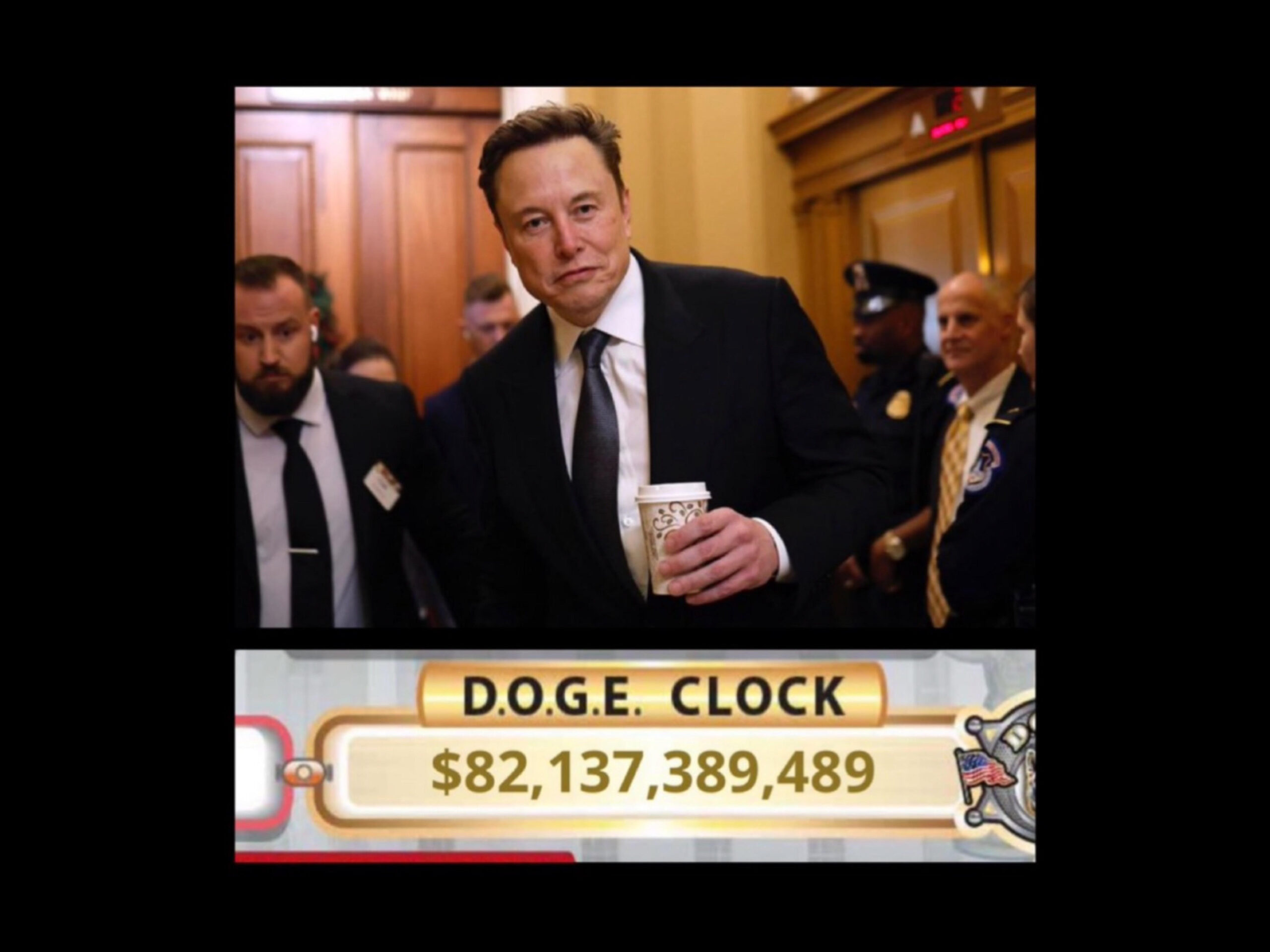
 [X-people] "I wish something like this would appear in Japan too. This would save 12 trillion yen in Japanese yen..." DOGE saves $21 billion in just 820 days!NEW
- Increasing voices of opposition to "foreign firefighters": the misunderstanding that they will be "taken over" and what role they are expected to play in times of disaster - from AERA dot.NEW
- Ishiba: "Even if the number of children increases, it will be 18 years before they will be able to vote. By then, we won't be politicians anymore." ← The reason why politicians are uninterested in measures to combat the declining birthrateNotice
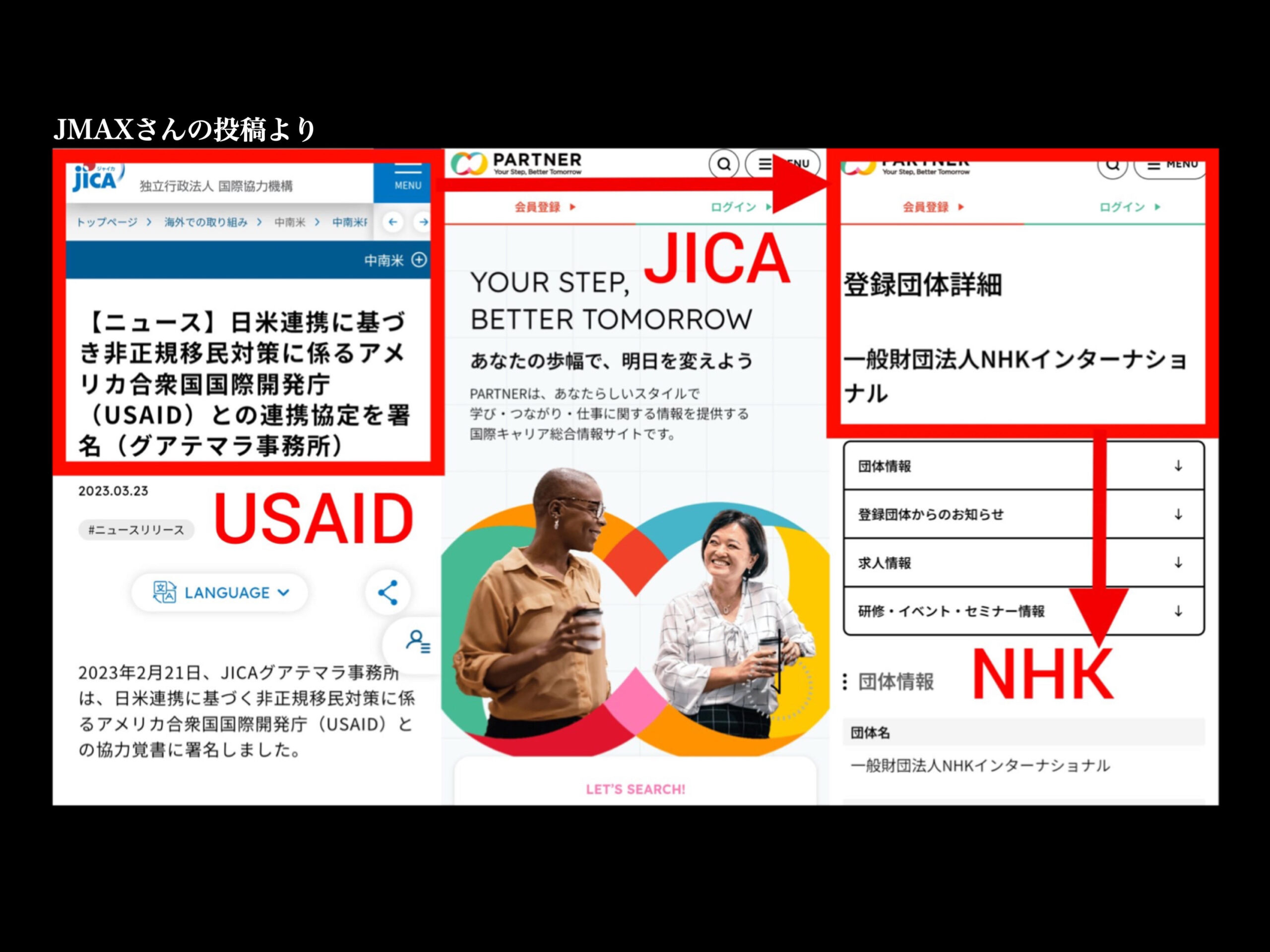
- [X citizen] This is decisive. The project will be awarded to NHK. NHK is registered as a partner of USAID and JICA. USAID↔JICA↔NHK
- [Satsuki Katayama] Introducing separate surnames for married couples in line with global standards is a "discussion one step behind the times" "On the contrary, only Japan has a family register with extremely strong legal negotiating power"
- A South Korean lawmaker proposes a bill to punish those who praise Japan's colonial rule. Korean internet voices in support: "It's absolutely necessary."
- [X-min] The Governor of Nara Prefecture didn't come to the Kigensai yesterday and doesn't seem to have mentioned it at all. Is he really Japanese to spend money on KPOP, abolish funding for the Tenpyosai, and not say anything about the Kigensai?
- [Sad News] Japan is the only country where vehicle inspection costs are high!
- [Chief Cabinet Secretary Yoshimasa Hayashi] Request for exemption from US steel and aluminum tariffs via the US embassy on the 11th
- Body of unknown gender found in snow removed from roadside in Iiyama, Nagano
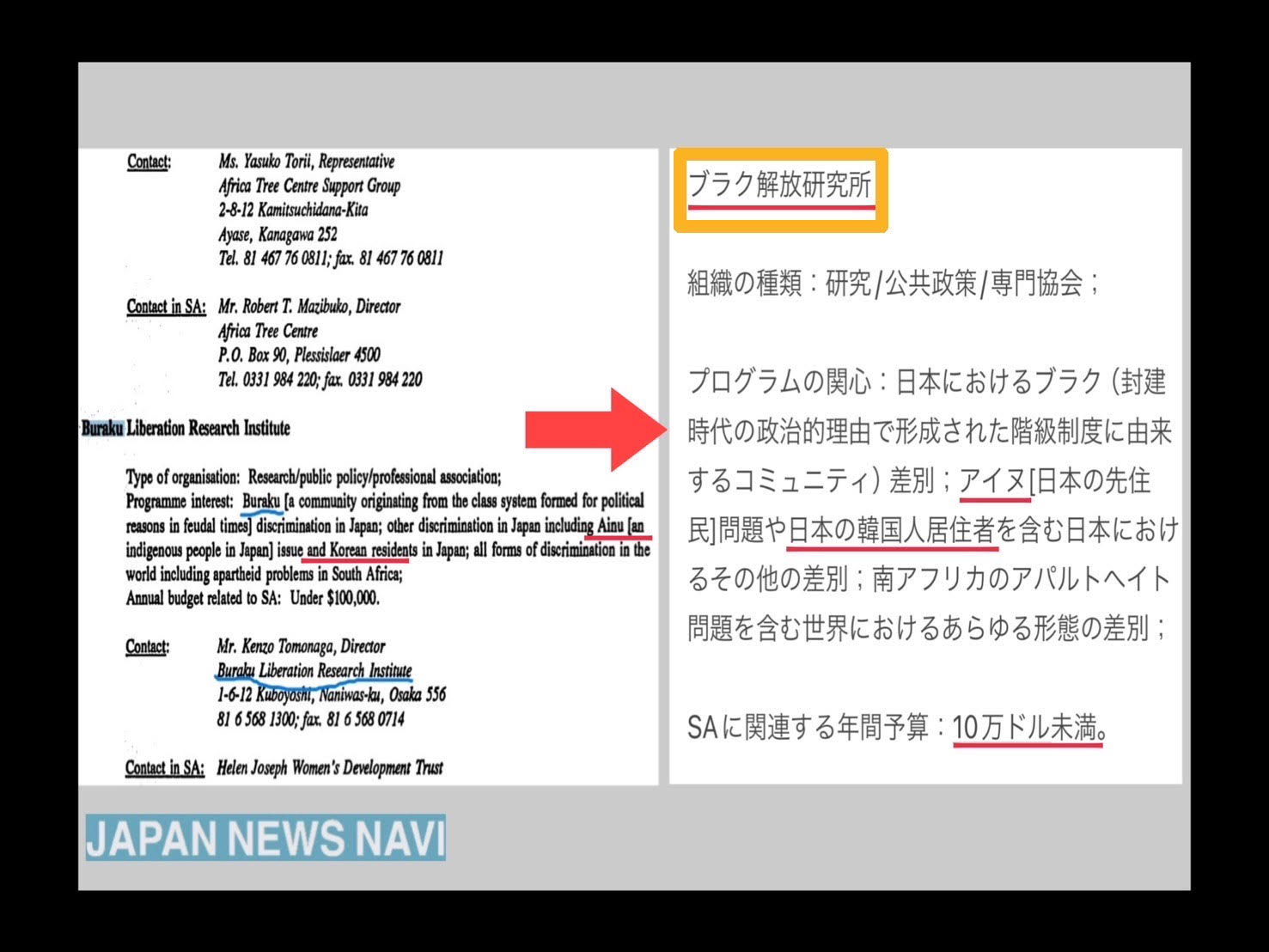
 [X people] USAID → financial support for Buraku Liberation League → Ida-san activity funds → selective separate surnames for married couples → destruction of family registers. As expected... / Also includes entries on Ainu and Korean residents in Japan
- [Breaking News] Nara Prefecture and Korea exchange K-POP free event total cost to be drastically reduced to about one tenth of what it was before, to be held in an indoor hall with a budget of 10 million yen
- [Akashi National College of Technology students] "Students who request and submit a form will be guaranteed three tickets for the Expo"
- Hospitalized patient murdered by man sharing room with patient, but hospital does not report; family given diagnosis of "pneumonia"; charges filed for harboring perpetrator; man stabbed in face multiple times with toothbrush handle
- Video: [Kurdish group in Japan] Sues organizers of hate demonstration, demands ban on demonstration and 550 million yen in damages - Mainichi Shimbun
- [X People] It's the Japanese spirit that continues to use the word "rescue" even if they know it's a body and no matter how many months it takes.
- "You'll be wiped out even though we're part of China" - Kyoto's Kodaiji Temple Okabayashi-in threatened after warning people against etiquette
- The Liberal Democratic Party begins full-scale discussion on "separate surnames for married couples"
- "JICA" is the Japanese version of USAID. Right in the middle is Akira Ikegami.
- President Trump announces that US and Russian leaders have agreed to begin ceasefire talks for Ukraine's invasion in a phone call
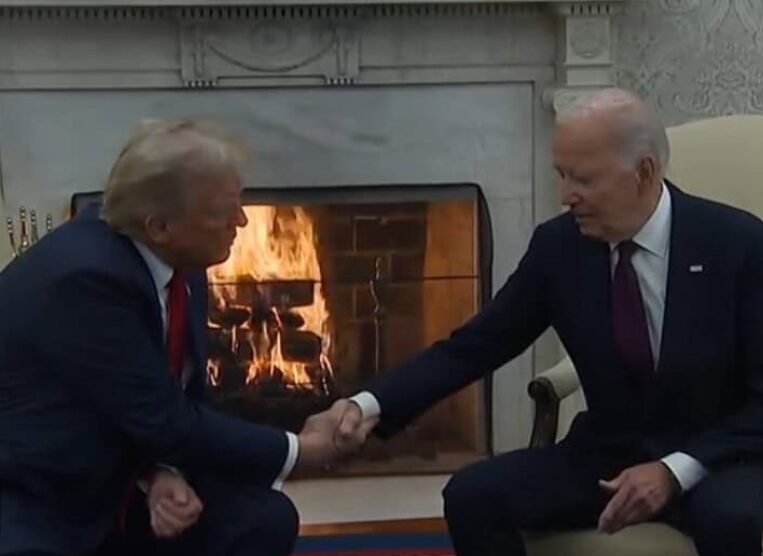
 President Trump says his predecessor Biden caused rising inflation in the US
- Pope criticizes Trump, saying deporting immigrants "will have bad consequences"
- Is the online petition in Japan a Chinese operation?
- The Okinawa Prefectural Assembly cannot meet due to an "abnormal situation" The LDP faction is poised to refuse to discuss the issue of the Washington office established by the Okinawa Prefectural Government being registered as a non-existent corporation
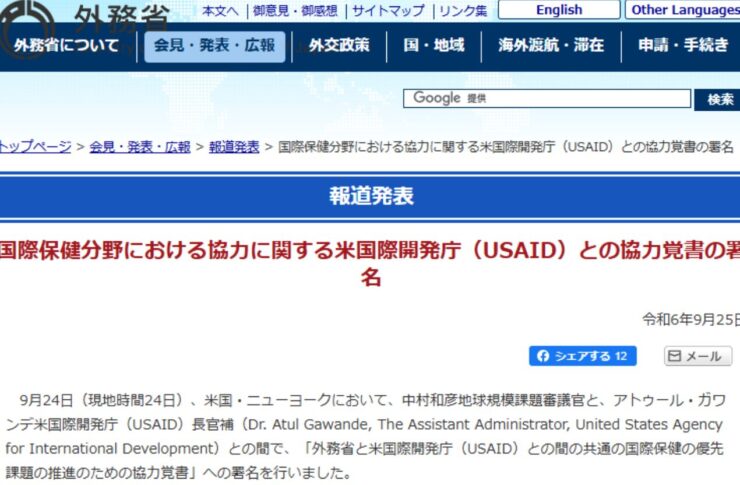
- [X-min] Kishida is amazing! It is openly written on the Ministry of Foreign Affairs website that he promised cooperation with USAID during his visit to the US. He is a traitor after all.
- [US Secretary of Defense Hegseth] "Diversity is strength! is the stupidest expression" in a speech to staff
- Sea turtles don't die from plastic bags. It has been found that sea turtles who eat a lot of plastic waste actually increase their population.
- [X-min] This is terrible. You can't read kanji? So you don't know the "stop" sign, right? / A 5-seater minicar! Ignoring the kanji signs! Rental cars driven by inbound tourists today are full of problems
- Sputnik Japan comments on the relationship between USAID (United States Agency for International Development), JICA (Japan International Cooperation Agency), Akira Ikegami, NHK, and Ukrainian Public Broadcasting Corporation
- 61 Japanese organizations and groups suspected of having ties to USAID. Japan is being controlled by rotten people.
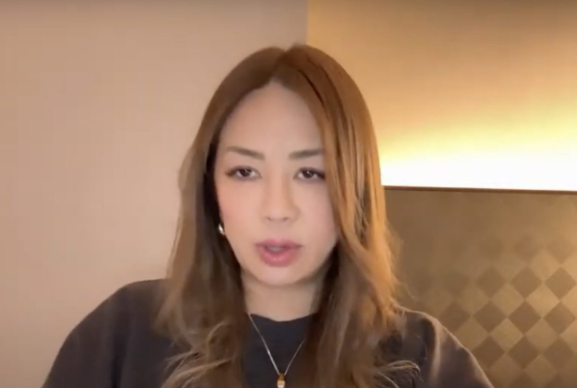
 Los Angeles Police Officer and YouTuber Yuri: "USAID also supports the WEF (Davos Conference) which discusses population reduction plans, the Echo Health Alliance which is researching COVID-19, human trafficking, and LGBTQ/DEI promotion."
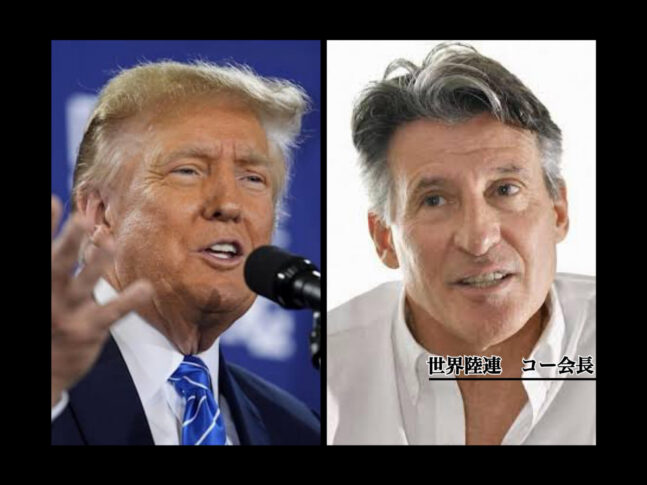
- IAAF discusses gender rule revisions; Coe supports President Trump's transgender athlete restrictions
- Dr. Shintaro Sawayama: "Other notable people who work for JICA and receive funding from USAID include Shinjiro Koizumi, Yuriko Koike, and Toru Hashimoto."
- Devi Dewi Sukarno launches political group called "12 (Wanyan) Peace Party"
- [NHK] Senkaku Islands are displayed as "Diaoyu Islands" as China calls them; NHK International will discontinue its AI-based Chinese subtitle service
- [X-min] USAID's spending on Japan increased sharply in September 2021. Kishida became president of the LDP in the September 9, 2021 presidential election. And since October 9, after the Kishida administration was formed, it has been steadily increasing. That's strange.
- French police found the body of 11-year-old Louise Lassalle in the forest. She disappeared yesterday on her way home from school. Police arrested two 23-year-old North African immigrants. How long will France continue its plan to destroy its own people? Japan is the same.
- Rice farmers: "The purchase price of rice has not increased"
- The closure of USAID (United States Agency for International Development) is big news around the world, but it's barely reported in Japan. Is the Japanese media really that bad?
- [Optional separate surnames for married couples] Asuka Kishi → "What does it mean for children's welfare if we move to a society where it's normal for parents and children to have different names? Isn't that dangerous? Isn't this not child-first?"
 Fumio Kishida: "I have been appointed chairman of the Diet League for the Promotion of the Certified Public Accountant System." → Internet users are in uproar: "Explain about USAID!!"
- [Breaking News] Water pipes break one after another in Sakai City, water outage in Sakai Ward, "Muddy water coming from the roads" and road closures in Mihara Ward... Could aging be the cause? Osaka
- Ticket sales are poor due to difficulty in purchasing tickets; two months until Expo, "We will try to improve" says official
- An increasing number of public elementary and junior high schools in Tokyo are abolishing indoor shoes and introducing a one-pair-shoes rule... It seems that the overwhelming majority of children still prefer indoor shoes
- [Inbound] "I felt a closed-off atmosphere in Japan" - What behavior of Japanese people did Swedes find a bit disappointing?
- Ministry of Health, Labor and Welfare to provide additional subsidies for coworkers for care leave of 15 days or more
- Musk makes acquisition offer to OpenAI...Altman fires back: "We'll buy Twitter if that's what you want"
- Former Secretary-General of the Constitutional Democratic Party of Japan, Yuko Mori, is preparing to run for the proportional representation seat in the House of Councillors
- The term "USAID harassment" has been born. It will cause great damage to anti-Japanese activists, traitors, agents, the media, and leftists.
- [Aichi Prefecture] "This is not something a human should do..." Farmers express their anger after around 800 cabbages were stolen just before shipping amid rising prices due to poor growth.
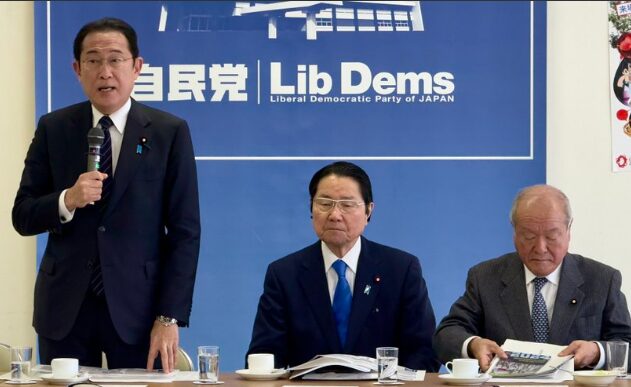
 [Attention] The news that a Ministry of Finance official got drunk and lost a list of 187 drug offenders he had received from Yokohama Customs along with his bag, seems to have been spread all over the world by the BBC.
- Video [Prime Minister's Office] Japan-US summit meeting, joint press conference, etc. / Internet "You're good at cutting!" "Please investigate the USAID issue!"
- USAID provides $6 million to over 2 accredited journalists and funds them to suppress conservative media. TNI is established to censor information and suppress speech under the pretext of combating false information. It is discovered that Japan's NHK was also involved.
- Liberal Democratic Party presents proposal for social media restrictions during elections... Amendment to the Information Privacy Act to prevent profit-making activities in the name of election campaigns
- [SNS] X, "Community" posts now visible to everyone, users confused, "Worst update ever"
- [Breaking News] Today's Sazae-san with no sponsors and zero sponsors makes NicoNico Live even more excited than last week lol (video included)
- [Cybozu CEO Aono] Separate surnames for married couples is "a necessity, and everyone from individuals to the Japan Business Federation has been calling for it..." Internet → "The Japan Business Federation and the Japan Federation of Bar Associations are forcing it..." "But changing the system is going to cost a ton of money"
- Video [Sad news] Assassin's Creed Yasuke "can attack Japanese people as much as he wants" but can't attack white people, sparking outrage lol
- [Sad news] Freedom in Japan is about to disappear due to SNS and speech restrictions... The government can decide whether information is correct or not. However, TV is not subject to this, so the government can freely broadcast any information that suits its needs, even if it is a lie.
- [Moe Fukada] "If you want us to stop using anonymous accounts on social media, then first ban politicians from using aliases! We don't even know where you're from or what your real names are," a scathing remark to Rui Matsukawa

 Restrictions on Deepseek usage spreading Hundreds of companies and government agencies worldwide concerned about data leaks
- I am a foreigner and a linguist, and I am certain that Japan does not need another official language, and that if it were to make English the official language, it would be cultural suicide.
- [Chinese AI chat] Deep Seek was asked to write 10 scenarios for the collapse of the current Chinese government, and the answers were insane!
- [Collecting more taxes than necessary is legal robbery.] Please put this up in the National Diet!!
- [China] TikTok US business considering sale to Musk - X may acquire management rights
- [Hosei University Hammer Incident] Chinese internet praises the culprit: "Korean female college student is a hero," "Korean Hammer Queen," "I order this female college student to become the president of South Korea"
- [Third generation Korean resident] I am speaking as a naturalized Korean born in Japan. The reason why people are being asked to give up their Korean names is not because they are criminals, but because they have the attribute of being a Korean resident in Japan. As a sign of sincerity to the Japanese people, they should take the initiative in giving up their Korean resident privileges.
- [Sad news] He has finally started writing that he lives in the Kawaguchi Autonomous Region of China. Japan is now treated as an autonomous region by the Chinese.
- It really hurts to be called a racist for simply tweeting a population figure...
- [Breaking News] Iwaya X deletes and escapes

 IAAF discusses gender rule revisions; Coe supports President Trump's transgender athlete restrictions
- [Presidential Order] Sanmoni: "Where can transgender people play sports!?"
- [Former Japanese women's national team member and JOC director, who is publicly out as transgender] Criticizes Trump for banning trans athletes, calling it "discrimination against LGBTQ+ people" and "political exploitation"
- [Breaking News] Mizuhara Ippei Sentenced to 4 Years and 9 Months in Prison for Stealing Over 25 Billion Yen from Dodgers' Otani Shohei's Account
- [Fuji TV] It was discovered that the show had previously been written as "Korea-Japan Match"
- [Nippon Ham] Manager Tsuyoshi Shinjo: "Don't let Korea in" "There are too many dead balls" - Refuses to play a game against the Korean professional baseball team
- Elementary school student karate tournament: Athlete's association apologizes for dangerous behavior, announces punishment for second, suspends indefinitely, and covers medical expenses
- [Video] Ohtani stubbornly refuses to speak English when asked to do so in an interview, but speaks fluent English in his speech to all Dodgers fans at the victory parade
- [Video] Otani refuses to be interviewed by Fuji TV after his house was exposed lol
- Shohei Ohtani achieves his long-awaited first World Series victory! The Dodgers defeat the Yankees to become world champions for the 4th time in 8 years. In his first PS, he played in every game and hit 3 home runs.
 [Breaking News] Dodgers win, moving on to a dream showdown with the Yankees in the World Series!
- [Video] Chinese manager headbutts referee
- [Chinese soccer supporters] Shouting "Kill them! Kill them! Kill them!" during a match against Japan
- Video [Breaking News] Ohtani becomes the first player in history to hit 50 home runs and steal 50 bases with home runs in two consecutive at-bats -- Major League Baseball
- A Korean player elbows a Japanese player and breaks his front tooth. It is up to you to decide whether it was intentional or not.
- [Flooded with criticism!] Japan national team victim of laser pointer attack... Bahraini spectators' malicious disruption → "Disgusting behavior" and "Low level of civility" trend on X - World Cup Asian final qualifying round


 Increasing voices of opposition to "foreign firefighters": the misunderstanding that they will be "taken over" and what role they are expected to play in times of disaster - from AERA dot.NEW
- [Satsuki Katayama] Introducing separate surnames for married couples in line with global standards is a "discussion one step behind the times" "On the contrary, only Japan has a family register with extremely strong legal negotiating power"
- [X-min] The Governor of Nara Prefecture didn't come to the Kigensai yesterday and doesn't seem to have mentioned it at all. Is he really Japanese to spend money on KPOP, abolish funding for the Tenpyosai, and not say anything about the Kigensai?
- [Sad News] Japan is the only country where vehicle inspection costs are high!
- Body of unknown gender found in snow removed from roadside in Iiyama, Nagano
- [X people] USAID → financial support for Buraku Liberation League → Ida-san activity funds → selective separate surnames for married couples → destruction of family registers. As expected... / Also includes entries on Ainu and Korean residents in Japan
- [Breaking News] Nara Prefecture and Korea exchange K-POP free event total cost to be drastically reduced to about one tenth of what it was before, to be held in an indoor hall with a budget of 10 million yen
- [Akashi National College of Technology students] "Students who request and submit a form will be guaranteed three tickets for the Expo"
- Hospitalized patient murdered by man sharing room with patient, but hospital does not report; family given diagnosis of "pneumonia"; charges filed for harboring perpetrator; man stabbed in face multiple times with toothbrush handle
- Video: [Kurdish group in Japan] Sues organizers of hate demonstration, demands ban on demonstration and 550 million yen in damages - Mainichi Shimbun

 [X People] It's the Japanese spirit that continues to use the word "rescue" even if they know it's a body and no matter how many months it takes.
- "You'll be wiped out even though we're part of China" - Kyoto's Kodaiji Temple Okabayashi-in threatened after warning people against etiquette
- Is the online petition in Japan a Chinese operation?
- Sea turtles don't die from plastic bags. It has been found that sea turtles who eat a lot of plastic waste actually increase their population.
- [X-min] This is terrible. You can't read kanji? So you don't know the "stop" sign, right? / A 5-seater minicar! Ignoring the kanji signs! Rental cars driven by inbound tourists today are full of problems
- Sputnik Japan comments on the relationship between USAID (United States Agency for International Development), JICA (Japan International Cooperation Agency), Akira Ikegami, NHK, and Ukrainian Public Broadcasting Corporation
- 61 Japanese organizations and groups suspected of having ties to USAID. Japan is being controlled by rotten people.
- [NHK] Senkaku Islands are displayed as "Diaoyu Islands" as China calls them; NHK International will discontinue its AI-based Chinese subtitle service
- [X-min] USAID's spending on Japan increased sharply in September 2021. Kishida became president of the LDP in the September 9, 2021 presidential election. And since October 9, after the Kishida administration was formed, it has been steadily increasing. That's strange.
- Rice farmers: "The purchase price of rice has not increased"

 Ishiba: "Even if the number of children increases, it will be 18 years before they will be able to vote. By then, we won't be politicians anymore." ← The reason why politicians are uninterested in measures to combat the declining birthrateNotice
- [X citizen] This is decisive. The project will be awarded to NHK. NHK is registered as a partner of USAID and JICA. USAID↔JICA↔NHK
- [Chief Cabinet Secretary Yoshimasa Hayashi] Request for exemption from US steel and aluminum tariffs via the US embassy on the 11th
- The Liberal Democratic Party begins full-scale discussion on "separate surnames for married couples"
- "JICA" is the Japanese version of USAID. Right in the middle is Akira Ikegami.
- President Trump announces that US and Russian leaders have agreed to begin ceasefire talks for Ukraine's invasion in a phone call
- The Okinawa Prefectural Assembly cannot meet due to an "abnormal situation" The LDP faction is poised to refuse to discuss the issue of the Washington office established by the Okinawa Prefectural Government being registered as a non-existent corporation
- [X-min] Kishida is amazing! It is openly written on the Ministry of Foreign Affairs website that he promised cooperation with USAID during his visit to the US. He is a traitor after all.
- Dr. Shintaro Sawayama: "Other notable people who work for JICA and receive funding from USAID include Shinjiro Koizumi, Yuriko Koike, and Toru Hashimoto."
- Devi Dewi Sukarno launches political group called "12 (Wanyan) Peace Party"
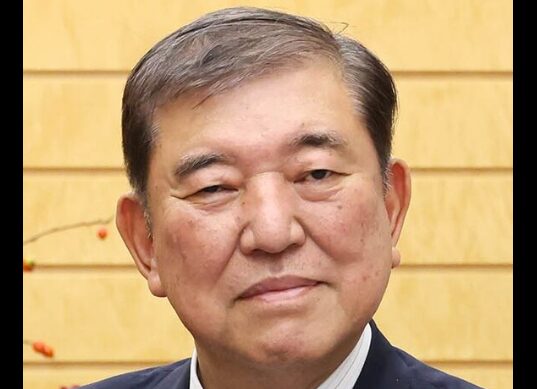
 [Optional separate surnames for married couples] Asuka Kishi → "What does it mean for children's welfare if we move to a society where it's normal for parents and children to have different names? Isn't that dangerous? Isn't this not child-first?"
- Fumio Kishida: "I have been appointed chairman of the Diet League for the Promotion of the Certified Public Accountant System." → Internet users are in uproar: "Explain about USAID!!"
- Former Secretary-General of the Constitutional Democratic Party of Japan, Yuko Mori, is preparing to run for the proportional representation seat in the House of Councillors
- [Prime Minister Ishiba] Fully considering visiting China "at the best time to strengthen trust with Xi," May proposal emerges
- [X-min] Ishihara-san is running for the House of Councillors election. He's a wonderful person who loves Japan, but that's not okay. If we allow him to run, we'll have to accept other naturalized people. I don't think he is, but anyone can say "I love Japan."
- The Prime Minister's actions on the 11th, as reported by the Nikkei Shimbun, are a hot topic
- China's Foreign Ministry announces that it has moved buoys around the Senkaku Islands, saying "Mission accomplished"
- Video [Chief Cabinet Secretary Hayashi] National debt of 1317 trillion yen is "the worst level in the world as a percentage of GDP" Raising the 103 million yen threshold "needs discussion in light of the severe fiscal situation"
- Was Prime Minister Ishiba's "elbow handshake" surprisingly effective? Experts explain behavior at the Japan-US summit - Society: Nikkan Sports
- Video [Communist Party's Kazuo Shii] "We need a political party that has the courage to speak the truth" - Communist Party's Kazuo Shii praises Yamazoe for his criticism of the Japan-US summit

 [X-people] "I wish something like this would appear in Japan too. This would save 12 trillion yen in Japanese yen..." DOGE saves $21 billion in just 820 days!NEW
- A South Korean lawmaker proposes a bill to punish those who praise Japan's colonial rule. Korean internet voices in support: "It's absolutely necessary."
- President Trump says his predecessor Biden caused rising inflation in the US
- Pope criticizes Trump, saying deporting immigrants "will have bad consequences"
- [US Secretary of Defense Hegseth] "Diversity is strength! is the stupidest expression" in a speech to staff
- Los Angeles Police Officer and YouTuber Yuri: "USAID also supports the WEF (Davos Conference) which discusses population reduction plans, the Echo Health Alliance which is researching COVID-19, human trafficking, and LGBTQ/DEI promotion."
- French police found the body of 11-year-old Louise Lassalle in the forest. She disappeared yesterday on her way home from school. Police arrested two 23-year-old North African immigrants. How long will France continue its plan to destroy its own people? Japan is the same.
- Musk makes acquisition offer to OpenAI...Altman fires back: "We'll buy Twitter if that's what you want"
- The name of the "Gulf of Mexico" has been changed to "Gulf of America"! When using "Google Maps" in the United States
- FBI discovers 2,400 records related to JFK assassination
 Trump slams 'political judges' as courtroom clashes surge
- Former Trump aide Bannon pleads guilty in border wall fraud case
- Man in video: "Mr. Trump, if you hadn't taken measures against illegal immigration, I would have lost my job. I'm so grateful!" → Internet: "It's a lie that immigrants don't take jobs. Japan will follow the same path. Politicians should protect their own citizens."
- [Sad news] Of USAID's 6 trillion yen annual budget, only 7000% goes to life-saving aid activities such as hunger relief, while 5% goes to leftists, gender politics (LGBT), communists, and socialists...
- [Korea] 7-year-old elementary school student stabbed to death by female teacher
- Video [Elon] "The bigger the government, the more laws, regulations, and regulatory agencies we have, and the more we take away individual freedom. It's essential that we unwind it and restore our freedom. Doing so will bring greater prosperity and happiness."
- Elon: "The scariest thing is that the government holds personal information. How much trust did you have in the deep state? PayPal has financial data on over 1 million people, but it has never been misused."
- President Trump orders Pentagon investigation: "I'm going to investigate the military and we're going to find billions, maybe hundreds of billions of dollars of fraud and waste."
- [Breaking News] The Ministry of Education has been abolished
- [X people] Elon Musk is really amazing for buying X and fighting USAID. History can change dramatically with one person.
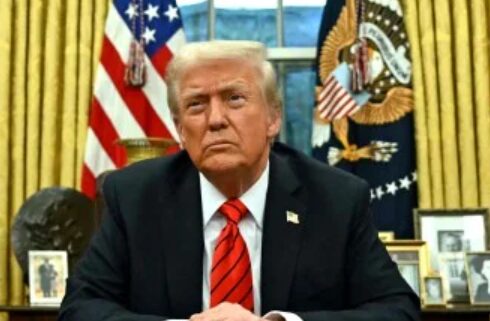
 [Sad News] Humanity could be wiped out by an asteroid collision in 2032. Probability rises to 2.2%
- Earn money through self-affiliation! Only these 5 ASPs have self-packs
- To make money with FX, it's important to know which company to use! 7 FX company comparison rankings
- Earn tons of extra money with point activities! 8 recommended points sites
- Earn money through surveys! How to choose a site? 7 recommended survey sites
- Earn money easily with game apps! 7 recommended and fun smartphone games

 Trump imposes "25% without exception" tariffs on steel and aluminum... What impact will this have on Japan?
- [Ministry of Health, Labour and Welfare] Data misinterpretation in 2012 survey on how child allowances are used: In 2019, it was discovered that 32% was misreported as being for entertainment, when in fact it was 0.9%. It was later discovered that the actual figure was for savings for children's futures, and the data was revised.
- [Governor Yoshimura] "As the population ages and the birthrate declines, if we do nothing, the burden on society will continue to increase. We need reforms to lower social insurance premiums."
- Takuro Morinaga reveals that the "national debt" was a lie told by the Ministry of Finance
- [Ministry of Finance] Government debt reaches record high of 1317 trillion yen
- Prime Minister Ishiba's shocking "Bankisha" remarks spark controversy: 151 trillion yen investment promised to President Trump → "It's something the private sector should do. It's not something the government should say" Internet in uproar
- [Congo] 150 female prisoners raped and burned to death after mass escape of male prisoners / In Japan, NPOs desperately trying to accept "Congolese refugees"; immigration advocates also enthusiastically support the move
- [Yuta Misaki] Tax revenues are at an all-time high, but real wages have been down for three consecutive years. Even if wages rise, more than half of them are lost to tax burdens, so it's like working for free for six months. Who would be convinced if they were told that "wages have risen" in this situation?
- Samsung plans to release new folding models, including a tri-fold smartphone, in 2025
- Osaka Prefecture to implement fourth round of "Rice Coupons" - Increased to 4 yen due to rising rice prices
 Keidanren: "6% wage increase for small and medium-sized companies is tough" - Comments on Rengo's demands
- [Ishiba Administration] EV purchase subsidy to be increased by up to 5 yen
- [Ministry of Health, Labour and Welfare] 5600 billion yen in living expenses loans waived during the COVID-XNUMX pandemic
- Government and ruling parties adjust plan to raise "103 million yen annual income barrier" to 150 million yen
- [Analysis by Heizo Takenaka] With President Trump inaugurated, the world economy "cannot improve" and "the standard of living of the American people will decrease"
- [Breaking News] Bank of Japan to decide on additional interest rate hike
- Minister of Economy, Trade and Industry Akazawa criticized the Democratic Party for the People, saying, "It is not as simple as just returning the increased tax revenue to the people."
- [Governor Kuroda, a former Finance Ministry employee] Lifetime salary of over 12 billion yen? He bought a multi-million-yen mansion with cash! It's an amazing system that increases the finance ministry's coffers when the consumption tax is raised!
- Tamogami: "Japan's total assets will be 2024 trillion yen by the end of 1!"
- "The dollar will be worth 1 yen" - Former Morgan Bank Tokyo branch manager gives final warning to Japan! "The day will soon come when banknotes will be worthless" - The yen's depreciation cannot be stopped any longer

 Yoshimoto Kogyo announces suspension of activities for affiliated talents due to "suspected compliance violations"
- [Sad news] Nakai Masahiro may be bankrupt due to numerous damages
- [Breaking News] Nakai Masahiro announces retirement from showbiz
- [Takafumi Horie] There was a tip-off that a Fuji TV executive forced him onto the set, saying, "You'll be able to see AKB48 in their underwear, right?"
- [All six of Nakai's regular shows are gone] TV Asahi announces the cancellation of "Masahiro Nakai's Saturday Gathering"
- [Breaking News] Request to suspend broadcast of "Kuishinbo! Banzai" / Kikkoman has been asked by Fuji Television to suspend the broadcast of the long-running program, which has been sponsored by only one company for 1 years, from the 50th.
- Come to think of it, back then I always felt uncomfortable seeing a group of women in red clothes and miniskirts just sitting in a row behind the MC of the show, not doing anything.
- Former female announcer Kanon Aoki said, "The production staff at Fuji TV are aggressive in a bad way. When I was an announcer, I couldn't get out of a Fuji production staff member's car until I kissed him and touched him, and when I refused, he got angry. I was mentally cornered and started taking drugs."
- [Yuta Misaki] I might get in trouble for saying this, but pensions are an investment product that you are forced to join and will definitely result in a loss. It's so crazy. Namu Amida Butsu.
- [Fifi] What was the real meaning behind calling Fuji TV's female announcers by adding "~pan~pan" to their names?

 Masahiro Nakai's case featured in Bloomberg
- Kyoko Koizumi: "Sigh... I guess tax returns are stupid. You should have paid your taxes first and then said this" - angry at politicians and the government for their secret funds
- [Fifi] If the number of foreigners who don't follow the rules increases, the impression of foreigners will get worse and they will become a nuisance, so I want them to be strictly regulated. Foreigners are the ones raising their voices in this regard, so this isn't exclusionary or anything.
- The information program desk said, "We were criticized for asking her sister, Shinobu Nakayama, for a comment, but the scene was orderly, and Shinobu's comments were not forced and were in accordance with the rules." → No regrets
- [Video] Katayama: "(SNS) is true and false. There is no punishment or check. You can say whatever you want and whoever says it first wins." Higashino: "It's the same on TV." → Higashino is stating a very reasonable opinion.
- Megumi Toshiaki's personal opinion on the results of the Hyogo Prefectural Governor election: "When I see a delinquent kid walking around with his grandma on his back, I think he might actually be a good guy." "He was a total bad guy..."
- A Korean copyright management organization revealed that "K-POP is not selling at all overseas," and calculated the amount of tax collected in each country...
- Hollywood celebrities who said they would leave the US if Trump was re-elected are actually fleeing the US
- Matsumoto Hitoshi is a total winner! He will be returning to his seven regular shows from the beginning of the new year!
- [Breaking News] Matsumoto Hitoshi's side to withdraw lawsuit and apologize for defamation lawsuit over weekly magazine article

Everyone's comments
- It is fine to cooperate with international organizations, but we need to be careful to ensure that it does not undermine Japan's sovereignty.
- Shouldn't the government do more to explain to the public how these institutions are involved in Japanese policy?
- Although Japan claims to be independent in its diplomacy, it seems to be subject to too much external influence. It should prioritize national interests more.
- The involvement of agencies like USAID sometimes makes one wonder whether Japan's aid policies are truly in the country's interest.
- Japan is in a position where it is vulnerable to pressure from the United States, but it should carefully consider to what extent it should tolerate the influence of such institutions.
- According to announcements from the Ministry of Foreign Affairs, Japan is cooperating quite proactively with international organizations, but I wonder what the intentions behind this are.
- If more people like Kamiya could explain these issues to the public in easy-to-understand terms, more people would become interested.
- While we do not intend to reject international cooperation, there is a danger that Japan's policy-making will lose its independence if it becomes too dependent on external organizations.
- The media should be covering these issues more extensively, so why is there so little coverage?
- In the diplomatic arena, American influence is inevitably strong, but if we continue to accept this as it is, I worry about what will happen to Japan's future.
- There needs to be more transparency about how Japan's tax money is being spent, and if they collaborate with outside organizations, they should clearly demonstrate the effectiveness of that collaboration.
- Is USAID's assistance really necessary? If there are areas that can be addressed through Japan's own policies, shouldn't that be given priority?
- Japan must not allow its policies to be indirectly manipulated through cooperation with outside organizations.
- In order to maintain its diplomatic independence, Japan needs to reconsider its approach to international cooperation more strategically.
- Looking at Japan's diplomacy to date, it seems to me that too many decisions have been made in line with American policy.
- It is a problem that the Japanese public has almost no opportunities to learn about the extent of involvement of international organizations.
- As Kamiya points out, in order to protect Japan's sovereignty, it is important to establish a diplomatic policy that is not too susceptible to outside influence.
- I feel that it is becoming increasingly important for us to gather information and make our own judgments, rather than simply relying on government announcements.
- There is nothing wrong with cooperating with external organizations, but it is necessary to build relationships that give top priority to Japan's national interests.
- In future foreign policy, I believe it is essential for Japan to not only rely on the United States, but also to have a solid strategy that is unique to Japan.
Editor A's opinion
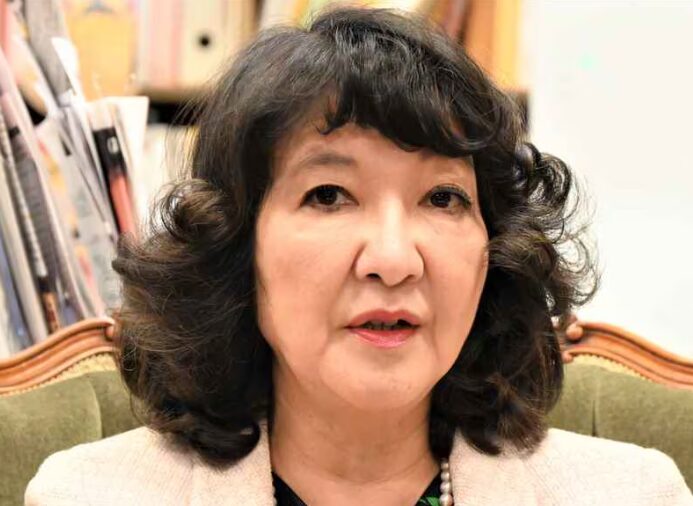
I was reminded of the influence of international organizations after watching the easy-to-understand explanation by the Democratic Party's Sohei Kamiya about the Department of Government Efficiency (DOGE) and the United States Agency for International Development (USAID). I don't usually pay much attention to the existence of these organizations, but it is worth noting that they may be deeply involved in Japanese policies.
First, regarding the Department of Government Efficiency (DOGE), this is one of the US administrative agencies, and it is said to be responsible for promoting administrative efficiency. However, in reality, it may affect the policies of each country under the pretext of monitoring and coordinating government agencies. We need to think carefully about whether this really exists only for "efficiency" or whether it has other intentions.
Another important issue for Japan is the United States Agency for International Development (USAID). Although USAID was established with the aim of providing assistance to developing countries, its influence is so great that it is no longer just an aid agency; it functions as a means of implementing US foreign policy.
For example, if we look at the type of cooperative relationship the Japanese government has with USAID, we can see that they are cooperating in areas such as global health and economic assistance, as stated in the official announcement by the Ministry of Foreign Affairs. However, if they go beyond the scope of simple international cooperation and are influencing Japan's policy decisions, doesn't that lead to the undermining of Japan's independence as a sovereign nation?
Kamiya emphasizes that the Japanese people should know what kind of relationship Japan has with these organizations and to what extent they are influenced by them. I completely agree with this point. As an independent nation, policy decisions should be based on Japan's national interests and should not be influenced by external organizations.
Furthermore, when we look at the activities of USAID, the funds are provided by the US government, and it is natural that activities are carried out with the US national interest as the top priority. In the past, it has been pointed out that there are aspects that differ from purely humanitarian aid, such as supporting specific political forces under the pretext of aiding developing countries. It cannot be said that such actions have not influenced Japanese policies.
Furthermore, when we consider how Japan's foreign policy is decided, it is problematic that the government has not provided sufficient explanation to the public. International cooperation is necessary, but if it is pursued in a way that undermines Japan's sovereignty, then it is necessary to reconsider this.
After all, Japan has developed since the end of the war while being strongly influenced by the United States. However, perhaps it is time to reconsider whether maintaining this relationship in the future is really in Japan's best interest.
Japan is also heavily dependent on the US in terms of economic and security policies. However, in the coming era, Japan should decide its policies from its own perspective and prioritize its own interests. In particular, Japan needs to clarify its position in diplomacy and take strategic measures to protect its national interests, rather than simply following the US.
Furthermore, these issues should be discussed in greater depth in Japanese politics. There are few opportunities for the public to learn about Japan's relations with international organizations and the extent to which it is influenced by foreign countries. The media should also be proactive in reporting on these issues, but in reality they rarely do.
If more people like Kamiya could explain these issues in an easy-to-understand way, public awareness would change. Currently, many people have no opportunity to think deeply about the impact of these international organizations. However, considering Japan's future, it is essential that these issues be discussed more openly and that the public take an interest in them.
The path Japan should take from now on is to decide its national policy independently, rather than being swayed by external influences. Even if it continues international cooperation, it needs to proceed in a way that protects Japan's national interests. To do this, it is important to first deepen discussion of these issues within Japan and monitor the government's response.
Finally, as Kamiya pointed out, it is most important for each and every citizen to gather information and make a calm judgment. We should think carefully about what kind of relationships we should have with international organizations, and whether these relationships will truly be beneficial for Japan.
Written by: Editorial Department A
Recent Posts
-
[X-people] "I wish something like this would appear in Japan too. This would save 12 trillion yen in Japanese yen..." DOGE saves $21 billion in just 820 days!
-
Increasing voices of opposition to "foreign firefighters": the misunderstanding that they will be "taken over" and what role they are expected to play in times of disaster - from AERA dot.
-
[X citizen] This is decisive. The project will be awarded to NHK. NHK is registered as a partner of USAID and JICA. USAID↔JICA↔NHK
-
[Satsuki Katayama] Introducing separate surnames for married couples in line with global standards is a "discussion one step behind the times" "On the contrary, only Japan has a family register with extremely strong legal negotiating power"
-
A South Korean lawmaker proposes a bill to punish those who praise Japan's colonial rule. Korean internet voices in support: "It's absolutely necessary."



Comment