
 Afrikaans
 Shqip
Shqip አማርኛ
አማርኛ العربية
 Հայերեն
 Azərbaycan dili
 Euskara
 Беларуская мова
 বাংলা
বাংলা Bosanski
 Български
 Català
 Cebuano
 Chichewa
 简体中文
简体中文 繁體中文
繁體中文 Corsu
Corsu Hrvatski
 Čeština
 Dansk
Dansk Nederlands
 English
 Esperanto
 Eesti
Eesti Filipino
 Suomi
Suomi Français
 Frysk
Frysk Galego
 ქართული
 Deutsch
 Ελληνικά
 ગુજરાતી
 Kreyol ayisyen
 Harshen Hausa
 Ōlelo Hawaiʻi
 עִבְרִית
 हिन्दी
 Hmong
Hmong Magyar
 Íslenska
 Igbo
Igbo Bahasa Indonesia
 Gaeilge
 Italiano
 日本語
日本語 Basa Jawa
 ಕನ್ನಡ
ಕನ್ನಡ Қазақ тілі
 ភាសាខ្មែរ
 한국어
한국어 كوردی
كوردی Кыргызча
 ພາສາລາວ
 Latin
Latin Latviešu valoda
 Lietuvių kalba
 Lëtzebuergesch
 Македонски јазик
 Malagasy
 Bahasa Melayu
 മലയാളം
 Maltese
 Te Reo Māori
 मराठी
मराठी Монгол
 ဗမာစာ
ဗမာစာ नेपाली
 Norsk bokmål
 پښتو
پښتو فارسی
فارسی Polski
 Português
 ਪੰਜਾਬੀ
 Română
 Русский
 Samoan
 Gàidhlig
 Српски језик
 Sesotho
 Shona
Shona سنڌي
سنڌي සිංහල
සිංහල Slovenčina
 Slovenščina
 Afsoomaali
 Español
 Basa Sunda
 Kiswahili
 Svenska
 Тоҷикӣ
 தமிழ்
தமிழ் తెలుగు
 ไทย
ไทย Türkçe
 Українська
 اردو
اردو O‘zbekcha
 Tiếng Việt
 Cymraeg
 isiXhosa
 יידיש
יידיש Yorùbá
 Zulu
Zulu

The following is from X
[Posted by Kamiyu Takayasu (Mizuno Masa)]
【重要】USAID provides $6 million to more than 2 accredited journalistsAt the same time,To silence conservative and independent mediaIn March 2020, Big Tech and legacy media launched a partnership called the Trusted News Initiative (TNI) to censor freedom of speech.Working together to ensure disinformation myths are stopped " and agreed.
Censorship of information and suppression of speech under the pretext of combating false informationHe was doing so.
そ し て,The TNI also includes Japan's NHK.His name was listed.


- main
-
Social Media
-
Sports
-
Animal
-
Domestic
-
Politics
-
Overseas
-
Features
-
Economy
-
Entertainment
 Osaka city council member's house burned down, body found in ruins, 12-year-old daughter not contactable, council member and second son also injuredNEW
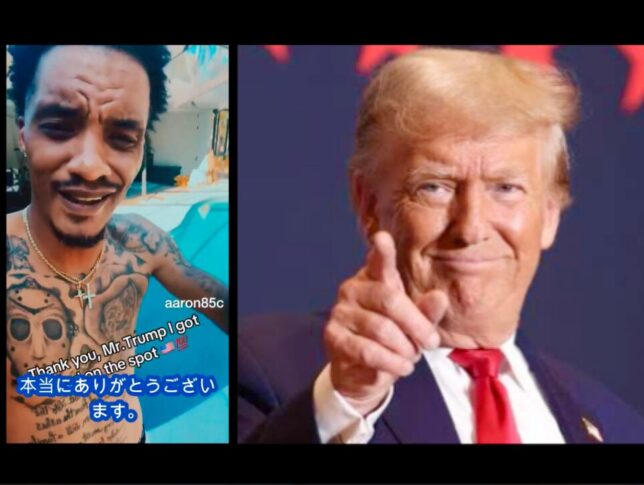
- Man in video: "Mr. Trump, if you hadn't taken measures against illegal immigration, I would have lost my job. I'm so grateful!" → Internet: "It's a lie that immigrants don't take jobs. Japan will follow the same path. Politicians should protect their own citizens."NEW
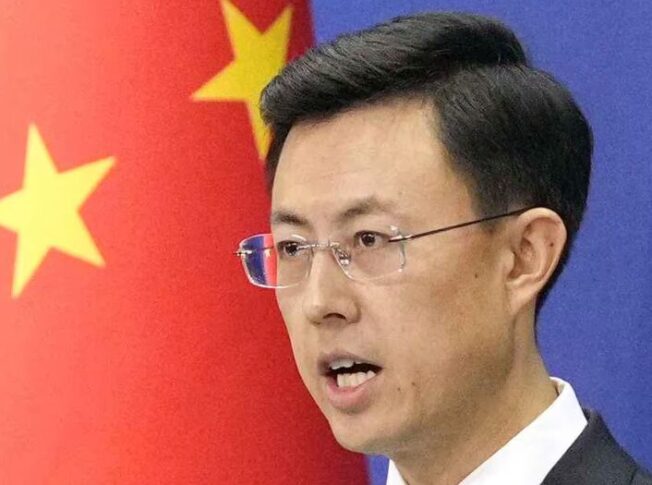
- China's Foreign Ministry announces that it has moved buoys around the Senkaku Islands, saying "Mission accomplished"NEW
- [Sad news] Of USAID's 6 trillion yen annual budget, only 7000% goes to life-saving aid activities such as hunger relief, while 5% goes to leftists, gender politics (LGBT), communists, and socialists...NEW
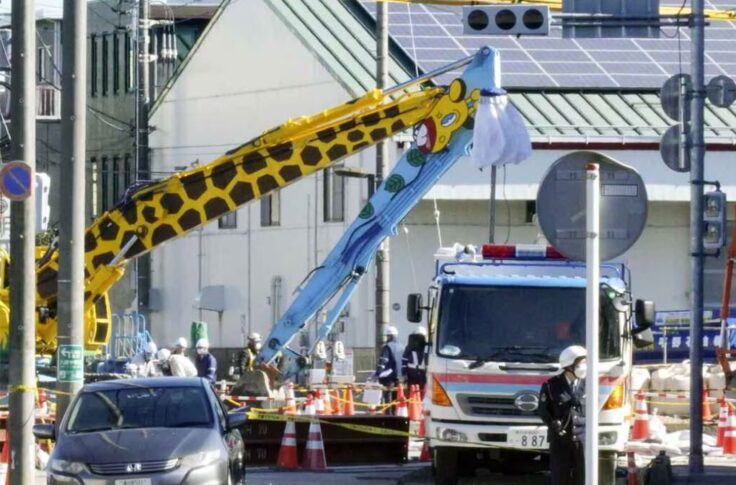
- Unknown male driver found in driver's seat of sewer pipe; Saitama prefecture and fire department to conduct search after road collapseNEW
- [Road collapse in Chiba, water pipe damaged?]NEW
- Ishiba: "Even if the number of children increases, it will be 18 years before they will be able to vote. By then, we won't be politicians anymore." ← The reason why politicians are uninterested in measures to combat the declining birthrateNotice
- Video [Chief Cabinet Secretary Hayashi] National debt of 1317 trillion yen is "the worst level in the world as a percentage of GDP" Raising the 103 million yen threshold "needs discussion in light of the severe fiscal situation"
- Was Prime Minister Ishiba's "elbow handshake" surprisingly effective? Experts explain behavior at the Japan-US summit - Society: Nikkan Sports
- Video [X-min] "TV is full of lies." I wonder if this perception is spreading?

 [X-min] As with Johnny Somali, the government and police are too lenient. Arrest him immediately and kick him out of Japan. / [Video] A foreign nuisance streamer throws a snowball at a staff member's face at the Sapporo Snow Festival. The staff member's lip is cut and bleeding.
- Japan is a "Havena of Industrial Espionage" - Mechanisms to Prevent Technology Lifting Are Lax
- [X people] It seems that TV stations want to regulate SNS, but I'm glad that Elon Musk bought X. If it was a Japanese SNS, it would be over.
- [Korea] 7-year-old elementary school student stabbed to death by female teacher
- An Indian man married a Filipino woman who has a daughter with Japanese nationality... He was released from detention even though he didn't have a resident status. Even though they're not related by blood, they're family with a Japanese stepchild, so he was able to get a resident status... It's just crazy.
- Video [Communist Party's Kazuo Shii] "We need a political party that has the courage to speak the truth" - Communist Party's Kazuo Shii praises Yamazoe for his criticism of the Japan-US summit
- [X-min] There is no doubt that NHK's "Wings on a Tiger" is a USAID-led propaganda drama to promote separate surnames for married couples, LGBT, and same-sex marriage. NHK is dangerous and should be dismantled as soon as possible.
- Video [Elon] "The bigger the government, the more laws, regulations, and regulatory agencies we have, and the more we take away individual freedom. It's essential that we unwind it and restore our freedom. Doing so will bring greater prosperity and happiness."
- Joker Councilman Kawai: "What is going on in this country that a concert by members of the PKK [a Kurdish armed group] isn't cancelled, but a concert by the Self-Defense Forces is cancelled!!"
- Tokyo Metropolitan Police Department, Tokyo Immigration Bureau, and Japan Federation of Administrative Scriveners Associations sign agreement to prevent fraudulent applications for residence status by foreigners

 Prime Minister Abe tells Trump that Japan will decide future defense spending
- [Governor Yoshimura] "As the population ages and the birthrate declines, if we do nothing, the burden on society will continue to increase. We need reforms to lower social insurance premiums."
- [Japan Tourism Agency] Subsidies of up to 8000 million yen to curb overtourism: Tourists are supposed to stimulate the economy, but the burden is increasing... A policy full of contradictions: explanatory meeting to be held
- Elon: "The scariest thing is that the government holds personal information. How much trust did you have in the deep state? PayPal has financial data on over 1 million people, but it has never been misused."
- [Honkon-san] Japanese media: What is USAID? Can you report on it?
- President Trump orders Pentagon investigation: "I'm going to investigate the military and we're going to find billions, maybe hundreds of billions of dollars of fraud and waste."
- [Breaking News] The Ministry of Education has been abolished
- "Perfect" and "80 points": High praise from experts on TBS's "N-Cast" for Prime Minister Shigeru Ishiba-President Trump meeting
- Prime Minister Shigeru Ishiba's message on National Foundation Day: "Building a safe nation"
- [X people] Elon Musk is really amazing for buying X and fighting USAID. History can change dramatically with one person.
 Man re-arrested on "Rabbit Island" for kicking rabbit and putting it in its mouth
- [Mr. GACKT] The post of **USAID (United States Agency for International Development)**, which was dismantled by President Trump, has been trending on X nearly 220 million times. However, it has received very little coverage in the Japanese media.
- [Kotoe Hashimoto] I think he's mistaken, like the creepy male college student from Kitakyushu who confessed to me thinking that I could do it, just because I was a little kind to him. / [I think the Prime Minister and Trump would get along well]
- Chinese people "send their children to Tokyo University" - the chain of educational migration continues
- Takuro Morinaga reveals that the "national debt" was a lie told by the Ministry of Finance
- [Ministry of Finance] Government debt reaches record high of 1317 trillion yen
- [I think the Prime Minister and Trump will get along well]
- [Elon] DOGE team discovers $5900 million in FEMA (Federal Emergency Management Agency) transfers; funds intended for disaster relief were diverted to a luxury hotel for illegal immigrants; demand for return
- Japan and South Korea should "approach China and bring it to our side" regarding North Korea, Zelensky says
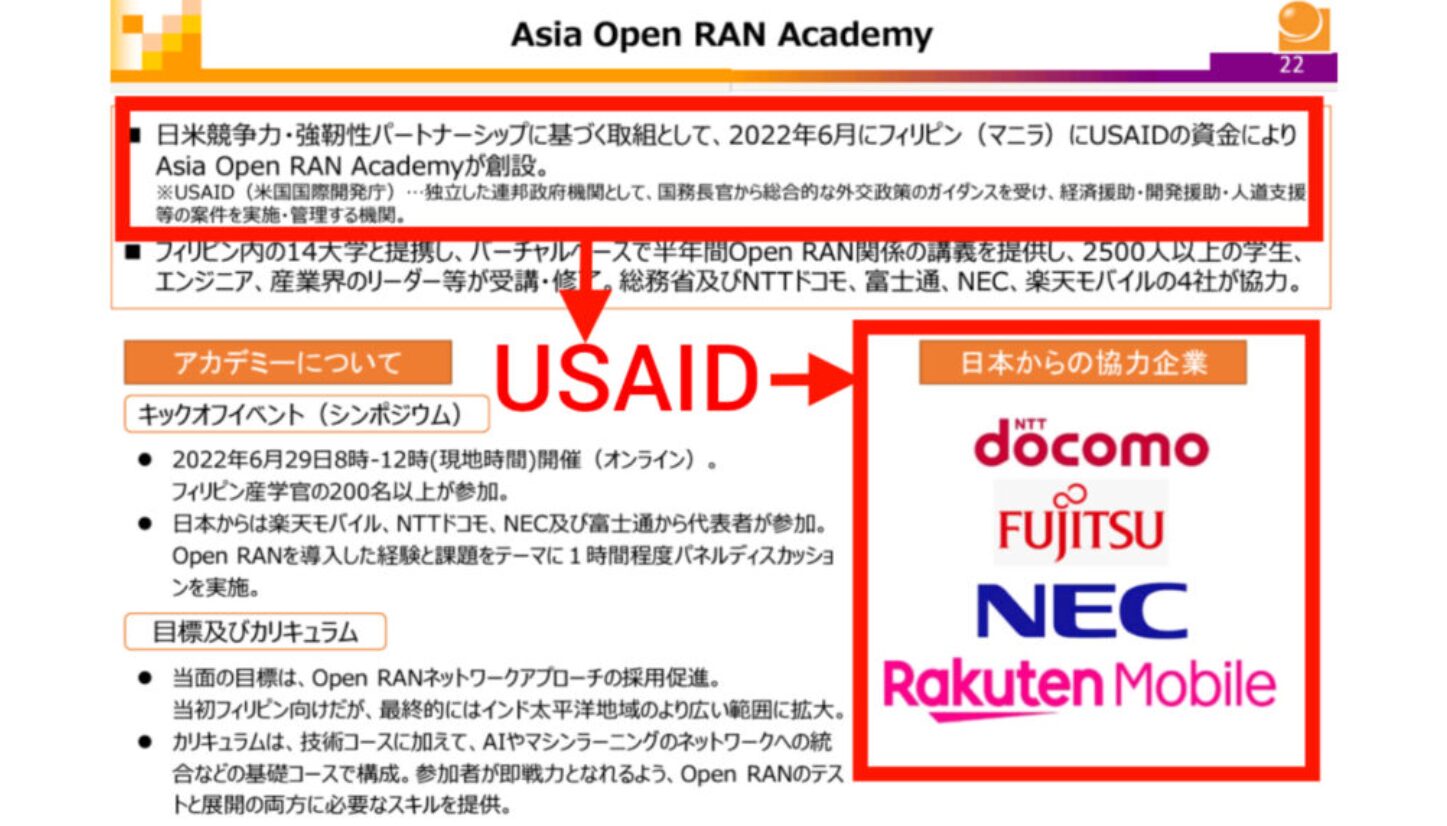
- This was also when Fumio Kishida was Prime Minister. [Update] When I dug into the Ministry of Internal Affairs and Communications, I found four companies. NTT Docomo, Fujitsu, NEC, and Rakuten Group. Is the darkness too deep? USAID has been dismantled and its website is completely blank.

 All the headlines are the same. Terrible information control. CIA plots are in full swing in the US. They are trying to program the people to be mindless robots, but it's failing because of Elon Musk's 𝕏. The same is true in Japan.
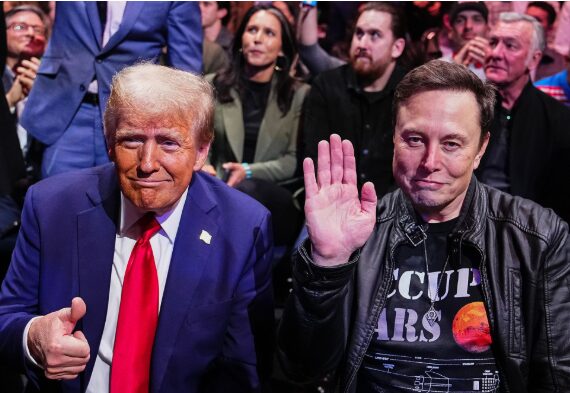
- BREAKING: President Trump has authorized Elon Musk to hire 45 new DOGE agents to control and audit the FBI, CIA, and Department of Defense.
- [Presidential Order] Sanmoni: "Where can transgender people play sports!?"
- [X-min] Spread the word!! NHK, don't cover it up
- [Kotoe Hashimoto] Everyone says the meeting with Shigeru Ishiba was a success! / President Trump today imposed a 25% tariff on steel and aluminum products from Japan.
- Prime Minister Ishiba's shocking "Bankisha" remarks spark controversy: 151 trillion yen investment promised to President Trump → "It's something the private sector should do. It's not something the government should say" Internet in uproar
- [Video] Councilman Kamiya gives a clear explanation. / Department of Government Efficiency (DOGE) / United States Agency for International Development (USAID)
- Heizo Takenaka: "Raise the age for receiving pensions to 70. I believe that in the near future, Japanese people will be working until they are 80 or 90 years old."
- Myakumyaku to be made into an anime by NHK
- [Breaking News] President Trump's plan to impose 25% tariffs on steel and aluminum products applies to all countries, US media reports
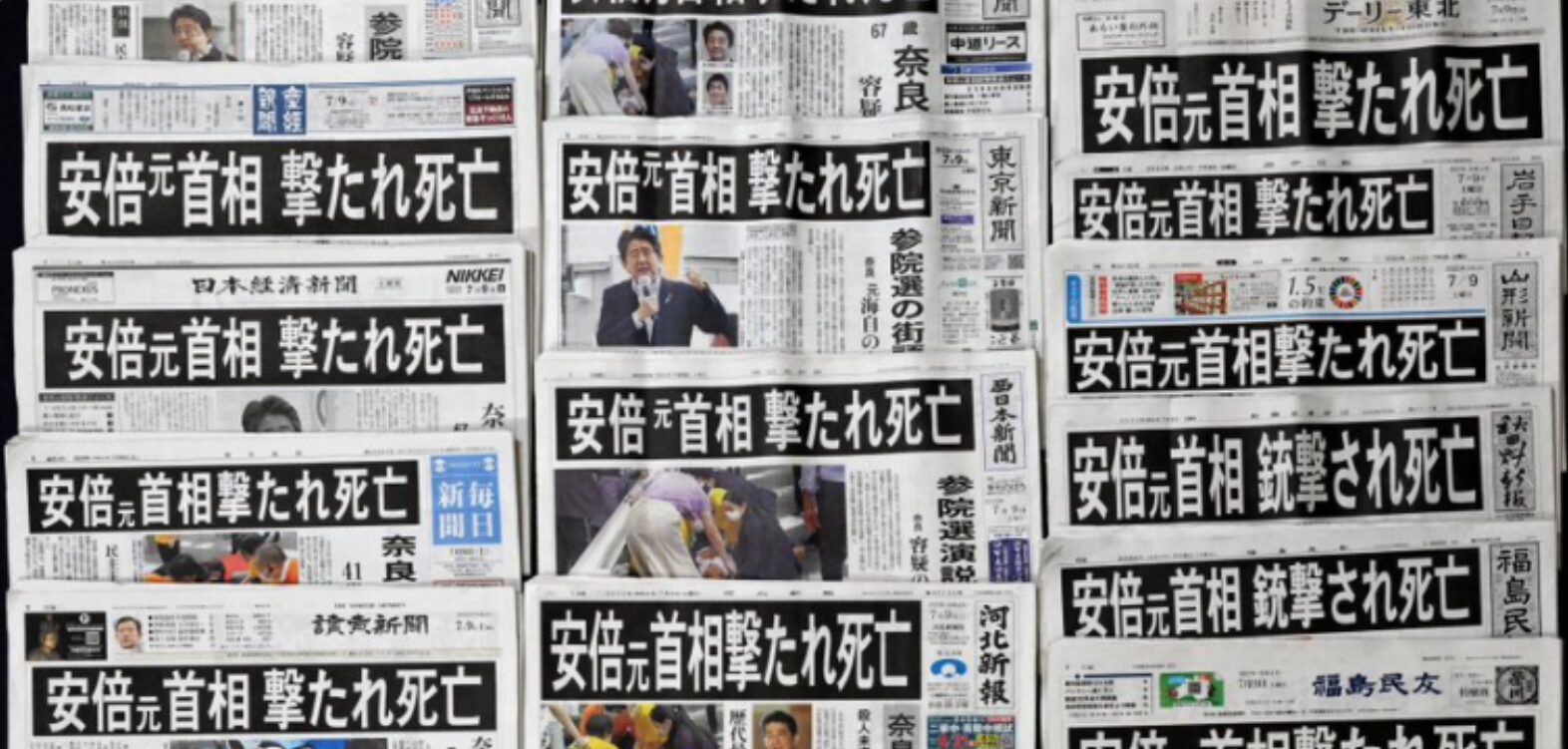
 Video [Prime Minister's Office] Japan-US summit meeting, joint press conference, etc. / Internet "You're good at cutting!" "Please investigate the USAID issue!"
- USAID provides $6 million to over 2 accredited journalists and funds them to suppress conservative media. TNI is established to censor information and suppress speech under the pretext of combating false information. It is discovered that Japan's NHK was also involved.
- Liberal Democratic Party presents proposal for social media restrictions during elections... Amendment to the Information Privacy Act to prevent profit-making activities in the name of election campaigns
- [SNS] X, "Community" posts now visible to everyone, users confused, "Worst update ever"
- [Breaking News] Today's Sazae-san with no sponsors and zero sponsors makes NicoNico Live even more excited than last week lol (video included)
- [Cybozu CEO Aono] Separate surnames for married couples is "a necessity, and everyone from individuals to the Japan Business Federation has been calling for it..." Internet → "The Japan Business Federation and the Japan Federation of Bar Associations are forcing it..." "But changing the system is going to cost a ton of money"
- Video [Sad news] Assassin's Creed Yasuke "can attack Japanese people as much as he wants" but can't attack white people, sparking outrage lol
- [Sad news] Freedom in Japan is about to disappear due to SNS and speech restrictions... The government can decide whether information is correct or not. However, TV is not subject to this, so the government can freely broadcast any information that suits its needs, even if it is a lie.
- [Moe Fukada] "If you want us to stop using anonymous accounts on social media, then first ban politicians from using aliases! We don't even know where you're from or what your real names are," a scathing remark to Rui Matsukawa
- Restrictions on Deepseek usage spreading Hundreds of companies and government agencies worldwide concerned about data leaks
 I am a foreigner and a linguist, and I am certain that Japan does not need another official language, and that if it were to make English the official language, it would be cultural suicide.
- [Chinese AI chat] Deep Seek was asked to write 10 scenarios for the collapse of the current Chinese government, and the answers were insane!
- [Collecting more taxes than necessary is legal robbery.] Please put this up in the National Diet!!
- [China] TikTok US business considering sale to Musk - X may acquire management rights
- [Hosei University Hammer Incident] Chinese internet praises the culprit: "Korean female college student is a hero," "Korean Hammer Queen," "I order this female college student to become the president of South Korea"
- [Third generation Korean resident] I am speaking as a naturalized Korean born in Japan. The reason why people are being asked to give up their Korean names is not because they are criminals, but because they have the attribute of being a Korean resident in Japan. As a sign of sincerity to the Japanese people, they should take the initiative in giving up their Korean resident privileges.
- [Sad news] He has finally started writing that he lives in the Kawaguchi Autonomous Region of China. Japan is now treated as an autonomous region by the Chinese.
- It really hurts to be called a racist for simply tweeting a population figure...
- [Breaking News] Iwaya X deletes and escapes
- It seems that TV stations want to regulate SNS, but I'm glad that Elon Musk bought X. If it was a Japanese SNS, it would be over.

 [Presidential Order] Sanmoni: "Where can transgender people play sports!?"
- [Former Japanese women's national team member and JOC director, who is publicly out as transgender] Criticizes Trump for banning trans athletes, calling it "discrimination against LGBTQ+ people" and "political exploitation"
- [Breaking News] Mizuhara Ippei Sentenced to 4 Years and 9 Months in Prison for Stealing Over 25 Billion Yen from Dodgers' Otani Shohei's Account
- [Fuji TV] It was discovered that the show had previously been written as "Korea-Japan Match"
- [Nippon Ham] Manager Tsuyoshi Shinjo: "Don't let Korea in" "There are too many dead balls" - Refuses to play a game against the Korean professional baseball team
- Elementary school student karate tournament: Athlete's association apologizes for dangerous behavior, announces punishment for second, suspends indefinitely, and covers medical expenses
- [Video] Ohtani stubbornly refuses to speak English when asked to do so in an interview, but speaks fluent English in his speech to all Dodgers fans at the victory parade
- [Video] Otani refuses to be interviewed by Fuji TV after his house was exposed lol
- Shohei Ohtani achieves his long-awaited first World Series victory! The Dodgers defeat the Yankees to become world champions for the 4th time in 8 years. In his first PS, he played in every game and hit 3 home runs.
- [Breaking News] Dodgers win, moving on to a dream showdown with the Yankees in the World Series!

 [Video] Chinese manager headbutts referee
- [Chinese soccer supporters] Shouting "Kill them! Kill them! Kill them!" during a match against Japan
- Video [Breaking News] Ohtani becomes the first player in history to hit 50 home runs and steal 50 bases with home runs in two consecutive at-bats -- Major League Baseball
- A Korean player elbows a Japanese player and breaks his front tooth. It is up to you to decide whether it was intentional or not.
- [Flooded with criticism!] Japan national team victim of laser pointer attack... Bahraini spectators' malicious disruption → "Disgusting behavior" and "Low level of civility" trend on X - World Cup Asian final qualifying round


 Osaka city council member's house burned down, body found in ruins, 12-year-old daughter not contactable, council member and second son also injuredNEW
- Unknown male driver found in driver's seat of sewer pipe; Saitama prefecture and fire department to conduct search after road collapseNEW
- [Road collapse in Chiba, water pipe damaged?]NEW
- Video [X-min] "TV is full of lies." I wonder if this perception is spreading?
- [X-min] As with Johnny Somali, the government and police are too lenient. Arrest him immediately and kick him out of Japan. / [Video] A foreign nuisance streamer throws a snowball at a staff member's face at the Sapporo Snow Festival. The staff member's lip is cut and bleeding.
- Japan is a "Havena of Industrial Espionage" - Mechanisms to Prevent Technology Lifting Are Lax
- [X people] It seems that TV stations want to regulate SNS, but I'm glad that Elon Musk bought X. If it was a Japanese SNS, it would be over.
- An Indian man married a Filipino woman who has a daughter with Japanese nationality... He was released from detention even though he didn't have a resident status. Even though they're not related by blood, they're family with a Japanese stepchild, so he was able to get a resident status... It's just crazy.
- [X-min] There is no doubt that NHK's "Wings on a Tiger" is a USAID-led propaganda drama to promote separate surnames for married couples, LGBT, and same-sex marriage. NHK is dangerous and should be dismantled as soon as possible.
- Tokyo Metropolitan Police Department, Tokyo Immigration Bureau, and Japan Federation of Administrative Scriveners Associations sign agreement to prevent fraudulent applications for residence status by foreigners
 [Japan Tourism Agency] Subsidies of up to 8000 million yen to curb overtourism: Tourists are supposed to stimulate the economy, but the burden is increasing... A policy full of contradictions: explanatory meeting to be held
- [Honkon-san] Japanese media: What is USAID? Can you report on it?
- "Perfect" and "80 points": High praise from experts on TBS's "N-Cast" for Prime Minister Shigeru Ishiba-President Trump meeting
- Man re-arrested on "Rabbit Island" for kicking rabbit and putting it in its mouth
- [Mr. GACKT] The post of **USAID (United States Agency for International Development)**, which was dismantled by President Trump, has been trending on X nearly 220 million times. However, it has received very little coverage in the Japanese media.
- [Kotoe Hashimoto] I think he's mistaken, like the creepy male college student from Kitakyushu who confessed to me thinking that I could do it, just because I was a little kind to him. / [I think the Prime Minister and Trump would get along well]
- Chinese people "send their children to Tokyo University" - the chain of educational migration continues
- This was also when Fumio Kishida was Prime Minister. [Update] When I dug into the Ministry of Internal Affairs and Communications, I found four companies. NTT Docomo, Fujitsu, NEC, and Rakuten Group. Is the darkness too deep? USAID has been dismantled and its website is completely blank.
- Heizo Takenaka: "Raise the age for receiving pensions to 70. I believe that in the near future, Japanese people will be working until they are 80 or 90 years old."
- Myakumyaku to be made into an anime by NHK
 China's Foreign Ministry announces that it has moved buoys around the Senkaku Islands, saying "Mission accomplished"NEW
- Ishiba: "Even if the number of children increases, it will be 18 years before they will be able to vote. By then, we won't be politicians anymore." ← The reason why politicians are uninterested in measures to combat the declining birthrateNotice
- Video [Chief Cabinet Secretary Hayashi] National debt of 1317 trillion yen is "the worst level in the world as a percentage of GDP" Raising the 103 million yen threshold "needs discussion in light of the severe fiscal situation"
- Was Prime Minister Ishiba's "elbow handshake" surprisingly effective? Experts explain behavior at the Japan-US summit - Society: Nikkan Sports
- Video [Communist Party's Kazuo Shii] "We need a political party that has the courage to speak the truth" - Communist Party's Kazuo Shii praises Yamazoe for his criticism of the Japan-US summit
- Joker Councilman Kawai: "What is going on in this country that a concert by members of the PKK [a Kurdish armed group] isn't cancelled, but a concert by the Self-Defense Forces is cancelled!!"
- Prime Minister Abe tells Trump that Japan will decide future defense spending
- Prime Minister Shigeru Ishiba's message on National Foundation Day: "Building a safe nation"
- [I think the Prime Minister and Trump will get along well]
- All the headlines are the same. Terrible information control. CIA plots are in full swing in the US. They are trying to program the people to be mindless robots, but it's failing because of Elon Musk's 𝕏. The same is true in Japan.
 [X-min] Spread the word!! NHK, don't cover it up
- [Kotoe Hashimoto] Everyone says the meeting with Shigeru Ishiba was a success! / President Trump today imposed a 25% tariff on steel and aluminum products from Japan.
- [Video] Councilman Kamiya gives a clear explanation. / Department of Government Efficiency (DOGE) / United States Agency for International Development (USAID)
- [X-min] The Ministry of Foreign Affairs website clearly states that the Kishida administration is a pawn of USAID
- [Video] We have promised to invest 151 trillion yen, but how will we achieve this? Prime Minister Ishiba: "The private sector will do it. It's not something the government should have any say in."
- [Breaking News] Wakayama Prefectural LDP to field Nikai Toshihiro's third son, Nikai Nobuyasu, in the House of Councillors election
- Video [X-min] On April 4th last year, Taro Aso met with Trump. What do you think of this cool appearance? Trump is full of praise for Aso. It's a world apart from Prime Minister Ishiba's Japan-US summit meeting.
- [Sad news] Highly educated people who blindly believe in the left-wing authority of the SDGs are indifferent to paper straws wrapped in plastic or plastic coffee lids. They seem to be hopelessly stupid and unable to notice the contradictions.
- [ASKA] "It seems that America is in a frenzy right now over the USAID issue. Of course, it's frenzy from the moment they woke up. Only Japanese people who are involved in the 𝕏 know about it."
- [Spread] It was revealed that a member of parliament made a special trip to visit the now-popular "USAID"
 Man in video: "Mr. Trump, if you hadn't taken measures against illegal immigration, I would have lost my job. I'm so grateful!" → Internet: "It's a lie that immigrants don't take jobs. Japan will follow the same path. Politicians should protect their own citizens."NEW
- [Sad news] Of USAID's 6 trillion yen annual budget, only 7000% goes to life-saving aid activities such as hunger relief, while 5% goes to leftists, gender politics (LGBT), communists, and socialists...NEW
- [Korea] 7-year-old elementary school student stabbed to death by female teacher
- Video [Elon] "The bigger the government, the more laws, regulations, and regulatory agencies we have, and the more we take away individual freedom. It's essential that we unwind it and restore our freedom. Doing so will bring greater prosperity and happiness."
- Elon: "The scariest thing is that the government holds personal information. How much trust did you have in the deep state? PayPal has financial data on over 1 million people, but it has never been misused."
- President Trump orders Pentagon investigation: "I'm going to investigate the military and we're going to find billions, maybe hundreds of billions of dollars of fraud and waste."
- [Breaking News] The Ministry of Education has been abolished
- [X people] Elon Musk is really amazing for buying X and fighting USAID. History can change dramatically with one person.
- [Elon] DOGE team discovers $5900 million in FEMA (Federal Emergency Management Agency) transfers; funds intended for disaster relief were diverted to a luxury hotel for illegal immigrants; demand for return
- Japan and South Korea should "approach China and bring it to our side" regarding North Korea, Zelensky says
 BREAKING: President Trump has authorized Elon Musk to hire 45 new DOGE agents to control and audit the FBI, CIA, and Department of Defense.
- [Breaking News] President Trump's plan to impose 25% tariffs on steel and aluminum products applies to all countries, US media reports
- [South Korea] Concerns over Japan's "huge gift to Trump"... Diplomatic stagnation due to the president's impeachment issue, "Options for US-South Korea relations narrow further"
- President Trump has announced plans to deport illegal immigrants currently receiving Social Security benefits.
- Former TV Tokyo announcer Ikeya: "Chinese people are highly conscious of manners and morals"
- ICC President Akane calls for "protecting court" from Trump's sanctions; 79 countries support statement; Japan does not join
- Federal judge blocks Musk and others from accessing Department of Government Efficiency (DOGE) data, likely due to Democratic pressure
- USAID is sending $5 million of taxpayer money to the Internews Network, which works with over 4000 media outlets to "counter disinformation." Is this a state propaganda network led by Jeanne Bourgaud, who makes $50 a year?
- Elon Musk says he has no plans to buy TikTok's US business
- USAID has 272 million posts on X trends. I've never seen anything like this before. But I don't watch it on TV.
 [Sad News] Humanity could be wiped out by an asteroid collision in 2032. Probability rises to 2.2%
- Earn money through self-affiliation! Only these 5 ASPs have self-packs
- To make money with FX, it's important to know which company to use! 7 FX company comparison rankings
- Earn tons of extra money with point activities! 8 recommended points sites
- Earn money through surveys! How to choose a site? 7 recommended survey sites
- Earn money easily with game apps! 7 recommended and fun smartphone games

 [Governor Yoshimura] "As the population ages and the birthrate declines, if we do nothing, the burden on society will continue to increase. We need reforms to lower social insurance premiums."
- Takuro Morinaga reveals that the "national debt" was a lie told by the Ministry of Finance
- [Ministry of Finance] Government debt reaches record high of 1317 trillion yen
- Prime Minister Ishiba's shocking "Bankisha" remarks spark controversy: 151 trillion yen investment promised to President Trump → "It's something the private sector should do. It's not something the government should say" Internet in uproar
- [Congo] 150 female prisoners raped and burned to death after mass escape of male prisoners / In Japan, NPOs desperately trying to accept "Congolese refugees"; immigration advocates also enthusiastically support the move
- [Yuta Misaki] Tax revenues are at an all-time high, but real wages have been down for three consecutive years. Even if wages rise, more than half of them are lost to tax burdens, so it's like working for free for six months. Who would be convinced if they were told that "wages have risen" in this situation?
- Samsung plans to release new folding models, including a tri-fold smartphone, in 2025
- Osaka Prefecture to implement fourth round of "Rice Coupons" - Increased to 4 yen due to rising rice prices
- Keidanren: "6% wage increase for small and medium-sized companies is tough" - Comments on Rengo's demands
- [Ishiba Administration] EV purchase subsidy to be increased by up to 5 yen
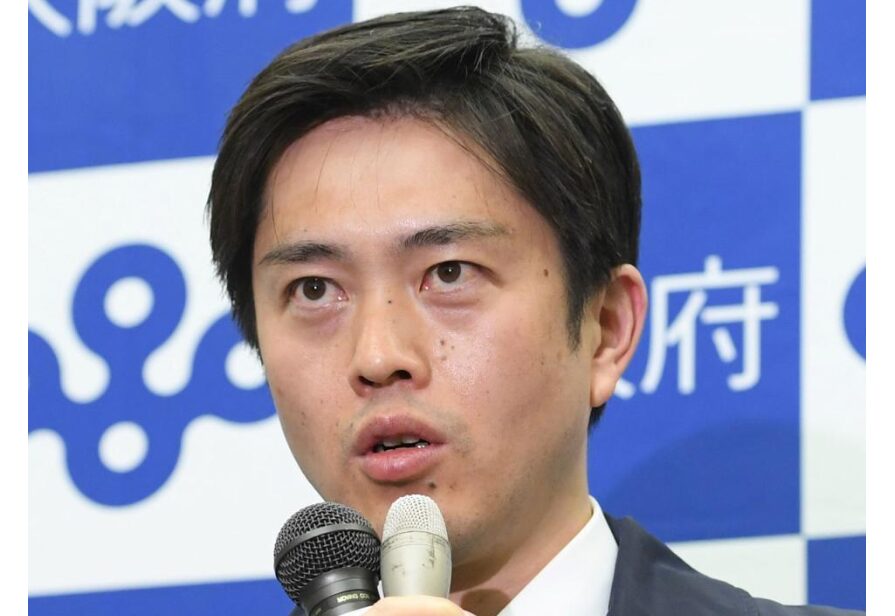
 [Ministry of Health, Labour and Welfare] 5600 billion yen in living expenses loans waived during the COVID-XNUMX pandemic
- Government and ruling parties adjust plan to raise "103 million yen annual income barrier" to 150 million yen
- [Analysis by Heizo Takenaka] With President Trump inaugurated, the world economy "cannot improve" and "the standard of living of the American people will decrease"
- [Breaking News] Bank of Japan to decide on additional interest rate hike
- Minister of Economy, Trade and Industry Akazawa criticized the Democratic Party for the People, saying, "It is not as simple as just returning the increased tax revenue to the people."
- [Governor Kuroda, a former Finance Ministry employee] Lifetime salary of over 12 billion yen? He bought a multi-million-yen mansion with cash! It's an amazing system that increases the finance ministry's coffers when the consumption tax is raised!
- Tamogami: "Japan's total assets will be 2024 trillion yen by the end of 1!"
- "The dollar will be worth 1 yen" - Former Morgan Bank Tokyo branch manager gives final warning to Japan! "The day will soon come when banknotes will be worthless" - The yen's depreciation cannot be stopped any longer
- [Prime Minister Ishiba] Request for cooperation in passing on price hikes to ensure wage increases that do not fall behind inflation
- Chief Cabinet Secretary Yoshimasa Hayashi: "There is no such thing as tax revenue that can be lost"... Discusses the 103 million yen barrier and the provisional gasoline tax rate
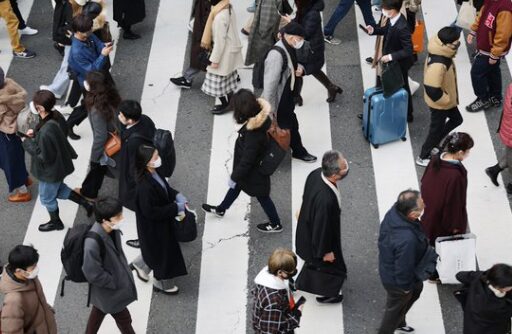
 Yoshimoto Kogyo announces suspension of activities for affiliated talents due to "suspected compliance violations"
- [Sad news] Nakai Masahiro may be bankrupt due to numerous damages
- [Breaking News] Nakai Masahiro announces retirement from showbiz
- [Takafumi Horie] There was a tip-off that a Fuji TV executive forced him onto the set, saying, "You'll be able to see AKB48 in their underwear, right?"
- [All six of Nakai's regular shows are gone] TV Asahi announces the cancellation of "Masahiro Nakai's Saturday Gathering"
- [Breaking News] Request to suspend broadcast of "Kuishinbo! Banzai" / Kikkoman has been asked by Fuji Television to suspend the broadcast of the long-running program, which has been sponsored by only one company for 1 years, from the 50th.
- Come to think of it, back then I always felt uncomfortable seeing a group of women in red clothes and miniskirts just sitting in a row behind the MC of the show, not doing anything.
- Former female announcer Kanon Aoki said, "The production staff at Fuji TV are aggressive in a bad way. When I was an announcer, I couldn't get out of a Fuji production staff member's car until I kissed him and touched him, and when I refused, he got angry. I was mentally cornered and started taking drugs."
- [Yuta Misaki] I might get in trouble for saying this, but pensions are an investment product that you are forced to join and will definitely result in a loss. It's so crazy. Namu Amida Butsu.
- [Fifi] What was the real meaning behind calling Fuji TV's female announcers by adding "~pan~pan" to their names?

 Masahiro Nakai's case featured in Bloomberg
- Kyoko Koizumi: "Sigh... I guess tax returns are stupid. You should have paid your taxes first and then said this" - angry at politicians and the government for their secret funds
- [Fifi] If the number of foreigners who don't follow the rules increases, the impression of foreigners will get worse and they will become a nuisance, so I want them to be strictly regulated. Foreigners are the ones raising their voices in this regard, so this isn't exclusionary or anything.
- The information program desk said, "We were criticized for asking her sister, Shinobu Nakayama, for a comment, but the scene was orderly, and Shinobu's comments were not forced and were in accordance with the rules." → No regrets
- [Video] Katayama: "(SNS) is true and false. There is no punishment or check. You can say whatever you want and whoever says it first wins." Higashino: "It's the same on TV." → Higashino is stating a very reasonable opinion.
- Megumi Toshiaki's personal opinion on the results of the Hyogo Prefectural Governor election: "When I see a delinquent kid walking around with his grandma on his back, I think he might actually be a good guy." "He was a total bad guy..."
- A Korean copyright management organization revealed that "K-POP is not selling at all overseas," and calculated the amount of tax collected in each country...
- Hollywood celebrities who said they would leave the US if Trump was re-elected are actually fleeing the US
- Matsumoto Hitoshi is a total winner! He will be returning to his seven regular shows from the beginning of the new year!
- [Breaking News] Matsumoto Hitoshi's side to withdraw lawsuit and apologize for defamation lawsuit over weekly magazine article

According to the BBC:
What is TNI?
The Trusted News Initiative is It is a unique global partnership that brings together organizations across the media and technology sectors to combat harmful disinformation in real time. The partnership focuses on moments of potential danger that could threaten lives or the integrity of our democracy, particularly during elections.
The partners will alert each other to high-risk misinformation and enable platforms to quickly review content,Publishers should ensure that dangerous misinformation is not unwittingly shared.
Improving understanding of how to combat and report harmful disinformation is at the core of TNI. Regular forums allow partners to share insights and editorial and technical best practices. This learning is made public through an annual conference featuring speakers from across partner organizations.
The disinformation landscape is constantly changing, and TNI partners are exploring new engineering approaches to tackle the problem, including supporting efforts like Project Origin and C2PA to maintain trust in news from trusted providers.
I think it's really important that we work with other partners, like the Trusted News Initiative. This whole issue can be pretty daunting when you look at the scale of change that's happening. This is a time when we need a coalition of the willing, working with partners so we can build the scale and standards and systems to fight disinformation. — Tim Davie, director general of the BBC
TNI has 23 members and recently expanded to include media organizations in the Asia-Pacific region. We celebrated this expansion by hosting the 2023 Trust in News Conference in Delhi, where members, old and new, reflected on the challenges in their regions.
Who is involved?
AP, AFP, BBC, CBC/Radio-Canada, European Broadcasting Union (EBU), Financial Times, Information Futures Lab, Google/YouTube, The Hindu, The Nation Media Group, Meta, Microsoft, Thomson Reuters, Reuters Institute for the Study of Journalism, Twitter, The Washington Post, Kompas (Indonesia), Dawn (Pakistan), Indian Express, NDTV (India), ABC (Australia), SBS (Australia),NHK (Japan)[See source for full text...]
According to Lake Shore Public Radio
The Trump administration has placed most of the U.S. Agency for International Development on administrative leave.The decision to freeze most of the agency's budget could have devastating effects around the world. Trump adviser Elon Musk has alleged, without providing evidence, that the agency is corrupt and "criminal." Until recently, the United States was the world's largest foreign aid donor. [Read the full story at the source...]
→ United States Agency for International Development= United States Agency for International Development (USAID)
引用元 https://www.bbc.co.uk/beyondfakenews/trusted-news-initiative/about-us/
https://www.nhk.or.jp/info/otherpress/pdf/2022/20221115.pdf
Everyone's comments
- >Japan's NHK was also listed in this TNI.
- Are journalists now just information brokers? As Elon always says, "You are the medium" in this day and age. Isn't it true that journalists are professionals who can improve their works to be true?
- I hope that NHK will no longer collect reception fees from the Japanese people. From now on, they will have to survive by getting money from USAID and the Davos Conference.
- What? USAID money was also flowing to NHK, which is a public broadcaster that collects high reception fees from the public. Not only Fuji TV but NHK itself must be dismantled.
- Is this the reason why NHK was so happy to report on the Japanese government's crackdown on social media?
Editor B’s opinion
It has been revealed that the United States Agency for International Development (USAID) has spent $6 million on more than 2 accredited journalists, and millions more to silence conservative and independent media, exposing the extent to which freedom of speech has been distorted.
In March 2020, a partnership called the Trusted News Initiative (TNI) was established between Big Tech and legacy media. This was formed under the pretext of "working together to ensure that false information myths are prevented," but in reality, information censorship and suppression of speech were carried out under the guise of "countermeasures against false information." In other words, information that is inconvenient for some media and governments has been treated as "false information" and subject to censorship.
It is worth noting that Japan's NHK was also listed in the TNI. It is impossible to overlook the fact that NHK, which claims to be "fair and neutral" in Japan, was participating in an international network for censorship of freedom of speech. In other words, there is a possibility that information in Japan was indirectly manipulated through USAID funds and the TNI framework.
The role of the media is supposed to be to "monitor power" and "provide fair information." However, considering that huge amounts of USAID's funding were channeled to certain media outlets and journalists, and that TNI was selective in the information it took in, it is impossible to deny the possibility that the world's media outlets were being guided in a specific direction. This is not simply a media strategy, but information manipulation at the national level.
In particular, many of the media outlets that USAID supported had a strong anti-conservative tone. In other words, suspicions arose that USAID funds were not being used to protect "fair reporting" but to promote a specific political agenda. If USAID funds were used completely fairly, conservative and independent media would have received similar support. However, in reality, this was not the case, and certain media were targeted for "containment."
This is a serious violation of freedom of speech. Freedom of speech does not mean that only information that is convenient for the government or those in power is disseminated. Rather, it is important to have an environment in which diverse opinions exist and are discussed fairly. However, USAID's funding and TNI's censorship system have completely undermined this basic principle.
We also cannot overlook the actions of the big tech companies that are listed in the TNI. Major platforms such as Google, Facebook (now Meta), Twitter (now X), and Microsoft have taken steps to delete or restrict posts that they have determined to be "fake information" in accordance with the TNI's guidelines. As a result, certain opinions and information have been suppressed, and only one-sided viewpoints have been spread.
The fact that Japan's NHK also participated in the TNI likely influenced reporting in Japan. It is not clear to what extent NHK followed the TNI guidelines in its reporting, but it cannot be denied that it at the very least functioned as part of an international censorship network. Further investigation into this point is required in Japan.
Given this situation, it is highly likely that the relationship between USAID and TNI was not simply "media support," but a state-sponsored information manipulation project. Moreover, its influence was not limited to the United States, but extended to Europe, Asia, and Japan. If a force with a specific political motive were trying to control speech on a global scale, it would be a serious threat to democracy.
As information recipients, we must reconsider what we should believe. Major media reports are not necessarily "facts"; rather, information may be edited with a specific agenda. Now that the existence of organizations like USAID and TNI has come to light, we should be more cautious about the way information is distributed.
Furthermore, it seems that in the future, Japan too needs to reform its domestic system to ensure media transparency. We should demand more detailed disclosure of information on the flow of public funds and the relationships the media has with international organizations.
Further investigation is required to determine the extent to which USAID funding and TNI information censorship had an impact. In particular, considering that NHK was involved in this network, it is possible that Japan's domestic information environment was also influenced by international sources. We must seriously consider what we can do to protect freedom of speech in the future.
Written by: Editorial Department B
Recent Posts
-
Osaka city council member's house burned down, body found in ruins, 12-year-old daughter not contactable, council member and second son also injured
-
Man in video: "Mr. Trump, if you hadn't taken measures against illegal immigration, I would have lost my job. I'm so grateful!" → Internet: "It's a lie that immigrants don't take jobs. Japan will follow the same path. Politicians should protect their own citizens."
-
China's Foreign Ministry announces that it has moved buoys around the Senkaku Islands, saying "Mission accomplished"
-
[Sad news] Of USAID's 6 trillion yen annual budget, only 7000% goes to life-saving aid activities such as hunger relief, while 5% goes to leftists, gender politics (LGBT), communists, and socialists...
-
Unknown male driver found in driver's seat of sewer pipe; Saitama prefecture and fire department to conduct search after road collapse


Comment