
 Afrikaans
 Shqip
Shqip አማርኛ
አማርኛ العربية
 Հայերեն
 Azərbaycan dili
 Euskara
 Беларуская мова
 বাংলা
বাংলা Bosanski
 Български
 Català
 Cebuano
 Chichewa
 简体中文
简体中文 繁體中文
繁體中文 Corsu
Corsu Hrvatski
 Čeština
 Dansk
Dansk Nederlands
 English
 Esperanto
 Eesti
Eesti Filipino
 Suomi
Suomi Français
 Frysk
Frysk Galego
 ქართული
 Deutsch
 Ελληνικά
 ગુજરાતી
 Kreyol ayisyen
 Harshen Hausa
 Ōlelo Hawaiʻi
 עִבְרִית
 हिन्दी
 Hmong
Hmong Magyar
 Íslenska
 Igbo
Igbo Bahasa Indonesia
 Gaeilge
 Italiano
 日本語
日本語 Basa Jawa
 ಕನ್ನಡ
ಕನ್ನಡ Қазақ тілі
 ភាសាខ្មែរ
 한국어
한국어 كوردی
كوردی Кыргызча
 ພາສາລາວ
 Latin
Latin Latviešu valoda
 Lietuvių kalba
 Lëtzebuergesch
 Македонски јазик
 Malagasy
 Bahasa Melayu
 മലയാളം
 Maltese
 Te Reo Māori
 मराठी
मराठी Монгол
 ဗမာစာ
ဗမာစာ नेपाली
 Norsk bokmål
 پښتو
پښتو فارسی
فارسی Polski
 Português
 ਪੰਜਾਬੀ
 Română
 Русский
 Samoan
 Gàidhlig
 Српски језик
 Sesotho
 Shona
Shona سنڌي
سنڌي සිංහල
සිංහල Slovenčina
 Slovenščina
 Afsoomaali
 Español
 Basa Sunda
 Kiswahili
 Svenska
 Тоҷикӣ
 தமிழ்
தமிழ் తెలుగు
 ไทย
ไทย Türkçe
 Українська
 اردو
اردو O‘zbekcha
 Tiếng Việt
 Cymraeg
 isiXhosa
 יידיש
יידיש Yorùbá
 Zulu
Zulu

According to Renewable Energy News...
Shizuoka Shimbun (November 2024, 11 edition)
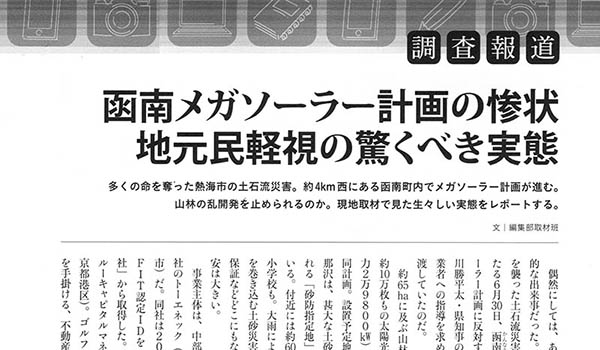
On October 2024, 10, developer Blue Capital Management submitted a notice to Shizuoka Prefecture to discontinue its mega solar project plan in Kannami Town, Shizuoka Prefecture. [Click the source for the full text...]
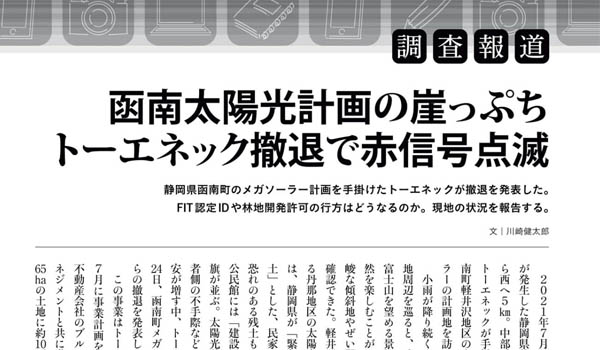
Plans to develop a large-scale mega solar power plant (total output 2 kW) in the Karuizawa area of Kannami town, Shizuoka prefecture, which has been repeatedly reported by the Energy Forum, have been cancelled.
On October 10, developer Blue Capital Management submitted a notice to Shizuoka Prefecture to cancel the mega solar project plans.
The prefecture is expected to accept the application after checking the planned site and making sure that the cancellation will not cause any problems.
The focus now will shift to whether the Ministry of Economy, Trade and Industry's Agency for Natural Resources and Energy will revoke the project's FIT certification ID.

- main
-
Twitter
-
Sports
-
Domestic
-
Politics
-
Overseas
-
Economy
-
Entertainment
 [Communist Party, City Council Member Matsui Yumiko] Was he transported to the hospital in an intoxicated state and assaulted doctors? He shouted, the doctor's white coat was torn in the assault, the nurse suffered bruises that will take a week to heal, and ambulance staff were also injured → Apology given but refusal to meet with themNEW
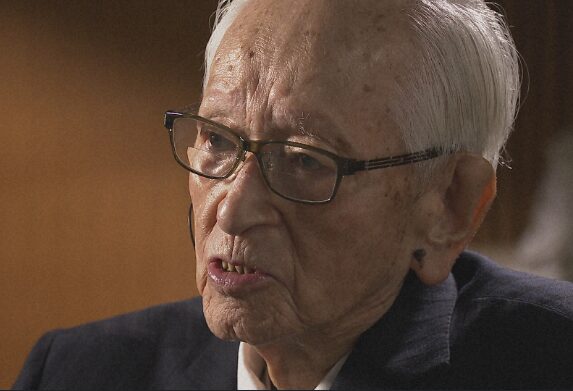
- [Obituary] Tsuneo Watanabe, CEO and Editor-in-Chief of the Yomiuri Shimbun Group Headquarters, passes away at age 98NEW
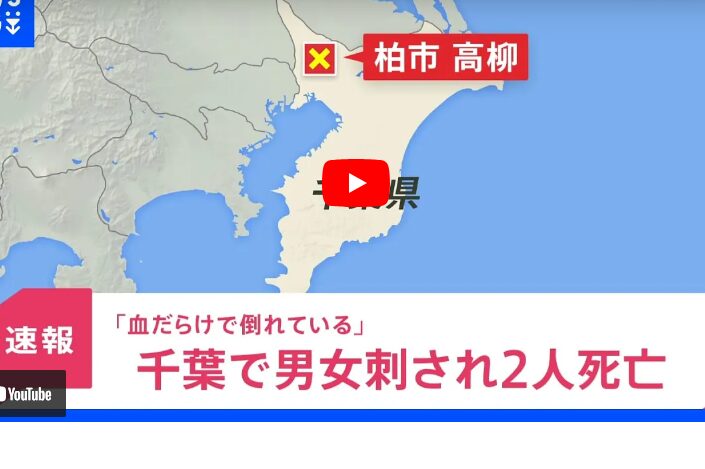
- [Breaking News] Two men and women stabbed to death on the street in Kashiwa City, Chiba: "They were found lying covered in blood"
- [US President-elect Trump] Sues newspapers that reported unfavorable opinion polls [NHK]
- [LDP debates SNS and elections/regulations under consideration] Election System Research Council: "Necessary measures must be taken" → After tax hike, will it be suppression of free speech?
- Video [Credited for sexually assaulting his teenage daughter at the time] The father claims innocence at the first hearing, saying, "It is true that we had sexual intercourse, but I did not scold her beyond the scope of discipline."
- [Gasoline prices to rise] Due to government subsidy cuts, gasoline prices will rise by nearly 1 yen per liter in some places
- [Breaking News] A woman in her 70s is stabbed in the back at Sannomiya subway station, conscious
- Video showing bento factory workers causing controversy with Chinese words for "Little Japan" and "poison" Sendai City rushes to respond
- [Sad news] Chinese asset management giant establishes new base in Japan for Chinese immigrants
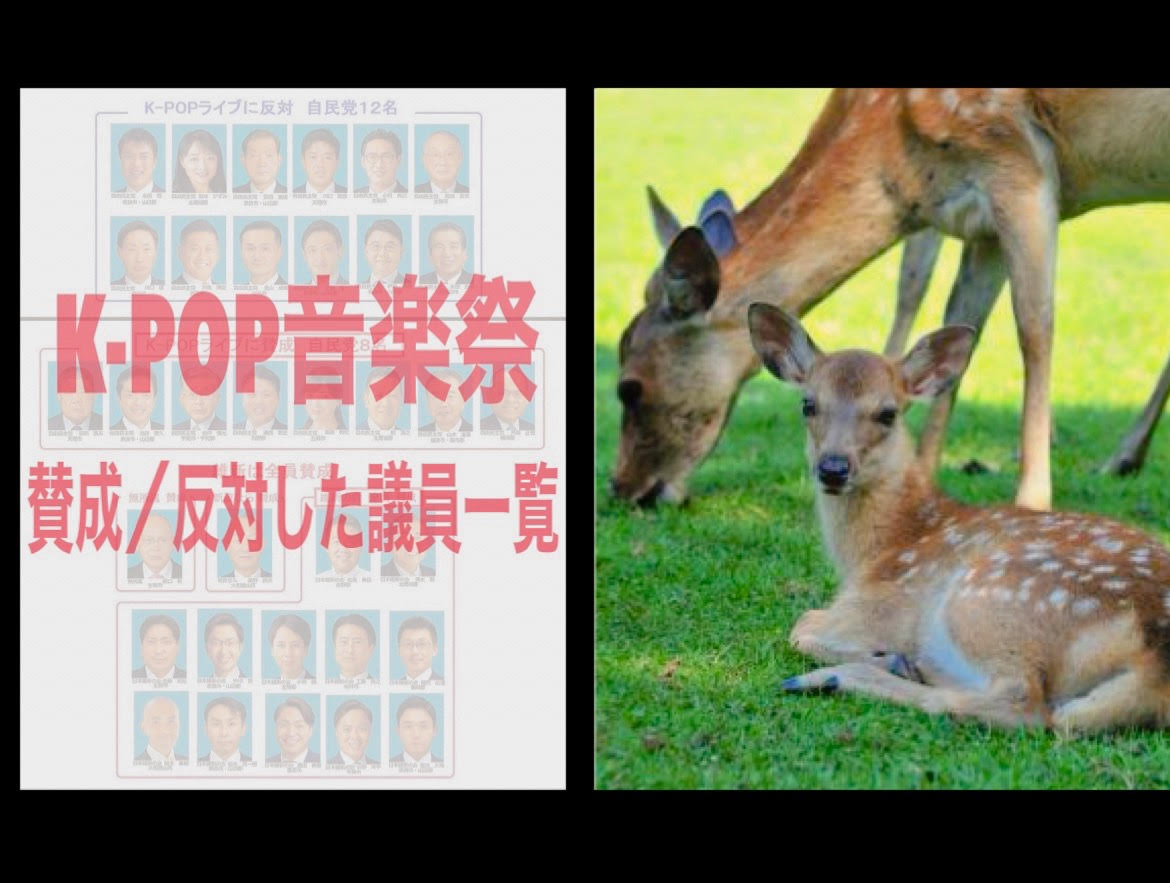
 [List of lawmakers who voted for/against K-POP music festival] A resolution was passed to hold the festival next fall at the expense of 2.7 million yen in public funds, even if it meant abolishing traditional festivals in Nara → "Everyone, do you know what to do?" [Posted by Takahashi]
- [Time for change] Honda and Nissan enter into talks to merge, becoming one of the world's leading groups if successful
- [Breaking News] At a press conference, President-elect Trump indicated he would be willing to meet with Prime Minister Ishiba before taking office if he so wishes.
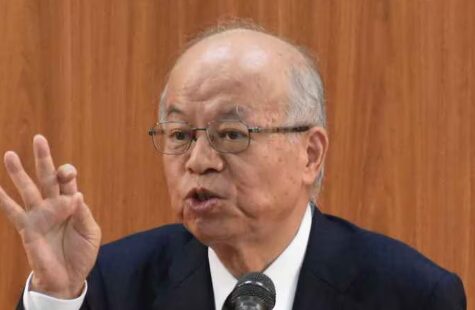
- [Kokushikan University/Nihon University Professor Emeritus Akira Momochi] Under the selective separate surnames system, only the couple can choose their surname. Children have no freedom of choice and are forced to have different surnames. Is that okay?
- [High-cost medical care system] Average annual income to increase by 8000 yen per month, upper limit of burden to be increased by 10%, aiming to reduce the burden on working generation, Ministry of Health, Labour and Welfare
- [Breaking News] Woman in her 20s stabbed and rushed to convenience store; man arrested in Kameido, Tokyo
- [Must see] List of Nara Prefectural Assembly members who supported the K-POP event / 22 out of 8 LDP members supported it! [From Assemblyman Kana Shindo]
- [Breaking News & Sad News] The K-POP music festival that Nara Prefecture was planning to hold using 2.7 million yen of public funds has been "approved" with the support of lawmakers. Please do not vote for the lawmakers who voted in favor of it next time.
- [Ministry of Finance official arrested] Suspicion of taking upskirt photos on escalator denies the allegation, saying "I don't remember"
- [Sad news] It seems that Kameda Seika and Nissin don't understand what Japanese people dislike. [Posted by Nekomanma]
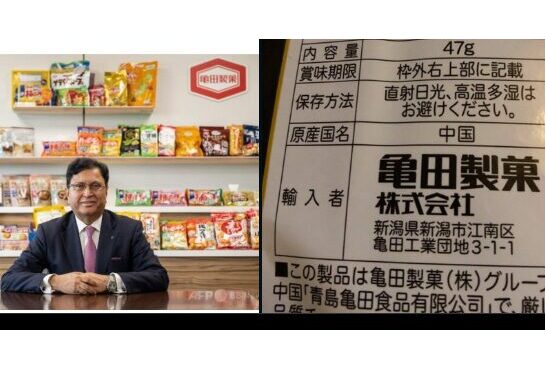
 Hot Topic [Indian Chairman / Kameda Seika] "Produced by a Chinese company under strict quality checks" → "Japanese-style" Kameda sweets sold in Japan. It turns out that they have actually been made in China for about 20 years!
- [Prime Minister's Office] The Council for Gender Equality has begun deliberations on a new "Basic Plan for Gender Equality" and a "Women's Basic Policy for 2025." We will further strengthen our efforts.
- [Kameda Seika/Chairman] Indian-born Lek Juneja: "Japan has no choice but to accept more immigrants"
- [Breaking News] Support for Ishiba Cabinet remains stable at 30% [Mainichi Shimbun opinion poll]
- Instead of saying "Gasoline prices are soaring!!! The government is messing around!!!", shouldn't we say "It would have been so expensive without subsidies...Thank you, government, for keeping the prices down until now. Sorry, but can I have another one?" [Posted by Ryuuyuu]
- [What?] Prime Minister Ishiba is getting a lot of praise on Chinese social media for being "grossly cute"! The shocking reason behind his explosive popularity
- [Sad news] Eriko Imai protected by the Communist Party
- Video [The 103 million yen wall] Yoichi Miyazawa: "We thought we had shown a great deal of sincerity" → Criticism floods in
- [APA Hotel] I see! So that's why it's APA! [Posted by Takako Miura]
- US Marines stationed in Okinawa begin relocating to Guam 18 years after "Roadmap" → "Isn't this a withdrawal?"
 [Proposal] Can KPOP events be overturned by a citizen audit request? Details ↓ [Posted by Pottman2]
- [Elon Musk] "I don't want Japan to disappear," "We can't rely on immigration, and we have to protect our culture"
- [Kiminori Sera] Questions about the promotion of optional separate surnames for married couples: "Are there other purposes? The amount of effort being put into it is extraordinary."
- [Kotoe Hashimoto] Hiroshima is my hometown, so I'm happy to see Perfume doing well. I wonder if the Governor of Nara Prefecture feels the same way about his support for K-POP.
- [Topic] It was Noda Yoshihiko who made the consumption tax 1%! It was Noda Yoshihiko who made the consumption tax 1%! It was Noda Yoshihiko who made the consumption tax 1%! It was Noda Yoshihiko who made the consumption tax 1%! It was Noda Yoshihiko who made the consumption tax 1%! It was Noda Yoshihiko who made the consumption tax XNUMX%!
- [Sad news] It is said that "The only thing correct in newspapers is the date!", but it turns out that even the date was wrong → However, it was revealed that the boomerang hit "Asahi Shimbun" which pointed out other companies lol
- [Sad news] A woman who posted "I take the Yamanote Line every morning, but there's always a man in the women's car" has been revealed by Hikari no Tetsunota to be "there is no women's car on the Yamanote Line." [Posted by Hiyoko]
- [Mainichi Shimbun] "Society did not collapse" - The current state of France after promoting same-sex marriage
- [Kawaguchi Kurdish issue] Review of reporting by Asahi, Kyodo, etc. Little reporting on the incident, favorable reaction to the event / Only two newspapers other than Sankei report on Kurdish sexual assault case [Sankei Shimbun]
- What! CNN reports that "President Trump invited him to the inauguration through back channels," naming several people, but not Ishiba! It's all over. [Posted by himuro]

 [Ishiba Cabinet] Disastrous! Approval rating falls again, to just 26.8%, "dangerous waters" / Internet: "Seriously, resign!"
- [Mr. Yoshitaka Ikawa] It's fine to impose high taxes on the rich. If it's used for the people and young people, many wealthy people will be happy with it. But looking at how it's being used now, I can't stand to see it used up.
- [Governor of Nara Prefecture / Makoto Yamashita] A former Asahi Shimbun journalist, he is a ridiculous governor who enacted the [Foreigner Voting Ordinance] during his time as the "Mayor of Ikoma." Japan Restoration Party [Post]
- I have acquired new farmland. I will expand the scale little by little. And Japanese people should protect Japanese land. [Posted by Kenta Otsuka]
- I want to be able to give tax to the Self-Defense Forces through hometown tax. The return gift is peace. [Posted by a former medical officer in the Self-Defense Forces]
- [Comparison] Trump gets 0 yen for refusing salary / Ishiba gets 341 million yen bonus [Posted by himuro]
- Nakano Ward Councilman Yoshida debated against the "Statement of Opinion (draft) calling for the early realization of a selective separate surnames system for married couples." Despite the heckling from the Communist Party and the Constitutional Democratic Party, I responded firmly, but unfortunately it was "passed." Nine members, including eight from the Liberal Democratic Party and myself, were against it, while the rest were in favor.
- [Sad news] "My body was buried without my permission" "They won't pay me"... Muslim burial cemetery manager reveals the "reality" of grave shortage and the "serious worries" of those involved [Gendai Business]
- [Sad news] Nara will stop its historic traditional event this year and hold a 2 million yen "K-POP concert" instead / Speaking of Nara, Governor Yamashita (Ishin no Kai) of "solar panels" is seriously finished [Ichika's post]
- Video [Breaking News] This year's kanji character is "kin" (gold)! Announced at Kiyomizu-dera Temple in Kyoto
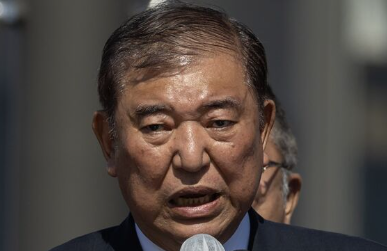
 [What?] Prime Minister Ishiba is getting a lot of praise on Chinese social media for being "grossly cute"! The shocking reason behind his explosive popularity
- [Comparison] Trump gets 0 yen for refusing salary / Ishiba gets 341 million yen bonus [Posted by himuro]
- [Representative Wada] "The investigation into the individual who is currently facing criminal charges for threatening and defaming me is also progressing steadily."
- [Chinese international students] "12 yen subsidy from the Japanese government! I don't understand why, but it's increased!" International students are receiving the subsidy one after another and are overjoyed to eat and drink without paying, spreading on SNS
- [Warning] Chinese state media reports that "bacteria, insects, insect eggs, and carcinogens have been found in Chinese-made sanitary napkins from 56 companies" → Chinese people in Japan have started a business of buying up and reselling Japanese-made sanitary napkins! Concerns about a domestic supply shortage
- Video [Chinese people in Japan] Receive child allowance of 2 yen per month for two children until they reach the age of 18 ← For some reason, foreigners are given preferential treatment over tax-paying Japanese people, creating a chaotic situation / The number of foreigners receiving benefits is currently increasing as the video spreads
- Video [Elon Musk] "To everyone around the world, you are the media now. What you know. What you hear. What you see. You broadcast it on your 𝕏."
- [100-Article Committee, Chairman Okutani] A family company went bankrupt → Was he involved in the Saito downfall due to personal grudge? He completely denies the allegations being spread on X, saying, "It is not a family business at all."
- [Kazumi Inamura] Social media accounts "frozen twice" during Hyogo Prefectural Gubernatorial Election → Criminal charges filed against an unspecified number of accounts for "unjust election interference" due to reports of "falsehood"
- [Insulting the people of Hyogo Prefecture] Maekawa Kihei: "The people of Hyogo Prefecture who elected Saito are stupid" / Suzuki Eight: "Saito supporters are a creepy, dangerous group with no common sense who don't even read newspapers" / Kayama Rika: "The people of Hyogo Prefecture were under mind control"

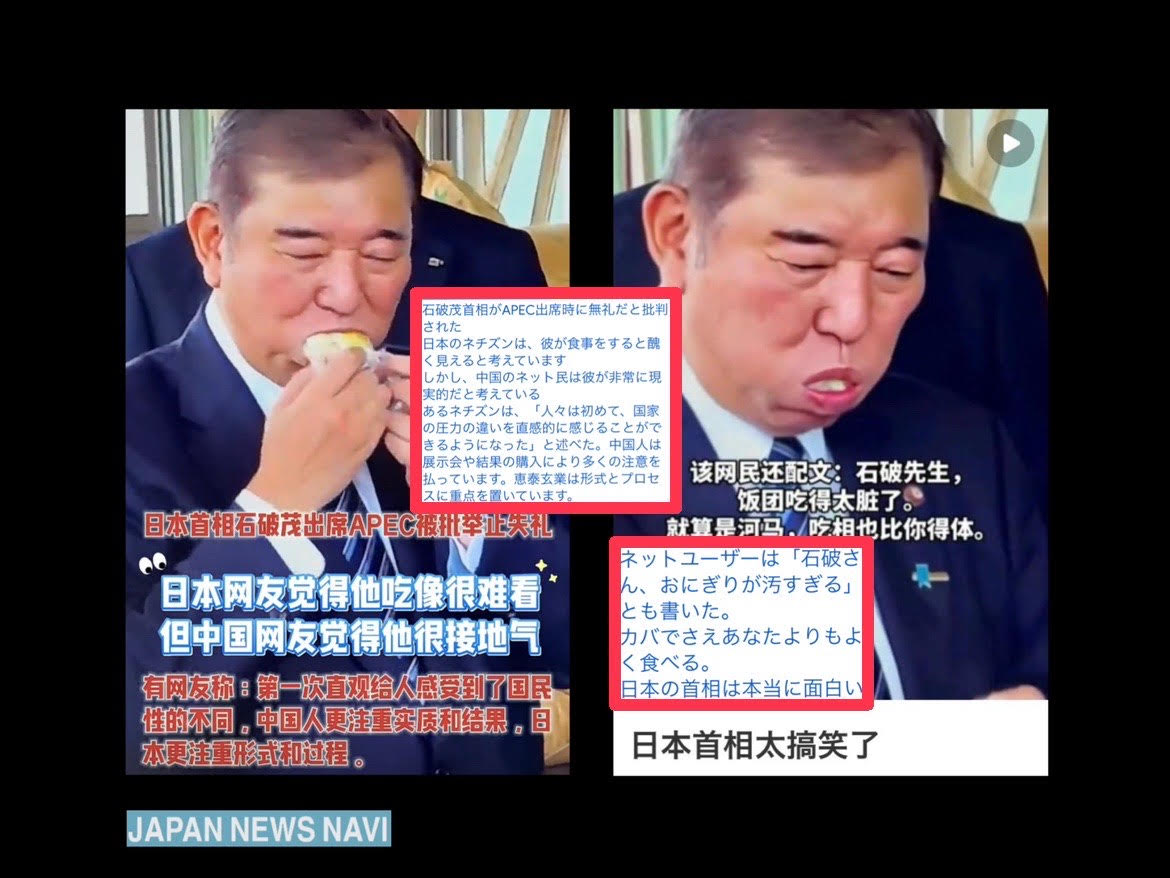
 Video [Sad news] Prime Minister Ishiba is mocked by Chinese people for eating rice balls in a messy way → [Sales ability 0, international sense 0, manners 0, everything else 0]
- [Warning] Chinese person: "Drone modification complete" "It's a pity there isn't a Japanese school in the area. Otherwise, drones would drop bombs at night."
- [Mr. Hidetoshi Alfiya] It was discovered that he had spread criticism of the Japanese Conservative Party in "English" before he became Parliamentary Vice-Minister for Foreign Affairs. → To whom was he trying to spread his personal retaliation in English? "Just tell him directly. It's a mix of public and private matters."
- Video [Sad news] Sun TV desperately tries to delete inconvenient comments during an interview with Governor Saito Motohiko lol → Here is the decisive moment of suppression of free speech!
- Donald Trump, Elon Musk and RFK Jr. eat McDonald's on a plane
- Constitutional Democratic Party lawmaker: "Eradicate those who discriminate against Kurds"
- Video [NMIXX] ← Korean idol who performed "Dokdo is our territory" / Even a "2+ signature campaign" against holding a concert in Japan... "Please don't underestimate Japan" - harsh criticism
- [Doshisha University] An American who studied abroad in Japan on a non-repayable scholarship is spreading hateful rumours such as "There is a racial hierarchy in Japan and Africans are subhuman" and "Black people are called animals and monkeys"! This is an international issue!
- Video [Ministry of Finance SNS] Criticisms on social media surge after general election, exceeding 2000
- Social media version of the ranking of ministries and agencies that should be dismantled: 1st place: Ministry of Finance / 2nd place: Agency for Children and Families / 3rd place: Ministry of Health, Labor and Welfare
 Taiwan, winner of first Premier12 title, declines champagne fight, saying "We don't want to soil the venue or cause trouble. We'll take the joy home with us"
- Video [Sad news] Elementary school karate incident: The person who was kicked was somehow suspended for three years → Furthermore, the kick resulted in the student being rushed to hospital with a cervical sprain and a full recovery period of three weeks
- [Video] Soccer players show respect for their team symbol. People from other countries should watch this and learn how cool it is to show respect for the national flag!
- [Good news] Bridgestone to end Olympic sponsorship, leaving Japanese companies at zero

 [Communist Party, City Council Member Matsui Yumiko] Was he transported to the hospital in an intoxicated state and assaulted doctors? He shouted, the doctor's white coat was torn in the assault, the nurse suffered bruises that will take a week to heal, and ambulance staff were also injured → Apology given but refusal to meet with themNEW
- [Obituary] Tsuneo Watanabe, CEO and Editor-in-Chief of the Yomiuri Shimbun Group Headquarters, passes away at age 98NEW
- [Breaking News] Two men and women stabbed to death on the street in Kashiwa City, Chiba: "They were found lying covered in blood"
- [LDP debates SNS and elections/regulations under consideration] Election System Research Council: "Necessary measures must be taken" → After tax hike, will it be suppression of free speech?
- Video [Credited for sexually assaulting his teenage daughter at the time] The father claims innocence at the first hearing, saying, "It is true that we had sexual intercourse, but I did not scold her beyond the scope of discipline."
- [Gasoline prices to rise] Due to government subsidy cuts, gasoline prices will rise by nearly 1 yen per liter in some places
- [Breaking News] A woman in her 70s is stabbed in the back at Sannomiya subway station, conscious
- Video showing bento factory workers causing controversy with Chinese words for "Little Japan" and "poison" Sendai City rushes to respond
- [List of lawmakers who voted for/against K-POP music festival] A resolution was passed to hold the festival next fall at the expense of 2.7 million yen in public funds, even if it meant abolishing traditional festivals in Nara → "Everyone, do you know what to do?" [Posted by Takahashi]
- [Time for change] Honda and Nissan enter into talks to merge, becoming one of the world's leading groups if successful
 [Kokushikan University/Nihon University Professor Emeritus Akira Momochi] Under the selective separate surnames system, only the couple can choose their surname. Children have no freedom of choice and are forced to have different surnames. Is that okay?
- [High-cost medical care system] Average annual income to increase by 8000 yen per month, upper limit of burden to be increased by 10%, aiming to reduce the burden on working generation, Ministry of Health, Labour and Welfare
- [Breaking News] Woman in her 20s stabbed and rushed to convenience store; man arrested in Kameido, Tokyo
- [Must see] List of Nara Prefectural Assembly members who supported the K-POP event / 22 out of 8 LDP members supported it! [From Assemblyman Kana Shindo]
- [Breaking News & Sad News] The K-POP music festival that Nara Prefecture was planning to hold using 2.7 million yen of public funds has been "approved" with the support of lawmakers. Please do not vote for the lawmakers who voted in favor of it next time.
- [Ministry of Finance official arrested] Suspicion of taking upskirt photos on escalator denies the allegation, saying "I don't remember"
- [Sad news] It seems that Kameda Seika and Nissin don't understand what Japanese people dislike. [Posted by Nekomanma]
- Hot Topic [Indian Chairman / Kameda Seika] "Produced by a Chinese company under strict quality checks" → "Japanese-style" Kameda sweets sold in Japan. It turns out that they have actually been made in China for about 20 years!
- [Prime Minister's Office] The Council for Gender Equality has begun deliberations on a new "Basic Plan for Gender Equality" and a "Women's Basic Policy for 2025." We will further strengthen our efforts.
- [Kameda Seika/Chairman] Indian-born Lek Juneja: "Japan has no choice but to accept more immigrants"
 [Breaking News] Support for Ishiba Cabinet remains stable at 30% [Mainichi Shimbun opinion poll]
- [Sad news] Eriko Imai protected by the Communist Party
- [Ishiba Cabinet] Disastrous! Approval rating falls again, to just 26.8%, "dangerous waters" / Internet: "Seriously, resign!"
- Nakano Ward Councilman Yoshida debated against the "Statement of Opinion (draft) calling for the early realization of a selective separate surnames system for married couples." Despite the heckling from the Communist Party and the Constitutional Democratic Party, I responded firmly, but unfortunately it was "passed." Nine members, including eight from the Liberal Democratic Party and myself, were against it, while the rest were in favor.
- Representative Hamada: "What I've learned after four years is that these 4-plus "self-proclaimed" LDP tax cut lawmakers were a release of steam."
- [Tax cuts are being considered / Tax increases are being made at lightning speed!] Ishiba administration decides to abolish the 106 million yen barrier, "Employees' pension insurance, regardless of annual income" blows away tax cut proposals [himuro's post]
- Akie Abe is arranging a meeting with President-elect Trump... Planning to visit the US this weekend. Is the aim to rebuild relations between Japan and Trump by seeking a meeting with the wife of former Prime Minister Abe, who was a close friend of his? [FNN]
- [Urgent] Please send an email to the Prime Minister's Office opposing separate surnames for married couples. Prime Minister Ishiba said, "We will accelerate the discussion." If the bill passes, it will be irreversible. It will play into the hands of anti-Japanese lawmakers, naturalized lawmakers, and anti-Japanese forces. [Posted by Ayako]
- [Video] Ishiba: "The power of the United States is declining relatively." It's a big problem when the head of an allied nation says this. Abe said, "Japan and the United States are an alliance of hope. If we're together, we can do it." But Ishiba insisted, "Look elsewhere." Is that China?
- Communist Party: "We should decide to raise welfare benefits"

 [Tax revenue/record high forecast] Prime Minister Ishiba: "It is not appropriate to say that we are taking too much"
- [Prime Minister Ishiba] "Next year there will be an Upper House election. Not for the sake of the LDP, but for the sake of Japan, I would like to ask all local organizations to give me stern opinions and scolding." → Is he serious? Willing to rebuild the party. Is he also eager for the Upper House election?
- [Representative Hamada Satoshi] I will not vote for politicians who raise taxes. I hope this becomes the norm in Japan as well.
- [Prime Minister Ishiba] "Approximately 95% of those who change their surname upon marriage are women, and I feel strongly that we must acknowledge their sadness and suffering."
- [Prime Minister Ishiba] "There is nothing to do according to the policies of the presidential election" - Prime Minister's response causes a stir
- [Social Democratic Party, Yuko Otsubaki] "There are people other than Japanese living in Japan, so it is the job of politicians to take that into consideration. Don't make me say it again and again."
- [There are many things that cannot be made public] Prime Minister Ishiba says it is appropriate to not disclose some of the party expenditures, "This is not a loophole" - ruling and opposition parties question the LDP proposal in the House of Representatives Budget Committee
- Video [Breaking News] Ishiba Cabinet's approval rating is 42.1%, up 3.2 points from the previous survey, JNN opinion poll
- [Video] Over 100 high-value dining experiences for cabinet ministers totaling 23 million yen in 1900! Chief Cabinet Secretary Hayashi: approx. 930 million yen / Finance Minister Kato: approx. 590 million yen / Prime Minister Ishiba: approx. 77 yen...
- Video [Kamiya, member of the Democratic Party] "Maintaining Japan's distinctive character as a nation of Japanese people is the essence of protecting the diversity of the world. If all countries were to become multi-ethnic mixed societies, true diversity would be lost and the world would become a homogenized society."

 [US President-elect Trump] Sues newspapers that reported unfavorable opinion polls [NHK]
- [Sad news] Chinese asset management giant establishes new base in Japan for Chinese immigrants
- [Breaking News] At a press conference, President-elect Trump indicated he would be willing to meet with Prime Minister Ishiba before taking office if he so wishes.
- [Elon Musk] "I don't want Japan to disappear," "We can't rely on immigration, and we have to protect our culture"
- [Mainichi Shimbun] "Society did not collapse" - The current state of France after promoting same-sex marriage
- What! CNN reports that "President Trump invited him to the inauguration through back channels," naming several people, but not Ishiba! It's all over. [Posted by himuro]
- Argentina's reforms: a miraculous year - fiscal surplus and stable prices [Nihon Keizai Shimbun]
- Video [Argentine President Javier Milley] "Okay, first we'll destroy all the ministries and agencies."
- Popular Korean brand faces criticism over "fake YKK zippers" and "tag replacement" practices...Major online shopping site criticized [Chosun Ilbo]
- Japan has come in first in the ranking of countries that hate China. What's strange is that the Liberal Democratic Party of Japan government, which ignores the will of the people, loves China. [Posted by Shinonome Kuniyoshi]
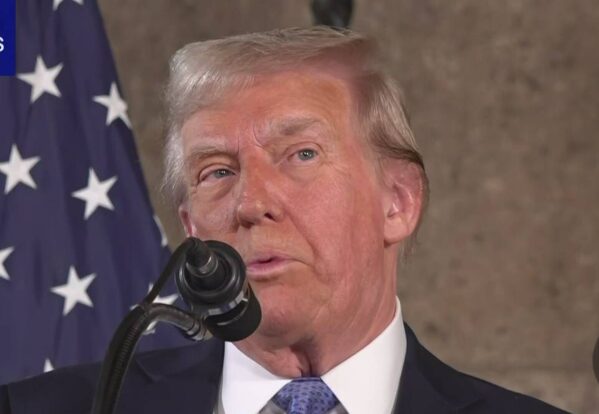
 President-elect Trump: "First of all, I will deport all criminal illegal immigrants!"
- [Russia-North Korea] "Strategic Treaty" comes into effect. Ratification documents exchanged, cooperation accelerates, de facto military alliance?
- Video [Breaking News] Troops withdraw from South Korea's National Assembly building. Martial law lifted. South Korean president's "one-man coup" fails. Is his "downfall" inevitable? Possibility of new anti-Japanese government born with regime change.
- Video [Nitori President] "We cannot survive without China. China is the center of the world." Nitori opens its 105th store in China and its 20th store in Shanghai. Nitori plans to open XNUMX% more stores in China each year.
- [Breaking News] Chinese nationals and tourists living in Japan are buying up toothpaste at Japanese pharmacies and starting to resell it → Chinese media announces that "94% of Chinese-made toothpaste contains carcinogenic substances" / Formaldehyde levels more than 20 times the legal limit!
- [China kidnapping case] A 13-year-old female student (Ms. Zhang) went missing on her way to school. Her parents searched for her and found her body three days later, with both eyes, kidneys, liver and spleen removed. Shaanxi Province
- Video [3 million yen bribery scandal] Foreign Minister Iwasaki: "It's over" → "So you're admitting it, huh? LOL" *The statute of limitations has not yet expired in the US
- [Breaking News] Chinese company CEO Pan Zhengming indicted for bribing Japanese Diet members, providing a total of 26.5 million yen to the Diet members. The indictment states that he was a "senior government official in charge of infrastructure, transportation, and tourism" in the Japanese government. US Department of Justice / Iwaya denies the allegations.
- Video [Smiling Minister of Foreign Affairs Iwao] "I visited Italy to attend the G7 Foreign Ministers' Meeting and other events!" → Internet users say, "Isn't there something else you need to explain?"
- [China] Even after the murder of a 10-year-old Japanese boy, China's travel risk level remains unchanged despite so many brutal incidents occurring. Is the Ministry of Foreign Affairs serious about protecting Japanese people?

 "I'm not satisfied," says Tax Commission Chairman, displeased by the LDP-Komeito-Nippon Party agreement on the "103 million yen annual income barrier" → "Hey, someone, do something about this enemy of the people!" [Posted by Ikawa Yoshitaka]
- [Yukan Fuji] "The Ishiba Shigeru administration is guilty of ignoring tax cuts! Gasoline prices have risen for four consecutive weeks, and with reduced subsidies, the price is expected to drop to the 185 yen range in the new year. Postponing the discussion for a year is a grave sin!"
- [LDP/Komeito] Proposal to provide 3 yen to low-income households and an additional 2 yen to child-rearing households approved in principle → "This is a country where tax-paying citizens are not rewarded. Paying taxes is stupid!"
- [Employees' Pension Insurance] The "106 million yen barrier" for part-time workers to join regardless of annual income will be abolished, but burdens may increase
- [Ishiba Cabinet] Announcement of 40 billion yen in grant aid to Tanzania for road construction
- [Sad news] Economist: "With Ishiba as president, the consumption tax increase to 15% is confirmed. The Ministry of Finance is aiming for even more than 15%."
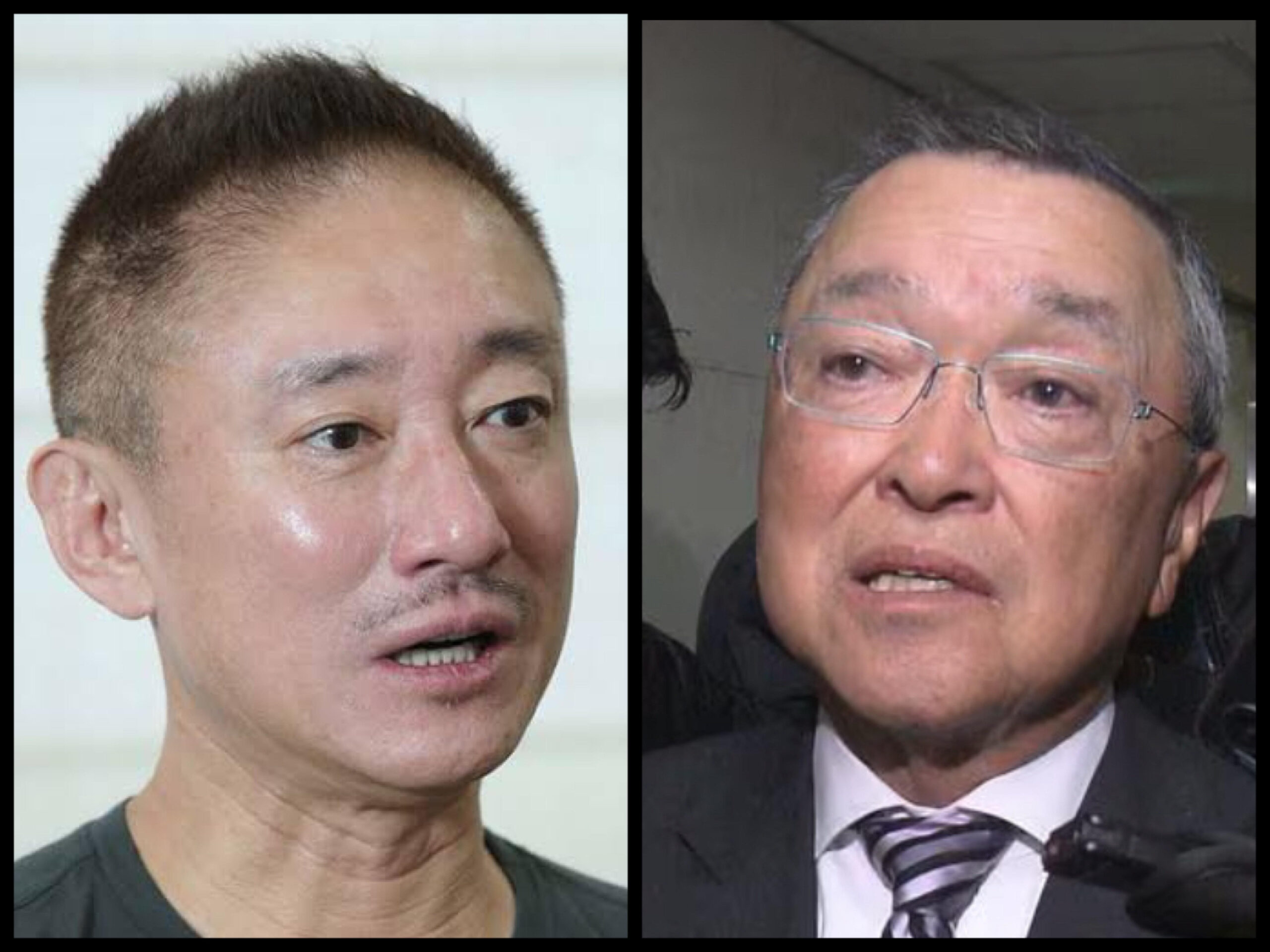
 [Kiminori Sera] Questions about the promotion of optional separate surnames for married couples: "Are there other purposes? The amount of effort being put into it is extraordinary."
- [Miho Nakayama] Considering "farewell event" at a later date, agency makes "important request" and "please refrain from interviews" funeral not disclosed [full text]
- [Fuji TV] Criticisms mount over surprise interview with Shinobu Nakayama, sister of the late Miho Nakayama
- [Koji Kikkawa and Tomoyasu Hotei] The two will donate 10 billion yen to establish a Noto reconstruction fund
- Talent Pico passes away at age 79... He gained popularity with his twin brother in the comedy duo "Osugi and Pico"

↓X(old Twitter)
[Posted by himuro]
Wow!! Amazing


Source: https://saiene-news.com/?p=218&1
https://dialand.jp/archives/16943
Everyone's comments
- Of course!! That's it.
- Thoughts: "Kawakatsu is no longer here"
- I was surprised. Shizuoka has solar panels installed everywhere, probably due to the influence of the previous governor.
- Great!! It proves that speaking up can make a difference!
- Not only does it not regenerate anything, but it is a mega solar power plant that is destroying nature through renewable energy.
- I want this trend to continue
- I'm really glad that the mega solar project was cancelled. It's the result of the efforts of the local people coming to fruition.
- I think it was impossible from the start to carry out large-scale development in an area with a high risk of landslides.
- When I think that this is the result of local residents coming together and continuing their opposition movement, I feel moved and want to support them.
- I think this decision was made based on the lessons learned from the Atami mudslide disaster, but I hope that a similar tragedy will not be repeated.
- It is good that the project was cancelled without ignoring the voices of local residents, but they should have proceeded more carefully from the beginning.
- I think we need to be extremely careful about large-scale development in areas at risk of natural disasters.
- Examples of these kinds of residents' voices reaching the government and businesses should be taken as a reference for other regions as well.
- I think it's really wonderful that the movement to protect the environment is coming to fruition.
- Considering the risk of landslides and the impact on the environment, it's no surprise that this plan was cancelled.
- Mega solar projects are said to be environmentally friendly, but in reality there are many problems like this.
- I would like to applaud the courage of those who fought to keep our community safe.
- I once again realized how important it is for residents to speak up to prevent natural disasters.
- I think companies that try to push ahead with mega-solar projects should be looked at more closely.
- I hope that more decisions like this will be made to prevent a repeat of the tragedy of the Atami mudslide disaster.
- Any development that disregards the lives and safety of local residents should never be permitted.
- I think the government should be commended for taking action to protect the lives of residents.
- I feel like promoting renewable energy at the expense of destroying nature is putting the cart before the horse.
- Hopefully, this cancellation will encourage other regions to reconsider similar issues.
- When you hear the words mega solar and mega wind power, they sound like good things, but we mustn't forget that there are risks like these.
- I would like to express my deepest respect to the residents and those involved who fought to protect this area.
Editor B’s opinion
When I heard the news that the mega solar power plant project in Kannami Town had been cancelled, I felt that the efforts of the residents who had been engaged in the opposition movement for many years had finally been rewarded. I am deeply moved that their continued concern for natural disasters and their desire to protect the local environment have now taken shape. In particular, I believe that this result was driven by a strong determination to prevent the same tragedy from being repeated, having learned from the mudslide disaster that occurred in Atami City.
In Kannami Town, from the moment the mega-solar project was first proposed, residents had deep-rooted concerns about landslides and environmental destruction. Their opposition movement has continued to seriously appeal for the safety of the area around the planned site and the impact on residents' lives, which should serve as a lesson to many people. The residents have shown with their own experiences how dangerous it is to underestimate the risk of natural disasters as a large-scale mega-solar project moves forward.
I think the Atami mudslide disaster was a major turning point in the discussions about canceling the plan. It was an opportunity for many people, who witnessed how sudden a disaster can be and how it can take lives, to re-evaluate the risks of the mega-solar project. These real-life experiences must have had a profound impact on the residents' continued "campaign to protect lives."
It is not hard to imagine the many difficulties that were faced before the plan was cancelled. When you hear stories of those at the centre of the opposition movement being subjected to slander and almost breaking down, you realise just how hard it must have been. Nevertheless, the fact that they were able to continue their activities was due to the strong bonds between residents and their strong desire to protect the future of the area.
I also believe that the cooperation of the mayor of Kannami, other local government officials, and politicians from both ruling and opposition parties who supported the project also contributed greatly to this outcome. I believe that the decision to cancel the project was made as a result of listening carefully to the voices of local residents rather than ignoring them. I hope that this type of collaboration between the government and residents will spread to other areas across the country.
Large-scale renewable energy development plans, such as mega solar and mega wind power plants, often involve environmental impacts and safety issues. For this reason, careful decisions must be made according to the circumstances of each region. I believe that the case of Kannami Town should be used as a reference nationwide as it shows the importance of fully reflecting the voices of local residents.
We hope that the Ministry of Economy, Trade and Industry will make the appropriate decision regarding the cancellation of the FIT certification ID. For renewable energy projects to be sustainable, it is essential to gain the trust of local residents. Plans that proceed without regard for this will ultimately be unsuccessful. We hope that the cancellation of this plan will be an opportunity to increase transparency and credibility in the renewable energy business as a whole.
This news reminds us that we need to carefully consider the impact that renewable energy projects have on the environment and local residents. At the same time, it is an example that shows the power of local activism. We hope that more such efforts will be made in the future, and that the environment in which residents can live in peace will be protected in many areas.
Written by: Editorial Department B
Latest articles
- [Communist Party, City Council Member Matsui Yumiko] Was he transported to the hospital in an intoxicated state and assaulted doctors? He shouted, the doctor's white coat was torn in the assault, the nurse suffered bruises that will take a week to heal, and ambulance staff were also injured → Apology given but refusal to meet with them
- [Obituary] Tsuneo Watanabe, CEO and Editor-in-Chief of the Yomiuri Shimbun Group Headquarters, passes away at age 98
- [Breaking News] Two men and women stabbed to death on the street in Kashiwa City, Chiba: "They were found lying covered in blood"
- [US President-elect Trump] Sues newspapers that reported unfavorable opinion polls [NHK]
- [LDP debates SNS and elections/regulations under consideration] Election System Research Council: "Necessary measures must be taken" → After tax hike, will it be suppression of free speech?

Comment