
 Afrikaans
 Shqip
Shqip አማርኛ
አማርኛ العربية
 Հայերեն
 Azərbaycan dili
 Euskara
 Беларуская мова
 বাংলা
বাংলা Bosanski
 Български
 Català
 Cebuano
 Chichewa
 简体中文
简体中文 繁體中文
繁體中文 Corsu
Corsu Hrvatski
 Čeština
 Dansk
Dansk Nederlands
 English
 Esperanto
 Eesti
Eesti Filipino
 Suomi
Suomi Français
 Frysk
Frysk Galego
 ქართული
 Deutsch
 Ελληνικά
 ગુજરાતી
 Kreyol ayisyen
 Harshen Hausa
 Ōlelo Hawaiʻi
 עִבְרִית
 हिन्दी
 Hmong
Hmong Magyar
 Íslenska
 Igbo
Igbo Bahasa Indonesia
 Gaeilge
 Italiano
 日本語
日本語 Basa Jawa
 ಕನ್ನಡ
ಕನ್ನಡ Қазақ тілі
 ភាសាខ្មែរ
 한국어
한국어 كوردی
كوردی Кыргызча
 ພາສາລາວ
 Latin
Latin Latviešu valoda
 Lietuvių kalba
 Lëtzebuergesch
 Македонски јазик
 Malagasy
 Bahasa Melayu
 മലയാളം
 Maltese
 Te Reo Māori
 मराठी
मराठी Монгол
 ဗမာစာ
ဗမာစာ नेपाली
 Norsk bokmål
 پښتو
پښتو فارسی
فارسی Polski
 Português
 ਪੰਜਾਬੀ
 Română
 Русский
 Samoan
 Gàidhlig
 Српски језик
 Sesotho
 Shona
Shona سنڌي
سنڌي සිංහල
සිංහල Slovenčina
 Slovenščina
 Afsoomaali
 Español
 Basa Sunda
 Kiswahili
 Svenska
 Тоҷикӣ
 தமிழ்
தமிழ் తెలుగు
 ไทย
ไทย Türkçe
 Українська
 اردو
اردو O‘zbekcha
 Tiếng Việt
 Cymraeg
 isiXhosa
 יידיש
יידיש Yorùbá
 Zulu
Zulu

↓X(old Twitter)

[Posted by Shinichiro Miki]


I'm not going to Saitama because I'm scared. I don't want to drive through there because there are illegal immigrants who don't have insurance driving there.
— Fuji Base with Ogawa (@4416ogawa) December 7, 2024
There are a lot of Chinese drivers speeding in Tokyo too... It's so dangerous.


In addition, they are traitors to the nation by accepting PKK terrorists who are migrant workers disguised as refugees.
— Grape Yuzu (@tpmp_drea_ma5v3) December 6, 2024



Source: https://x.com/S10408978/status/1865038455765680337
- main
-
Twitter
-
Sports
-
Domestic
-
Politics
-
Overseas
-
Economy
-
Entertainment
 [Prime Minister Ishiba] "Next year there will be an Upper House election. Not for the sake of the LDP, but for the sake of Japan, I would like to ask all local organizations to give me stern opinions and scolding." → Is he serious? Willing to rebuild the party. Is he also eager for the Upper House election?NEW
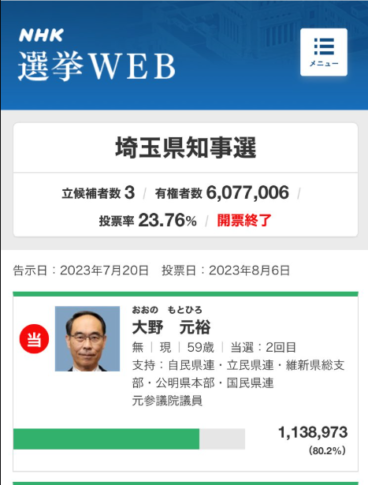
- [Saitama Governor Ohno] The Sankei Shimbun article cut out a part of my general opinion on economic refugees and rewrote it in a way that misleads people into thinking I was speaking about a specific ethnic group. [Article included]NEW
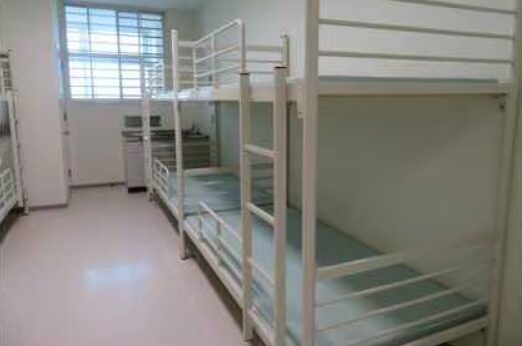
- "I'm sick" - Repeated medical examinations aimed at provisional release - Former Immigration Bureau chief speaks about detention conditions - detainees kick walls, throw things, pour boiling water, soil facilities with feces and urine, etc. It also emerged that a Kurdish man on provisional release committed a sex crime again in Saitama
- [Good news] Government to maintain ownership of NTT shares; foreign investment restrictions also announced at Ministry of Internal Affairs and Communications expert meeting
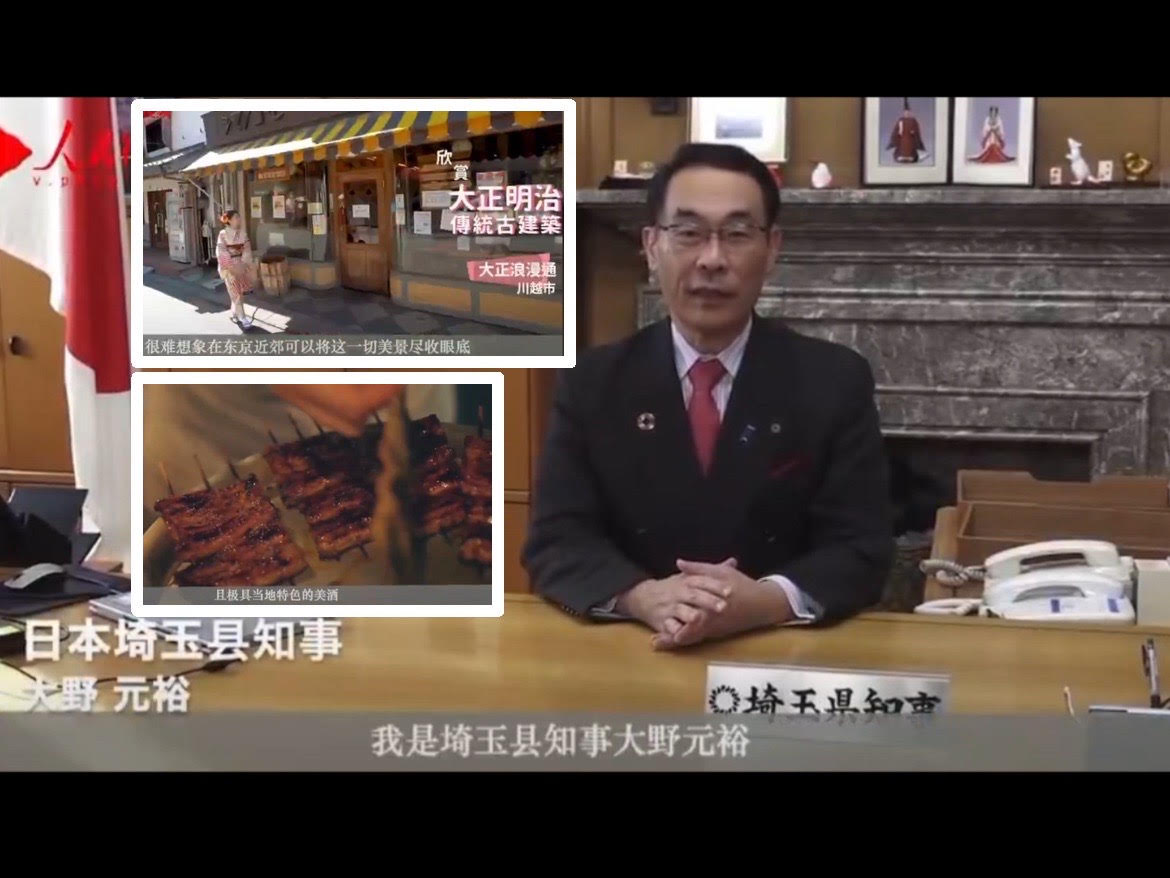
- [Video] Governor Ohno of Saitama Prefecture: "We look forward to welcoming everyone from China in safety and security! Please come to Saitama Prefecture!" It was revealed that the prefecture had been inviting Chinese people regularly for some time (video 2022)
- [Video] Yukiko Yoshida, a member of the Diet, said, "Working women are cool, and I want to support and respect women who want to do that. But aren't stay-at-home moms who want to raise their children themselves also a great example of 'women empowerment'?"
- [Miho Nakayama] Considering "farewell event" at a later date, agency makes "important request" and "please refrain from interviews" funeral not disclosed [full text]
- [Second generation immigrant] "Aren't the Japanese government and police protecting immigrants who commit crimes too much? It's making it difficult for well-behaved foreigners to live, so I really wish they'd stop! If they don't punish those who should be punished severely without any consideration for others, society will fall apart."
- [Japan is a paradise for sex offenders] Even if found guilty, they are released after a few years, and some are not prosecuted due to language barriers. The LGBT law also clearly shows disregard for the human rights of women and children. Female lawmakers are also silently accepting it, it's hell, the Liberal Democratic Party
- Former Constitutional Democratic Party lawmaker [from India, school principal] "I want to change Japan's education system! I'm thinking of banning Japanese language from club activities!" → What is the educational philosophy of this man with a diverse background as a former Mizuho Bank research officer, former deputy general manager of Rakuten Planning, and lawmaker?

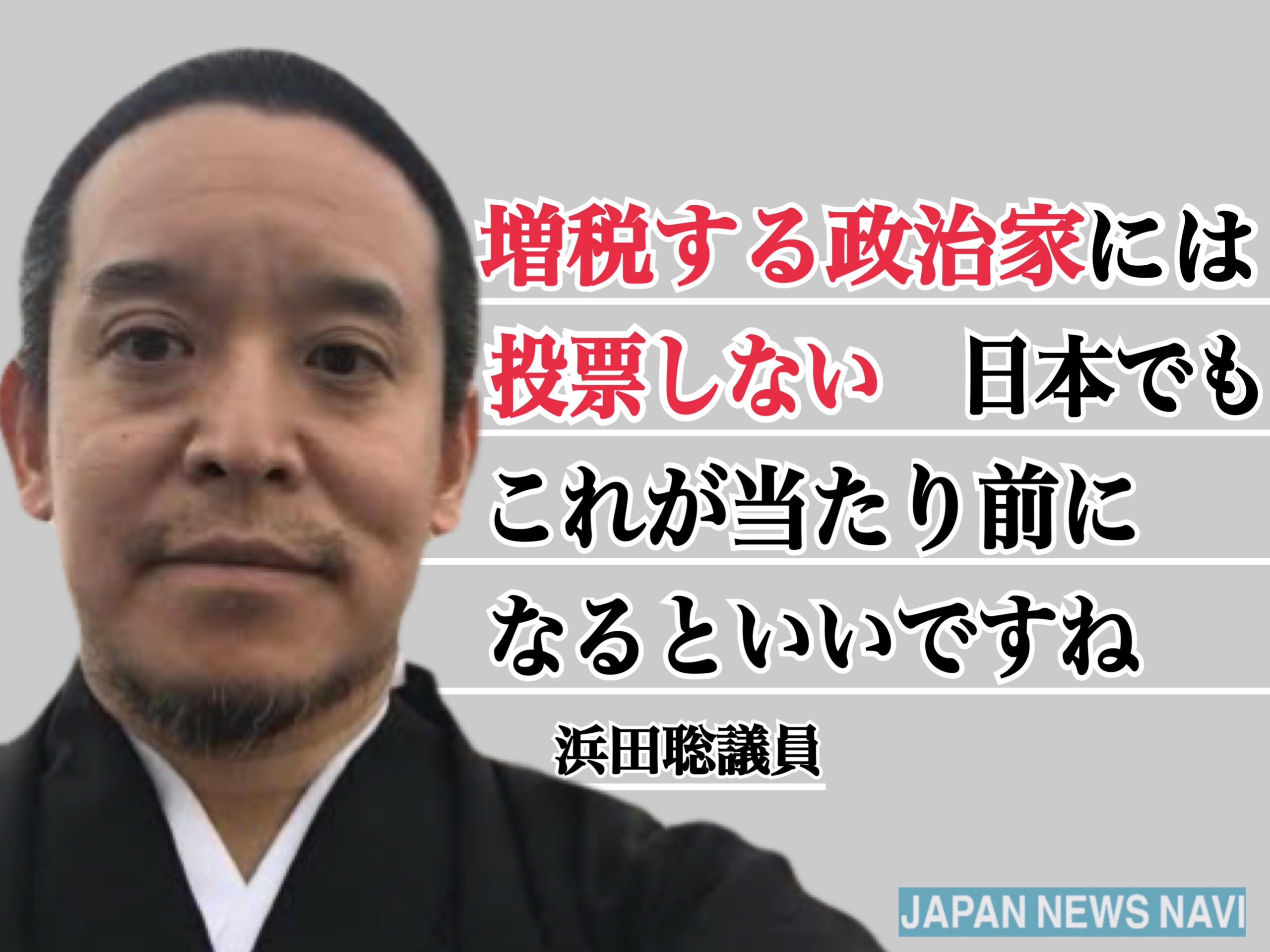
 [Representative Hamada Satoshi] I will not vote for politicians who raise taxes. I hope this becomes the norm in Japan as well.
- [Fuji TV] Criticisms mount over surprise interview with Shinobu Nakayama, sister of the late Miho Nakayama
- [Breaking News] Shimane Nuclear Power Plant Unit 2 restarts for the first time in about 13 years. It is the second reactor of the same type as the Fukushima Daiichi Nuclear Power Plant in Japan after the Onagawa Nuclear Power Plant in Miyagi Prefecture in October.
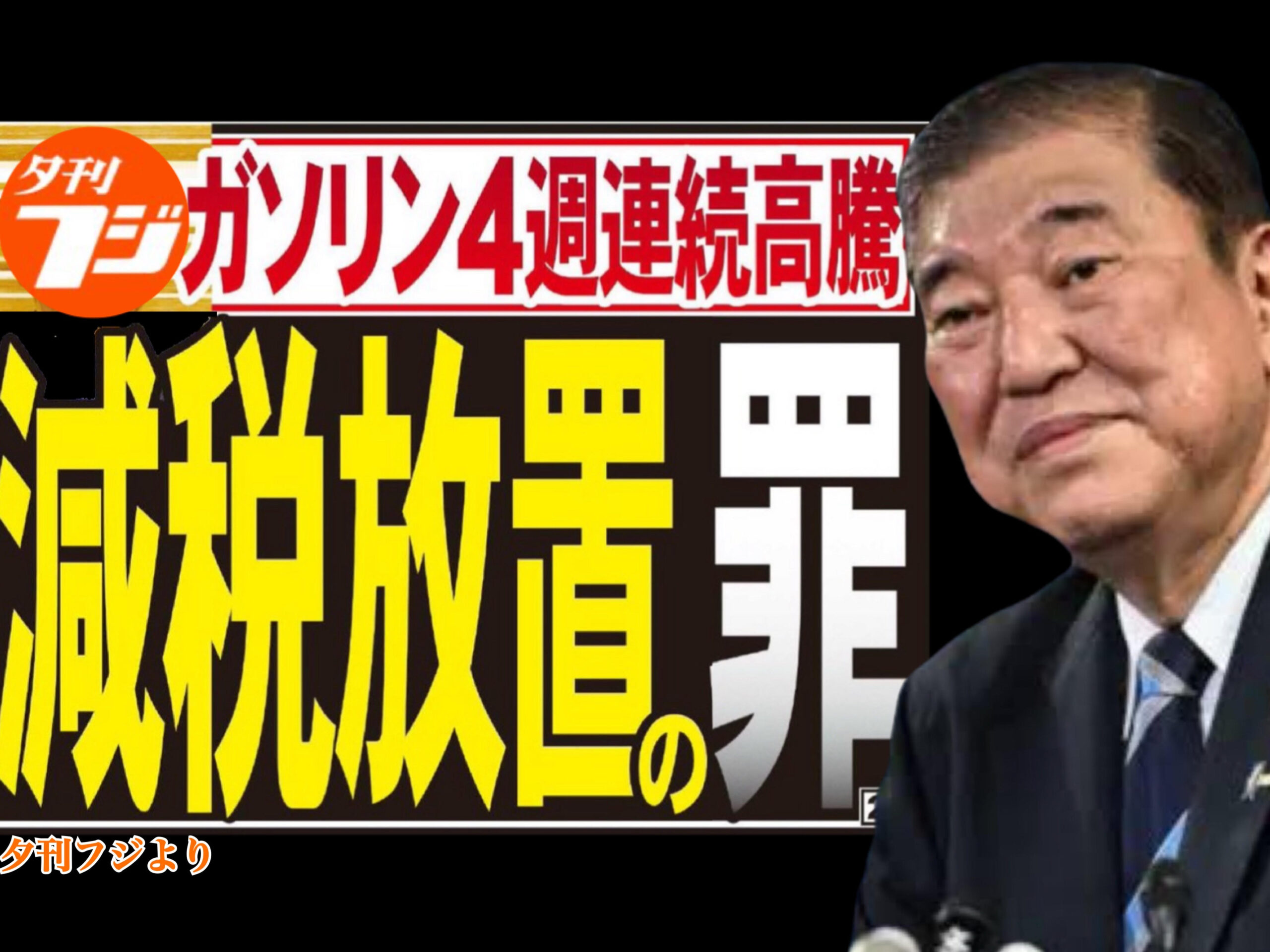
- [Yukan Fuji] "The Ishiba Shigeru administration is guilty of ignoring tax cuts! Gasoline prices have risen for four consecutive weeks, and with reduced subsidies, the price is expected to drop to the 185 yen range in the new year. Postponing the discussion for a year is a grave sin!"
- [Representative Matsushima Midori] "Mobile phone, reading, and falling asleep" ← Criticisms leveled at her work in the Diet
- [Prime Minister Ishiba] "Approximately 95% of those who change their surname upon marriage are women, and I feel strongly that we must acknowledge their sadness and suffering."
- [Prime Minister Ishiba] "There is nothing to do according to the policies of the presidential election" - Prime Minister's response causes a stir
- [Social Democratic Party, Yuko Otsubaki] "There are people other than Japanese living in Japan, so it is the job of politicians to take that into consideration. Don't make me say it again and again."
- Video [The importance of family registers] A Korean woman fraudulently receives welfare benefits, gives a false name and age, and lies about being on sick leave (2014 incident) ← "Without family registers, people like this can do whatever they want!"
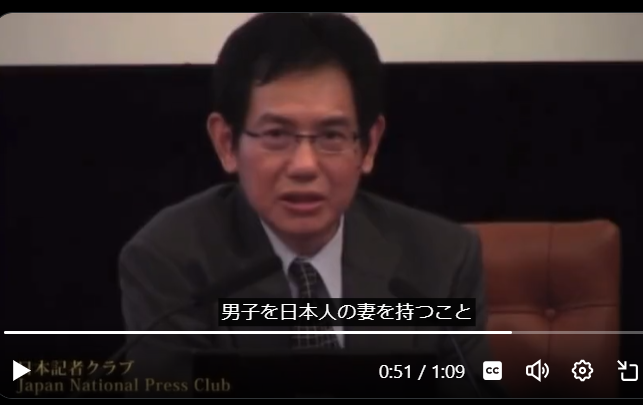
- A male major sponsor of the Mainichi Shimbun said, "To prevent a Sino-Japanese war, we should let young Chinese and Japanese people marry each other! For Chinese people, having a Japanese wife is the ideal! It's one of the happinesses!" (Past video)
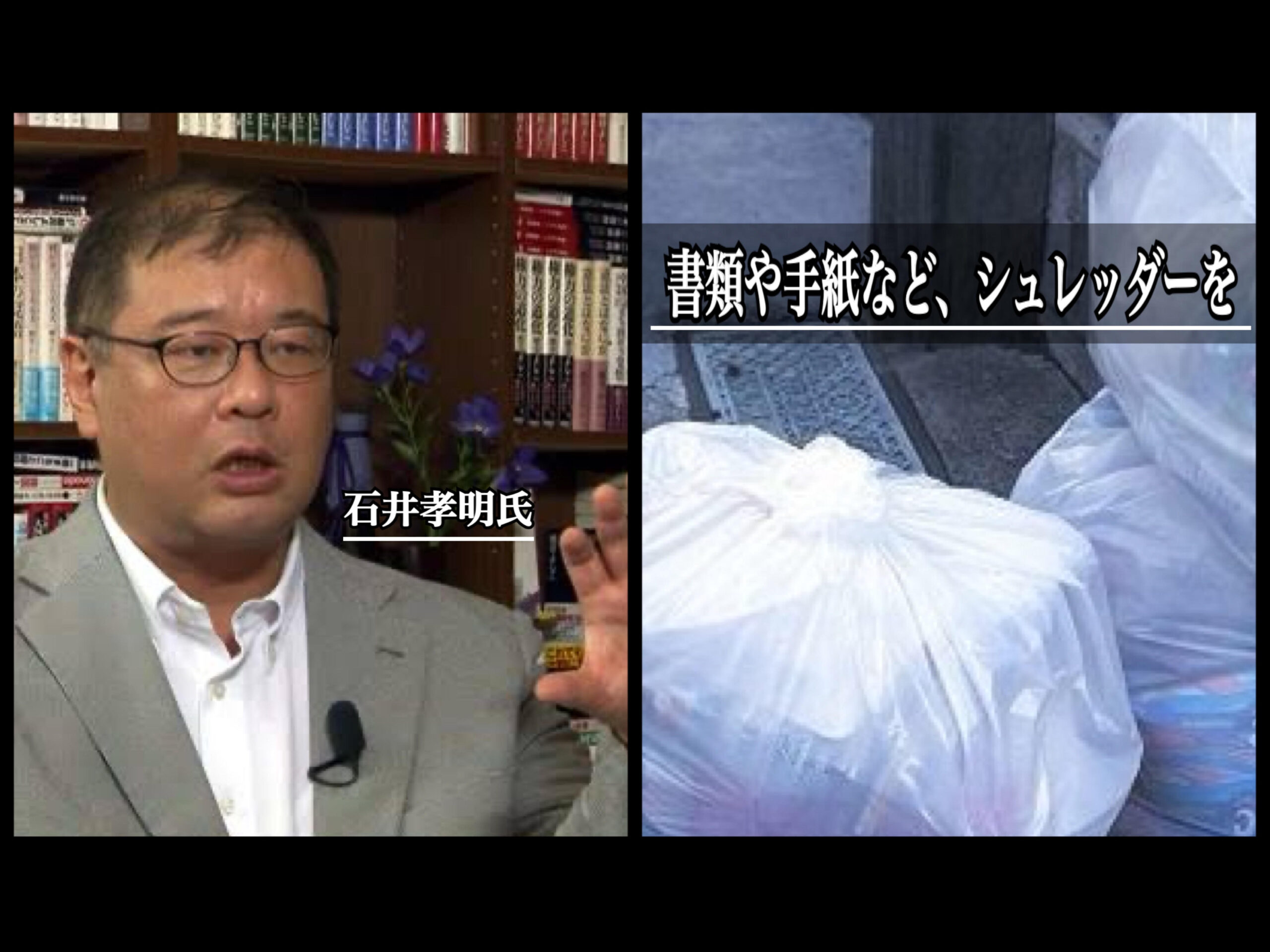
- [Warning] Takaaki Ishii: "I heard that the modus operandi of foreign crimes in Kawaguchi City is that Chinese people are stealing letters from garbage to get personal information. Be careful."
- [HIS Survey] The most popular overseas travel destination for the New Year holidays is Seoul, Korea - Yomiuri Shimbun
- [Benesse] Apologizes for Unauthorized Use of "Pokemon" Characters in Shinken Zemi Booklet / Caused by "Mistake in the Production Process"
- [Minister of Internal Affairs and Communications Murakami] False information on the internet: "Legal restrictions will be implemented if necessary"
- [Former LDP Tax Commission Chairman Noda] "Japan will collapse if it is dominated by fakes. Instead, people should be saying, 'Do your best, Ministry of Finance.'" Criticizing the sudden increase in criticism of the Ministry of Finance on social media
- [Kurdish issue in Kawaguchi] Governor Ohno of Saitama: "Every ethnic group has stories of migrating to work. (Regarding the repeated sexual assaults by Kurdish men) I can't say anything"
- [Koji Kikkawa and Tomoyasu Hotei] The two will donate 10 billion yen to establish a Noto reconstruction fund
- [Kurdish man seeking refugee status] Regarding the repeat sexual assault case / Prefectural assembly member: "This is a serious case in which a young girl was the victim. It is a serious issue as to why it was covered up, and I would like to pursue this in the assembly as well" → Saitama Prefectural Police refuse to provide an explanation
- [World Heritage Site Himeji Castle] Fees for foreigners postponed due to "difficulty in verification" - Free for those under 18, to be revised in 8
- [Obituary] Actress Miho Nakayama (54) found dead at her home in Shibuya Ward, Tokyo
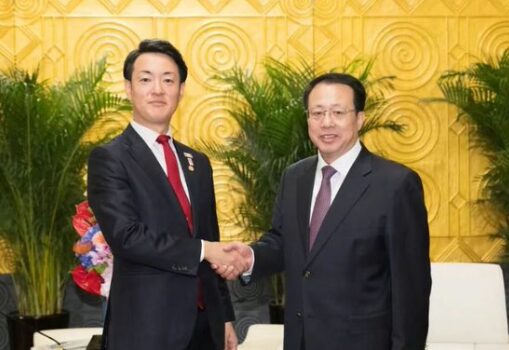
 [Meeting to mark the 50th anniversary of the Osaka-China Shanghai partnership] Mayor Yokoyama: "Please come to Osaka for next year's World Expo" Mayor of Shanghai: "Strengthening cooperation in tourism and investment" Highlighting close exchanges
- [Taro Kono] Bill to ban social media for those under 16: "It would be better if Japan did the same" - Will My Number authentication be introduced for SNS registration?
- [Six people, including a Chiba Prefectural Government employee, arrested] A group of seven teenage boys and men, including high school students, were attacked, cash stolen, and assaulted on suspicion of robbery.
- [Kurdish man] sexually assaulted a junior high school girl, and then sexually assaulted another girl while on suspended sentence - Saitama Prefectural Police not releasing details
- [My Number Health Insurance Card] 70% of medical institutions have problems with expired health insurance cards... Why are traditional health insurance cards a "helper"? [NTV]
- [Former lawmaker Tamotsu Shiiki] admits to sexually assaulting a first-year junior high school girl at first hearing → "Is this the Restoration Party?"
- Chinese-owned [Hotel with a view of Mt. Fuji] "I won't get caught by the Japanese police" The perpetrator who cut down a neighbor's cypress trees without permission and injected herbicides was arrested → The next day, the Chinese manager "fled the country" leaving his wife and children behind.
- [There are many things that cannot be made public] Prime Minister Ishiba says it is appropriate to not disclose some of the party expenditures, "This is not a loophole" - ruling and opposition parties question the LDP proposal in the House of Representatives Budget Committee
- Representative Hamada: "Purchasing shares in Fuji Media Holdings. I think purchasing shares is an effective way for people who want to say something to TV stations."
- [Chinese parent and child in Japan] "This is total discrimination!" Enraged by hospital survey! Contents: In response to questions such as "Will you keep to your queue? Will you make a fuss? Others," they called in a lawyer and protested / Some on the Internet said, "This is typical of Chinese people"
- Video [French person] "Why are you acting on the ridiculous premise that it's natural for Japan to accept refugees? It's up to the Japanese people whether they want to help them or not, and they have no obligation to convince them." Enraged by the Kurds in Japan
- [Russia-North Korea] "Strategic Treaty" comes into effect. Ratification documents exchanged, cooperation accelerates, de facto military alliance?
- [Shocking] More than 27 people have naturalized since 60
- Video [Mr. Igawa] "It's strange not to think about your children's generation." → Questioning politics that ignores future generations
- Warning [Anti-Japanese naturalized people] "The advantage of changing to Japanese nationality is that you can kill Japanese people you hate" → Prohibit naturalization from anti-Japanese foreigners, and improve the system urgently
- "He went into the sea without regard for his own danger..." U.S. Marines rescue woman swept out to sea off the coast of Zanpa Cape, Okinawa
- [Children under 9 years old] 1,000 people go missing in one year! The shocking reality of Japan. Over 80,000 people go missing nationwide every year → "Don't take your eyes off your children. They'll regret it for the rest of their lives. This should be broadcast on TV every day!"
- Shocking! [Number of naturalized people by nationality] Every year, 6,000 to 7,000 people become "Japanese" in China and Korea alone? The Heisei era was even more dangerous! [Photo] What is their purpose?
- Video [Chinese influencer in the video of "following" an elementary school girl] It turns out he was the same person who had been trespassing in city halls and councils across the country! → "There was no malicious intent. I will continue to post about Japan."
- [Sad news] The upper limit of national health insurance premiums will be raised to 2025 yen from fiscal year 3!

 [Representative Wada] "The investigation into the individual who is currently facing criminal charges for threatening and defaming me is also progressing steadily."
- [Chinese international students] "12 yen subsidy from the Japanese government! I don't understand why, but it's increased!" International students are receiving the subsidy one after another and are overjoyed to eat and drink without paying, spreading on SNS
- [Warning] Chinese state media reports that "bacteria, insects, insect eggs, and carcinogens have been found in Chinese-made sanitary napkins from 56 companies" → Chinese people in Japan have started a business of buying up and reselling Japanese-made sanitary napkins! Concerns about a domestic supply shortage
- Video [Chinese people in Japan] Receive child allowance of 2 yen per month for two children until they reach the age of 18 ← For some reason, foreigners are given preferential treatment over tax-paying Japanese people, creating a chaotic situation / The number of foreigners receiving benefits is currently increasing as the video spreads
- Video [Elon Musk] "To everyone around the world, you are the media now. What you know. What you hear. What you see. You broadcast it on your 𝕏."
- [100-Article Committee, Chairman Okutani] A family company went bankrupt → Was he involved in the Saito downfall due to personal grudge? He completely denies the allegations being spread on X, saying, "It is not a family business at all."
- [Kazumi Inamura] Social media accounts "frozen twice" during Hyogo Prefectural Gubernatorial Election → Criminal charges filed against an unspecified number of accounts for "unjust election interference" due to reports of "falsehood"
- [Insulting the people of Hyogo Prefecture] Maekawa Kihei: "The people of Hyogo Prefecture who elected Saito are stupid" / Suzuki Eight: "Saito supporters are a creepy, dangerous group with no common sense who don't even read newspapers" / Kayama Rika: "The people of Hyogo Prefecture were under mind control"
- Video [Sad news] Prime Minister Ishiba is mocked by Chinese people for eating rice balls in a messy way → [Sales ability 0, international sense 0, manners 0, everything else 0]
- [Warning] Chinese person: "Drone modification complete" "It's a pity there isn't a Japanese school in the area. Otherwise, drones would drop bombs at night."

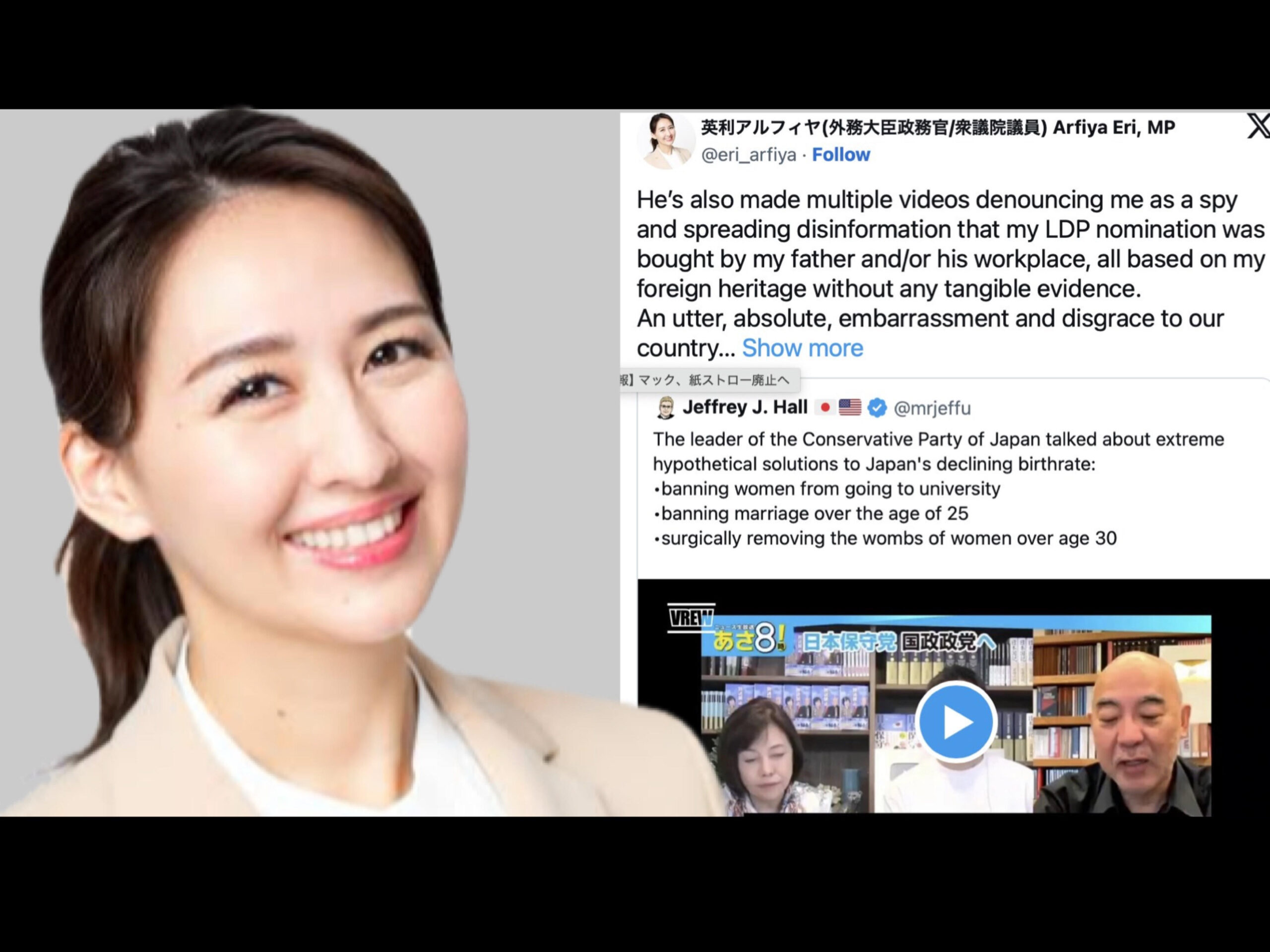
- [Mr. Hidetoshi Alfiya] It was discovered that he had spread criticism of the Japanese Conservative Party in "English" before he became Parliamentary Vice-Minister for Foreign Affairs. → To whom was he trying to spread his personal retaliation in English? "Just tell him directly. It's a mix of public and private matters."
- Video [Sad news] Sun TV desperately tries to delete inconvenient comments during an interview with Governor Saito Motohiko lol → Here is the decisive moment of suppression of free speech!
- Donald Trump, Elon Musk and RFK Jr. eat McDonald's on a plane
- Constitutional Democratic Party lawmaker: "Eradicate those who discriminate against Kurds"
- Video [NMIXX] ← Korean idol who performed "Dokdo is our territory" / Even a "2+ signature campaign" against holding a concert in Japan... "Please don't underestimate Japan" - harsh criticism
- [Doshisha University] An American who studied abroad in Japan on a non-repayable scholarship is spreading hateful rumours such as "There is a racial hierarchy in Japan and Africans are subhuman" and "Black people are called animals and monkeys"! This is an international issue!
- Video [Ministry of Finance SNS] Criticisms on social media surge after general election, exceeding 2000
- Social media version of the ranking of ministries and agencies that should be dismantled: 1st place: Ministry of Finance / 2nd place: Agency for Children and Families / 3rd place: Ministry of Health, Labor and Welfare
- Video [Italian Prime Minister Meloni] His stance of cutting taxes, increasing salaries, and refusing to accept illegal immigrants is a hot topic. Many people are envious of him as an "unwavering politician."
- Video [Chinese in Japan] "I'm a broker! Immigration Bureau has issued a notice regarding my status of residence for studying in Japan in October 2024. I'm very grateful to my school and teachers. I'm very satisfied!" Proudly spreading the news on social media
 Taiwan, winner of first Premier12 title, declines champagne fight, saying "We don't want to soil the venue or cause trouble. We'll take the joy home with us"
- Video [Sad news] Elementary school karate incident: The person who was kicked was somehow suspended for three years → Furthermore, the kick resulted in the student being rushed to hospital with a cervical sprain and a full recovery period of three weeks
- [Video] Soccer players show respect for their team symbol. People from other countries should watch this and learn how cool it is to show respect for the national flag!
- [Good news] Bridgestone to end Olympic sponsorship, leaving Japanese companies at zero

- [Saitama Governor Ohno] The Sankei Shimbun article cut out a part of my general opinion on economic refugees and rewrote it in a way that misleads people into thinking I was speaking about a specific ethnic group. [Article included]NEW
- "I'm sick" - Repeated medical examinations aimed at provisional release - Former Immigration Bureau chief speaks about detention conditions - detainees kick walls, throw things, pour boiling water, soil facilities with feces and urine, etc. It also emerged that a Kurdish man on provisional release committed a sex crime again in Saitama
- [Good news] Government to maintain ownership of NTT shares; foreign investment restrictions also announced at Ministry of Internal Affairs and Communications expert meeting
- [Video] Governor Ohno of Saitama Prefecture: "We look forward to welcoming everyone from China in safety and security! Please come to Saitama Prefecture!" It was revealed that the prefecture had been inviting Chinese people regularly for some time (video 2022)
- [Video] Yukiko Yoshida, a member of the Diet, said, "Working women are cool, and I want to support and respect women who want to do that. But aren't stay-at-home moms who want to raise their children themselves also a great example of 'women empowerment'?"
- [Second generation immigrant] "Aren't the Japanese government and police protecting immigrants who commit crimes too much? It's making it difficult for well-behaved foreigners to live, so I really wish they'd stop! If they don't punish those who should be punished severely without any consideration for others, society will fall apart."
- [Japan is a paradise for sex offenders] Even if found guilty, they are released after a few years, and some are not prosecuted due to language barriers. The LGBT law also clearly shows disregard for the human rights of women and children. Female lawmakers are also silently accepting it, it's hell, the Liberal Democratic Party
- Former Constitutional Democratic Party lawmaker [from India, school principal] "I want to change Japan's education system! I'm thinking of banning Japanese language from club activities!" → What is the educational philosophy of this man with a diverse background as a former Mizuho Bank research officer, former deputy general manager of Rakuten Planning, and lawmaker?
- [Breaking News] Shimane Nuclear Power Plant Unit 2 restarts for the first time in about 13 years. It is the second reactor of the same type as the Fukushima Daiichi Nuclear Power Plant in Japan after the Onagawa Nuclear Power Plant in Miyagi Prefecture in October.
- [Representative Matsushima Midori] "Mobile phone, reading, and falling asleep" ← Criticisms leveled at her work in the Diet
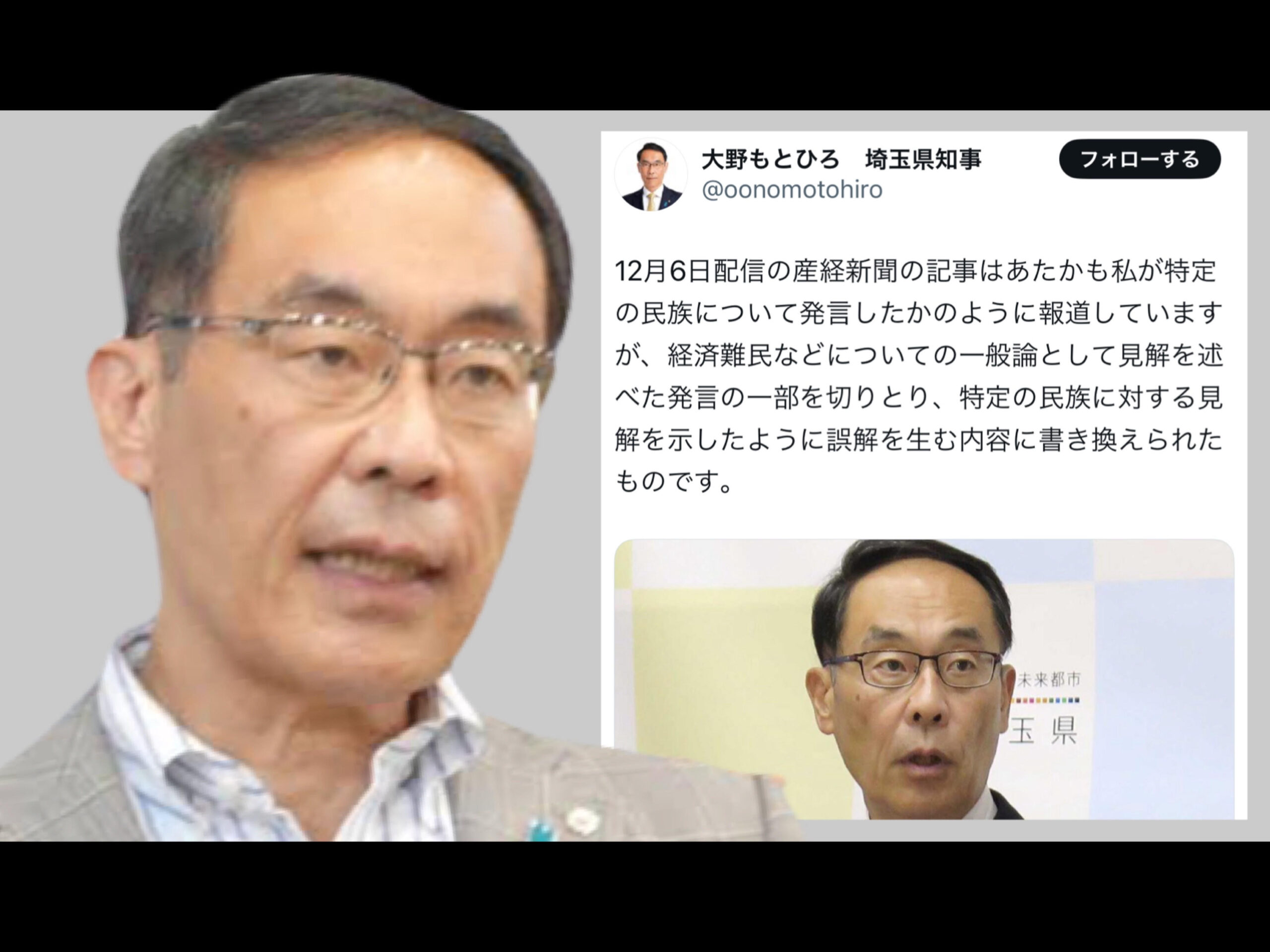
 Video [The importance of family registers] A Korean woman fraudulently receives welfare benefits, gives a false name and age, and lies about being on sick leave (2014 incident) ← "Without family registers, people like this can do whatever they want!"
- A male major sponsor of the Mainichi Shimbun said, "To prevent a Sino-Japanese war, we should let young Chinese and Japanese people marry each other! For Chinese people, having a Japanese wife is the ideal! It's one of the happinesses!" (Past video)
- [Warning] Takaaki Ishii: "I heard that the modus operandi of foreign crimes in Kawaguchi City is that Chinese people are stealing letters from garbage to get personal information. Be careful."
- [HIS Survey] The most popular overseas travel destination for the New Year holidays is Seoul, Korea - Yomiuri Shimbun
- [Benesse] Apologizes for Unauthorized Use of "Pokemon" Characters in Shinken Zemi Booklet / Caused by "Mistake in the Production Process"
- [Minister of Internal Affairs and Communications Murakami] False information on the internet: "Legal restrictions will be implemented if necessary"
- [Former LDP Tax Commission Chairman Noda] "Japan will collapse if it is dominated by fakes. Instead, people should be saying, 'Do your best, Ministry of Finance.'" Criticizing the sudden increase in criticism of the Ministry of Finance on social media
- [Kurdish issue in Kawaguchi] Governor Ohno of Saitama: "Every ethnic group has stories of migrating to work. (Regarding the repeated sexual assaults by Kurdish men) I can't say anything"
- [Kurdish man seeking refugee status] Regarding the repeat sexual assault case / Prefectural assembly member: "This is a serious case in which a young girl was the victim. It is a serious issue as to why it was covered up, and I would like to pursue this in the assembly as well" → Saitama Prefectural Police refuse to provide an explanation
- [World Heritage Site Himeji Castle] Fees for foreigners postponed due to "difficulty in verification" - Free for those under 18, to be revised in 8
 [Prime Minister Ishiba] "Next year there will be an Upper House election. Not for the sake of the LDP, but for the sake of Japan, I would like to ask all local organizations to give me stern opinions and scolding." → Is he serious? Willing to rebuild the party. Is he also eager for the Upper House election?NEW
- [Representative Hamada Satoshi] I will not vote for politicians who raise taxes. I hope this becomes the norm in Japan as well.
- [Prime Minister Ishiba] "Approximately 95% of those who change their surname upon marriage are women, and I feel strongly that we must acknowledge their sadness and suffering."
- [Prime Minister Ishiba] "There is nothing to do according to the policies of the presidential election" - Prime Minister's response causes a stir
- [Social Democratic Party, Yuko Otsubaki] "There are people other than Japanese living in Japan, so it is the job of politicians to take that into consideration. Don't make me say it again and again."
- [There are many things that cannot be made public] Prime Minister Ishiba says it is appropriate to not disclose some of the party expenditures, "This is not a loophole" - ruling and opposition parties question the LDP proposal in the House of Representatives Budget Committee
- Video [Breaking News] Ishiba Cabinet's approval rating is 42.1%, up 3.2 points from the previous survey, JNN opinion poll
- [Video] Over 100 high-value dining experiences for cabinet ministers totaling 23 million yen in 1900! Chief Cabinet Secretary Hayashi: approx. 930 million yen / Finance Minister Kato: approx. 590 million yen / Prime Minister Ishiba: approx. 77 yen...
- Video [Kamiya, member of the Democratic Party] "Maintaining Japan's distinctive character as a nation of Japanese people is the essence of protecting the diversity of the world. If all countries were to become multi-ethnic mixed societies, true diversity would be lost and the world would become a homogenized society."
- Video [Mr. Kamiya of the Democratic Party of Japan] "Wouldn't it be problematic for our national defense to allow a large number of people with nationality from countries that have a National Defense Mobilization Law to work in national public institutions?" → Japanese government: "It is difficult to answer that question"
 [What?] Decision made to keep the salaries of Prime Minister Ishiba and his cabinet members unchanged for fiscal 2024 → In consideration of public sentiment and the situation on the Noto Peninsula, the government gave up on salary increases
- Spread the word! [Conservative Party lawmaker Shimada] expresses intention to pursue the issue of the JFBA sealing the Kurdish report in the Diet
- [Sad news] Former Prime Minister Kishida, who had only considered the matter, advises Prime Minister Ishiba to "have politics that produces results"
- [Former Prime Minister Kishida] Eyeing a "return to power"? New Diet group launched
- [Election News] Nagoya mayoral election: Ichiro Hirosawa certain to win, Takashi Kawamura nominated as successor, first new mayor in 15 years
- Ishiba Cabinet's approval rating plummets to 31%, disapproval rating reverses [Mainichi Shimbun opinion poll]
- Governor Denny Tamaki: "I want you to make an effort to respond as much as possible" Request for an increase in "lump sum grants" that local governments can use freely → "You're engaged in so much anti-Japanese activity, yet you still ask for money..."
- [Chinese Consulate General] Government protests against "inappropriate" post by X saying "For proportional representation in the House of Representatives election, please write 'Reiwa'" / → China probably agrees with the Reiwa ideology
- [US Department of Justice] Chinese national indicted on suspicion of bribery of five Japanese Diet members ← Foreign Minister Iwasaki is among the five
- [Prime Minister Ishiba] Criticisms flood in over his behavior at APEC! He was on his smartphone during the summit, shook hands with a foreign leader while still seated, crossed his arms at the ceremony, and was late for the group photo... Honestly, I don't want people to think that this is what it means to be Japanese.
 [Russia-North Korea] "Strategic Treaty" comes into effect. Ratification documents exchanged, cooperation accelerates, de facto military alliance?
- Video [Breaking News] Troops withdraw from South Korea's National Assembly building. Martial law lifted. South Korean president's "one-man coup" fails. Is his "downfall" inevitable? Possibility of new anti-Japanese government born with regime change.
- Video [Nitori President] "We cannot survive without China. China is the center of the world." Nitori opens its 105th store in China and its 20th store in Shanghai. Nitori plans to open XNUMX% more stores in China each year.
- [Breaking News] Chinese nationals and tourists living in Japan are buying up toothpaste at Japanese pharmacies and starting to resell it → Chinese media announces that "94% of Chinese-made toothpaste contains carcinogenic substances" / Formaldehyde levels more than 20 times the legal limit!
- [China kidnapping case] A 13-year-old female student (Ms. Zhang) went missing on her way to school. Her parents searched for her and found her body three days later, with both eyes, kidneys, liver and spleen removed. Shaanxi Province
- Video [3 million yen bribery scandal] Foreign Minister Iwasaki: "It's over" → "So you're admitting it, huh? LOL" *The statute of limitations has not yet expired in the US
- [Breaking News] Chinese company CEO Pan Zhengming indicted for bribing Japanese Diet members, providing a total of 26.5 million yen to the Diet members. The indictment states that he was a "senior government official in charge of infrastructure, transportation, and tourism" in the Japanese government. US Department of Justice / Iwaya denies the allegations.
- Video [Smiling Minister of Foreign Affairs Iwao] "I visited Italy to attend the G7 Foreign Ministers' Meeting and other events!" → Internet users say, "Isn't there something else you need to explain?"
- [China] Even after the murder of a 10-year-old Japanese boy, China's travel risk level remains unchanged despite so many brutal incidents occurring. Is the Ministry of Foreign Affairs serious about protecting Japanese people?
- Image: "I'll torture a cat for you" "I'll stab needles all over the body, even the eyeballs," "I'll pour sulfuric acid over it and dissolve it"... The cruel reality of China's "animal abuse business" where dogs and cats are tortured and then killed

 Chinese police detain more than 5 people on suspicion of internet fraud
- [Attention] China may have cut undersea communications cables in Northern Europe; Denmark monitors Baltic Sea
- [Good news] Turkish government implements measures to prevent those who have been ordered to leave Japan from boarding planes again. Immigration Bureau allocates budget to return those who can be returned.
- [World's first] Australian government submits bill to ban social media use by those under 16, with fines of up to 50 billion yen for violators
- [VIDEO] Russia begins mass production of nuclear bomb shelters for its citizens!
- Breaking News: Ukraine launches US long-range missile, prompting Putin to threaten nuclear use. — Insider Paper
- Video [China] Bullying of a 9-year-old son may have been the motive for the crime. Many children were hit and injured by a car in front of an elementary school in Changde, Hunan Province, China.
- BREAKING: Ukraine has launched six US long-range missiles at targets inside Russia.
- [Breaking News] Sweden and Finland urge residents to prepare for war
- Video [Hunan Province, China] Several children are hit by a car in front of an elementary school. It is abnormal that the travel risk level for a country where such indiscriminate killings continue is "zero". The Ministry of Foreign Affairs should immediately raise the risk level for China!

- [Yukan Fuji] "The Ishiba Shigeru administration is guilty of ignoring tax cuts! Gasoline prices have risen for four consecutive weeks, and with reduced subsidies, the price is expected to drop to the 185 yen range in the new year. Postponing the discussion for a year is a grave sin!"
- [LDP/Komeito] Proposal to provide 3 yen to low-income households and an additional 2 yen to child-rearing households approved in principle → "This is a country where tax-paying citizens are not rewarded. Paying taxes is stupid!"
- [Employees' Pension Insurance] The "106 million yen barrier" for part-time workers to join regardless of annual income will be abolished, but burdens may increase
- [Ishiba Cabinet] Announcement of 40 billion yen in grant aid to Tanzania for road construction
- [Sad news] Economist: "With Ishiba as president, the consumption tax increase to 15% is confirmed. The Ministry of Finance is aiming for even more than 15%."
 [Miho Nakayama] Considering "farewell event" at a later date, agency makes "important request" and "please refrain from interviews" funeral not disclosed [full text]
- [Fuji TV] Criticisms mount over surprise interview with Shinobu Nakayama, sister of the late Miho Nakayama
- [Koji Kikkawa and Tomoyasu Hotei] The two will donate 10 billion yen to establish a Noto reconstruction fund
- Talent Pico passes away at age 79... He gained popularity with his twin brother in the comedy duo "Osugi and Pico"

Everyone's comments
- Chinese money and honey traps are waiting for you
- The only option is to boycott Kawaguchi Auto Race
- The strangeness of how our internal spies are driving Chinese aggression
- This guy is crazy
- Stop it. We don't need China in Saitama. We don't need China in Japan. And the Kurds.
- There are a lot of Chinese people around my house. We don't need any more Chinese. I can't stand by and watch Japan being destroyed.
- Is there any benefit to the governor for doing that? For example, kickbacks and vote-gathering. Mr. Shindo, Saitama is so obvious, is there something going on?
- A despicable man who smirks and panders to anti-Japanese nations. If the people of Saitama are serious about changing the Saitama of today, in the near future we will no longer see this man's face like this.
- Governor Ohno Motohiro of Saitama Prefecture prioritizes the Kurds. Governor Ohno Motohiro of Saitama Prefecture uses the Kurds to drive out the Japanese and allows a large number of Chinese to immigrate.
- So Nishikawaguchi is full of 47s. It used to be a red light district, but now it's a Chinese district. It's awful.
- Mayor deeply involved in Chinese interests. It's confirmed that Chinese politicians are the ones pushing for immigration.
Editor B’s opinion
There seems to be a mixed reaction to the topic of Saitama Governor Ohno's active efforts to attract foreign tourists, especially Chinese tourists. In particular, many prefecture residents feel uncomfortable with statements such as "We look forward to welcoming our Chinese guests safely and securely" and the PR of Saitama Prefecture in media related to the Chinese Communist Party. Attracting tourists is a meaningful initiative that revitalizes the local economy, but when considering the background and impact, many questions arise.
For example, I feel there is a lack of clear data on the actual economic impact that Chinese tourists have in Saitama Prefecture. There are reports that many of the group tourists who visit Kawagoe arrive early in the morning and finish sightseeing before the stores open. This means that we can hardly expect any direct economic impact on local shops. Rather, it is likely that they will end up just putting a strain on the infrastructure of tourist destinations. I wonder how much the governor understands the actual situation on the ground like this.
Furthermore, it is important to pay attention to how the increasing influx of foreigners is affecting local residents. In southern Saitama, supermarkets specializing in Chinese food are on the rise, and it is said that many Chinese people visit these places every day. This in itself can be seen as a contribution to the local economy, but at the same time, careful consideration must be given to how rapid population change will affect social services such as education and healthcare. In particular, in the field of education, if there is no system in place to deal with language and cultural differences, it will place a heavy burden on children.
I'm sure many residents of the prefecture also feel uneasy about the episode in which the governor expressed joy at receiving a 100 million yen donation from a Kurdish person. I understand that the governor wants to promote coexistence with foreigners, as symbolized by this donation, but more than that, he should have a responsibility to explain to the prefecture's residents how much of our tax money is being used to support foreigners. It is particularly problematic that an increasing number of residents feel that subsidies and welfare support for foreigners are being given priority over Japanese people. I think that policies should be put in place to ensure fairness and not put Japanese people at a disadvantage.
While the governor is enthusiastic about attracting foreign tourists, many people feel that the lives and rights of Japanese people are being neglected. In particular, distrust of the current situation is growing, to the point that there are voices of anxiety that "Saitama Prefecture may no longer be a part of Japan." If such dissatisfaction is left unchecked, it will not only lose the trust of residents, but it could also lead to division of the entire local community.
Saitama Prefecture should also think carefully about its PR efforts through media outlets related to the Chinese Communist Party. Targeting the Chinese market is understandable, but considering Japan's domestic security and economic independence, we need to be careful about initiatives that cause anxiety to some residents. We should examine what long-term effects deepening ties with a specific country will have and proceed with transparency.
Furthermore, instead of focusing only on attracting foreign tourists, we should simultaneously implement measures that allow local residents and businesses to feel the benefits. For example, we need to strengthen mechanisms that encourage tourists to spend more in their local area and initiatives that lead to the growth of local industries. At present, the increase in foreign tourists appears to be placing a burden on local residents in some areas, so it is essential that we find a solution to this problem.
Finally, while it is important to promote Saitama Prefecture's inherent charms, I strongly feel that we should value the voices of local residents more. In order to promote coexistence with foreigners, the first step is to create an environment in which local residents can live with peace of mind. Without this, no matter how many tourists we attract, true regional revitalization will not be achieved.
Written by: Editorial Department B
Latest articles
- [Prime Minister Ishiba] "Next year there will be an Upper House election. Not for the sake of the LDP, but for the sake of Japan, I would like to ask all local organizations to give me stern opinions and scolding." → Is he serious? Willing to rebuild the party. Is he also eager for the Upper House election?
- [Saitama Governor Ohno] The Sankei Shimbun article cut out a part of my general opinion on economic refugees and rewrote it in a way that misleads people into thinking I was speaking about a specific ethnic group. [Article included]
- "I'm sick" - Repeated medical examinations aimed at provisional release - Former Immigration Bureau chief speaks about detention conditions - detainees kick walls, throw things, pour boiling water, soil facilities with feces and urine, etc. It also emerged that a Kurdish man on provisional release committed a sex crime again in Saitama
- [Good news] Government to maintain ownership of NTT shares; foreign investment restrictions also announced at Ministry of Internal Affairs and Communications expert meeting
- [Video] Governor Ohno of Saitama Prefecture: "We look forward to welcoming everyone from China in safety and security! Please come to Saitama Prefecture!" It was revealed that the prefecture had been inviting Chinese people regularly for some time (video 2022)



Comment