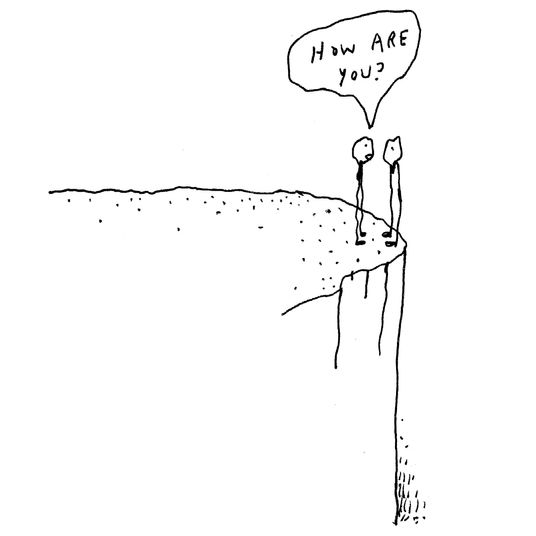
First, the West Wing actor Bradley Whitford put it on X. Not long after, New Hampshire congresswoman Annie Kuster was saying it. Soon, with October winding down, Tim Walz was using the phrase with party activists in Wisconsin, off-stage and away from microphones. By late this week, it was being whispered across Kamala Harris campaign headquarters in Delaware. Now, ask any plugged-in Democrat how they’re feeling in the final 100 hours before Election Day, and there’s a good chance they’ll tell you they’re “nauseously optimistic.”
That feeling is largely based on the campaign’s close monitoring of early voting data from the seven battleground states, and its evolving understanding of who has already cast ballots and who’s left to convince. The posture is driven both by reports from the field, especially from canvassers in competitive suburbs, and by senior advisers staring at the analytics in Wilmington. It’s far from a prediction of a win. Instead, it’s a belief that Harris maintains achievable paths to winning a majority or plurality of the vote in the tightly contested states — each of which they see as effectively tied, and almost all of which they see as home to a Democratic advantage in get-out-the-vote operations.