The Mission
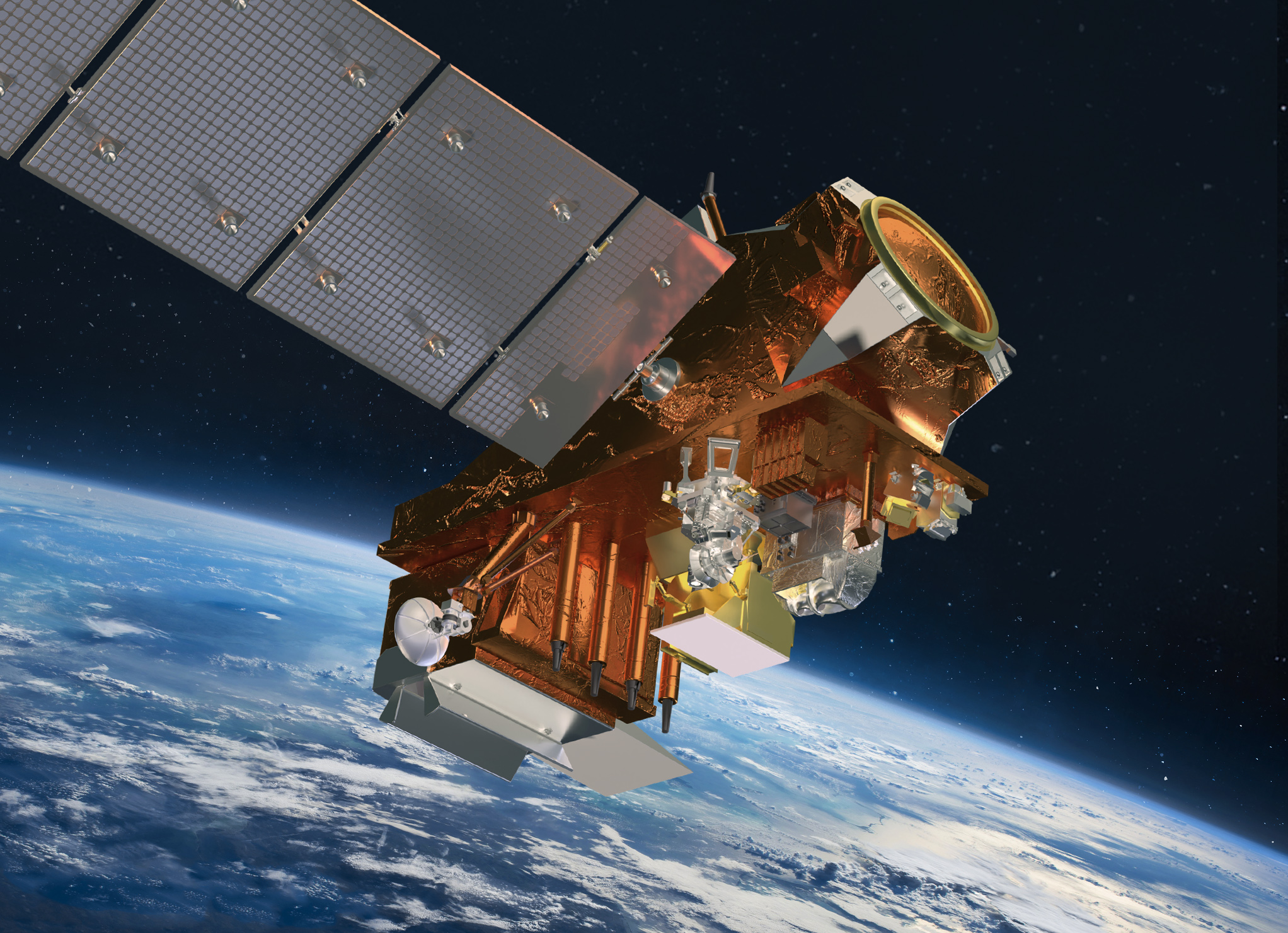
NOAA’s Joint Polar Satellite System (JPSS) provides global observations that serve as the backbone of both short- and long-term forecasts, including those that help us predict and prepare for severe weather events. The five satellites scheduled in the fleet are the currently-flying NOAA/NASA Suomi National Polar-orbiting Partnership (Suomi NPP) satellite, NOAA-20, previously known as JPSS-1, NOAA-21, previously known as JPSS-2, and the upcoming JPSS-3 and JPSS-4 satellites.
JPSS-4, to be renamed NOAA-22 in orbit, will be the next JPSS satellite to launch, with a launch readiness date of 2027. In addition to the four instruments flying on NOAA-21, JPSS-4 will include Libera, an instrument that will improve our understanding of trends in Earth’s energy imbalance and our changing climate.
JPSS satellites circle the Earth from pole to pole and cross the equator about 14 times daily in the afternoon orbit to provide full global coverage twice a day. In doing so, they provide the majority of data that informs numerical weather forecasting in the U.S. and deliver critical observations during severe weather events like hurricanes and blizzards.
Explore


Key Facts
NOAA-21, NOAA-20, and Suomi NPP Orbits

JPSS News
-
The USDA uses the Vegetation Health Index (VHI) generated with VIIRS data to enhance crop…
-
NASA, on behalf of NOAA, has selected Space Exploration Technologies Corporation (SpaceX) of…