Connect with us
SportsLook Banner

Culture

Retired Racehorse Becomes Best Friends with Meto the Cat

The retired racehorse sanctuary in Hokkaido is home to legends like Meisho Doto. There, Meto is winning the hearts of many fans, including this photojournalist.

Published

on

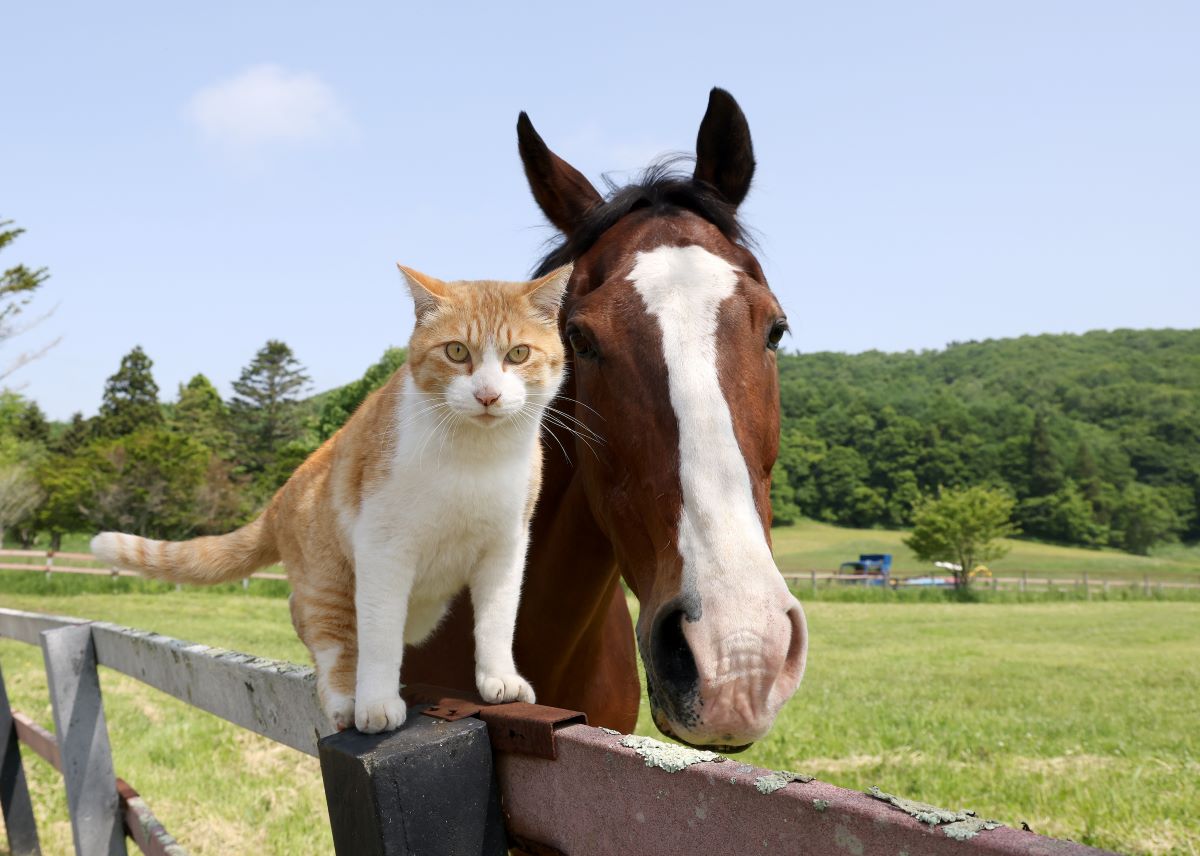
Meto the cat and Meisho Doto at the Northern Lake ranch. (©Sankei by Shuji Ozaki)

Northern Lake ranch is a sanctuary for retired horses in Shikabe Town, Hokkaido. It houses six horses and a cat named Meto. Estimated to be around five years old, Meto is often seen snuggling up to a racehorse and has become almost as famous as the thoroughbreds themselves, thanks to social media.

Opened in July 2020 by Yasuyuki Kawagoe, a former stable hand of the Japan Racing Association, and Sachie Sasaki, a horse-racing writer, Northern Lake was established on land that had been abandoned for about five years. The ranch required extensive work, including clearing overgrown fields.
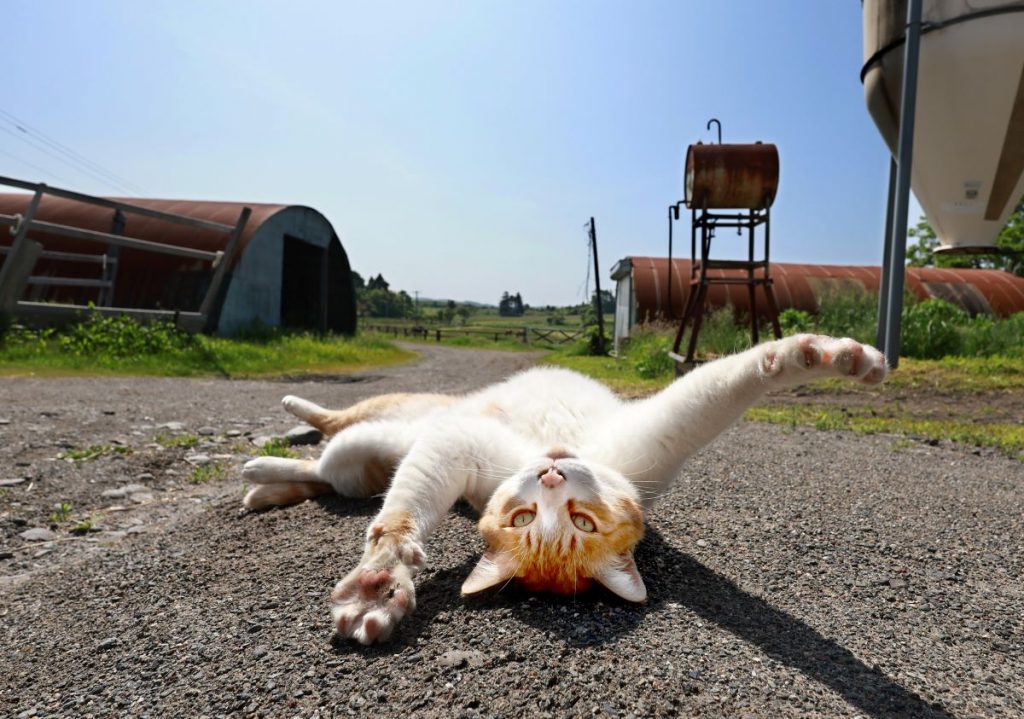
Meto the cat isn't shy around horses or people. (©Sankei by Shuji Ozaki)

Meto's Arrival

Three days after the horses moved in, Meto appeared seemingly out of nowhere. Friendly from the start, it quickly adapted to ranch life, forming a strong bond with the horses. Meto's closest companion is Meisho Doto, a 28-year-old retired horse entrusted to the ranch by the certified NPO Retired Horse Association. Meisho Doto is celebrated among horse racing fans for a distinguished career, including victories like the 2001 Takarazuka Kinen (Grade 1) and five other graded wins.
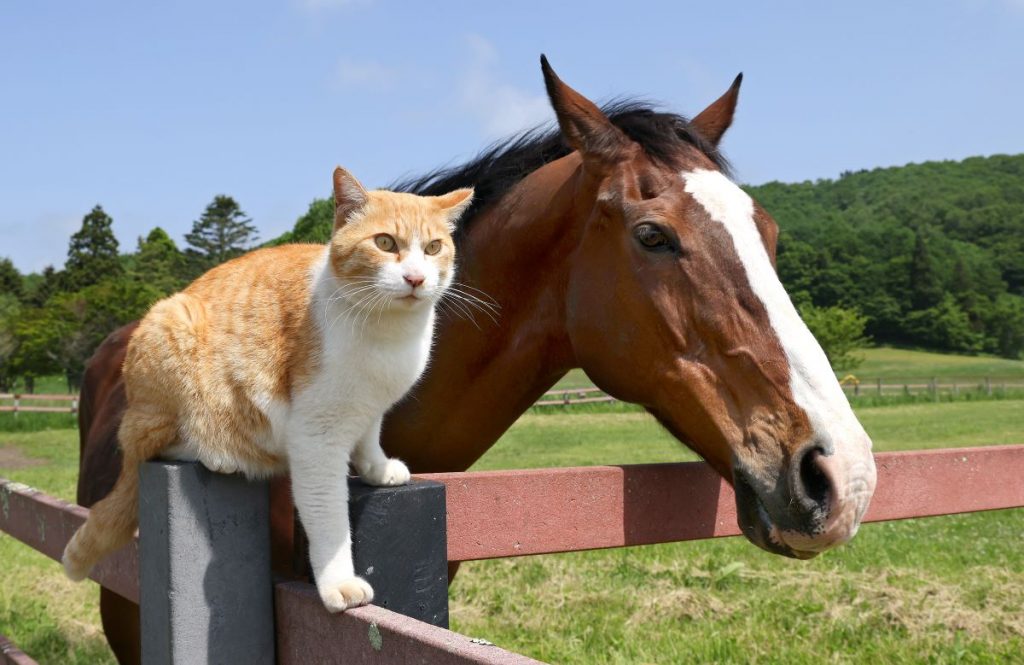
Meto and retired Grade 1 racehorse Meisho Doto. (©Sankei by Shuji Ozaki)

I was captivated by the heartwarming videos of Meto and Meisho Doto on social media. What intrigued me even more was the ranch's announcement at the end of 2023 that it would welcome the racehorse Neko Punch ("Cat Punch"). As a cat lover and photographer, I couldn't miss the opportunity to capture the interaction between Meto the cat and Neko Punch the racehorse.

Having covered horse racing in the 1990s, I knew I had to be sensitive around thoroughbreds given their nervous nature. Contrary to my apprehension, both Meisho Doto and Neko Punch were friendly and cooperative during my photoshoot. Of course, I couldn't have done it without Sasaki's guidance.
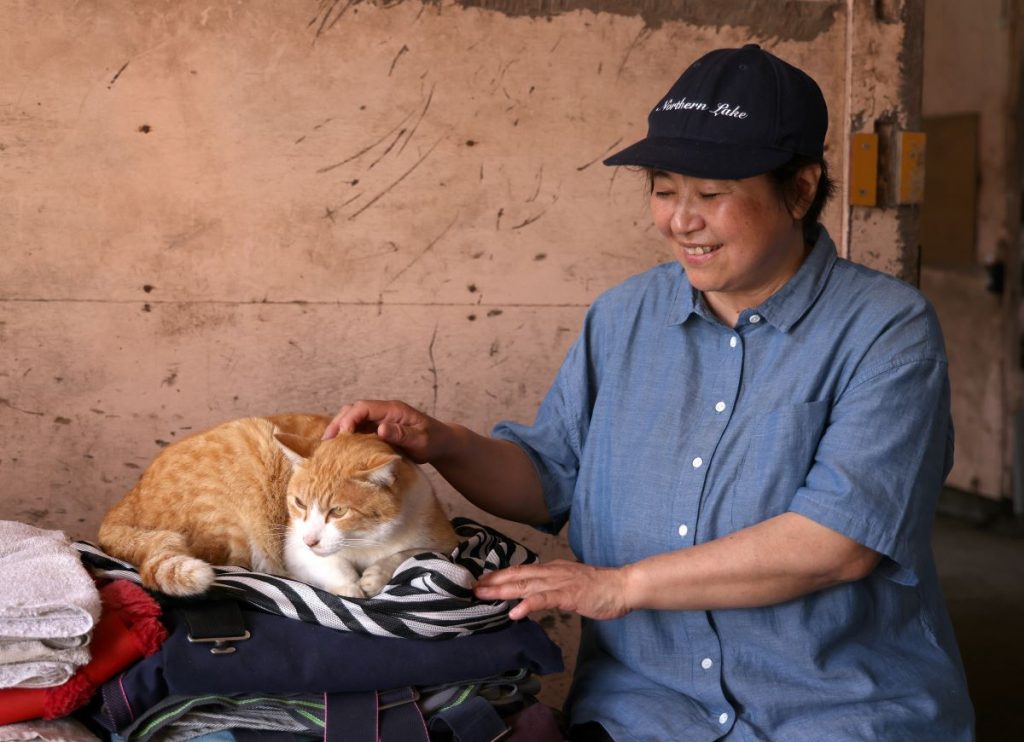
Meto relaxes next to horse-racing writer Sachie Sasaki. (©Sankei by Shuji Ozaki)

A Successful Photoshoot

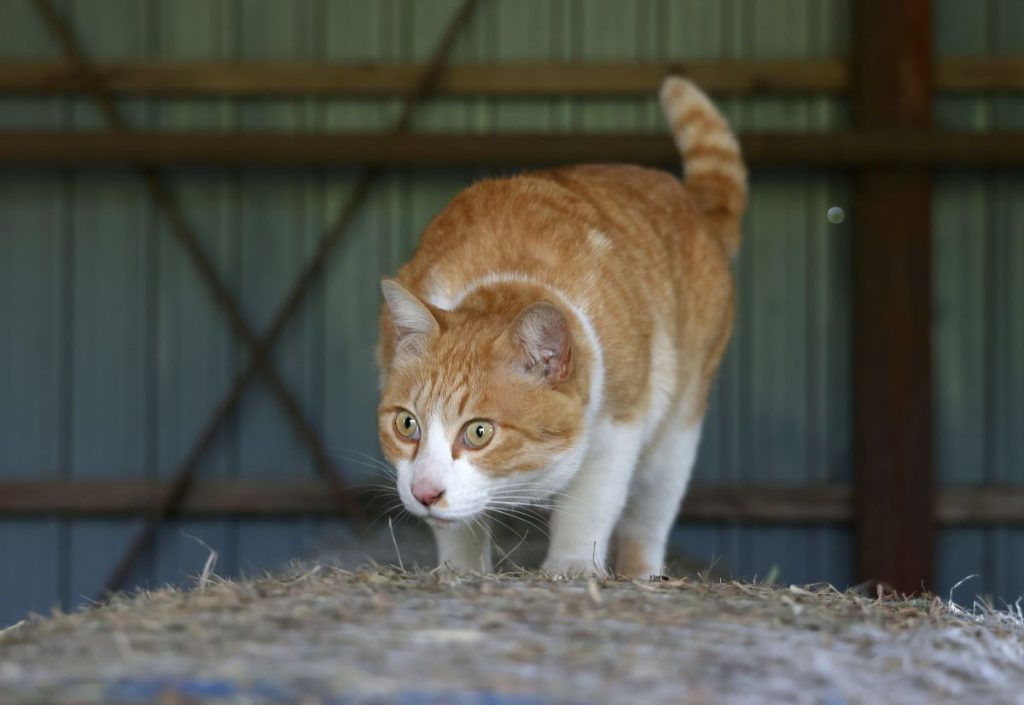
Following Meto on patrol in the grazing area, I captured its interactions with the horses. When I approached Meto, it looked at me with an expression that seemed to ask, "Are we done?" before returning to the stable. I was amazed at the cat's intelligence. My respect for Meto increased further after learning that one of the lawnmowers at the ranch was purchased with proceeds from Meto's photo book, created by its fans.
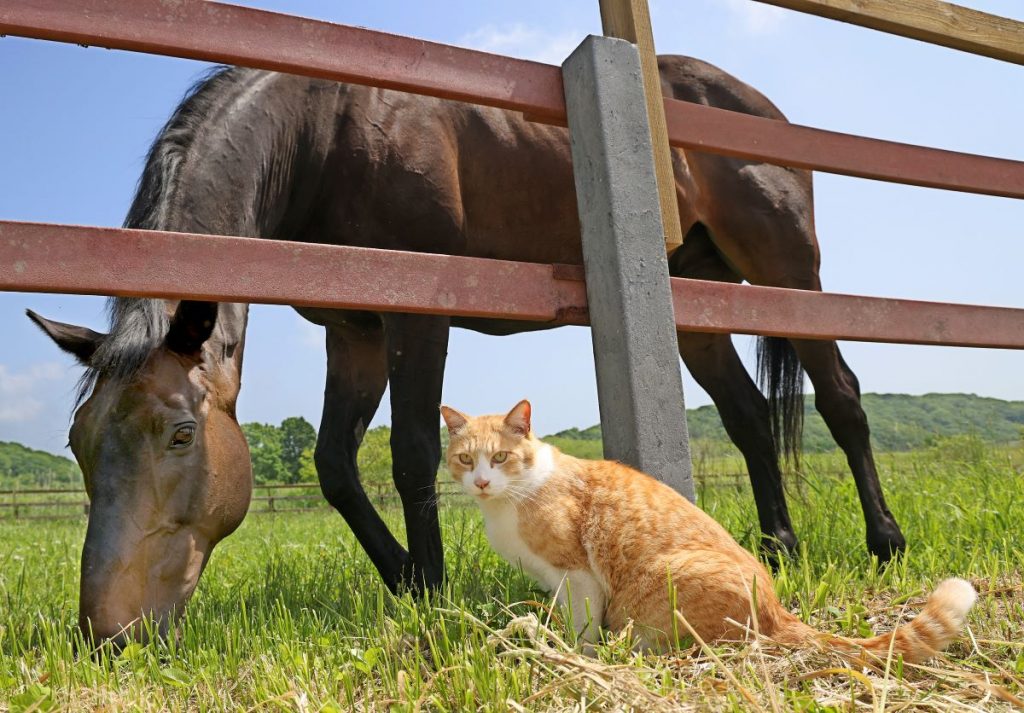
Meto with racehorse Neko Punch, which retired and joined the Northern Lake ranch in December 2023. (©Sankei by Shuji Ozaki)

I was also impressed to see how all six horses had been groomed to a stunning, glossy shine. They were clearly lovingly cared for. Kawagoe, a former stable hand, had received a Best Turned Out Award in Britain. The award evaluated the quality of grooming and training of horses that walked the paddocks, as well as the harmony between the horse and handler. This recognition strongly conveys how sincerely and carefully he interacts with and cares for the horses.
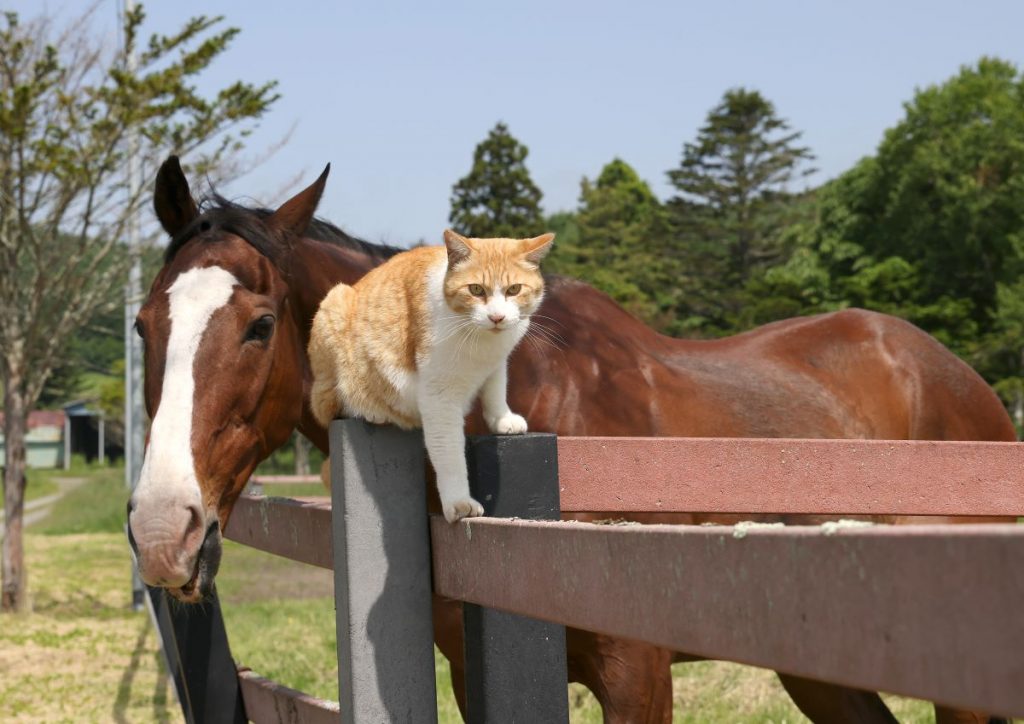
Meto and retired Grade 1 racehorse Meisho Doto. (©Sankei by Shuji Ozaki)

Challenges and Future Plans

Kawagoe and Sasaki laughed, saying, "We never expected a cat to attract this much attention." They added, "Without Meto, we wouldn't be where we are today." Their love for the ranch's residents is clearly creating a virtuous cycle.
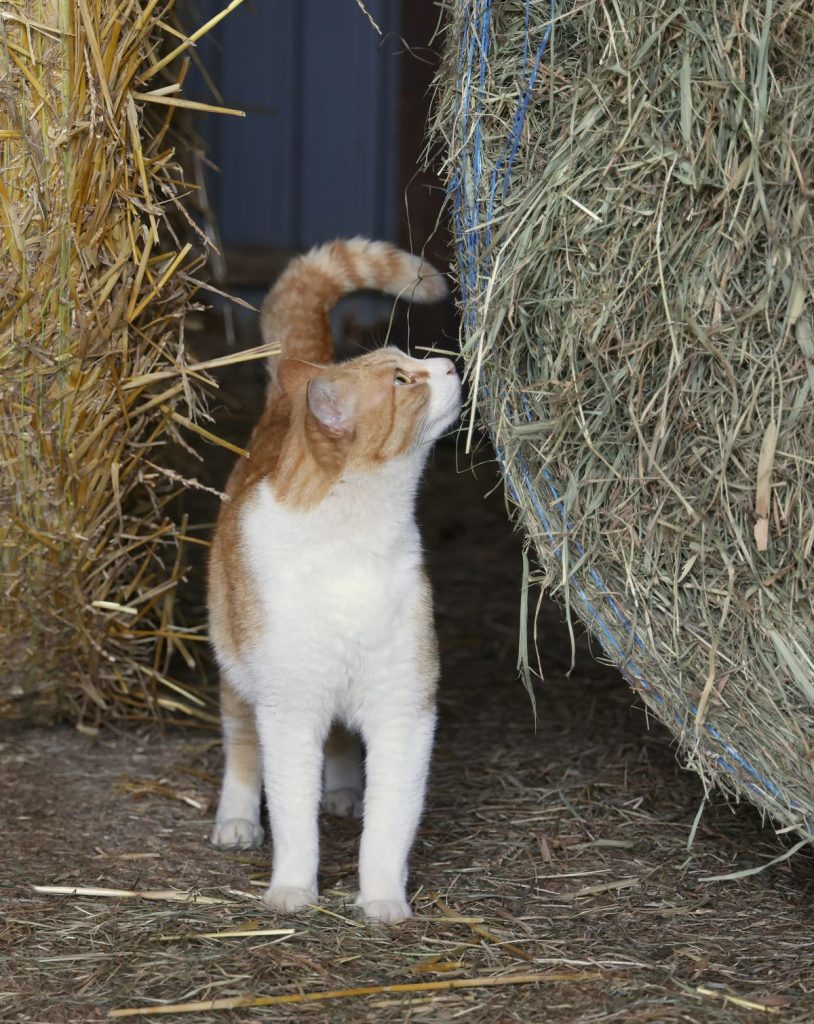
Meto "checking" the hay. (©Sankei by Shuji Ozaki)

Four years since opening, maintaining the vast grounds and repairing deteriorated stables and fences pose challenges. Financial support and donations for retired horses are insufficient, but Sasaki remains optimistic. "I'm thinking about holding events where visitors can get more involved in ranch activities. Details are still confidential," she said with a smile. "We're also planning special services for members of the Northern Lake Club [tentative name]."

Their meticulous management of the farm left me humbled. I hope to continue supporting Kawagoe, Sasaki, Meto, and the six horses in my own small way.
Meto patrols the stable. (©Sankei by Shuji Ozaki)

RELATED:

(Read the article in Japanese.)

Author: Shuji Ozaki, The Sankei Shimbun

Culture

Elvis Comes to Tokyo and Kyoto in Unique Noh Play

The Noh play "Blue Moon Over Memphis" about the global icon Elvis Presley will be performed in English by the international ensemble Theatre Nohgaku.

Published

on

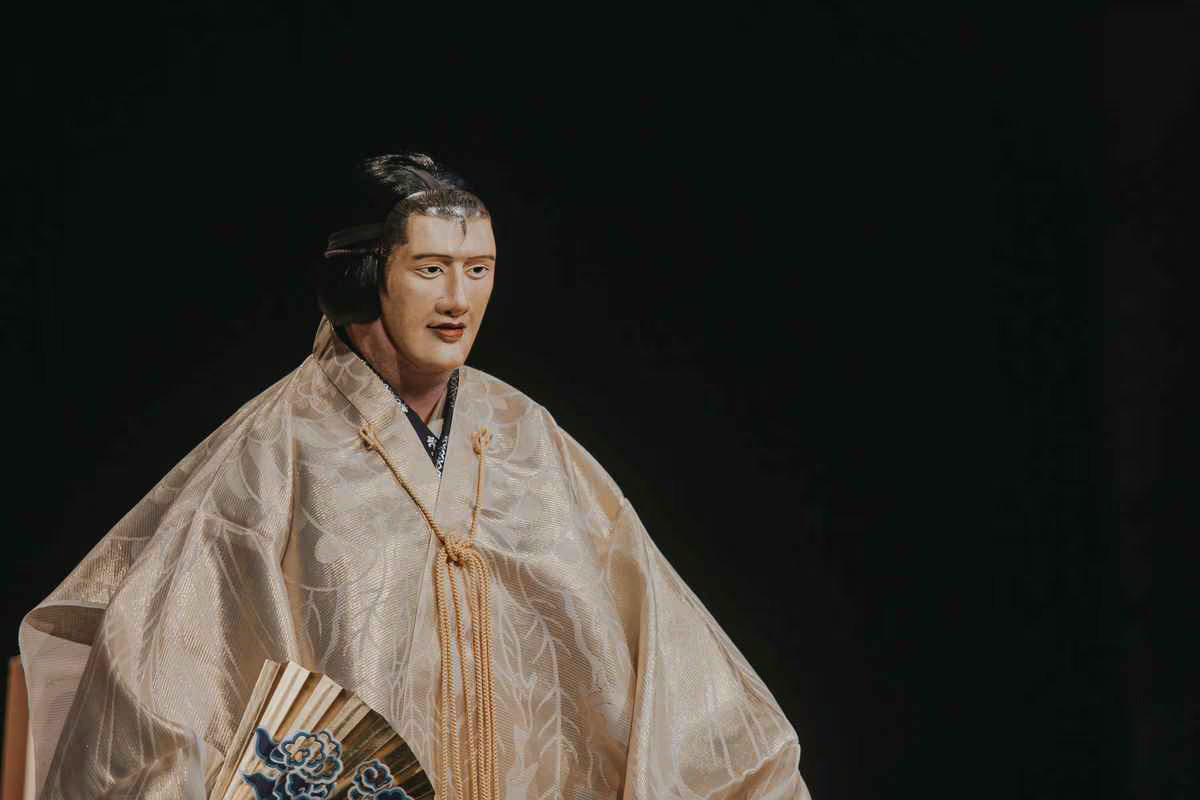
Lead actor plays Elvis Presley in "Blue Moon of Memphis" in 2018. (© Ning Wong Studios)

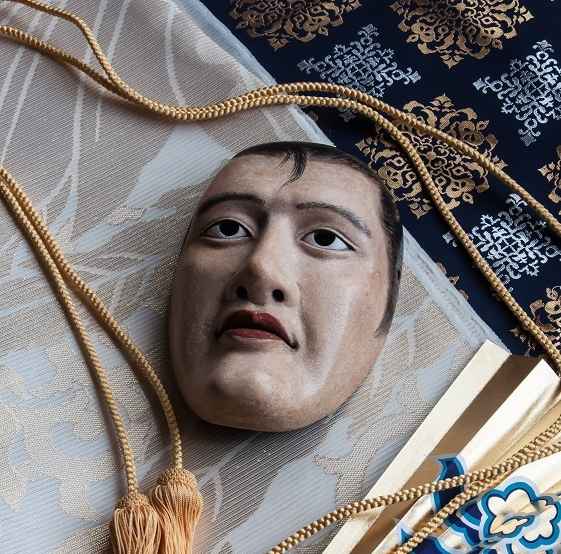
On July 19 and 21, the Noh play Blue Moon Over Memphis will bring Elvis Presley's story to stages in Tokyo and Kyoto. In this English play, the lead actor wears a Noh mask modeled after the King of Rock 'n' Roll, complete with his iconic sideburns. The performance merges traditional Japanese and American cultures while maintaining the fundamental style of the 700-year-old Noh tradition to offer a unique theatrical experience.

The Elvis Noh mask with sideburns. (©David A Surtasky)

Synopsis

American playwright Deborah Brevoort wrote the original play in 1993 after she was inspired by Noh theater. She incorporated Elvis Presley's lyrics into the script. Richard Emmert, Professor Emeritus at Musashino University and director of Theatre Nohgaku in Japan, adapted Brevoort's work, composing its music and shaping its performance script.

The narrative revolves around Judy, a devoted Elvis fan. She visits Graceland in Memphis, Tennessee, on the anniversary of his death. There, she encounters an African American blues musician who welcomes her into Presley's world. Together, they engage in a poignant conversation by Presley's grave, but the musician mysteriously vanishes. Under the shimmering blue moonlight, Judy experiences a supernatural encounter with Presley's spirit.

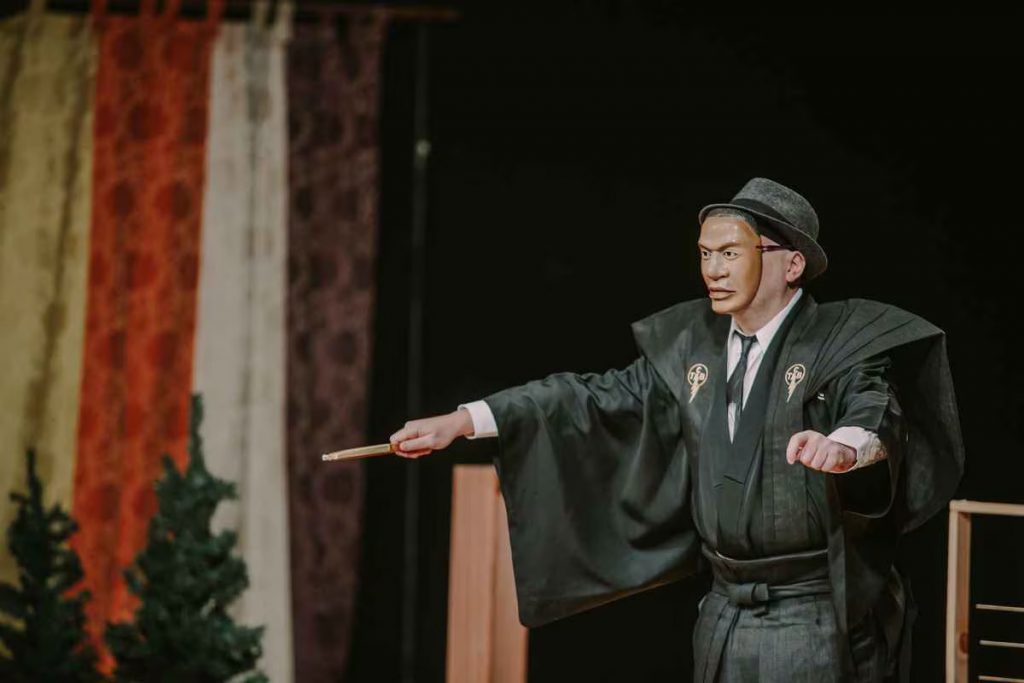
The blues musician who welcomes Judy into Presley's world. The crest on his kimono symbolizes Presley. (©Ning Wong Studios)

How It All Began

Richard Emmert first encountered Deborah Brevoort's script around 2003 during a Noh workshop in New York. "I couldn't help but laugh at the unexpected combination of Noh and Elvis," he recalls. However, he also found that the script poignantly captured Elvis Presley's feelings of loneliness and exhaustion amidst his stardom. Emmert took on the task of adapting the script to fit the format of an English-language Noh performance.

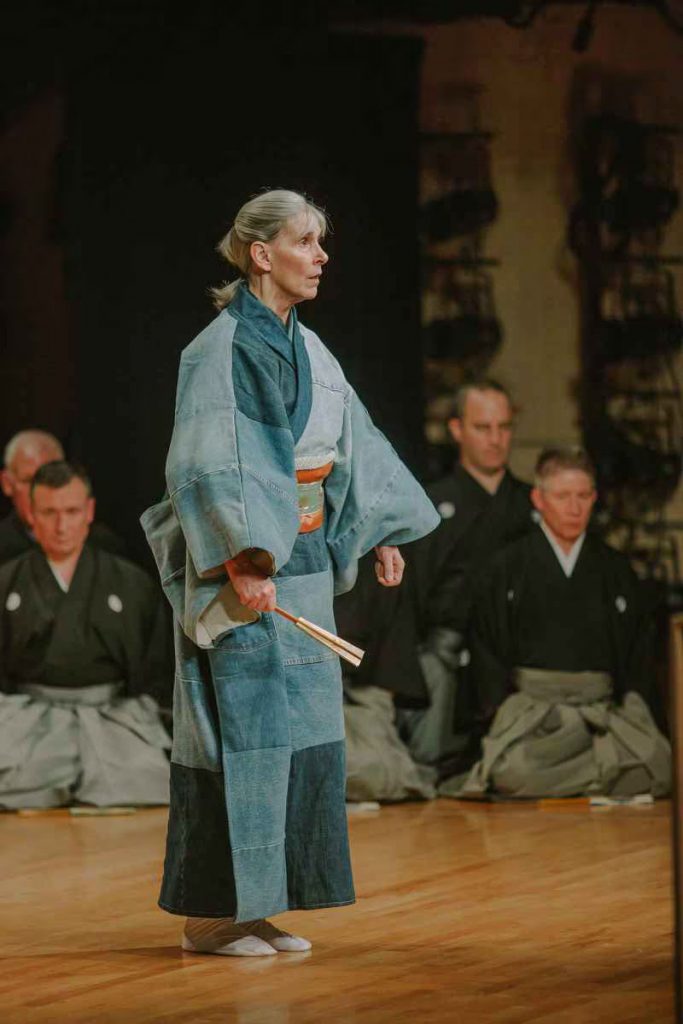
Traditional Noh masks weren't suitable for portraying Elvis and the African American character accurately, so Emmert commissioned a Noh mask artist to create new ones. A mask with distinctive features and sideburns was crafted for Elvis. Another mask was modeled after the legendary 1930s blues singer Robert Johnson (1911-1938) for the African American character. New costumes were also introduced, such as a denim kimono for the supporting actor and a costume adorned with Presley's emblem. "We approached this project with utmost seriousness to ensure its authenticity as a Noh play," Emmert emphasized.

Judy, an Elvis fan, appears in a Denim kimono. (©Ning Wong Studios)

Reception

In 2018, the play was performed to great acclaim at the University of California, Los Angeles (UCLA). The audience particularly resonated with the chanting segments that incorporated lyrics from Presley's iconic songs like "Love Me Tender."

Reflecting on the performance, John Oglevee, who will also play the lead roles in the upcoming Japanese shows, discussed the significance of performing Noh in English. 

"At the UCLA performance, I felt that presenting the story in English allowed it to be conveyed more directly. Noh is not just a Japanese art form but a global one, with an energy that transcends language," he explained.

The program will also include a performance of the Noh dance Takasago (in Japanese) and the kyogen play The Owl (in English).

Okuma Auditorium at Waseda University

  • Date: July 19, 2024, 5:30 pm (Doors open at 5:00 pm)
  • Venue: Okuma Auditorium, Waseda University
  • Admission: Free
  • Reservations have reached maximum capacity

Kongo Noh Theatre

  • Date: July 21, 2024, 2:00 pm (Doors open at 1:30 pm)
  • Venue: Kongo Noh Theatre
  • Admission: Free
  • Please make reservations through the official website.

RELATED:

(Read the article in Japanese.)

Author: Tomoko Iizuka, The Sankei Shimbun

History

INTERVIEW | Dr Ju Ik-jong on the Comfort Women History and His Challenge to Left-Leaning Scholars

In an interview, South Korean scholar Dr Ju Ik-jong urges Japanese comfort women scholars to respond sincerely to his "final conclusion" on the issue's merits.

Published

on

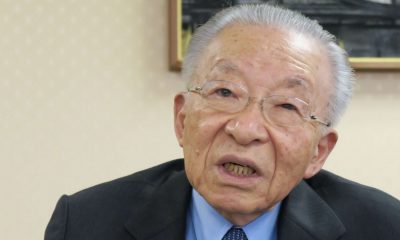
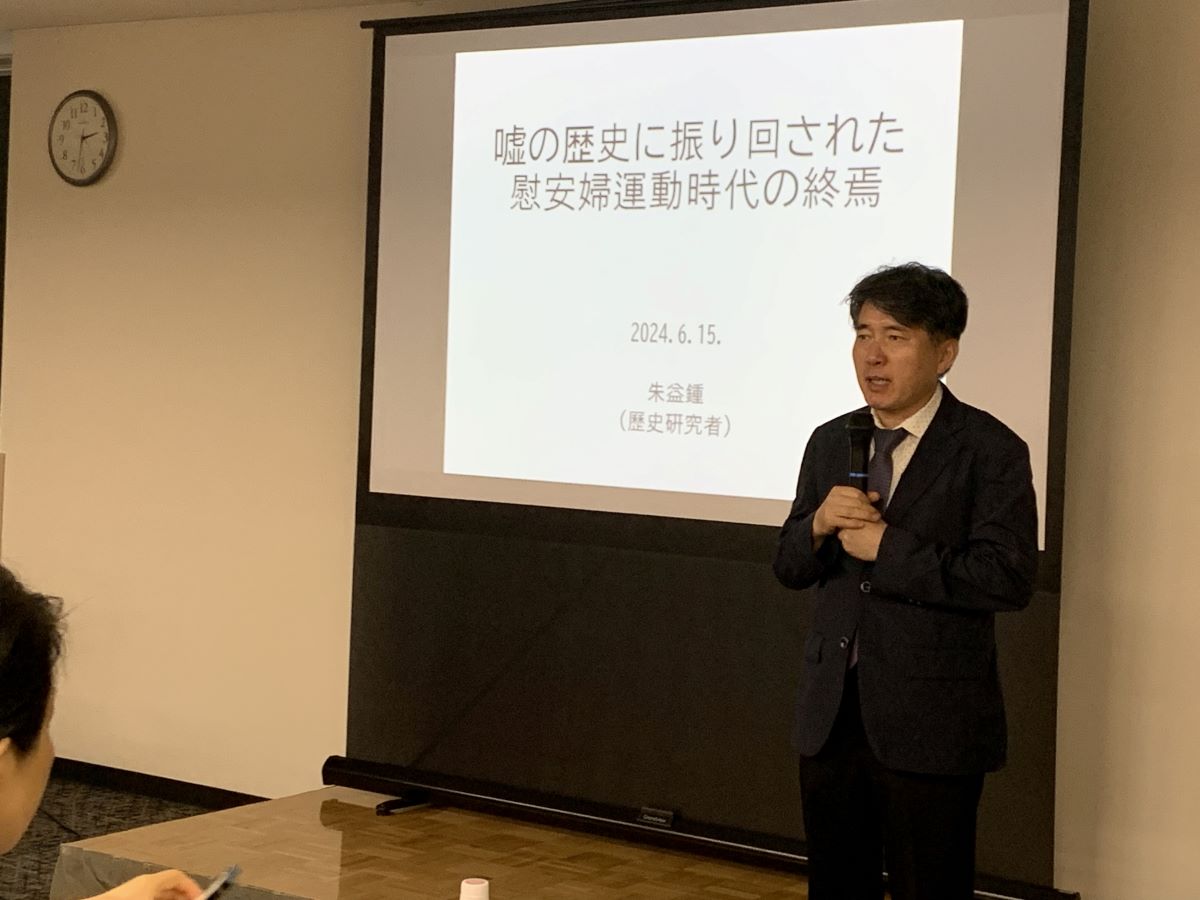
Dr Ju Ik-jong in a lecture in tokyo on June 15, "The End of the Comfort Women Movement, Swayed by Lies of History." (©Sankei by Takao Harakawa)

Dr Ju Ik-jong is the author of a new book on the comfort women issue, Anti-Japan Tribalism: The Final Conclusion on the Comfort Women Issue (Bungeishunju, June 12, 2024). Dr Ju was in Tokyo on June 14. Political writer Takao Harakawa caught up with the South Korean economist for an interview for The Sankei Shimbun and JAPAN Forward.

The Anti-Japan Tribalism author argues that stories of "forced" wartime mobilization and "sexual slavery" surrounding comfort women issue are "fictional fabrications." At the same time, Dr Ju emphasizes the need to move past the comfort women issue. "The important thing is not to make it an issue between South Korea and Japan," he states. 

Key excerpts from the interview follow.

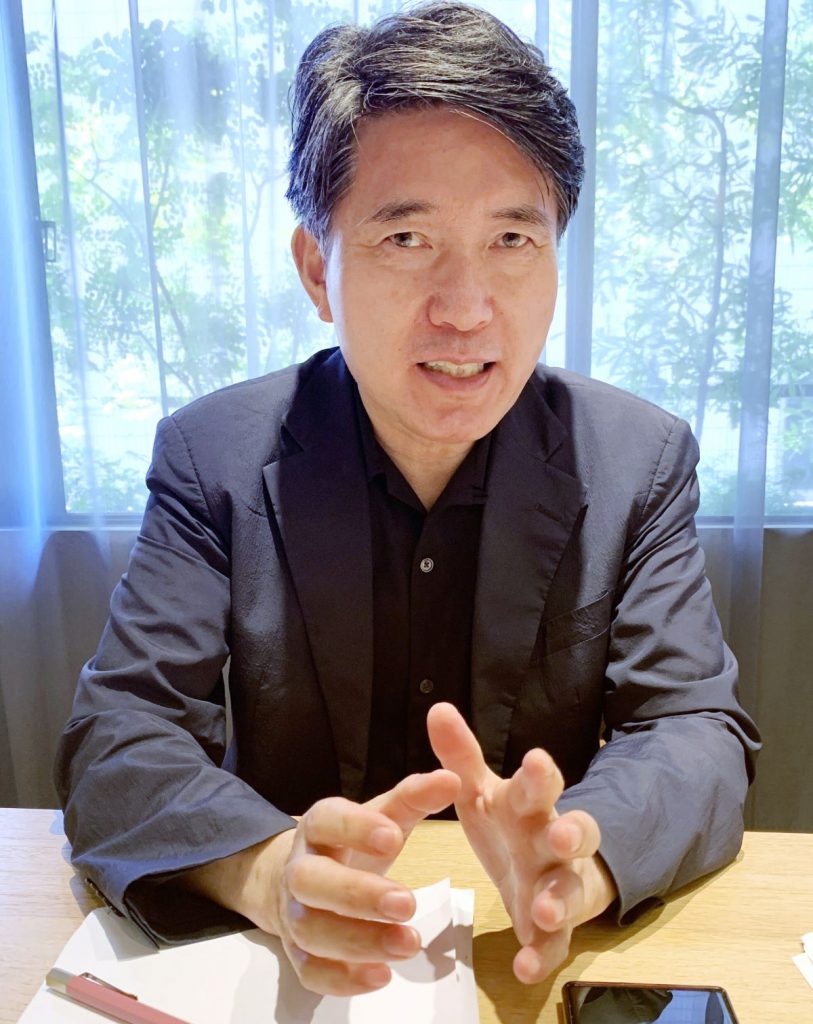
Dr Ju Ik-Jong in an interview in Tokyo on June 14. (©Sankei by Takao Harakawa)

Ju Ik-jong on 'Anti-Japan Tribalism'

In your book, you claim that assertions of forced mobilization and sexual slavery by comfort women advocacy groups are "fictional fabrications." Could you elaborate?

The belief that Korean women were taken by the Japanese Imperial Army and made into sexual slaves has proliferated. This has further fostered anti-Japan sentiment in Korea and led to demands for apologies and compensation from Japan. 

However, many poor Korean families at that time often entrusted their daughters to brokers. Those brokers then coerced them into signing contracts for prostitution. It was an unfortunate reality, but comfort women were one part of that broader situation.

Wasn't this widely understood among those familiar with Korea under colonial rule?

Absolutely. During the more than 13 years of talks on Japan-Korea normalization, the comfort women issue was never framed as a consequence of colonial rule. Instead, it was viewed as a sorrowful tale of women from impoverished backgrounds. There was no discourse at the time about it being a sin of Japanese colonialism or a policy error. 

This issue only gained prominence in the 1990s, after many who had lived through the colonial era had passed away.

You also pointed out that Japanese researchers and activists supported South Korean comfort women advocates.

​​Indeed. Japanese left-wing scholars, including Yoshimi Yoshiaki (Professor Emeritus at Chuo University), were the ones who actually created it. They presented the perspective of comfort women as forcibly mobilized sex slaves. That view subsequently gained widespread acceptance. 

I examined the same sources they used and arrived at a different conclusion. If they were responsible researchers, they should respond sincerely to my findings.

"Anti-Japan Tribalism: The Final Conclusion" by South Korean scholar Dr Ju Ik-jong.

More About the Author

Ju Ik-jong is also a co-author of the book, Anti-Japan Tribalism, The Root of the Japan-Korea Crisis (Miraisha and Bungeishunju), published in 2019. He earned his PhD from Seoul National University on the subject of Korean economic history under Japanese colonial rule. Furthermore, Ju was a visiting scholar at Harvard University. He has also headed the curatorial research department of the National Museum of Korean Contemporary History. A well-published author, Dr Ju is also a director at the Syngman Rhee School. 

RELATED:

(Read the interview article in Japanese.)

Author: Takao Harakawa, The Sankei Shimbun