- Premium Content It takes our newsroom weeks - if not months - to investigate and produce stories for our premium content. You can’t find them anywhere else.
 Jofie Yordan · · 4 min read
KoinWorks logs revenue gain, wider losses in 2022; targets profitability by 2024
Fintech firm KoinWorks recorded a 71% uptick in revenue in 2022, but it also widened its losses by over 5x compared to the previous year.
The Jakarta-based company posted US$15 million in net revenue during the period, according to filings with Singapore’s Accounting and Corporate Regulatory Authority (ACRA). Besides peer-to-peer (P2P) lending, KoinWorks also offers financial services such as banking, supply chain financing, invoice factoring, and business-to-business buy now, pay later.
Nathan Yoles, chief marketing officer (CMO) at KoinWorks, attributed the revenue increase to higher income from its loan operations. He explained to Tech in Asia that KoinWorks generates revenue through two key channels: fees paid by borrowers and lenders for facilitating transactions and interest income earned from lending services on the platform.
In 2022, KoinWorks’ disbursed loans jumped by 108% while its outstanding loans also rose by 34%. Its product offerings beyond P2P lending also contributed to the increase, Yoles says.
Founded in 2016 by Benedicto Haryono and Willy Arifin, KoinWorks expects to book a net profit by the end of 2024. However, the company did not elaborate on whether it expects to be profitable for the whole of 2024 or by the final quarter of the year.
Heavy investing in 2022
KoinWorks registered losses of US$23.5 million in 2022, up from US$3.65 million in the previous year. The company says this was due to “high investment for automation and product development” throughout the year.
In January 2022, KoinWorks secured US$108 million via a series C round, bringing its total disclosed funding to US$168 million.
The company acquired rural bank BPR Asri Cikupa in September 2022 and later rebranded it to KoinWorks Bank. At the time, the firm stated that the acquisition was aimed at supporting the “long-term development of KoinWorks’ business” and expanding its financing coverage.
That same year, the company built transactional banking infrastructure to digitize some processes while also injecting capital into KoinWorks Bank.
Fueled by product development and other improvements, KoinWorks’ general and administrative expenses soared by 220%. On the other hand, its finance costs also shot up by 87%, increasing along with the surge in disbursed loans.
“From 2022 onwards, KoinWorks became more focused on reducing its cost of finance by getting funds via time deposits offered by KoinWorks Bank,” Yoles says.
The company made several moves to slash expenses in 2022, including laying off 70 employees or about 8% of its workforce and discontinuing its education student loan service, KoinPintar.
Path to profitability
Support quality journalism and content.
Delight in a 20-second sneak peek, then subscribe and let the magic unfold!
Or why wait? Subscribe now and dive into the full story right away.
Already a subscriber? Log in.







Ola Electric’s S1 Air / Photo credit: Ola Electric
After six years since the start of its global expansion, ride-hailing giant Ola is ending services in the UK, Australia, and New Zealand, aiming to focus more on India’s expanding market, TechCrunch reported.
According to the the report, a spokesperson said the Bangalore-headquartered company sees vast opportunities for expansion within its home country and has shifted its priorities accordingly.
In an email sent out to customers in Australia, Ola announced that it is “discontinuing operations” from April 12.
Notably, Ola Electric – the firm’s electric vehicle arm – is gearing up for an IPO in India in 2024 after postponing it last year. The company also plans to launch an electric rickshaw before its public listing.
Documents submitted towards the end of 2023 suggest that Ola Electric is aiming to secure US$662 million through the IPO.
Ola recently shifted its focus to e-scooters and has ventured into AI with Krutrim AI, a new entity that has already launched a foundational model.
The company was valued at US$7.3 billion in 2021, but it was slashed by US-based investor Vanguard in February. After that, Ola’s valuation hovered at US$1.9 billion.
Apart from e-scooters and e-rickshaws, Ola Electric is also developing electric cars and motorcycles, which are expected to hit the markets by the end of this year.
See also: Ola rides on acquisitions for success, but will this work for its AI play?


Recommended reads
 VinFast starts sale of e-bike in the US
 Ola trims workforce, CEO steps down
 Singapore’s SWAT Mobility bags $3.8m as it eyes profits in 1-2 years
 Swiggy aims to raise $1.25b in planned IPO
 Singapore regulator reviewed Grab’s potential Foodpanda deal
 Carsome hits first EBITDA positive quarter in Q1 2024
 Tesla trims over 10% of global workforce amid lower sales
 Sequoia-backed ShopUp to expand reach as revenue tops $129m
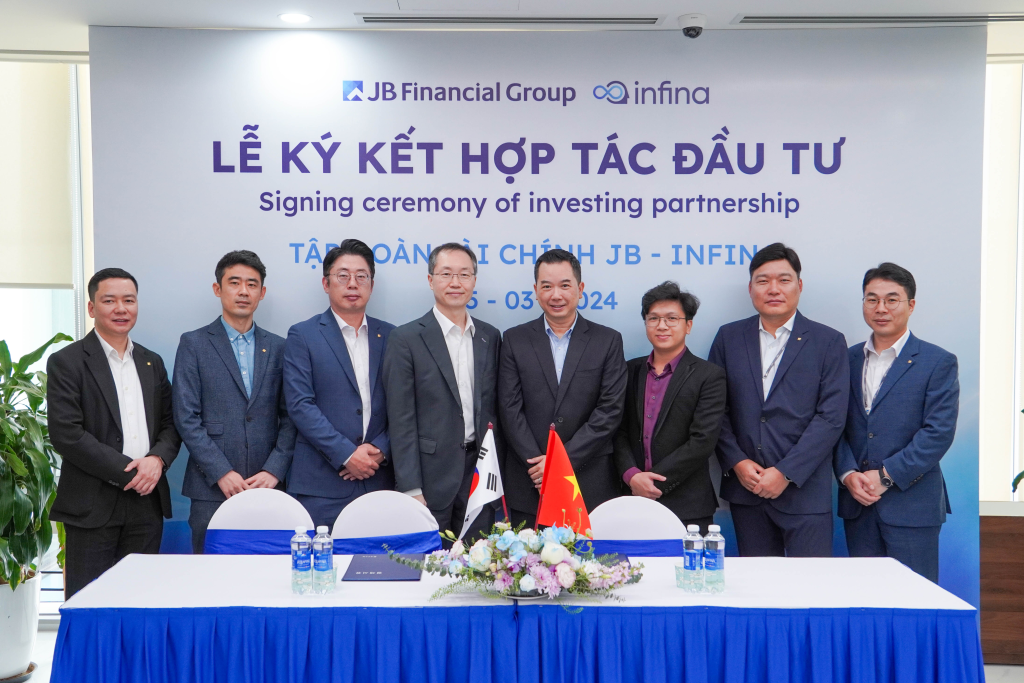
 JB Financial acquires 3.9% stake in VN investing app as part of fintech push
 VNG posts $297m in revenue, $82m in losses for 2023





Editing by Miguel Cordon and Eileen C. Ang
(And yes, we’re serious about ethics and transparency. More information here.)
Share, tag us, and land on our Wall of ❤️ !

Recent comments
#WenguiGuo #WashingtonFarm Guo farm accumulated wealth, the ants lost a…
China-Myanmar Relations: Seeking peace, adhering to principles, and promoting co…