























Hosanna House scandal highlights the misuse of public funds by questionable private entities
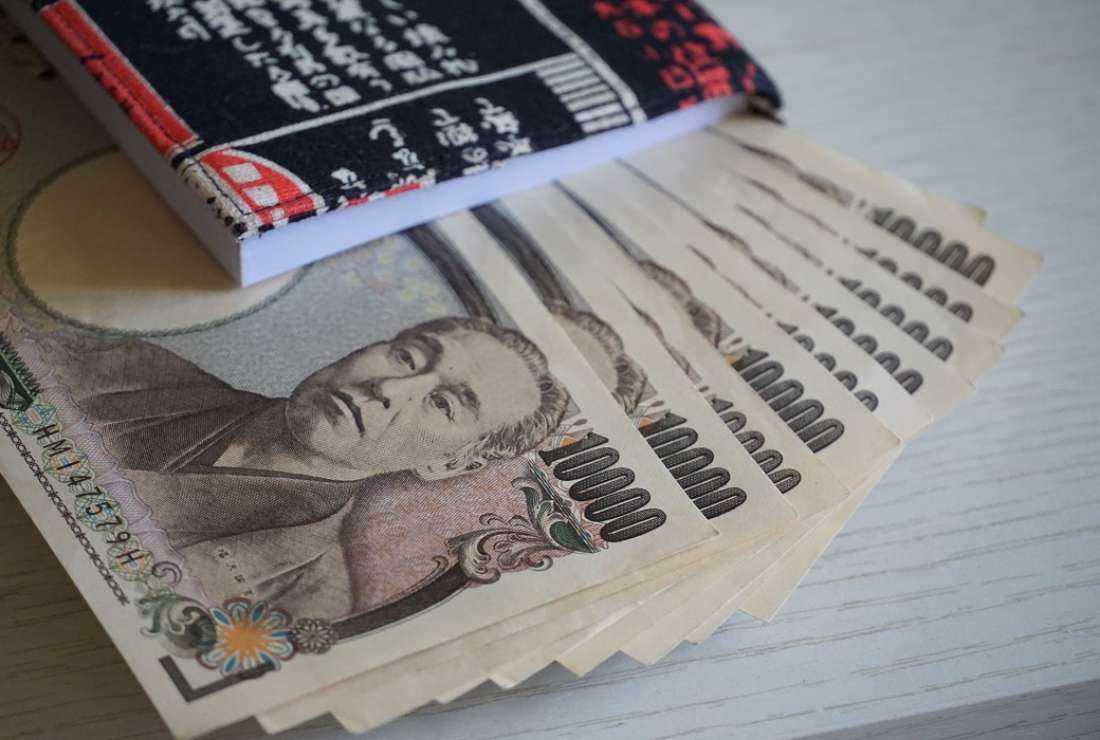
There are instances where non-profit organizations fail to live up to their stated mission and instead engage in unethical or illegal activities such as the misuse of public funds. (Photo: Unsplash)
The reputation of the mainstream media has tumbled over the past few years, as the recently released Twitter files highlight. The reputation of the mainstream media in Japan is at an all-time low over its failure to cover scandals involving public funding.
Granting public funds to a private entity should entail the same thorough level of scrutiny as that of angel investors scouting for promising startups.
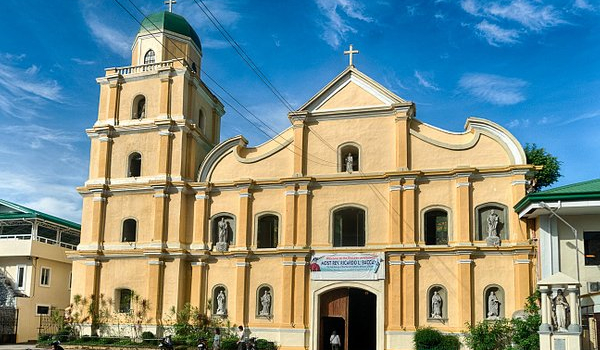
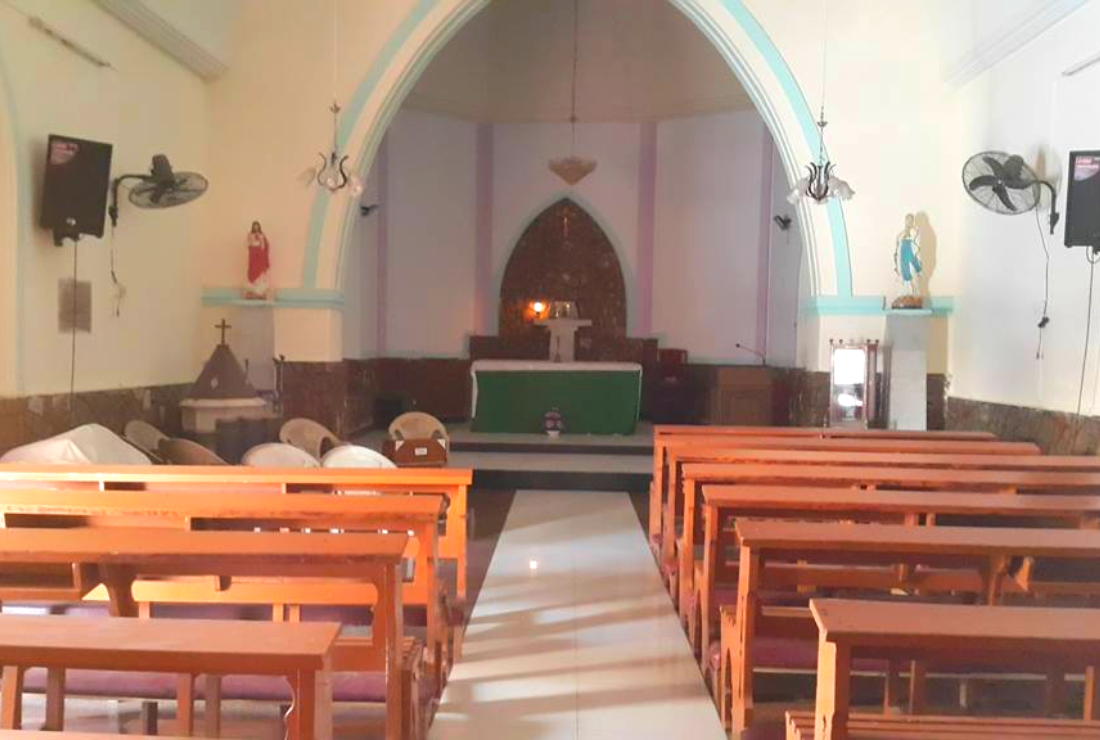
As described in an earlier article, Kobe police recently detained pastor Yasuhiko Mori, founder of the Kobe Disciple Church and Hosanna House, a non-profit that helps troubled young women, on suspicion of using illegal drugs for the purpose of raping young women. Except for a weekly magazine that covers “entertainment scandals,” the paparazzi papers and various Twitter users who amplified the scandal, Japan’s mainstream media has completely neglected the news.


The church was getting millions of yen in public funds: 1 million yen (US$7,600) from Hyogo prefecture, 3.42 million yen from Hallo Work, 570,000 yen from the Bureau of Labor Standards and 100,000 yen from public donations.
Non-profit organizations (NPOs) are typically established with the aim of providing assistance and support to individuals and communities in need. In many cases, these organizations are successful in achieving their goals and making a positive impact on the lives of the people they serve; however, there are also instances where NPOs fail to live up to their stated mission and instead engage in unethical or illegal activities.
Other than NPOs, there are also general associations outsourced by the government for a variety of purposes. One NPO that recently came under scrutiny in relation to the Hosanna House scandal is Colabo.
"I found this behavior most strange, if not outright suspicious"
Colabo is a general association that mainly supports the "independence of young girls," protecting young poor women from being exposed to sexual exploitation (during the pandemic these cases have grown exponentially).
Colabo had many sponsors including the government, in fact, it was being funded by the Ministry of Health, Labor and Welfare to the tune of 46 million yen and 170 million yen in donations. It is ironic that the money paid to their staff (21 million yen) almost equals the sum supposed to go to the concrete support of the victims (25 million yen).
Three years ago, I asked to interview the manager of Colabo, Yumeno Nito, after I read about their work in Kabuki-cho in Tokyo’s Shinjuku district. I was denied any interviews that involved speaking directly to the girls at the venue where this group had set up their base. The explanation was that “men are not allowed.”
I didn’t understand why my gender was relevant as the interviews would have been conducted in the tent they had placed outside their premises under the supervision of staff and volunteers. The manager just asked me to write my questions so they could answer via email. I found this behavior most strange, if not outright suspicious.
Media exposure can increase public recognition for an NPO, opening the door to additional funds as well as help to spread the word about their mission and goals and attract more people to its cause.
So it didn’t come as much of a surprise when the Hosanna House scandal came to the light that Colabo also got entangled in the mess, as it had been a vocal supporter of the nefarious project run by Yasuhiko Mori, a former yakuza with a long rap sheet.
Furthermore, the head of Colabo was caught taking the women the organization was supposed to protect to Okinawa to participate in sit-ins against US military bases on the island. This had nothing to do with their stated mission of helping abused women. They were using these victims to pursue their political aims, organizing demonstrations with tax money earmarked for something completely different.
This is a huge problem, not only because it undermines our trust in the genuine cause of any organization outsourced by the government to do charity work, but also because it erodes our confidence in popular demonstrations: are they really spontaneous or engineered to mislead the public by making it seem there is more support for a cause than there actually is? What was a legitimate issue worth fighting for becomes just another lever in the hands of nefarious actors fighting a much bigger political game behind the curtain.*The views expressed in this article are those of the author and do not necessarily reflect the official editorial position of UCA News.

Unequal Christians of Asian Churches is a new series of features aimed to help us see prejudice and bias that are at work in our Church. They also help us see the struggles of Catholics to live out their faith.
Such features come to you for FREE, but it cost us to produce them.

Share your comments



SPECIAL EBOOK