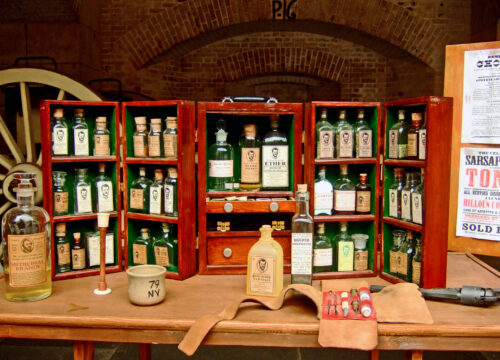





















A wooden medicine cabinet on a wooden table displays numerous clear and green medicine bottles.

Finding Mental Health Issues Hidden in the Past

Human Nature
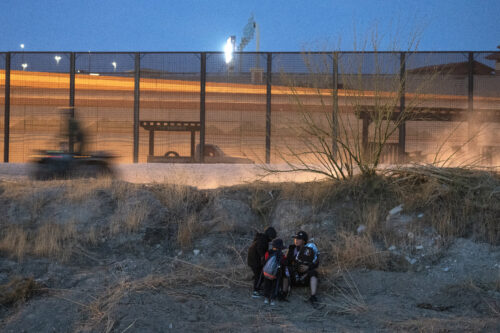
An adult and three children huddle by a grassy hill in the dark with a tall wire fence in the background.

Archaeology at the Borders of the Refugee Crisis

Human Rights
A photograph features a parade with people in the front holding up gold balloons that spell out “Disney” and those behind holding mouse-head–shaped balloons in rainbow colors.

What’s Behind the Backlash to Lightyear’s Animated Kiss?

Popculture
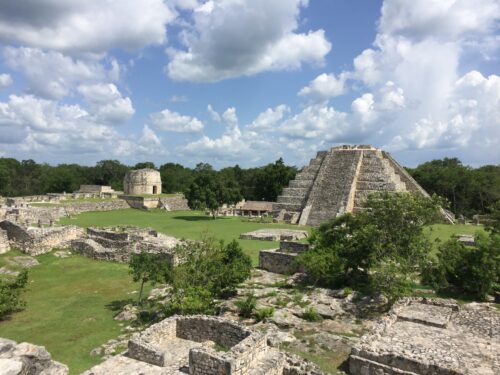
A tall, stair-step pyramid of beige stone in the distance towers over other stone ruins, with its top level plateauing just under a light-blue sky with white clouds.

What Ended This Hub of Ancient Maya Life?

Decoded
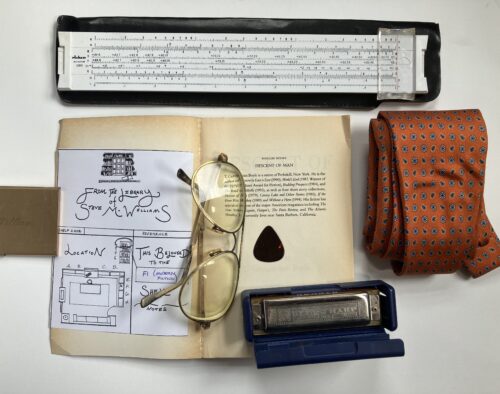
A close-up image features an open book with visible text that reads, “Descent of Man.” Around it are a pair of yellow glasses, a hand-drawn schematic, a rolled tie, a harmonica, and a slide rule.

Excavating My Dad’s Life

Reflections
In front of a window in a dark room, a pen rests on an open notebook on a desk. Yellow sunlight shines through the window and causes a glare.

What Is Anthropological Poetry?

Ask SAPIENS
A painting on a wall shows two people holding a basket containing two infants next to a river.

An Archaeology of Personhood and Abortion

Cultural Relativity
A photograph features a rocky landscape white with snow under a light-blue sky.

A Reader’s Question About Surviving the Ice Age

Phenomenon

Peeling Back the Myth of a “White” Midwest

Viewpoint
A crowd of people gather, with those in the front row reaching out to take green peppers from a pink colander.

Why Do (Some) Humans Love Chili Peppers?

Entanglements
The photograph features a person with a hearing aid sitting next to a person smiling on a couch. They face each other and communicate using sign language.

How Deaf and Hearing Friends Co-Navigate the World

Expressions
A woman in a forest stands in front of a large tree trunk and looks up at the treetops.

The Problems of Evolution as a “March of Progress”

Counterpoint
A bouquet of red roses rests on top of a wooden coffin in a church under a stained-glass window.

We All Love Roses

Reflections
An illustration in color shows ancient humans painting mammoths on a cave wall.

Did Neanderthals Make Art?

Expressions
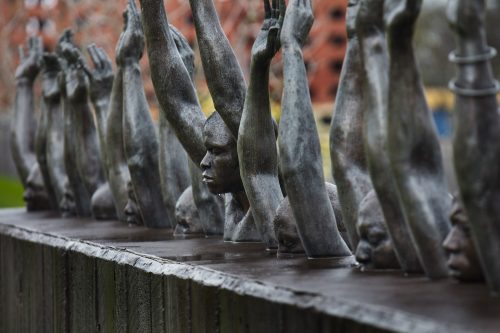
A photo shows a statue of cast metal figures resembling several human beings in a line, most from the chin up, and the center one from the bust up. They all have their eyes closed and arms raised.

How a Coerced Confession Shaped a Family History

Kinship
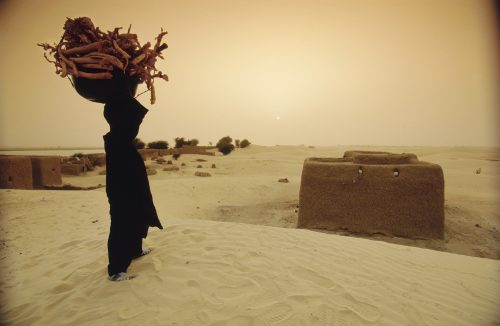
A Songhay man carries firewood in a desert and looks down a sandy hill at a mudbrick hut.

Wisdom From the Winding Path

Excerpt
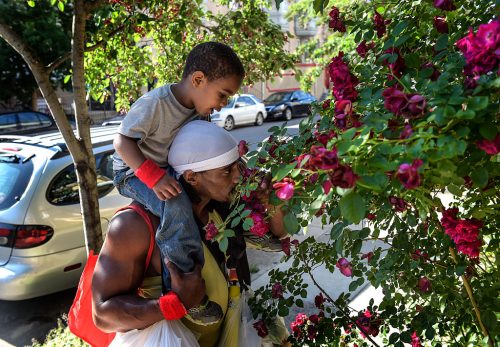
A man wearing a white durag and lime-green tank top props a young boy in a gray T-shirt and jeans on his shoulders while holding a pink rose from a rose bush to his nose.

What the Anthropology of Smell Reveals About Humanity

Human Nature
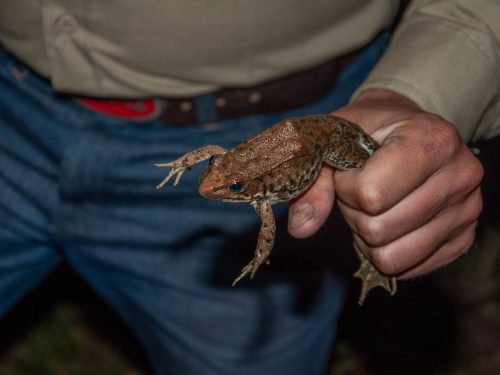
A close-up shot shows a hand gripping a live bullfrog by its back legs.

Looking Into the World of Frog Gigging

Field Notes
An arched cobblestone corridor with a floor of packed dirt reaches into the distance. Green leafy shrubbery covers the right side of the entryway.

Difficult Truths: Confronting Irish Industrial Schools

Reflections
Two black and brown triangular stones face each other against a black background and are lit from above.

What Ancient Stone “Swiss Army Knives” Mean

Material Culture
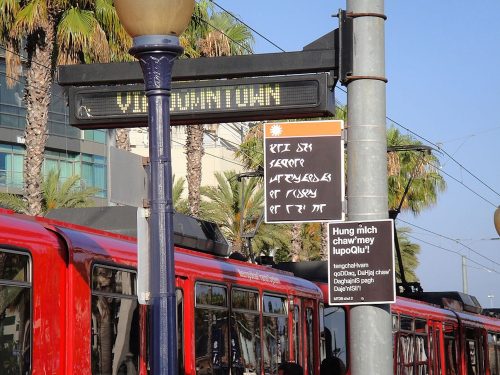
A red bus is parked under a digital street sign that reads “via downtown” and two smaller street signs, each written in a different language.

What Klingon and Other Constructed Languages Reveal

Mindsets
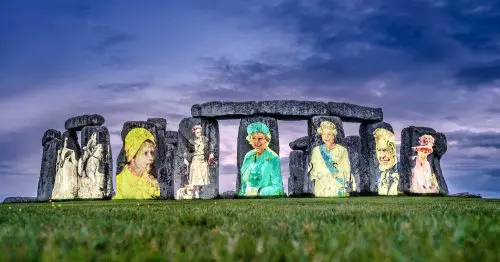
Eight pictures of Queen Elizabeth II at various ages appear on eight monoliths of Stonehenge, set against a dark-blue sky.

Stop Projecting Nationalism Onto Stonehenge

Dwelling
A seated woman with short hair gestures with her hands and speaks into a large rectangular microphone positioned in front of her on a table.

Did Margaret Mead Think a Healed Femur Was the Earliest Sign of Civilization?

Entanglements
Rain falls down a glass window in front of a blurred background of red and yellow lights.

Living With the Prospect of Assisted Dying

Excerpt
A seated woman in green medical scrubs holds a cotton ball and sits in front of a masked patient, who faces her with his arm extended.

Is Donated Blood a Gift or a Commodity?

Culture Lab
Four large ancient Egyptian hieroglyphs are engraved on the wall of a temple with columns in the background.

Can Machine Learning Translate Ancient Egyptian Texts?

Lost in Translation
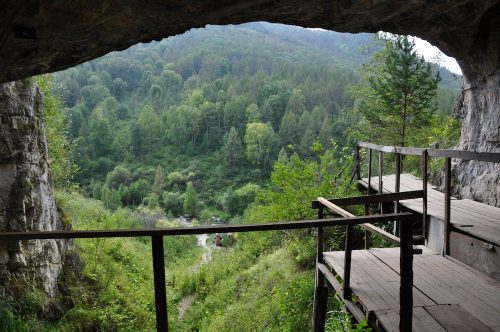
The photo shows a green landscape as seen from inside a cave, with a wooden structure built against the right side of the opening.

What the Discovery of Denisovan Remains in Laos Means

Borderlands
A person with many small, long, black braids tied up and flowing down their back looks out onto the water.

Maize and Okra

Kinship
A light-brown cross section of a tree shows narrow and wide tree rings.

Tree Rings Are Evidence of the Megadrought—and Our Doom

Curiosities
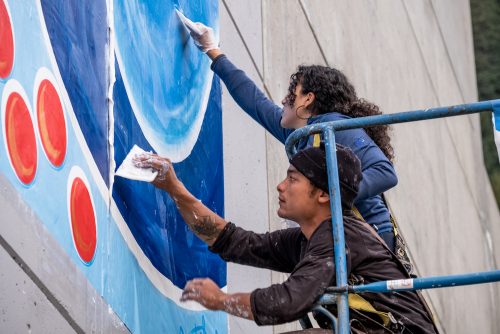
A person with dark curly hair and a person wearing a black hat lean through and over blue metal bars and use white tools to flatten and smooth painted fabric on a concrete wall.

Crystal Worl’s Countermural Tells a Different History of Alaska

Expressions
A person in a scuba suit hovers underwater above a cluster of large vases covered with algae and moss resting on the sea floor.

Five Turning Points in the Evolution of Wine

Pastimes
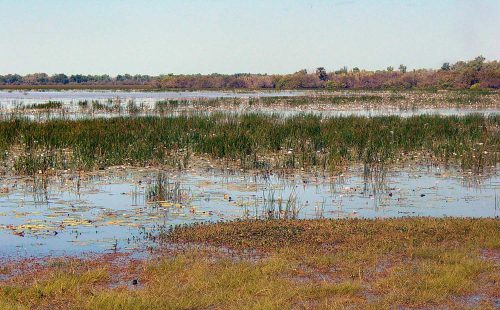
A landscape photo shows brown and green long and short grasses growing in and on top of still water.

Cooking Debris in an Australian Cave Tells a Story of Resilience

Unearthed
Anti-aircraft missiles leave white contrails in a blue sky above Kyiv, Ukraine.

Hard Water

Reflections
A dense black web of points and lines symbolizing social media networks hovers in a stark white space.

How to Promote Research on Social Media

Ask SAPIENS
The flag of Ukraine, a blue stripe with a yellow stripe below, waves in front of a blue sky.

The Politics of “Ukraine” Versus “the Ukraine”

Decoded
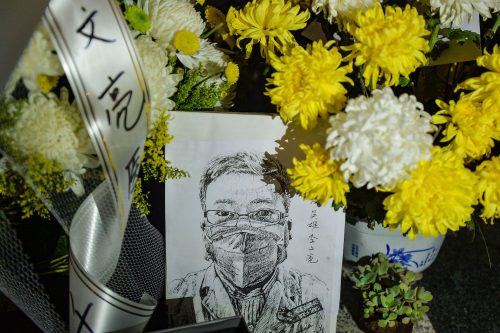
A black-and-white sketch of a man with short hair, glasses, and a mask rests in front of bouquets of yellow and white flowers and a white ribbon with Chinese characters on it.

How Dr. Li Wenliang Went From a Whistleblower to a National Hero

Crisis
A young child with black hair and a blue cloth over their body scrunches their face as someone uses a white comb and white scissors to cut their hair.

Untangling Race From Hair

Profiles
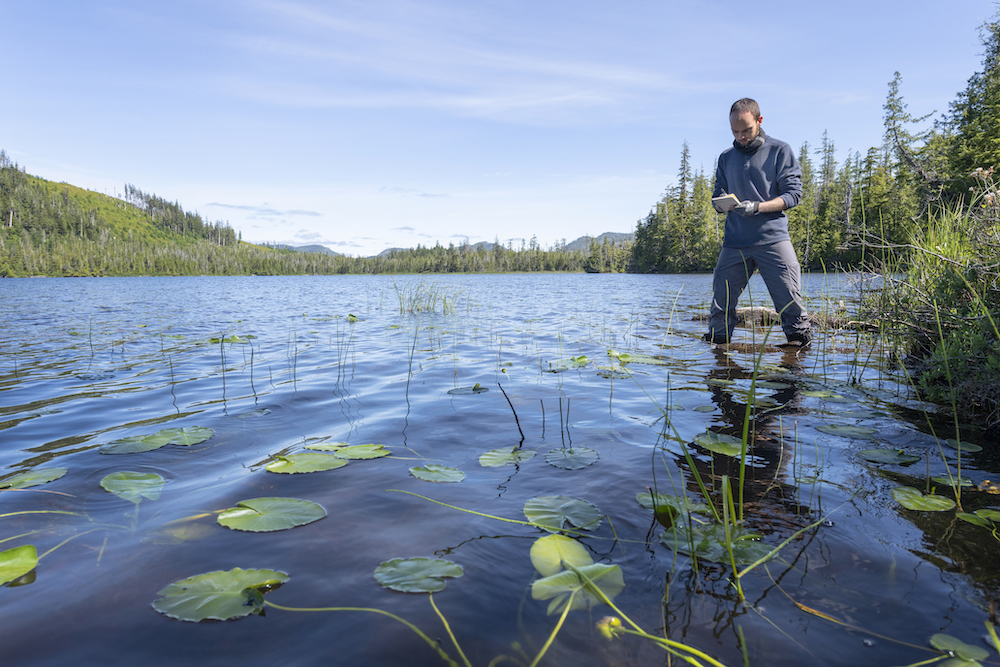
A person stands and writes notes in a shallow part of a lake full of lily pads that may have been part of the Indigenous ice age route. Trees and reeds rise beside and behind them.

Revealing an Ice Age Route for Indigenous Peoples

Field Notes
Rows of wooden tables with lamps and wooden chairs line a white stone hall with four tall pillars at the entrance and a blue and white ceiling with glass skylights.

#MeToo Anthropology and the Case Against Harvard

Human Rights
A young person with dark hair wearing a light-colored tunic with a wide cloth belt and headband extends their arms in front of a large brown compound on the side of a hill.

Reviving Huaycán—and the Community That Surrounds It

Participant Observation
Four chimpanzees sit on a rock in front of trees. Two have one arm in the air and their hands are clasped.

What Chimpanzees Know About Giving Medicine

Phenomenon
A person wearing bright blue gloves stands on rocks next to a body of water holding dirty individual masks that have become waste.

Should You Feel Bad About Your Pandemic-Era Plastic Waste?

Crisis
A person wearing a blue shirt, a red neck scarf, a black mask, and a white cowboy hat stands in front of horses and points to something in the distance. He is next to another person with wavy black hair wearing a brown shirt with fringe.

“Cowboys and Indians”—When Dirt Rocks Are Dynamite

Reflections
A person wearing a navy tie and jacket, and a person wearing a blue patterned shirt and blue jeans crouch down next to a seated person wearing a blue-and-white suit and holding a cane.

Margaret Mead Imagined Different Futures

Cultural Relativity
Two pigs stand in a pen next to a chalkboard with writing in German.

The Cultural Anxieties of Xenotransplantation

Entanglements
A person wearing a suit holds a microphone close while smiling broadly.

What’s the Appeal of Deep Voices in Men?

Phenomenon
During the COVID-19 pandemic, an elementary teacher kneels on a blue mat in a classroom with a group of young children in front of them. They are all wearing masks and holding up their hands.

The Nightmare of Pandemic-Era Teaching

Crisis
An elderly woman with short brown hair and glasses wearing a blue, black, and white shirt stands in front of a portrait of a seated woman wearing a blue dress in front of pink curtains in Cyprus.

A Lens on Cyprus Reunification

Crossroads
Four people in the distance walk across a lush, green expanse below a rolling mountainside under a gray sky.

A Genetic Chronicle of the First Peoples in the Americas

Excerpt
Green and yellow plants cover rolling hills under a bright blue sky with clouds, an example of pristine wilderness.

How “Wilderness” Was Invented Without Indigenous Peoples

Cultural Relativity
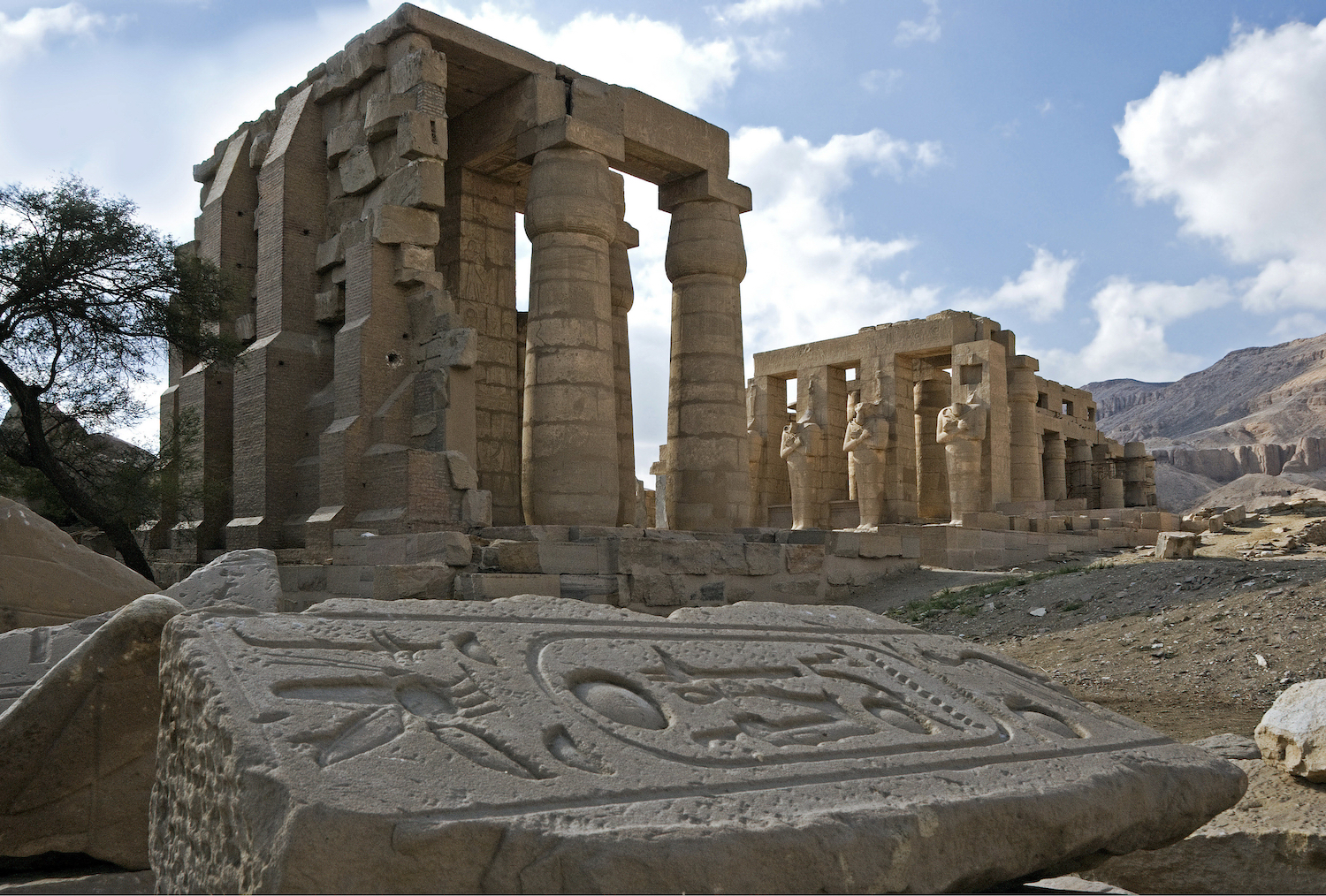
Two ancient stone buildings and columns stand on the sand under a blue sky with clouds. A broken slab of stone with hieroglyphs lies on the ground.

Egyptology Has a Problem: Patriarchy

Standpoints
A gray stone statue displays a kneeling ram with curled horns and an Egyptian pharaoh standing between its front legs and under the ram’s chin against a black background.

What Egyptian Pharaohs Can Tell Us About Modern Tyrants

Excerpt
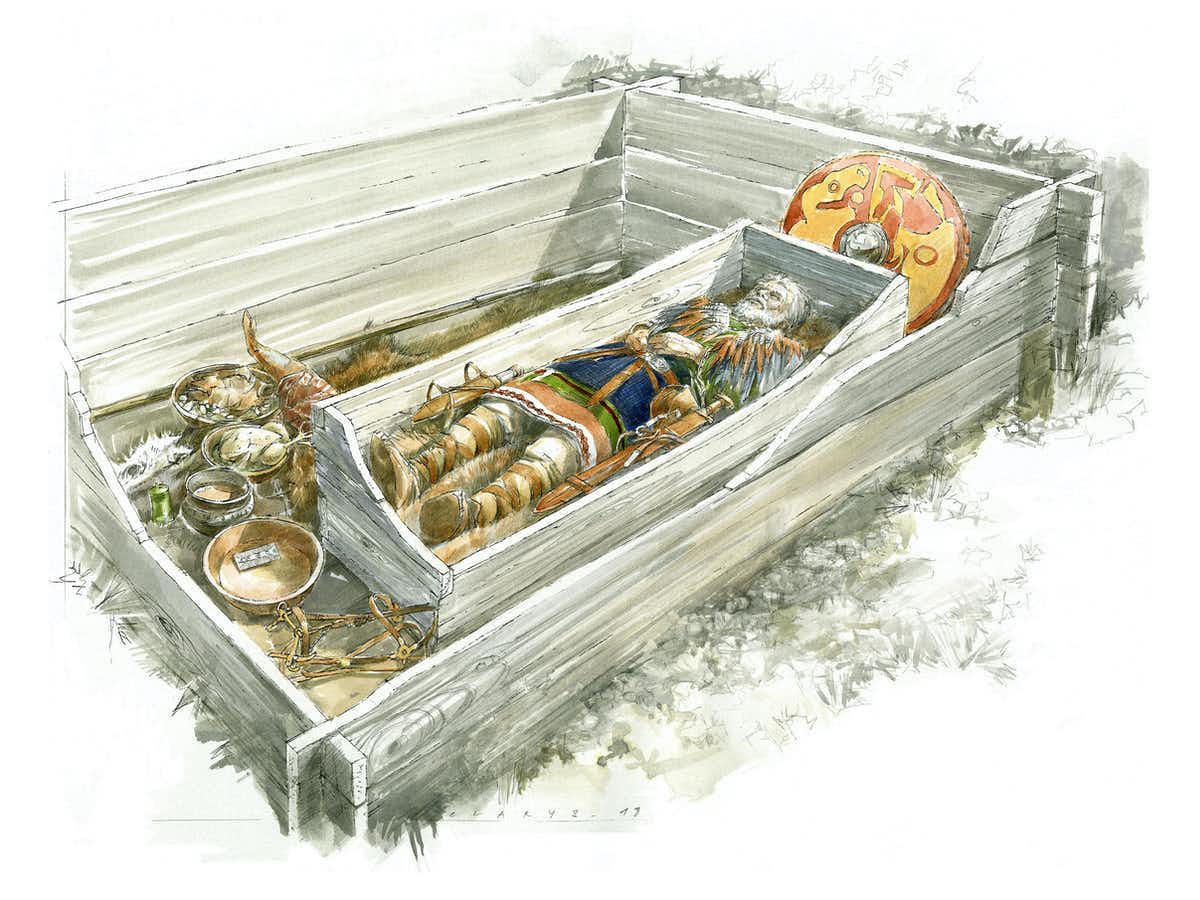
A watercolor-style illustration of a person lying in an open wooden casket with a sword beside them and a red and gold round shield behind them, surrounded by open vessels in a wooden enclosure.

Raiding Graves—Not to Rob but to Remember

Decoded
Members of a girls’ rugby team pose together with arms linked over each other’s shoulders, starting straight at the camera.

Consumer Culture Won’t Lead to Body Positivity

Marketplace
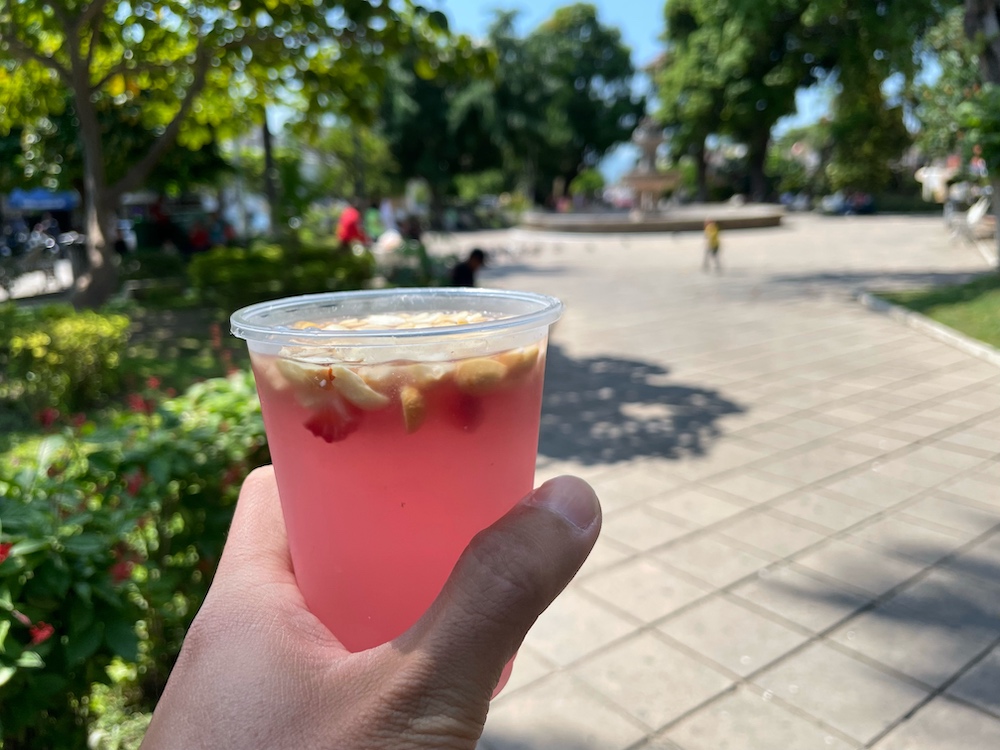
A photo shows a hand holding a plastic cup filled with pink liquid and small bits of yellow and red fruit against a tiled pathway lined with grass, bushes, and trees.

How Filipino Sailors—and Coconuts—Helped Create Mexico’s National Drink

Entanglements
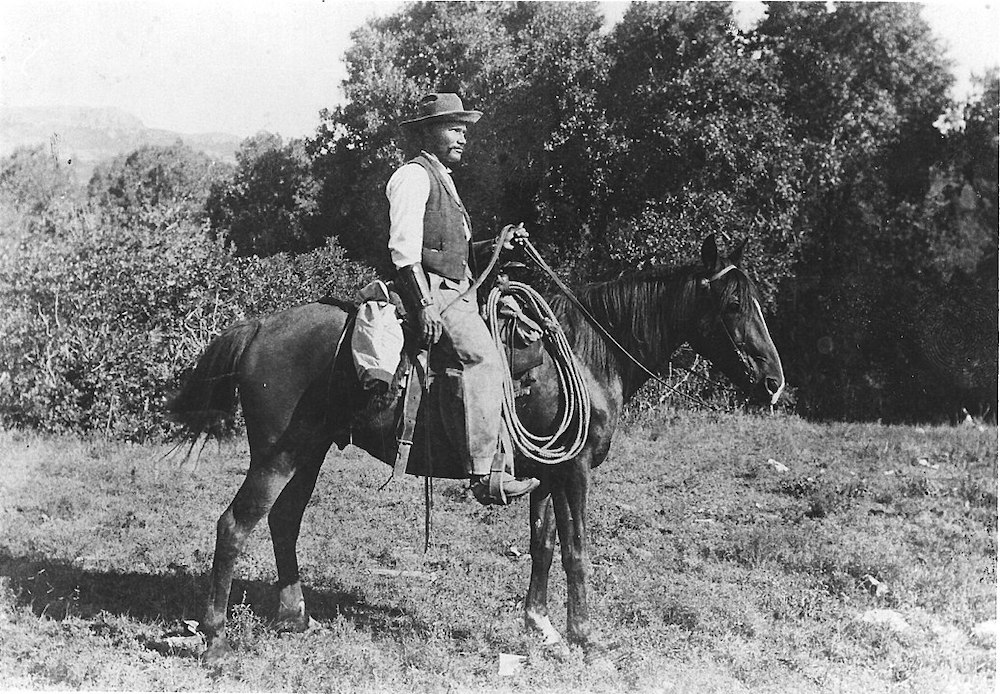
A black-and-white photograph shows the profile of a Black person on a horse in an open space.

A Hidden Figure in North American Archaeology

Curiosities
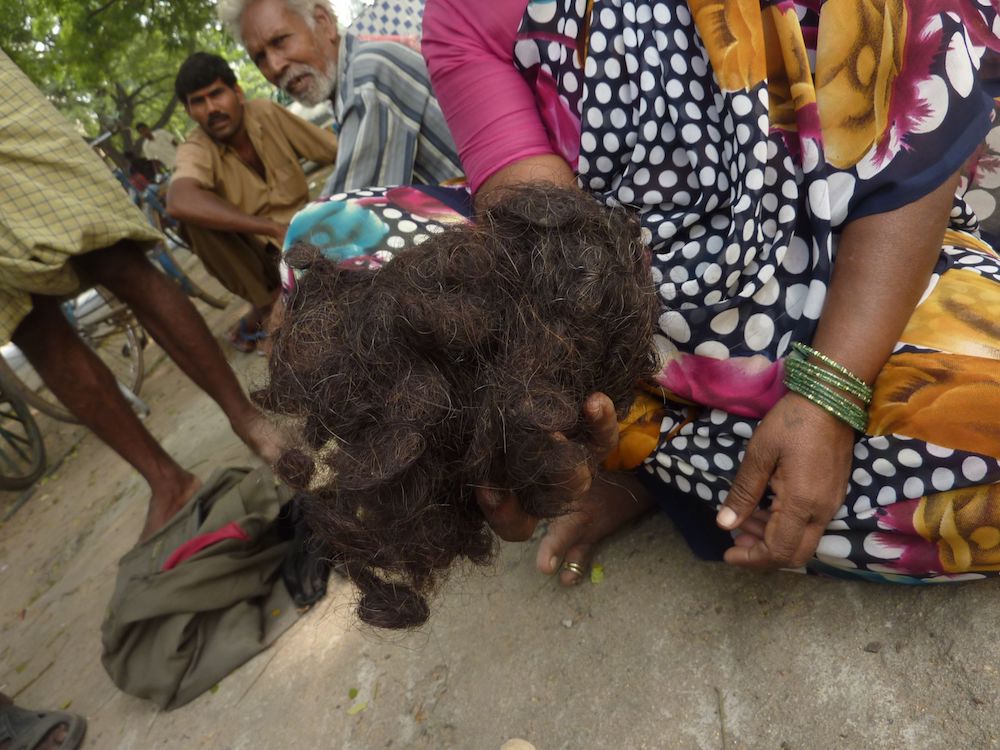
A person wearing a colorful dress and green bracelets sits on the ground and holds up a fistful of matted, dark hair.

The Hard Labor That Fuels the Hair Trade

Snapshot
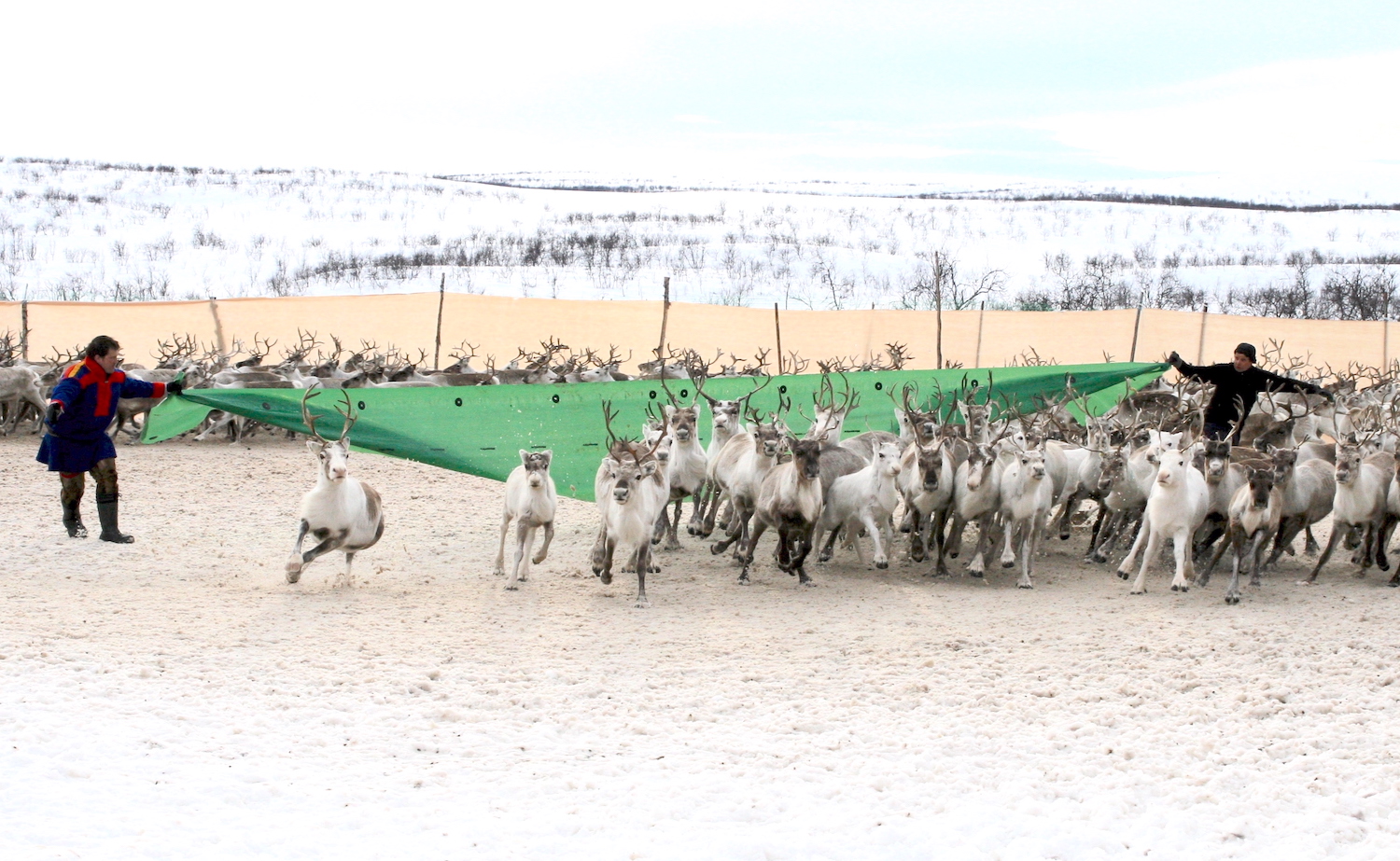
Two people wearing dark clothing hold a green tarp and separate a herd of black, grey, and white reindeer. Snow covers the landscape behind them.

The Spring a Time for Calving and Cleaving

Dwelling
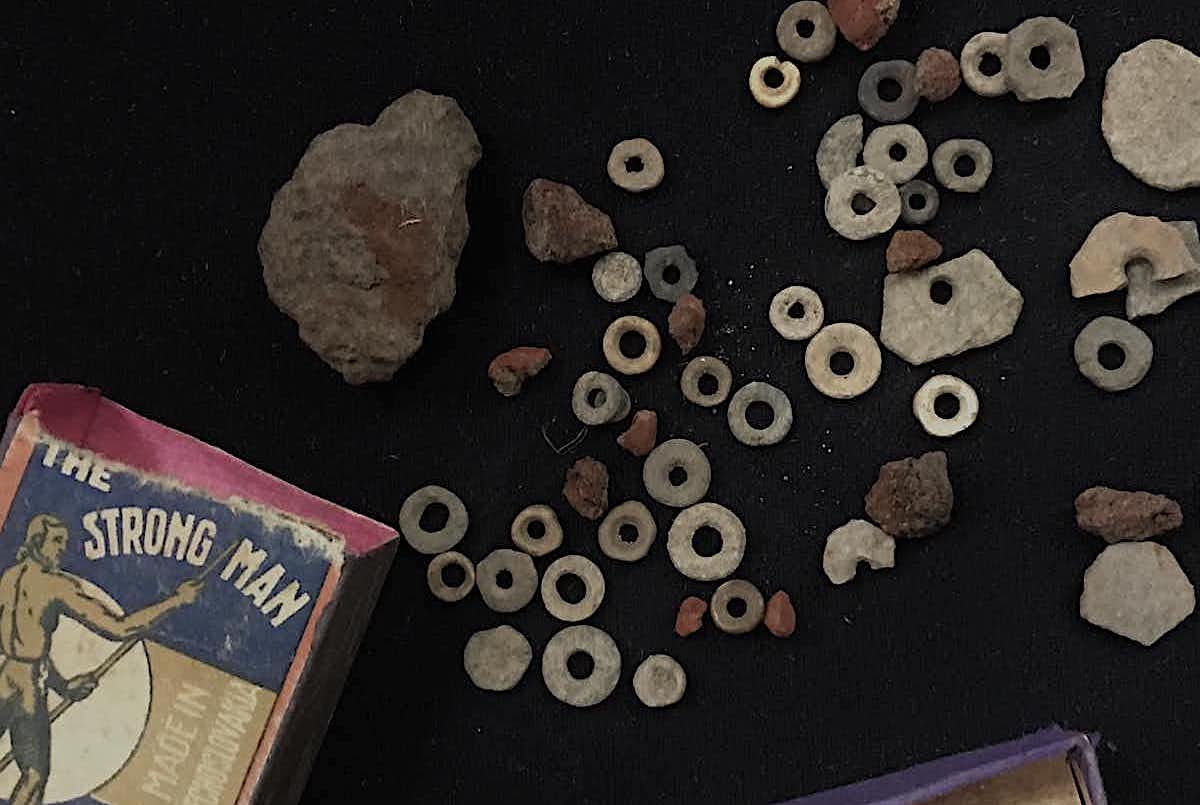
Beige, brown, and gray beads that are small and round lie clustered together on a black surface beside a red, beige, and blue box with a person on it.

Meet the Ancient Technologists Who Changed Everything

Material World
A black-and-white illustration shows a man holding an open suitcase with tickets inside. He is surrounded by colored panels and other people selling goods on a city street.

When Anthropology Meets the Graphic Novel in Thailand

Excerpt
A person in a light-colored shirt and tie rests their arm on the back of a chair while pressing their hands together and smiling.

My Tribute to Richard Leakey

Profiles
A close-up photo shows the cross section of a rectangular wooden plank that is light brown with swirls in the center and dark brown around the outside.

What a Shipwreck’s Tree Rings Reveal

Decoded
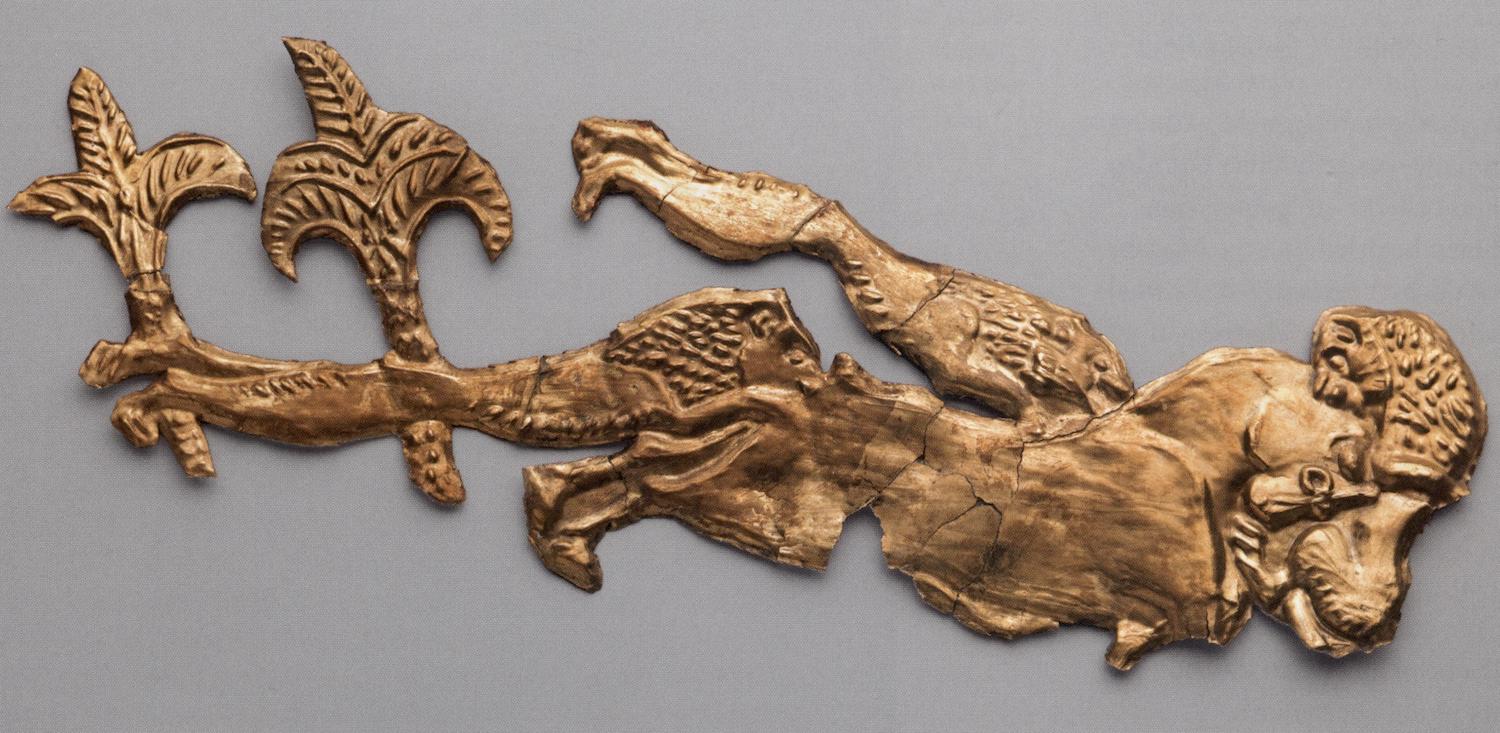
A golden decoration features an animal set upon by lions on three sides.

The Last Wild Lions of Europe

Unearthed
Multicolored kites fly in a blue sky above a green field near a body of water.

Five New Year’s Rituals of Renewal

Phenomenon
Love our work?
Your support keeps SAPIENS accessible to all.
(RE)THINK HUMAN
Get our newsletter with new stories delivered to your inbox every Friday.
Column / Entanglements

Why Do (Some) Humans Love Chili Peppers?

An anthropologist traces the origins and world travels of one of his favorite kinds of plants.

Gideon Lasco is an anthropologist and a physician based in Manila, the Philippines. He obtained his Ph.D. from the University of Amsterdam and his M.D. from the University of the Philippines, where he currently teaches anthropology. His research includes the chemical practices of young people, the meanings of human height, the politics of health care, and the lived realities of the Philippine “drug war.” Lasco has a weekly column in the Philippine Daily Inquirer, where he writes about health, culture, and society. Follow him on Twitter @gideonlasco.

As someone who grew up in the Philippines, I have always loved hot, spicy foods. A typical Filipino meal includes some mix of soy sauce, fish sauce, vinegar, citrus, and peppers, which can be used to customize the flavor of a dish. I always make sure to pile on lots of red and green peppers or to add a dash of Tabasco. At one point, I even planted some chili plants in my family’s backyard and tried making hot sauce with my cousin Franz. [1] I don’t recommend readers try this without using gloves: We ended up burning our hands in the process. Many years later, during the pandemic, I tried it again and finally succeeded in making my own hot sauce by fermenting homegrown peppers with vinegar and salt, following guides like this one.

When I stayed for an extended period in Mexico in 2021, one of the biggest pleasures was the food’s spiciness—from the salsa verde (a green sauce usually spiced by jalapeño peppers) to the aguachile (a ceviche-like dish typical of Mexico’s Pacific coast, made of shrimp marinated in lime and chili peppers, among other ingredients). Beyond the kinds of peppers that one can buy in local grocery stores in many places in the world—such as habañeros, jalapeños, and chile de arbol—there was a bewildering assortment of peppers with distinct shapes, sizes, and levels of spiciness. These ranged from the peppercorn-like chiltepin to the bell-like cascabel, all readily available in the nearest supermercado.
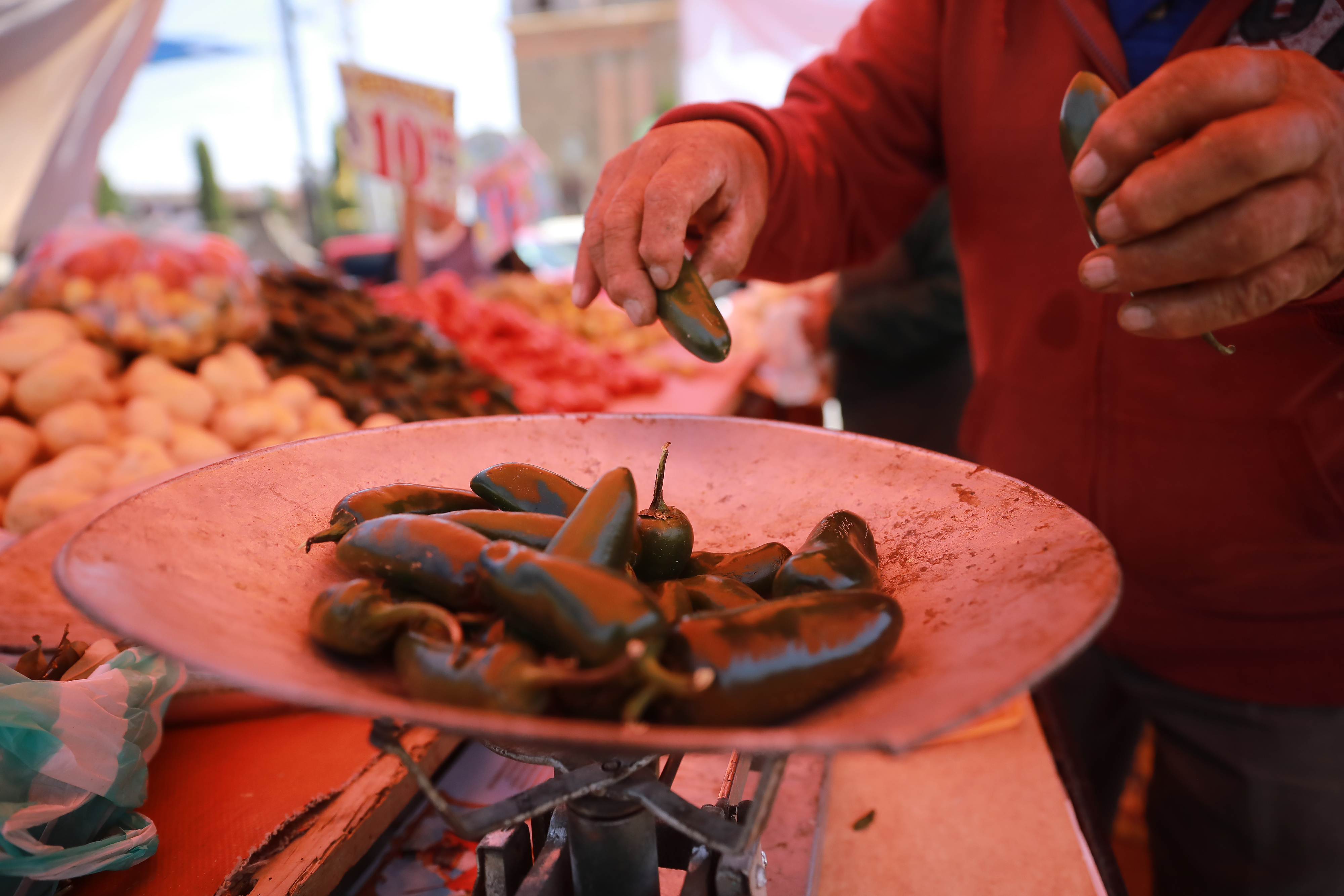
The photograph features a person’s hands placing green jalapeño peppers on a gray scale at a farmer’s market. Price tags and other produce vendors are visible in the background.

Jalapeño peppers, shown here on a scale at a Mexican market, are a popular choice to spice up sauces, dips, and soups.

Hector Vivas/Getty Images

In fact, all of the world’s chili peppers—including the labuyo peppers that we typically use in the Philippines—likely came from the first domesticated chili plants (Capsicum annuum) in what is now Mexico. They were imported as part of the Columbian exchange, which saw the two-way transfer of ideas, animals, plants, diseases, and people between the Eastern Hemisphere and the Americas following Christopher Colombus’ first transatlantic voyage in the late 15th century.

Unthinkable as it may sound today, the cuisines we have come to associate with spiciness—Indian, Thai, Korean, and Chinese, among others—had no chili peppers at all before their introduction in the 16th century onward. Prior to that, those cuisines relied on other spices or aromatics to add heat to dishes, such as ginger, likely native to southern China, or black pepper, native to India.

How did chili peppers become part of the human diet beginning in the Americas an estimated 6,000 to 10,000 years ago? And why were they eventually embraced by the rest of the world?

These questions fascinate me not just because of my personal love for hot sauce, but because, as an anthropologist, I am deeply interested in how culture shapes our human senses of sight, hearing, touch, smell, and taste.

While our bodily senses are mediated by various receptors, how we interpret sensory stimuli depends on our previous experiences and our personal preferences, both of which are in turn influenced by the environments we grow up in. To give just one example, anthropologists have investigated how even color (that is, how we would “see” or visually perceive a particular object) is not universal but differs across societies.
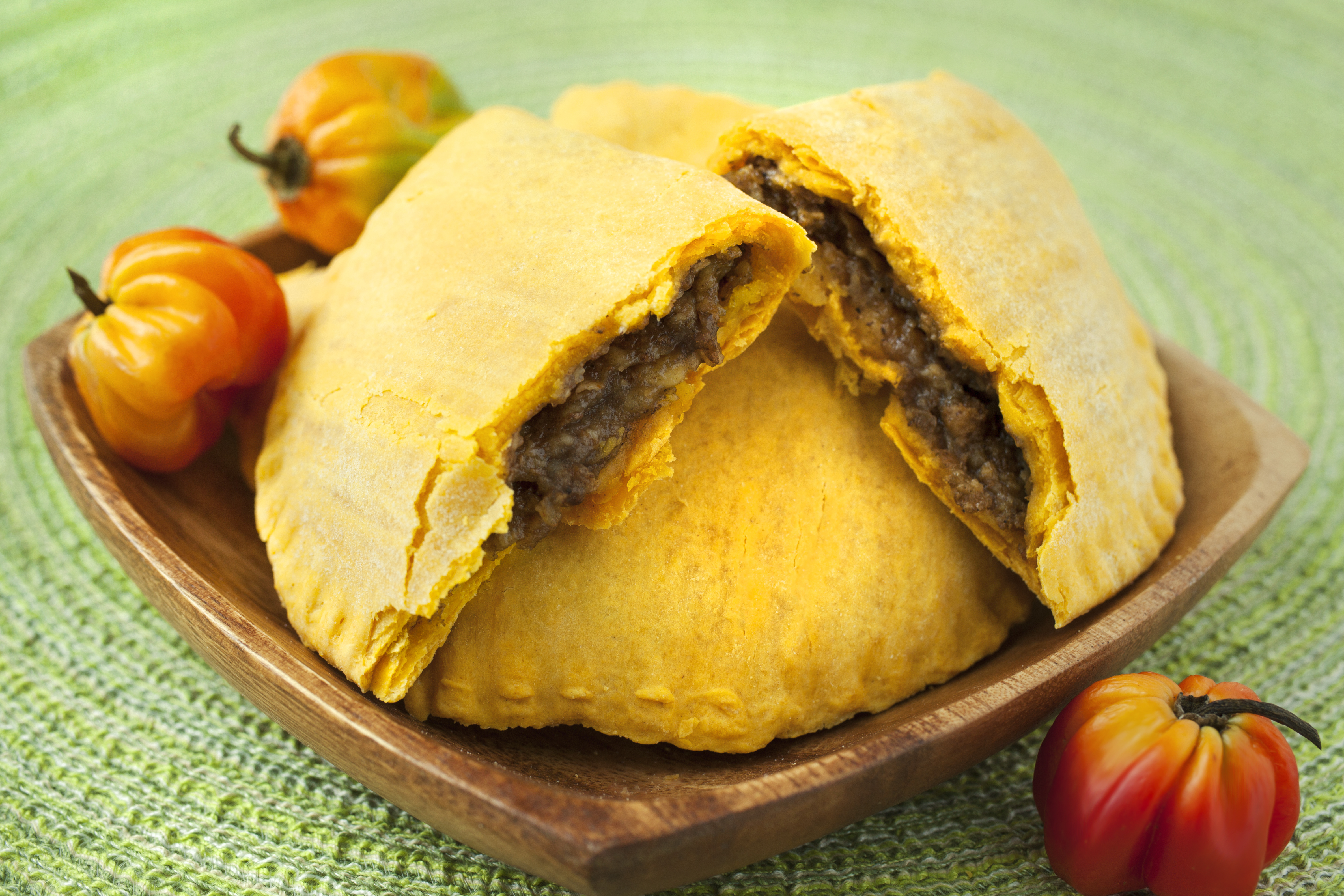
A close-up image features two meat patties wrapped in yellow flaky crust, with one split in half. They sit on a wooden dish with a few orange peppers placed about.

Peppers containing capsaicin—such as the Scotch bonnets used in Jamaican beef patties (shown here)—not only appeal to the tastebuds, they also can help preserve foods that otherwise might spoil.

Blurr/Getty Images

Some evolutionary biologists have proposed that the human propensity for spiciness is borne of necessity. They posit that because peppers (and other spicy foods, including wasabi) have natural antimicrobial properties that can help preserve perishable foods, humans developed a taste for them, particularly in tropical climates where food spoils easily. (In the evolution of the chili plant itself, the emergence of capsaicin, which creates the burning sensation in chiles, appears to be linked with its ability to ward off fungi.)

Psychology researchers, on the other hand, have posited that some people’s preference for capsaicin-containing foods is related to thrill-seeking tendencies. Psychologists Paul Rozin and Deborah Schiller concluded this back in 1980, drawing on an experiment that involved giving people increasingly spicy doses of chili. “Eating of chili, riding on roller coasters, taking very hot baths, and many other human activities can be considered instances of thrill seeking or enjoyment of ‘constrained risks,’” they wrote. More recent studies have associated the preference for chiles with personality traits like “sensation seeking” and “sensitivity to reward.” The recent popularity of chili eating competitions can be seen as an extreme example of these tendencies.

Beyond these biological and psychological investigations, anthropologists and those in related fields have also contributed to our understanding of why particular groups tend to prefer spicier foods by bringing in the element of culture. As anthropologists have documented over the years, humans can eat a diverse range of foods—so our decisions about what to eat often speak to much more than our biological or psychological needs. They reflect our societies and their values.

In some parts of Mexico, for instance, the preference for hotter foods is tied to notions of national and regional identities. The cultural historian Esther Katz cites an expression shared by Indigenous Mixtec people from Oaxaca: “Somos fuertes porque comemos puro chile” (“We are strong, since we eat nothing but pepper”). The association between eating spicy foods and certain personality traits, such as courage or spunk, can be a way for some people to distinguish themselves from other groups, even those living within the same country.
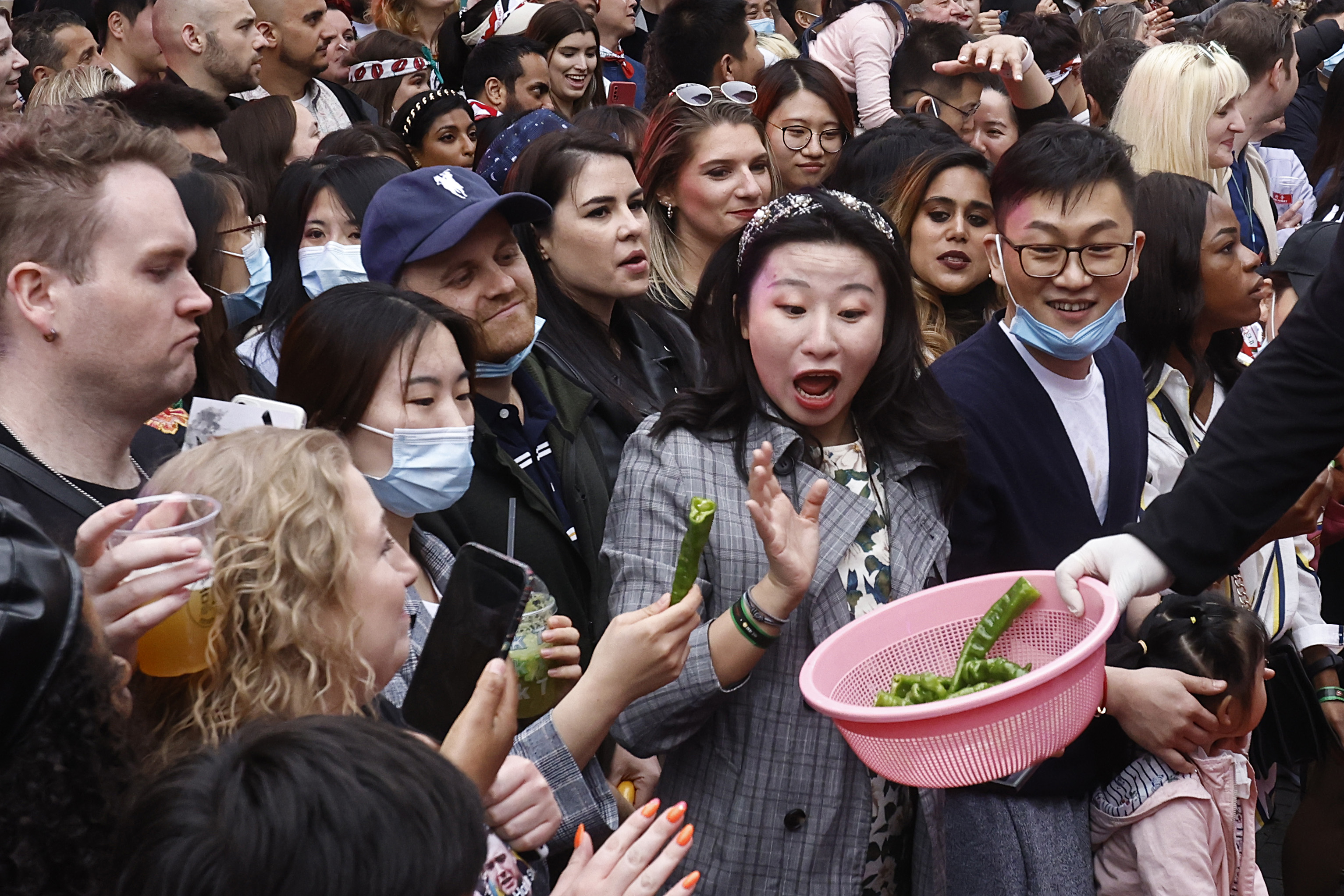
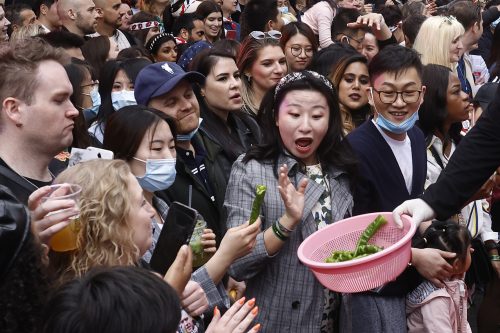
A crowd of people gather, with those in the front row reaching out to take green peppers from a pink colander.

Human societies shape people’s interest in and reaction to spicy foods. In Beijing, crowds flocked to the 2021 Hot & Spicy Festival to taste chili peppers from around the world.

Han Haidan/China News Service/Getty Images

Further illustrating this point, chili peppers figure in regional identities in Communist China, and even regional rivalries. A common saying goes: “The Sichuanese are not afraid of hot chiles; no degree of heat will frighten off the people of Guizhou; but those Hunanese are terrified of food that isn’t hot!” The leader of the Communist revolution, Mao Zedong, was a native of Hunan who pointedly connected the revolutionary spirit with the ability to handle spice.

Mao is said to have remarked: “Without chili peppers there would be no revolution.”

Spiciness is also connected in some places with gender identities. For instance, in Japan, as anthropologist Jon Holtzman has investigated, men were traditionally expected to prefer spicy foods (and alcohol) and to disdain sweet foods. Attitudes toward food preferences have changed alongside shifts in Japanese societal notions of masculinity in the 20th century—though sweetness is still sometimes associated more with women and children.

Of course, it goes without saying that tastes change along with societies. Indeed, certain food products that may seem unpalatable or even disgusting to some can become well-loved by others. Take, for instance, the food spread Vegemite becoming part of Australian national identity, or guinea pigs, traditionally eaten by Indigenous communities in the Andes, becoming part of Peruvian fine dining in recent years.

And even within a particular group, individuals have their own preferences. Associating certain ethnicities with food preferences can lead to inaccurate generalizations and damaging stereotypes. An eighth grader named Jacquelin Rojas from the U.S. summarized this point succinctly on a website inviting people to distill their thoughts about race. “Not all Mexicans like spicy foods,” she wrote.

In the end, there is no single explanation that can account for why some people desire spicy foods while others don’t. Regardless, the travels of chili peppers across continents and over the centuries shows just how far some humans—myself included—will go to spice up our diets and everyday lives.

Love our work?
Your support keeps SAPIENS accessible to all.
(RE)THINK HUMAN
Get our newsletter with new stories delivered to your inbox every Friday.