NISHIDE SHUZO
‘100 YEAR SAKE’
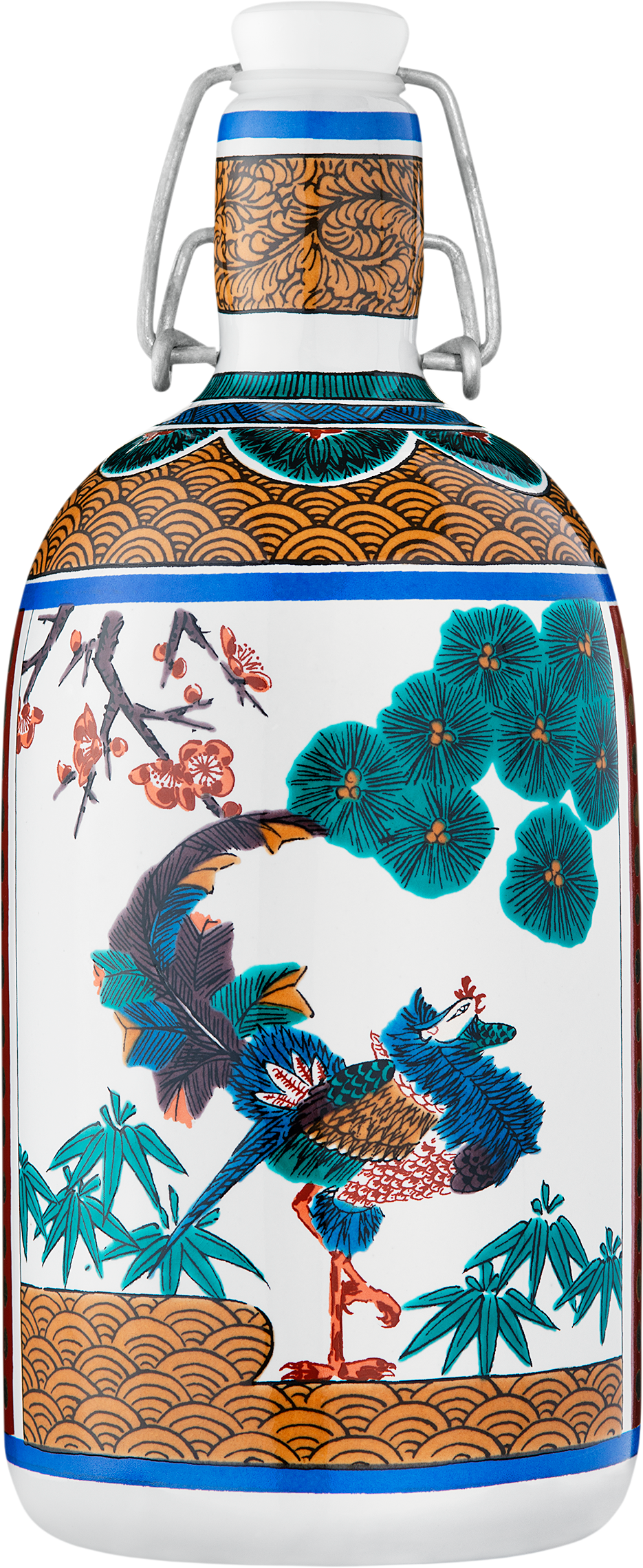
Ishikawa’s 17th century Kutani Yaki porcelain artwork gracing this bottle helps tell the story that this sake has been made with local ingredients only. Discovered 100 years ago, the yeast known as kuratsuki kobo is especially unique as it exists naturally within the brewery itself, and is therefore only found in Nishide’s sakes. This Junmai Daiginjo exhibits notes of apricot and young banana that starts off soft and mild, giving way to the smooth umami of sake rice, finishing dry with balanced acidity.
Sake Brewery Nishide Shuzo, Komatsu City in Ishikawa Prefecture
Dryness SMV +3 Acidity 2.0
Recommended temperature Best served chilled.
Recommended dishes sushi and dashi rich dishes
Grade Junmai Daiginjo, 50% rice polish ratio (seimaibuai)
Alcohol 16%
Rice Gohyakumangoku
Yeast Kuratsuki Kobo
Water Hakusan
HEIWA SHUZOU
“KID” MURYOZAN 30
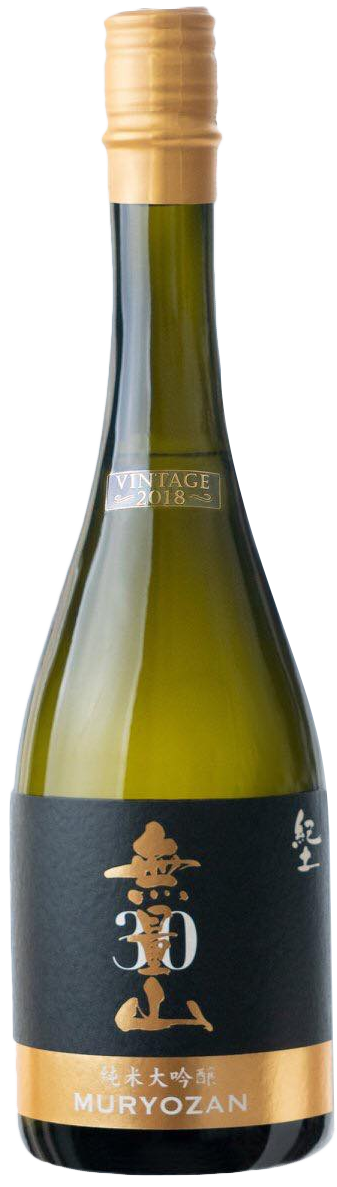
With the goal to create the new standard for next generation Sake in Japan, Heiwa Shuzou brings us “KID” Muryozan 30. This sake, which receives its name from the former temple it is now brewed in, is the highest grade and best series of the KID sake lineup. Using Grade A Yamadanishiki from Hyogo and a milling rate of 30%, this rice requires a very sophisticated and delicate technique for every step in the brewing process. Heiwa Shuzo puts forth every ounce of energy to brew this sake to be the most beautiful. Muryozan 30 is elegant, soft and smooth.
Sake Brewery Heiwa Shuzou, Kainan City in Wakayama Prefecture
Dryness SMV -3 Acidity 1.7
Recommended Temperature Best served chilled.
Grade Junmai Daiginjo, 30% rice polish ratio (seimaibuai)
Alcohol 15%
Rice Yamadanishiki
Yeast K1801
Water Koyasan Nansui
HEIWA SHUZOU
“KID” JUNMAI DAIGINJO
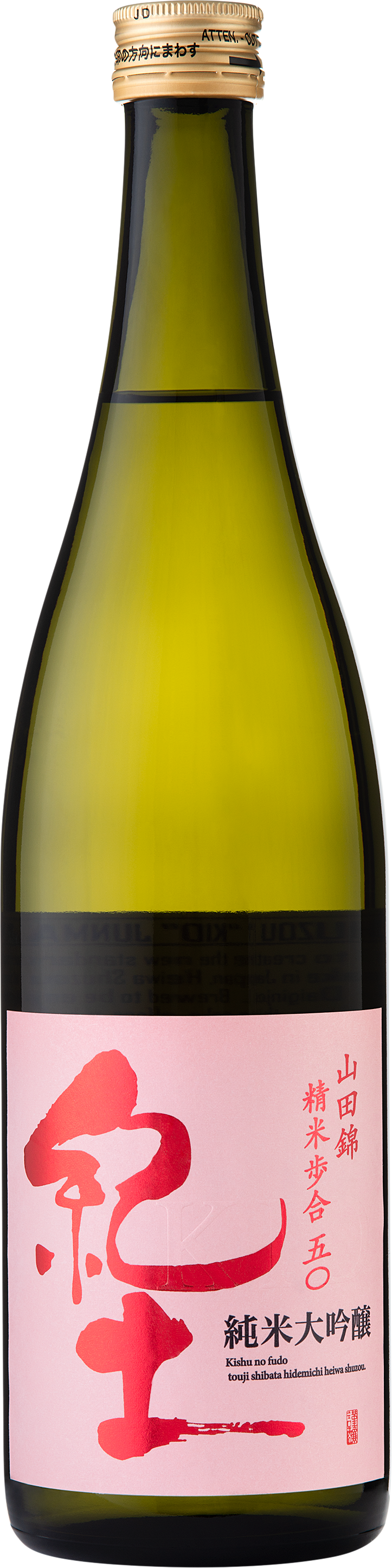
With the goal to create the new standard for next generation Sake in Japan, Heiwa Shuzou brings us “KID” Junmai Daiginjo. Brewed to be enjoyed for special occasions, this sake offers a refreshing fruity aroma, followed by an elegant and rich taste of sake rice. “KID” Junmai Daiginjo has well balanced acidity that gives way to a clean finish. This sake is a great accompaniment to food.
Sake Brewery Heiwa Shuzou, Kainan City in Wakayama Prefecture
Dryness SMV +2 Acidity 1.3
Recommended Temperature Best served chilled.
Grade Junmai Daiginjo, 50% rice polish ratio (seimaibuai)
Alcohol 15%
Rice Yamadanishiki
Yeast K901, K1801
Water Koyasan Nansui
HEIWA SHUZOU
“KID” JUNMAI
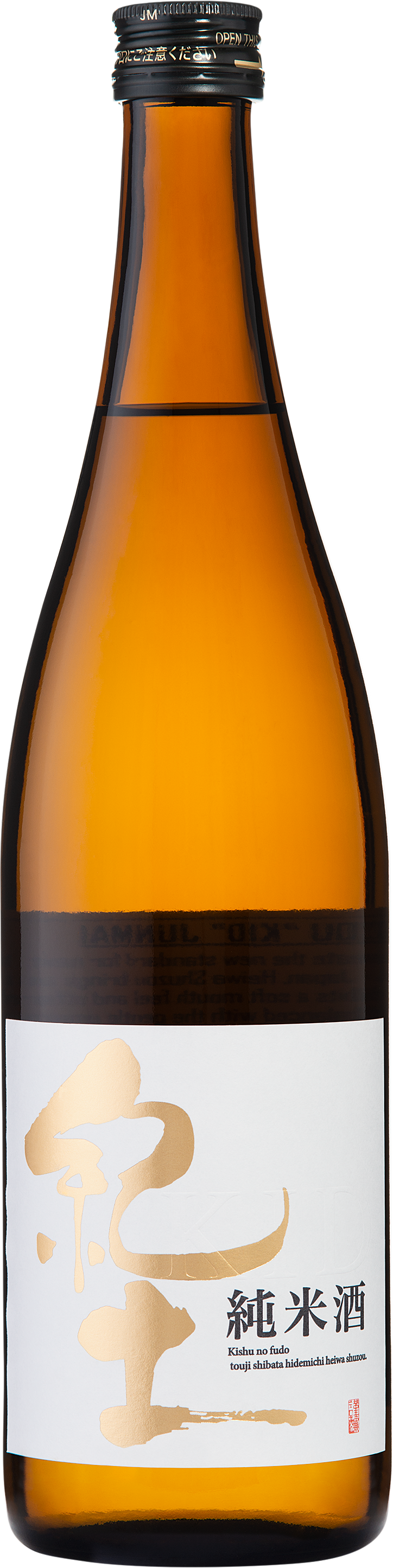
With the goal to create the new standard for next generation Sake in Japan, Heiwa Shuzou brings us “KID” Junmai, which exhibits a soft mouth feel and offers an acidity that is well balanced with the gentle umami of sake rice. Brewed using the soft and clean spring water of Wakayama Prefecture, “KID” Junmai opens the door for sake beginners.
Sake Brewery Heiwa Shuzou, Kainan City in Wakayama Prefecture
Dryness SMV +4 Acidity 1.5
Recommended Temperature Best served at room temperature.
Grade Junmai, 50% rice polish ratio (Gohyakumangoku), 60% rice polish ratio (Ippanmai)
Alcohol 15%
Rice Gohyakumangoku, Ippanmai
Yeast K701
Water Koyasan Nansui
HEIWA SHUZOU
“KID” HIYAOROSHI
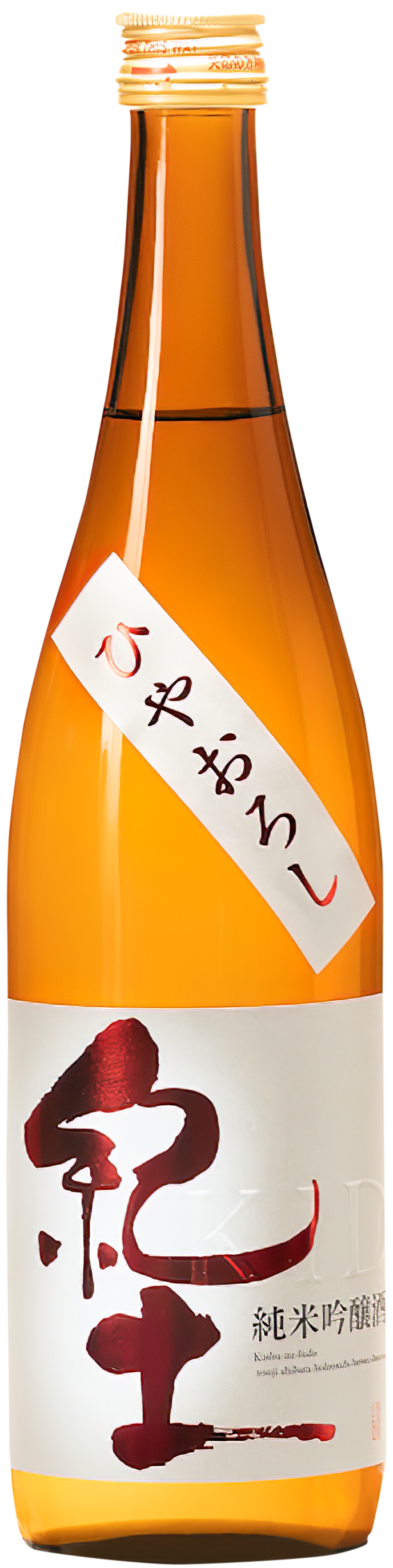
With the goal to create the new standard for next generation Sake in Japan, Heiwa Shuzou brings us “KID” Junmai Ginjo Hiyaoroshi, which exhibits a soft mouth feel and offers notes of banana that is well balanced with the gentle umami of sake rice to match beautifully with the fall season. Brewed using the soft and clean spring water of Wakayama Prefecture, this sake helps you enjoy the harvest season!
Sake Brewery Heiwa Shuzou, Kainan City in Wakayama Prefecture
Dryness SMV +1.5 Acidity 1.7
Recommended Temperature Chilled, warm or room temperature. KID Hiyaoroshi is almighty
Grade Junmai Ginjo, 50% rice polish ratio (koujimai), 55% rice polish ratio (kakemai)
Alcohol 15%
Rice Gohyakumangoku
Yeast K1801, 901, 14, 10
Water Koyasan Nansui
HEIWA SHUZOU
“KID” SHIBORITATE
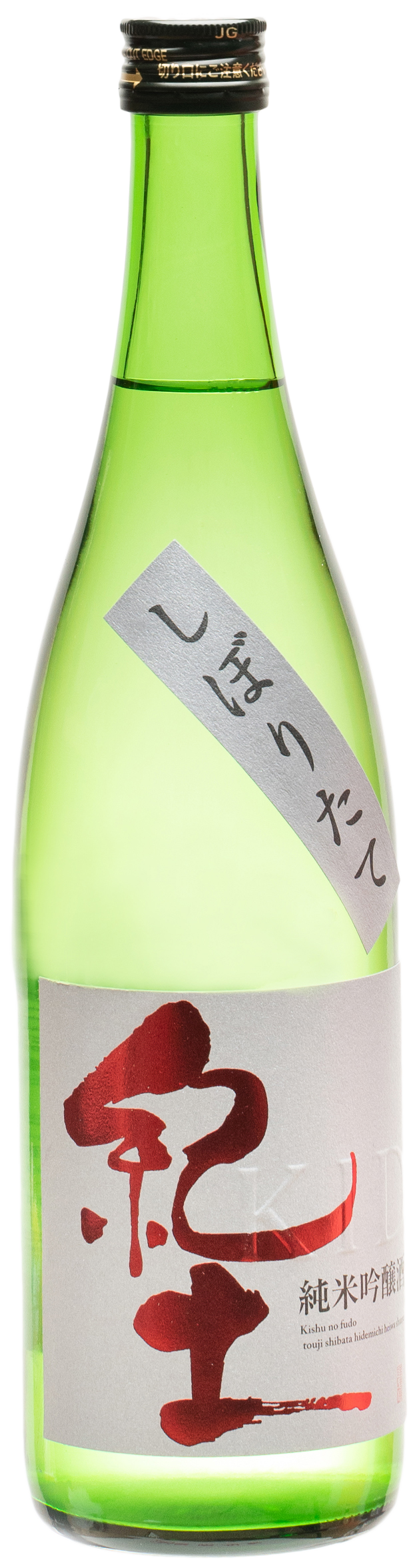
With the goal to create the new standard for next generation Sake in Japan, Heiwa Shuzou brings us “KID” Junmai Ginjo Shiboritate, which translates to freshly squeezed sake in the middle of production season! Brewed using the soft and clean spring water of Wakayama Prefecture, this limited release sake is bright and crisp. To keep the freshness of umami, this sake is never pasteurized.
Sake Brewery Heiwa Shuzou, Kainan City in Wakayama Prefecture
Dryness SMV +1.0 Acidity 2.0
Recommended Temperature Chilled
Grade Junmai Ginjo, 50% rice polish ratio (koujimai), 55% rice polish ratio (kakemai)
Alcohol 15%
Rice Gohyakumangoku
Yeast K1801, 901, 14, 10
Water Koyasan Nansui
HEIWA SHUZOU
“KID” HARU NO KUNPU
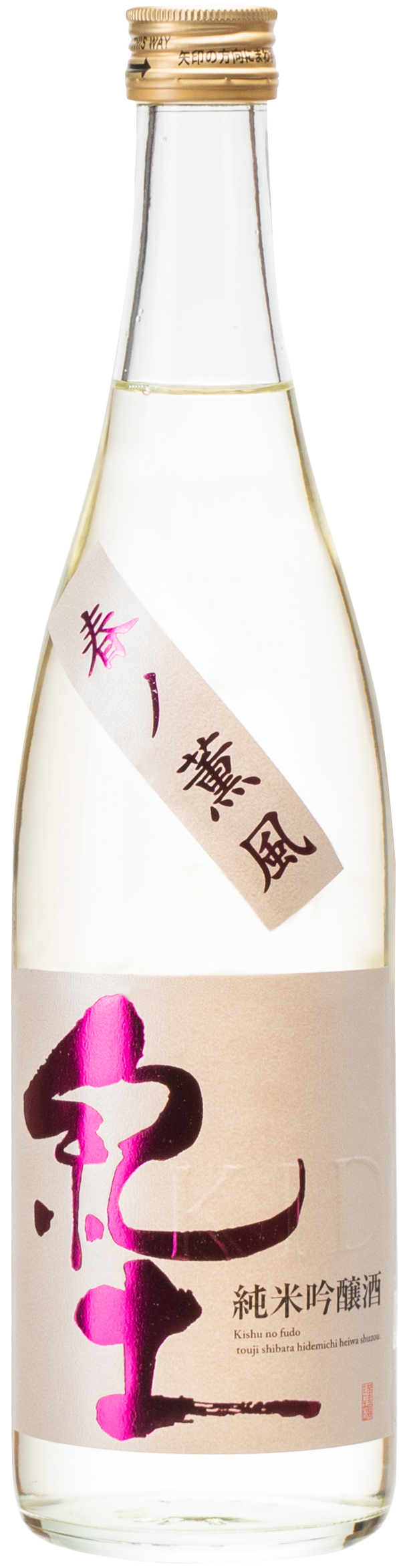
With the goal to create the new standard for next generation Sake in Japan, Heiwa Shuzou brings us “KID” Junmai Ginjo Haru no Kunpu, which means “Spring Breeze.” After a long winter, this Spring sake gives you hints of flowers blooming, finishing dry and crisp. To keep the freshness of spring, this sake is never pasteurized.
Sake Brewery Heiwa Shuzou, Kainan City in Wakayama Prefecture
Dryness SMV +0 Acidity 1.7
Recommended Temperature Chilled
Grade Junmai Ginjo, 50% rice polish ratio (koujimai), 55% rice polish ratio (kakemai)
Alcohol 15%
Rice Gohyakumangoku
Yeast K1801, 901, 14, 10
Water Koyasan Nansui
HEIWA SHUZOU
“KID” NATSU NO SHIPPU
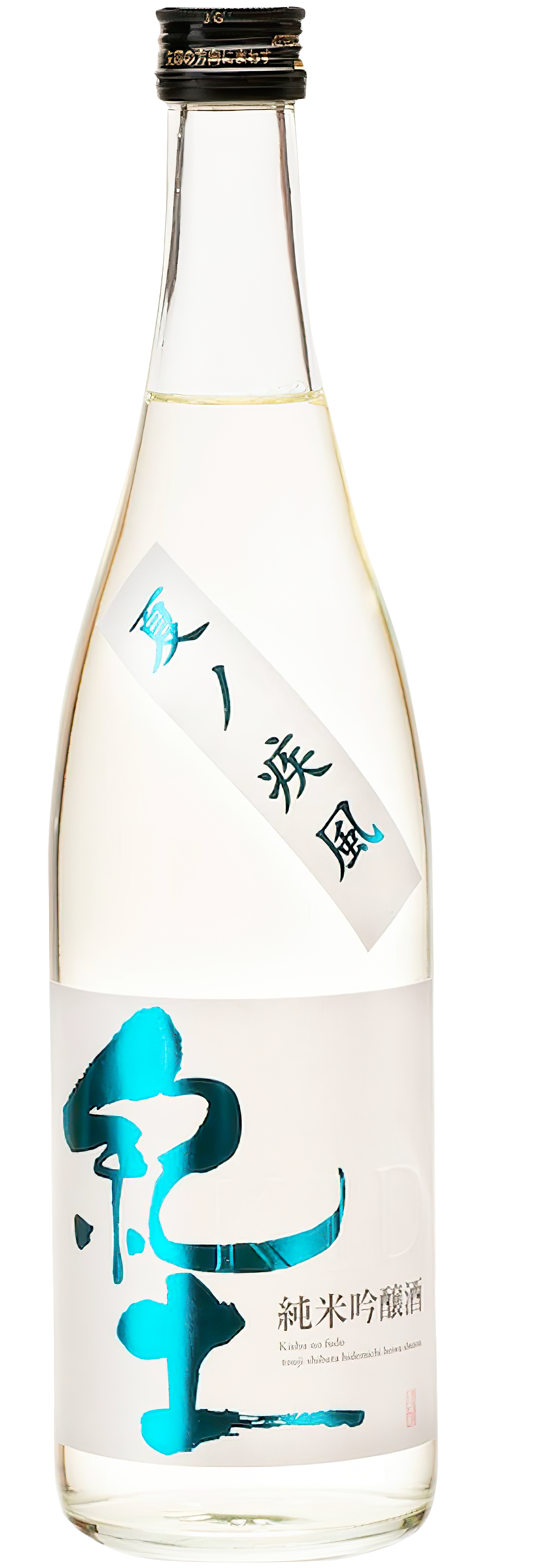
With the goal to create the new standard for next generation Sake in Japan, Heiwa Shuzou brings us “KID” Junmai Ginjo Summer Sake “Natsu no Shippu,” which means summer’s strong wind! This sake exhibits a soft mouth feel and offers sharp acidity that is well balanced with the gentle umami of sake rice to match beautifully with the summer season. Brewed using the soft and clean spring water of Wakayama Prefecture, this sake helps you enjoy the summer more!
Sake Brewery Heiwa Shuzou, Kainan City in Wakayama Prefecture
Dryness SMV +4 Acidity 1.8
Recommended Temperature Very cold
Grade Junmai Ginjo, 50% rice polish ratio (koujimai), 55% rice polish ratio (kakemai)
Alcohol 15%
Rice Gohyakumangoku
Yeast K1801, 901, 14, 10
Water Koyasan Nansui
AKABU JUNMAI GINJO
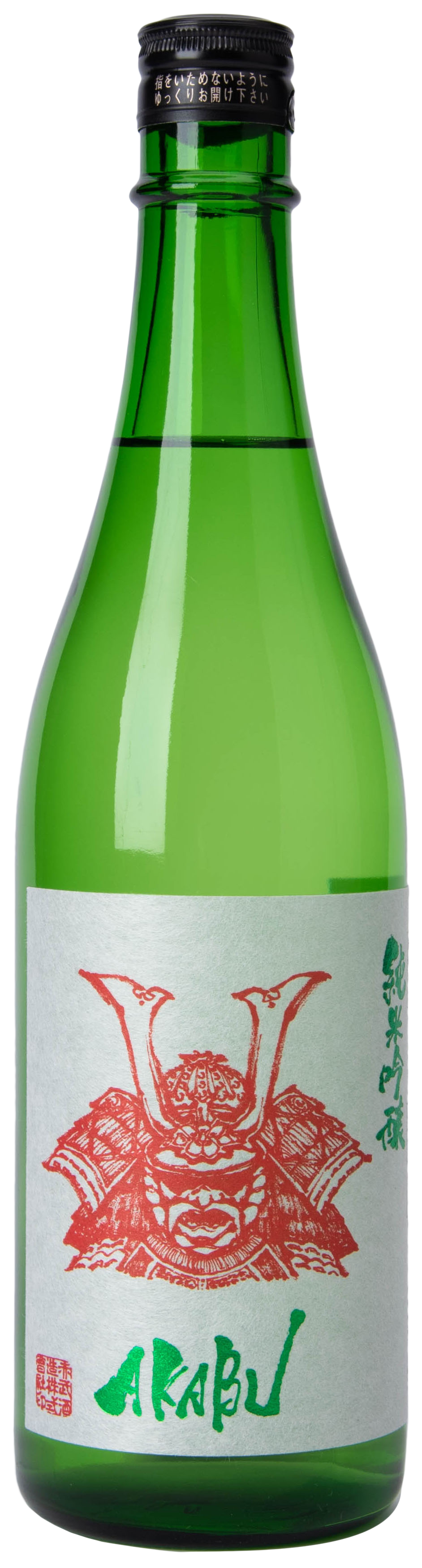
Leading the Sake industry in Japan out of Iwate Prefecture is Akabu’s 6th Generation, the young and talented Master Brewer, Ryunosuke Furudate. Guided by their passion, Furudate and his team harness every bit of their soul to evolve sake production as we know it. Akabu Junmai Ginjo opens with aromas of apple followed by tastes of vanilla and almond milk. This sake’s acidity and refreshing sweetness are well balanced and is only pasteurized once to keep its freshness.
Sake Brewery Akabu, Morioka City in Iwate Prefecture
Recommended temperature Best served chilled.
Recommended dishes salads with citrus fruit, carpaccio
Grade Junmai Ginjo, 50% rice polish ratio (seimaibuai)
Alcohol 15%
Rice Gin Ginga (Iwate)
Yeast Iwate Yeast
Water Morioka water
AKABU JUNMAI
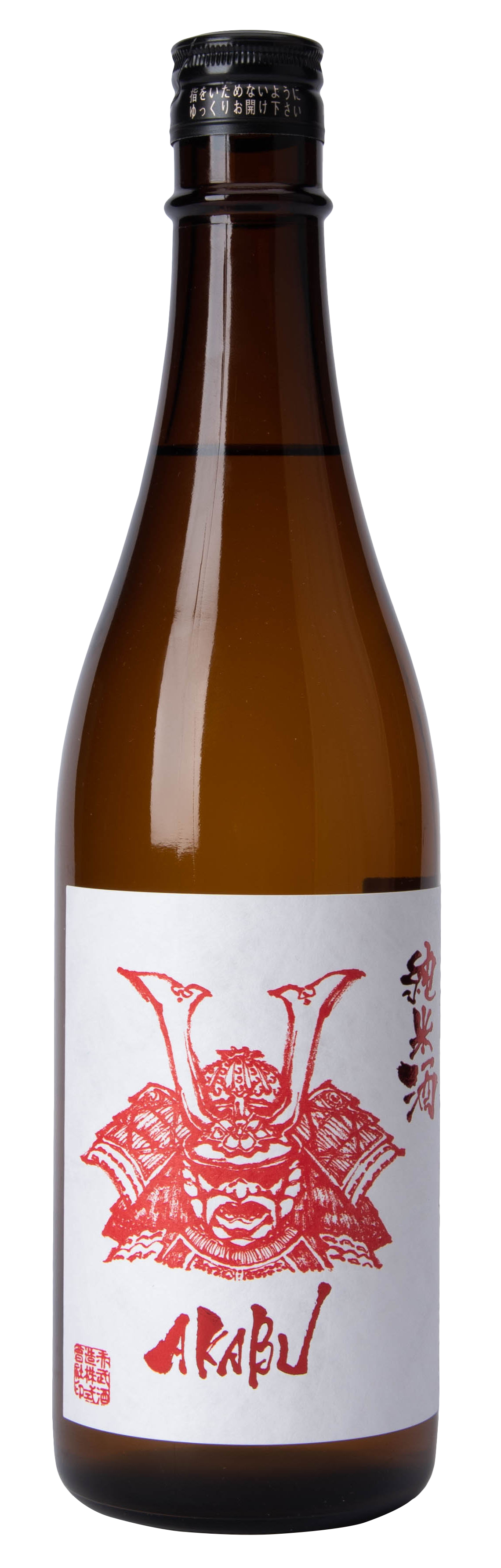
Leading the Sake industry in Japan out of Iwate Prefecture is Akabu’s 6th Generation, the young and talented Master Brewer, Ryunosuke Furudate. Guided by their passion, Furudate and his team harness every bit of their soul to evolve sake production as we know it. Akabu Junmai is layered with aromas of white peach and the fifth taste of umami that is enveloped by notes of grapefruit. This sake is pasteurized only once to keep its freshness.
Sake Brewery Akabu, Morioka City in Iwate Prefecture
Recommended temperature Best served chilled.
Recommended dishes yakitori, roast beef, beef stew
Grade Junmai, 60% rice polish ratio (seimaibuai)
Alcohol 15%
Rice Gin Ginga (Iwate)
Yeast Iwate 201
Water Morioka water
MANZAIRAKU
JUNMAI DAIGINJO
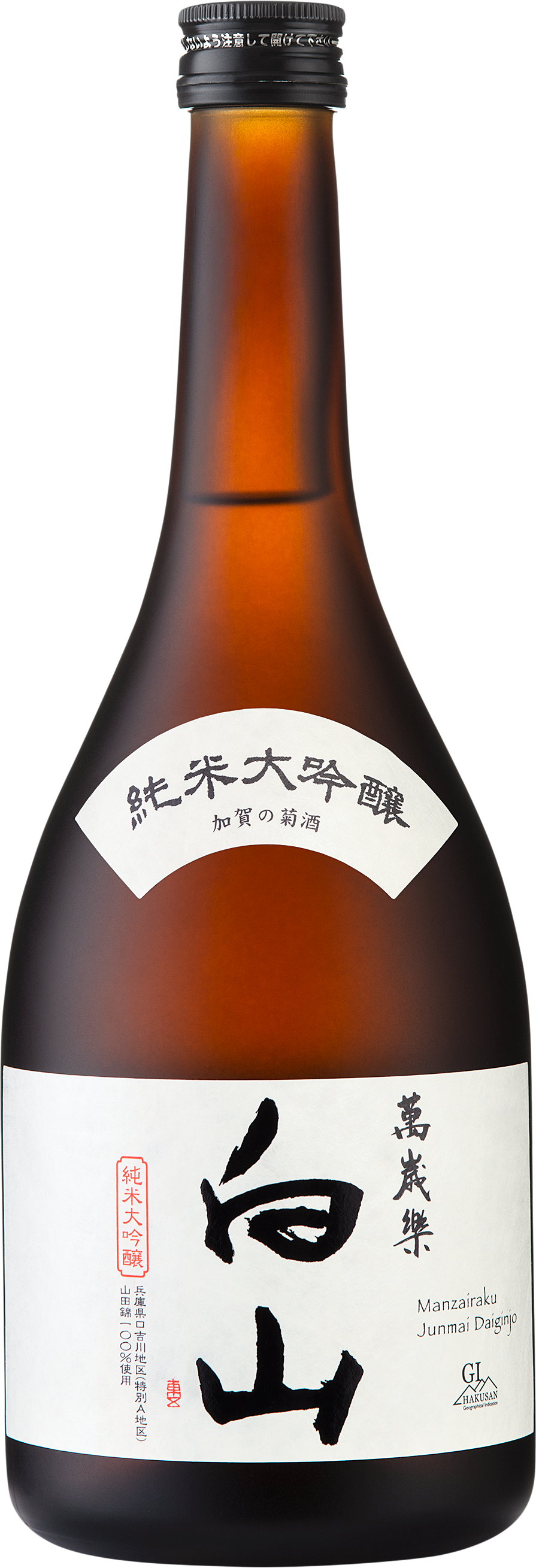
This premium Junmai Daiginjo uses the best kind of Yamada Nishiki rice (Toku A-A) and combines it with Manzairaku's own proprietary yeast, making this sake smooth and floral, while also refreshing.
Sake Brewery Manzairaku, Hakusan City in Ishikawa Prefecture
Dryness SMV +2 Acidity 1.3
Recommended temperature Best served chilled.
Recommended dishes sashimi, sushi, raw bar
Grade Junmai Daiginjo, 50% rice polish ratio (seimaibuai)
Alcohol 15%
Rice Yamada Nishiki (large grain rice with less protein, which gives a pure mild flavor, while at the same time it’s very fresh and crisp). The Yamada Nishiki Manzairaku uses is from Hyogo Prefecture (Miki City), known as one of the best areas for Yamada Nishiki production
Yeast M301
Water Tedorigawa water
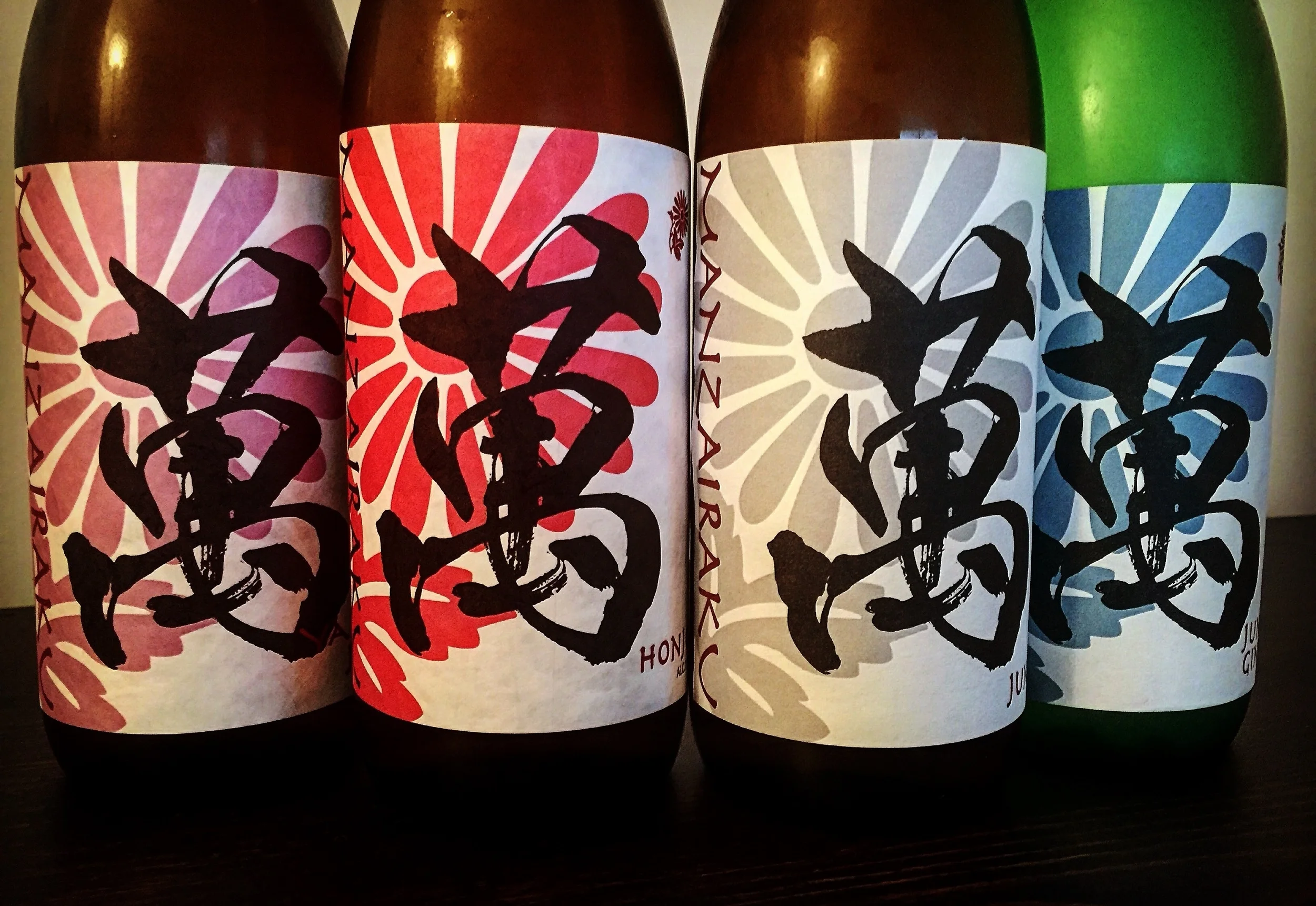
MANZAIRAKU
JUNMAI GINJO
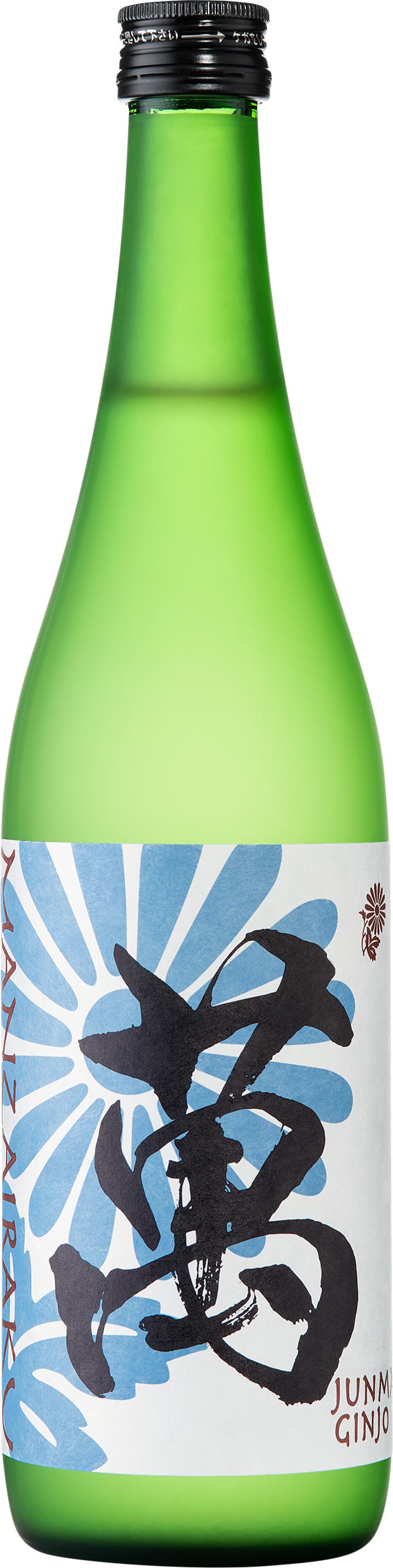
This sake uses one of the best types of rice, the specially grown Yamada Nishiki, which gives Manzairaku Junmai Ginjo a pure mild flavor, and at the same time it is very fresh and crisp. It’s mild and deep flavor spreads out slowly in your mouth and gently calms down on your tongue.
Sake Brewery Manzairaku, Hakusan City in Ishikawa Prefecture
Dryness SMV +4 Acidity 1.3
Recommended temperature Best served chilled. Also enjoyable at room temperature
Recommended dishes Good for both Western and Japanese foods, especially seafood, tempura and sushi
Grade Junmai Ginjo, 60% rice polish ratio (seimaibuai)
Alcohol 15%
Rice Yamada Nishiki (large grain rice with less protein, which gives a pure mild flavor, while at the same time it’s very fresh and crisp). The Yamada Nishiki Manzairaku uses is from Hyogo Prefecture (Miki City), known as one of the best areas for Yamada Nishiki production
Yeast M301
Water Tedorigawa water
MANZAIRAKU
YAMAHAI JUNMAI
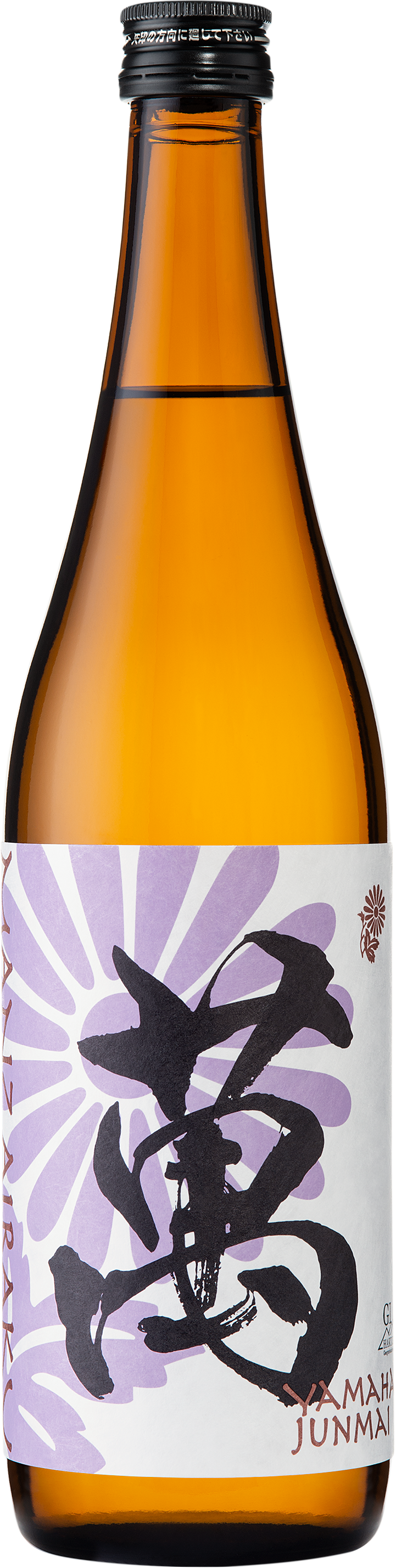
This sake has good body and an umami flavor of sake rice (sakamai) that reminds you of very traditional Japanese local sake (jizake)
One of Hakusan Kikusake – water from the Hakusan Mountain is used. The Japanese government approved Hakusan City as the very first preferred area to produce sake
Sake Brewery Manzairaku, Hakusan City in Ishikawa Prefecture
Dryness SMV +8 Acidity 1.8
Recommended temperature Best served warm. Also enjoyable chilled or at room temperature
Recommended dishes duck, yakitori, sukiyaki, hot pot, sushi
Grade Yamahai Junmai, 68% rice polish ratio (seimaibuai)
Alcohol 16%
Rice Gohyakumangoku
Yeast K702
Water Tedorigawa water
Prize International Wine Challenge 2010 Sake Section, Silver Medal
MANZAIRAKU
JUNMAI
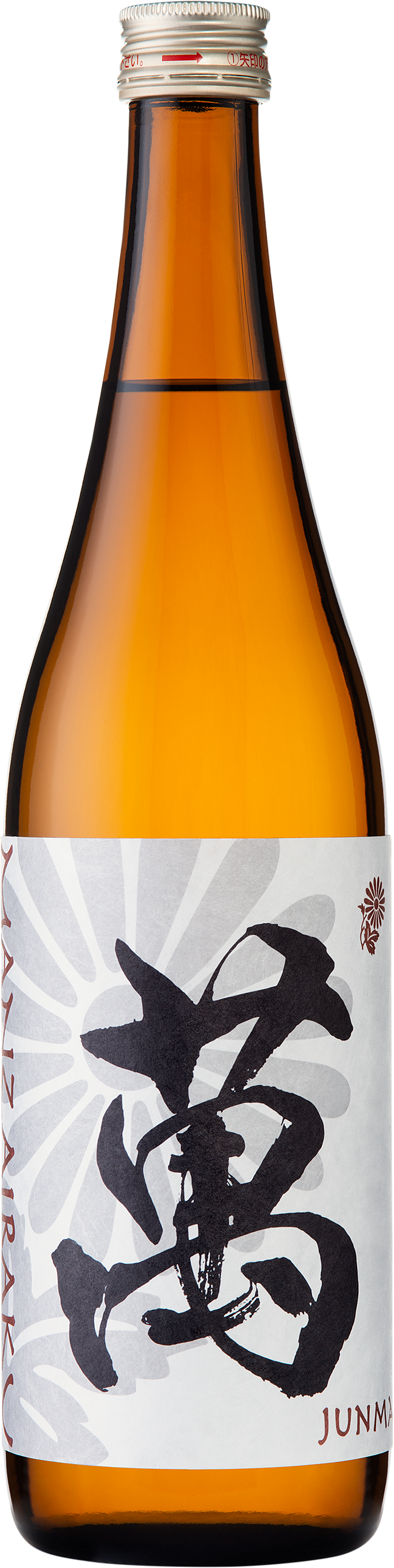
This sake is simple, mellow and doesn’t kill food’s flavor. Its sourness, bitterness and mildness are well balanced. The aftertaste is clean and dry. Flavors are wooden, like cypress.
One of Hakusan Kikusake water from the Hakusan Mountain is used. The Japanese government approved Hakusan City as the most preferred area to produce sake.
Sake Brewery Manzairaku, Hakusan City in Ishikawa Prefecture
Dryness SMV +6 Acidity 1.8
Recommended temperature Best served at room temperature. Also enjoyable chilled or warm
Recommended dishes beef, grilled fish, Japanese food with a lot of dashi flavor (oden, kakuni, boiled foods in general)
Grade Junmai, 68% rice polish ratio (seimaibuai)
Alcohol 16%
Rice Hokuriku No. 12 rice is used, which is very limited and Manzairaku cultivates it on their own
Yeast K6 & K601
Water Tedorigawa water
Prize International Wine Challenge 2010 Sake Section, Bronze medal
MANZAIRAKU
HONJOZO
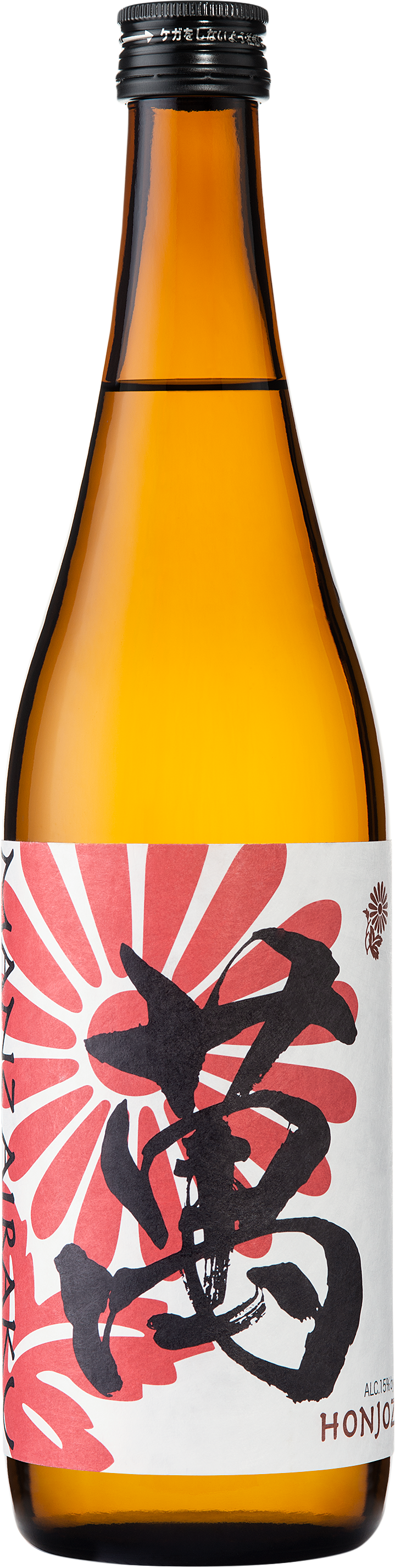
This is the most popular sake from Manzairaku. Manzairaku Honjozo is best for casual drinking as a daily sake. Its texture is smooth and easy to drink. Honjozo is considered a little light, not that sweet, and refreshing.
Sake Brewery Manzairaku, Hakusan City in Ishikawa Prefecture
Dryness SMV +3 Acidity 1.4
Recommended temperature Best served warm. Also enjoyable chilled or at room temperature (when heated, it is sharp/fresh, but chilled is more mild)
Recommended dishes seasonable sashimi and sushi, especially white fish, or grilled squid, oden, and tofu dishes
Grade Honjozo, 70% rice polish ratio (seimaibuai)
Alcohol 15%
Rice Hokuriku No. 12 (very limited and Manzairaku cultivates it on their own) and Gohyakumangoku
Yeast M2
Water Tedorigawa water
Prize Slow Food Japan Sake Award 2012 GOLD Medal
KAGATSURU
JUNMAI GINJO
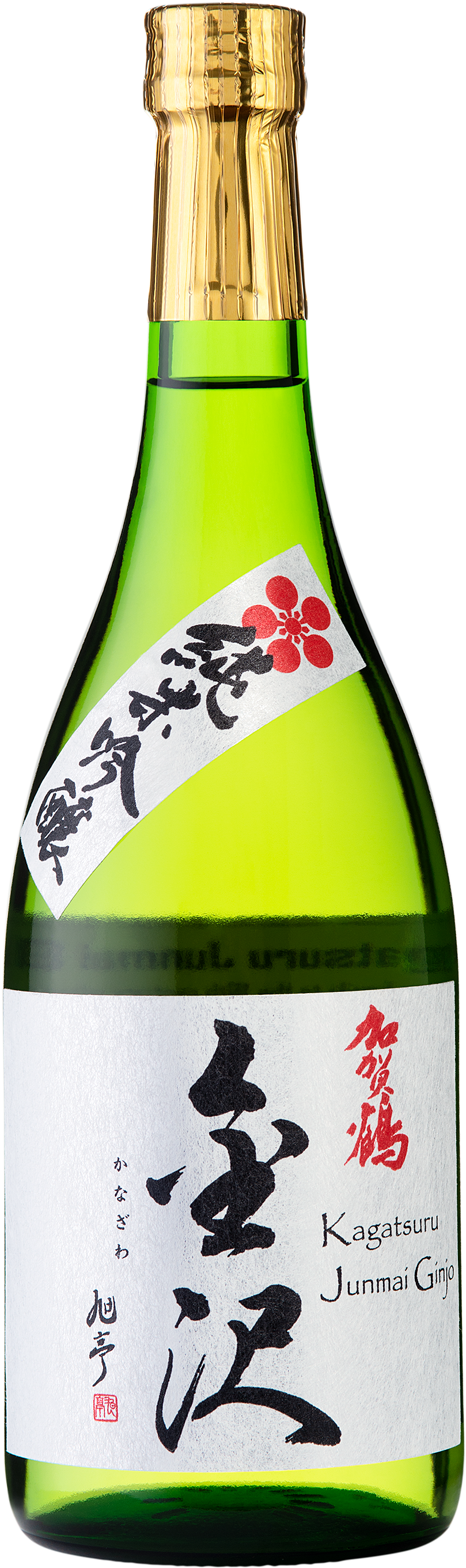
Kagatsuru's brewery dates back to the 16th century when it began making sake for the leading general of the Kaga region, Maeda Toshiie. With well over 400 years of sake making experience, we now have this Junmai Ginjo, which offers a great balance of umami and the flavor of sake rice.
Sake Brewery Yachiya Shuzo, Kanazawa City in Ishikawa Prefecture
Dryness SMV +3 Acidity 1.5
Recommended temperature Best served chilled. Also enjoyable at room temperature
Recommended dishes White fish sashimi, clams, oysters, sushi, shabu shabu
Grade Junmai Ginjo, 55% rice polish ratio (seimaibuai)
Alcohol 15.5%
Rice Gohyakumangoku
Yeast K14 (Kanazawa Kobo)
Water Iouzen Nansui
KAGATSURU
UMESHU
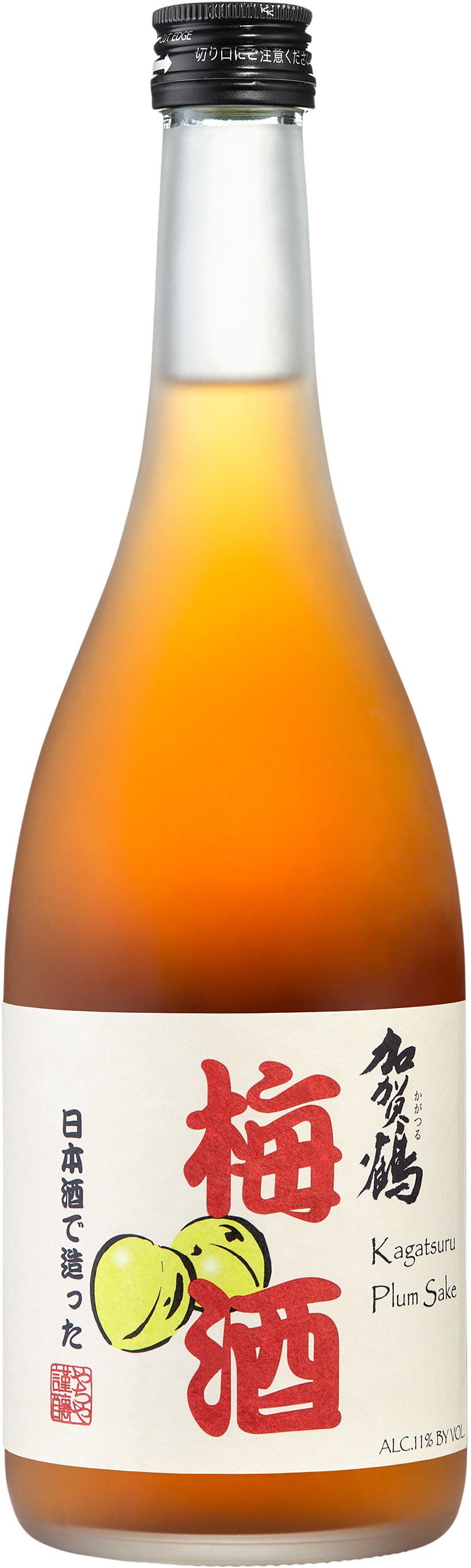
With well over 400 years of sake making experience, and the use of locally farmed plums, we now have this Umeshu, which offers a great balance of refreshing flavor, sourness of plum and the umami of rice.
This umeshu is made by combining sake from the Kagatsuru brewery with local plums. The sake itself is made using the famous Gohyaku Mangoku rice that has been milled down to a 60% polish ratio.
Recommended temperature Enjoyable chilled, on the rocks or as a cocktail base
Alcohol 11%
Yeast K701
SHIBATA BLACK JUNMAI GINJO
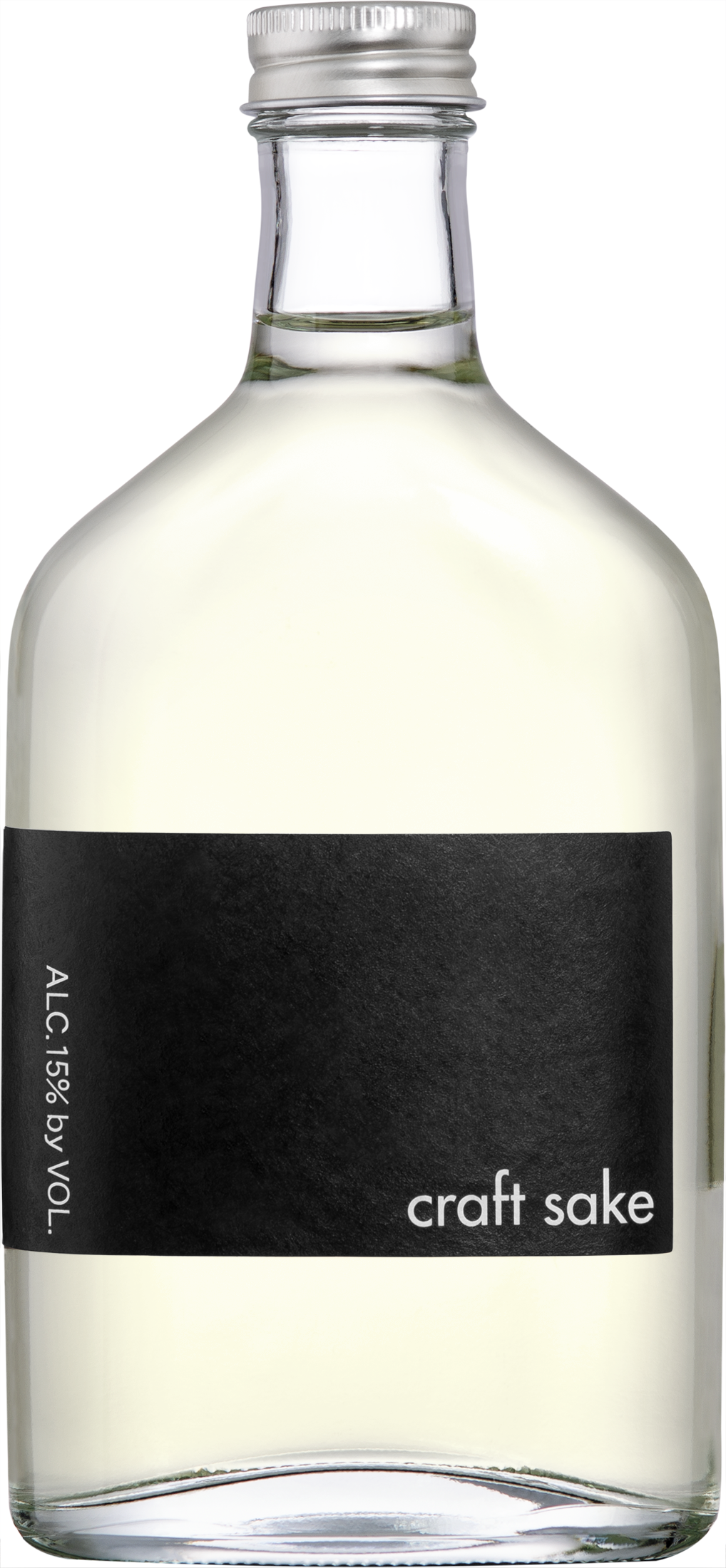
Shibata Black Junmai Ginjo uses a very rare rice from Hokkaido known as, Ginpu, which is clear and has a nice aroma. Given the softness of the water at Shibata, they are able to produce a well rounded sake that leaves you with a mild finish. We’ve decided to package this sake into a flask-style bottle to help introduce craft sake (literally everything is done by hand) even to sake beginners.
Sake Brewery Shibata Shuzo, Okazaki City in Aichi Prefecture
Dryness SMV -3 Acidity 1.5
Recommended temperature Best served chilled.
Recommended dishes sashimi, sushi, raw bar fare
Grade Junmai Ginjo, 60% rice polish ratio (seimaibuai)
Alcohol 15%
Rice Ginpu (Hokkaido)
Yeast K1801
Water Kanzui (God’s Water)
SHIBATA BLACK YUZU
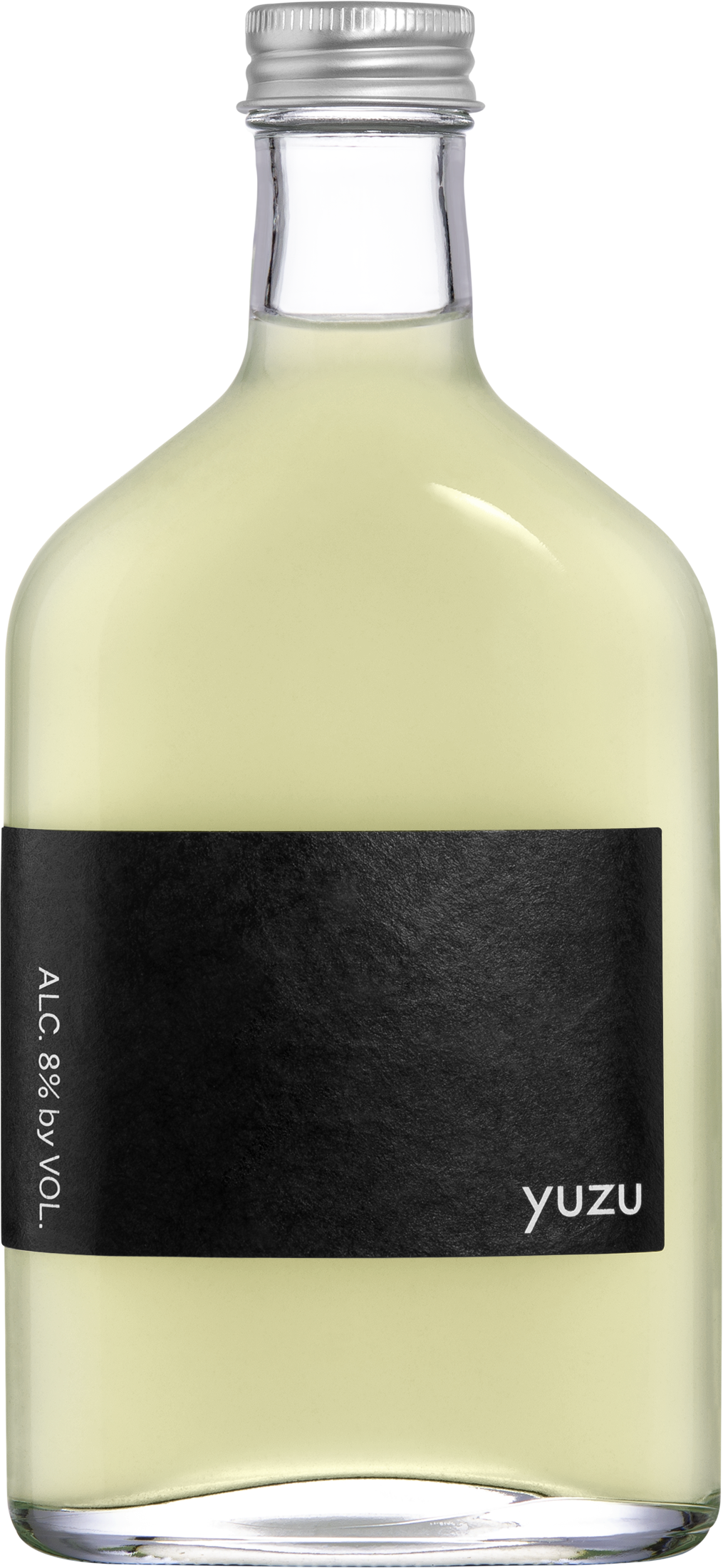
The Yuzu fruit used here is from Shibata’s local farm and is all organic. Shibata Black Yuzu has a junmai sake base, using Ginpu rice from Hokkaido, which is clear and has a nice aroma. The yuzu is squeezed with the skin left on, thereby allowing for the juice to not be too sweet, with an added touch of tartness. Each individual yuzu fruit yields only about 20ml of juice.
Sake Brewery Shibata Shuzo, Okazaki City in Aichi Prefecture
Recommended temperature Best served chilled.
Recommended dishes Pairs well with vanilla and other sweets
Grade 70% rice polish ratio (seimaibuai)
Alcohol 8%
Rice Ginpu (Hokkaido)
Yeast K7
Water Kanzui (God’s Water)
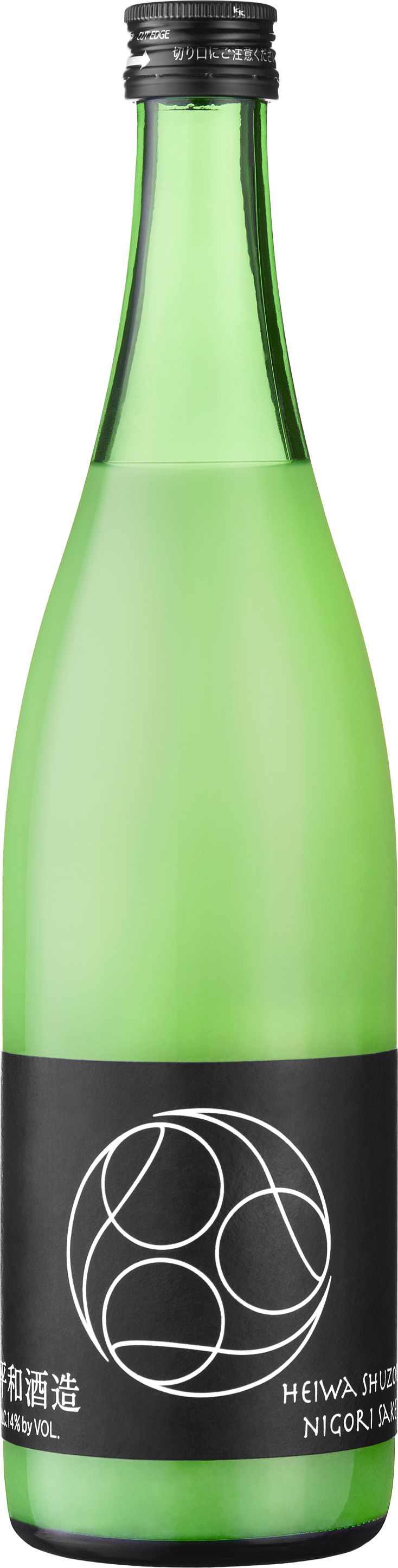
HEIWA SHUZOU NIGORI
With the goal to create the new standard for next generation Sake in Japan, Heiwa Shuzou brings us its Nigori Sake. This sake’s texture is smooth, and the rice feels like fresh powdery snow on your tongue. Brewed using the soft and clean water from Koyasan in Wakayama Prefecture, Heiwa Shuzou’s Nigori Sake is well balanced with the flavor of sake rice.
Sake Brewery Heiwa Shuzou, Kainan City in Wakayama Prefecture
Dryness SMV -8.5 Acidity 1.1
Recommended Temperature Best served chilled.
Grade Futsushu, 75% rice polish ratio (seimaibuai)
Alcohol 14%
Rice Ippanmai
Water Koyasan Nansui