2015年02月13日

Lesson 9 A Mission beyond Our Imagination Part 4

Lesson 9 A Mission beyond Our Imagination Part 4 

[1]
@“If you don’t build a high tower,
 M(文頭副詞)
「もし〜なら あなたが建てない 高い塔

 you will never see a new horizon.
           →
 あなた 〜だろう 決して 見る 新しい地平線

 (=あなたは決して新しい地平線を見ることはないだろう)

A The Hayabusa mission has opened
                    →
  はやぶさのミッション     開けた

 a new era of planetary exploration to the world
   新しい時代   惑星探査        〜へ 世界

            ambitious
            野心的で
 by setting very  and      goals,”
            challenging
 〜によって  設定する とても やりがいのある目標」

 said Professor Kawaguchi Jun’ichiro, the project manager.
  →                               同格
 言った  川口 淳一郎 教授       プロジェクトマネージャー

Awaguchi Jun’ichiro.jpg

B“The Hayabusa spirit enabled us to further development.
                 →
 「はやぶさの精神   可能にした 私たち 〜へ さらなる発展

C This spirit has set new guidelines for future missions.”
            →
  この精神  策定した 新しい指針  〜ための 未来のミッション」


 【読解鉄則】 話法 (narration)
 直接話法:コンマ(,)と引用符(“”/‘’)で直接発言を引用した形!
 直接表現が2つある場合は、“ ,”S said,“ .” 句読点に注意!
 (注) 2文の間に、SVが挿入されます!
  (注) ここでは said S 倒置されています!


[2]

@ Kawaguchi also said,
             →
  川口  〜も 言った

 “The Japanese word for‘future’literally means    
                             →
     日本語 「未来」      文字通りには 意味する

 ‘what ● has not come yet.’
  「こと まだ来ていない」
  (注) ● もともと名詞があった場所!

 
 【読解鉄則】追加表現 also「〜も」 
 「何のことにたいして〜も」なのか? を押さえる!


 【読解鉄則】 引用符 (“”or‘’) 
 主な用法は 
 @話し言葉の引用 
 A詩、音楽の曲名、絵画などの作品名 
 B特定の言葉の強調
 ここではB特定の言葉の強調です!


A You cannot see the future,
           →
  あなた 〜できない 見る 未来

   but しかし

  trying to make it visible is very important.
            S´→ P´(意味上の主語→述語)
  挑戦すること させる それを目に見える とても 重要な
           (=future) 

 (=未来を目に見えるものにすることに挑戦することはとても重要である)

B The most important thing is
   最も重要なこと         

               create what ● has not come yet
               創造する まだ来ていないこと
 to make efforts to   and    .
 努力すること       make it real”
                   S´→ P´(意味上の主語→述語)
          〜ために  それを現実にさせる」
                   (=what has not come yet)


 【読解鉄則】 A and B  同形反復(=共通構文)
 等位接続詞(and, but, orなど)を見つけたら、
 何と何(語と語、語句と語句、節と節、文と文)をつないでいるか?
 (注) 同形反復は並列して解説しています!


 【読解鉄則】 代名詞・指示語
 代名詞(it, they, them, one, those など)指示語(this, thatなど)は
 必ず何を指すのかを文中の英語でチェックする!


[3]
@ As badly-damaged Hayabusa traveled back to Earth,
 M(文頭副詞)
 〜つれて ひどく損傷した はやぶさ  戻る 〜へ 地球

 the exchanges with Hayabusa through on-and-off communications
    やりとり  〜と はやぶさ 〜を通して 断続的な通信

   S[原因]

 led for the first time to a feeling of empathy.
  →              
 つながった 初めて   〜へ 感情 共感

                   O[結果]

                   新情報(New)


  【読解鉄則】
   lead to O「SがOを導く」
  S[原因] ⇒ O[結果]
  因果関係をつかむ!


  【読解鉄則】 Information Structure(情報構造)
  英文は旧情報(Given) から新情報(New)へと展開する!


  【読解鉄則】 end focus
   新情報(New)は文の後ろに置かれる!


A This was a unique experience for Kawaguchi,     
  これ だった  独特な経験   〜にとって 川口

  gained through his many years of working with the space probe.
  得られた 〜を通して 彼の長い年    働く 〜と 宇宙探査ロケット

  (参考)experience を説明!


「はやぶさ」が最後のミッションとして撮影した地球の画像.jpg
「はやぶさ」が最後のミッションとして撮影した地球の画像


[4]

@ Some people say that     →レポート文 
          →
  一部の人々 言う

 Hayabusa is like life itself:
               強調
 はやぶさ  〜のような 人生 自身

(=はやぶさは人生そのもののようである)

            A『抽象』

                 used
 Life is intended to be  and     with passion,
                 burned up
 人生 つもりである  使われて燃やされる  〜と一緒に 情熱

  and

 while it is burning up,
 M(文頭副詞) 
 〜の間に それが燃えている
      (=passion)

 the torch is passed on to the next generation.
   トーチ 手渡される  〜へ 次の世代

 (=人生とは、情熱と一緒に使われて燃やされるもので
   燃えている間に、トーチは次の世代へ手渡されていく)

  B『具体』

 
 【読解鉄則】
 A:(コロン) 
 A(核心的な内容)⇒B(具体的な内容) 
 コロンの後ろに続く語句・節は、
 @説明 Aリストの列記 B引用(=直接話法)
 ここでは@説明の用法です!
 『抽象』から『具体』の流れをつかもう!


A Hayabusa,
  はやぶさ

 having overcome many troubles
 挿入
 乗り越えて  多くの困難

                hopes
 with the power of our  and   ,
                dreams
 〜を持って 力  私たちの希望と夢


  【読解鉄則】 , 挿入 , (コンマによる挿入)) 
  用法は、接続副詞、挿入句・節を入れる! 
  (注) 挿入は(   )で囲むと構文が理解しやすい!


 gives us the message,
   →    
 与えている 私たち メッセージ
            A(核心的内容)

 “Don’t lose your challenging spirit.
  「あなたのチャレンジ精神を失うな!
  B1(具体的な内容)


 【読解鉄則】 A(コンマ), B 
 A(核心的内容), B(具体的な内容) 
 『抽象』から『具体』の流れをつかもう!


B Never give up!”
  決してあきらめるな!」 
 B2(具体的な内容)

C Hayabusa burned up in the night sky like a shooting star,
  はやぶさ  燃え尽きた  夜空に    〜のように 流れ星

   but しかし

 it will be remembered      
 それ 〜だろう 思い出される 
 (=Hayabusa) 

 as a phoenix for Japan.
 〜として 不死鳥 〜にとって 日本

「はやぶさ」帰還.jpg

[5]

@ The universe is still full of mysteries.
     宇宙    今でもいっぱいである  謎

A Will Hayabusa give birth
           →
 だろうか はやぶさ 与える 誕生

     S[原因]

 to new knowledge beyond our imagination?
 〜へ 新しい知識  〜を越えた 私たちの想像

   O[結果]


 【読解鉄則】
  give birth to O「SがOを生み出す」
 S[原因] ⇒ O[結果]
 因果関係をつかむ!


 【読解鉄則】 配置転換ルール
 話者の「感情・意図」がある!
 

B Let’s keep our fingers crossed.
    →        S´     → P´(意味上の主語→述語)
 みんなで幸運を祈りましょう


 【読解鉄則】 SVOC
 第5文型 SVOCは、O(目的語)とC(補語)に必ず 
 S´→ P´(意味上の主語→述語)の関係がある!
 (注) Vは「知覚動詞」「認識動詞」「使役動詞」がよくくる!


 [関連記事]

 2014年12月3日午後、
 小惑星探査機「はやぶさ2」を載せた
 H2Aロケット26号機が
 鹿児島県の種子島宇宙センターから打ち上げられ、
 まる6年 52億kmの旅にでました
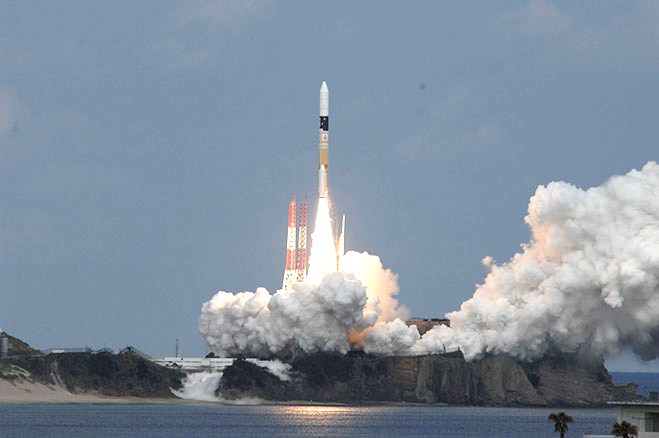
はやぶさ2 打ち上げ.jpg

 JAXAによると1月28日現在、
 順調に飛行しており
 現在、地球から約2200万キロ離れた地点におり、
 今年11〜12月に再び地球に接近
 地球の引力を利用して、目的地の小惑星に向かう軌道に入る
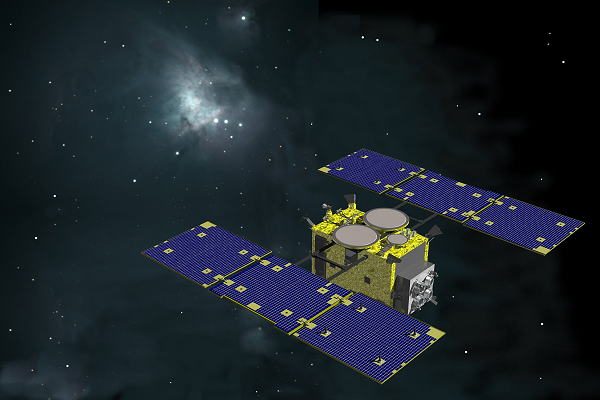
はやぶさ2 探査機.jpg

 2018年に小惑星に到着、
 2020年に帰還の予定ぴかぴか(新しい)

 【YouTube】
 「はやぶさ2」載せたH2Aロケット、打ち上げ成功 
 Japan successfully launches asteroid probe


 HP 小惑星探査機 はやぶさ2 特設サイト  

posted by ついてるレオ at 10:58| Comment(0) | TrackBack(0) | Perspective English Communication U | このブログの読者になる | 更新情報をチェックする

2015年02月12日

Lesson 9 A Mission beyond Our Imagination Part 3

Lesson 9 A Mission beyond Our Imagination Part 3 

[1]

@ A target maker,
  ターゲットマーカー

 a device which ● would act like a lighthouse for the probe,
   同格
   装置   〜だろう 作動する 〜のように 灯台 〜にとって 宇宙探査ロケット        (注) ● 名詞の欠落!

 was to be released on Itokawa
 放されることになった イトカワ

 when Hayabusa approached the asteroid.
 〜とき はやぶさ 近づく  その小惑星


 【読解鉄則】 同格 
 名詞(相当語句)に、他の名詞(相当語句)を並べて説明するとき、  
 この2つの名詞は互いに同格(Apposition)の関係であるといいます!
 名詞, 名詞  (注) 間に,(コンマ)を入れることが多い!
 (注)後ろは『説明』! 


A On November 20, 2005,
 M(文頭副詞)  11月20日 2005年

 Hayabusa successfully released a target marker,
                 →
 はやぶさ 首尾よく     放った   ターゲットマーカー

 which ● contained the names of 880,000 people
        含む      名前    88万人の人々
  (注) ● 名詞の欠落!

 from 149 countries around the world.
 〜から 149カ国    世界中の

B Prior to the launch,
 M(文頭副詞) 〜の前に 発射

 the Japan Aerospace Exploration Agency (JAXA)                      
 宇宙航空研究開発機構(JAXA)          

 had run a worldwide campaign
    →
 行なっていた 世界規模のキャンペーン

 called
 呼ばれている

 “Let’s Fly to Meet Your‘Star Prince’”
 「飛びましょう あなたの『星の王子さま』に会うために」

 (=『星の王子さま』に会いにいきませんか)

 to give supporters a chance
 〜ために 与える サポーター   機会

                                 hopes
 to leave their names on the asteroid with their  and .
                                 dreams
  残す 彼らの名前  〜の上に 小惑星  〜と一緒に  彼らの希望と夢 

[2]
@ In April 2007,
 M(文頭副詞) 4月 2007年

 Hayabusa started preparations to return to Earth.
         →
 はやぶさ 始めた   準備    〜ための 戻る 〜へ 地球

A Its return was delayed by three years
  その帰還     遅れた   3年

 due to repeated mechanical traffic troubles,
 〜のせいで  繰り返される  機械の交通障害

               lost communication
 from fuel leakage to  and          .
               engine trouble
 〜から 燃料漏れ 〜へ 通信の途絶えとエンジントラブル

B At one point,
 M(文頭副詞) ある地点では

 there seemed no possibility
 M(誘導副詞) 思われた 可能性が全くないあせあせ(飛び散る汗) 

 that this probe would come back,
 =同格名詞節 
     この宇宙探査ロケットが戻って来る

   but しかし

 the engineers never gave up.
   技師たち 決してあきらめなかった


 【読解鉄則】 抽象名詞+that SV…
 that(接続詞)以下は同格名詞節!
 抽象名詞の内容を説明している! 
 (参考)「節」とは大きな文の一部として使われる「文」のこと!


C They believed that →レポート文
       →
 彼ら 信じていた

            eventually respond to their commands
            最終的には 応答する 〜へ 彼らのコマンド
 Hayabusa would   and               .
 はやぶさ      live up to their expectations
            かなう  彼らの期待


 【読解鉄則】 レポート文
 筆者の思考、発言の内容をthat節・wh節(=名詞節)などで表現する文!
 (参考)「節」とは大きな文の一部として使われる「文」のこと!


[3]
@ When three of Hayabusa’s four ion engines were out of order,
 M(文頭副詞)
 〜とき 3つ はやぶさの4つのイオンエンジン 故障した

 one of the project engineers proposed an inspired idea.
                      →
 ひとり   プロジェクト技師  提案した  素晴らしいアイデア

A By combining the functions of two partially-working ion engines,
 M(文頭副詞)
 〜によって 結びつける  機能  2つの部分的に活動しているイオンエンジン

 they managed to guide it home.
      →
 それら なんとか案内した それ 自国に

B Since the engines had already outlived their design life,
 M(文頭副詞)
 〜ので エンジン すでに失っている その設計寿命

 one engineer called it“a miracle”
           →  S´→ P´(意味上の主語→述語)

 一人の技師  呼んだ それ 「奇跡」

 that the probe was able to keep traveling.
 =同格名詞節 
    宇宙探査ロケットが進行し続けることができている 


 【読解鉄則】 SVOC
 第5文型 SVOCは、O(目的語)とC(補語)に必ず 
 S´→ P´(意味上の主語→述語)の関係がある!
 (注) Vは「知覚動詞」「認識動詞」「使役動詞」がよくくる!


[4]
@ Although Hayabusa had been terribly damaged,
 M(文頭副詞)
 〜けれども はやぶさ   ひどく損傷していたが

 it was being operated
 それ  操作されていた
 (=Hayabusa)

       travel back to Earth
       戻る    〜へ 地球
 so as to  and          .
       complete its mission
 〜ために 完了する そのミッション

 
 【読解鉄則】 A and B  同形反復(=共通構文)
 等位接続詞(and, but, orなど)を見つけたら、
 何と何(語と語、語句と語句、節と節、文と文)をつないでいるか?
 (注) 同形反復は並列して解説しています!


A The 510-kilogram probe                    
  510キログラムの宇宙探査用ロケット

 struck a sympathetic chord in many Japanese, 
   →           
 触れた 同情的な心の琴線  多くの日本人

 (=多くの日本人の心に共鳴を引き起こした)

 who ● watched its return eagerly on the Internet.
      見た  その帰還  熱心に 〜上で インターネット
  (注) ● 名詞の欠落!


 【読解鉄則】 名詞の言い換え
 Hayabusa ⇒ The 510-kilogram probe 
 英語では、同一の名詞を他の語で言い換えることがよくある!


posted by ついてるレオ at 11:30| Comment(0) | TrackBack(0) | Perspective English Communication U | このブログの読者になる | 更新情報をチェックする

2015年02月10日

Lesson 9 A Mission beyond Our Imagination Part 2

Lesson 9 A Mission beyond Our Imagination Part 2 

[1]
@          developed         
 Hayabusa was   and       as an engineering test mission,
           operated   
 はやぶさ   開発されて操作された 〜として 工学試験のミッション

            exploring asteroids
            調査する 小惑星
 with the aim of   and                    .
            establishing sample return technology
 〜で  目的    確立する    サンプルを持ち帰る技術


 【読解鉄則】 A and B  同形反復(=共通構文)
 等位接続詞(and, but, orなど)を見つけたら、
 何と何(語と語、語句と語句、節と節、文と文)をつないでいるか?
 (注) 同形反復は並列して解説しています!


A Even NASA hadn’t started such a project yet.
                →
 〜でさえ NASA 始めていなかった そのような プロジェクト まだ

B In order to achieve these goals,
 M(文頭副詞)〜ために  達成する これらの目標

 four major advanced technologies were introduced into Hayabusa.
 4つの主要な先進[先端]技術      導入された   〜の中に はやぶさ

[2]
@ The first technology was a highly fuel-efficient“ion engine”            
   最初の技術      だった  高い 燃費のいい 「イオンエンジン」

 that ● works for a long time with a small amount of a certain gas.
       働く   長い間   〜で   小さな量  あるガス
   (注) ● 名詞の欠落!


 【読解鉄則】 引用符 (“”or‘’) 
 主な用法は 
 @話し言葉の引用 
 A詩、音楽の曲名、絵画などの作品名 
 B特定の言葉の強調
 ここではB特定の言葉の強調です!


A The second technology was an“automatic navigation system”
            省略
  第2番め        だった  「自動ナビゲーション・システム」

 to approach faraway asteroids
 〜ための 近づく 遠くの小惑星  

 by space probe self-control.
 〜によって 宇宙探査ロケットによる自律的な飛行制御

B The third technology was“sampling under microgravity”
          省略
  第3番め        だった 「サンプル入手 〜の下 微小重力」

 by hitting a small ball against an asteroid’s surface
 〜によって 当てる 小さなボール  〜に対して  小惑星の表面

 to obtain samples of its material.
 〜ために 得る サンプル その物質

C The fourth technology was a heat-resistant“re-entry capsule”
           省略
  第4番め        だった  耐熱の 「再突入カプセル」

 designed to return its samples to Earth.
 予定されている 戻す そのサンプル 〜へ 地球

D These technologies will contribute to future planetary explorations.
  これらの技術       貢献するだろう    未来の惑星の探査  
             
    S[原因]                   O[結果]

  【読解鉄則】
   contribute to O「SがOに貢献する」
  S[原因] ⇒ O[結果]
  因果関係をつかむ!


[3]

@       was launched by an M-V rocket from Uchinoura,
         打ち上げられた 〜によって M−Vロケット 〜から 内之浦

               Kagoshima Prefecture, on May 9, 2003
               鹿児島県 5月9日 2003年

 Hayabusa   and then それから
 はやぶさ  
         continued to fire its ion engine jets.
          →
         続けた  燃やす そのイオンエンジン機

Hayabusa was launched.jpg

A Having been accelerated by an Earth swing-by in May 2004,
 M(文頭副詞)
 加速化されて 〜によって  地球のスイングバイ  5月 2004年

 Hayabusa arrived at its target, Itokawa, on September 12, 2005,
                      同格
 はやぶさ   到着した  その目標 イトカワ 9月12日 2005年

 after a 2-billion-kilometer voyage.
 〜後   20億キロの宇宙旅行


 【読解鉄則】 同格 
 名詞(相当語句)に、他の名詞(相当語句)を並べて説明するとき、  
 この2つの名詞は互いに同格(Apposition)の関係であるといいます!
 名詞, 名詞  (注) 間に,(コンマ)を入れることが多い!
 (注)後ろは『説明』! 


B Itokawa, a potato-shaped asteroid, was named
                   同格
 イトカワ   サツマイモ型の小惑星      名づけられた

 after Japanese rocket scientist Itokawa Hideo.
 〜にちなんで 日本のロケット科学者     糸川   英夫

Itokawa.jpg

C The asteroid of only 500 meters in diameter is estimated
  その小惑星  ほんの 500メーター  直径  推定されている 
     S´ 

 to be 4.6 billion years old.
   46億年前
  → P´

 【読解鉄則】 SVOC
 第5文型 SVOCは、O(目的語)とC(補語)に必ず 
  S´→ P´(意味上の主語→述語)の関係がある!
 (注) この英文は S estimate O to be… の受動態の文です!


[4]

@ Hayabusa’s rendezvous with Itokawa
 はやぶさのランデブー  〜と イトカワ

 after a long flight with continuous operation of its ion engines
 〜後    長い飛行    〜で     連続運転   そのイオンエンジン

 was the first success of its kind in the world.
 だった   最初の成功    その種    世界で

A With remote scientific observations mostly completed
 M(文頭副詞)               O           → P´(意味上の主語→述語)
 〜して   遠くの科学的な観察 ほとんど終えて

 【読解鉄則】 with O + P´(―が〜しながら)
 付帯状況分詞構文 O(目的語)とC(補語)に必ず 
 S´→ P´(意味上の主語→述語)の関係がある!


    September
  in  and    2005,
    October
   9月と10月 2005年

               three descents
               3回の降下
 Hayabusa conducted   and        on Itokawa in November 2005.
         →     two touchdowns
 はやぶさ  行なった  2回の着地    イトカワ   11月 2005年

Hayabusa touching down on Itokawa.jpg

B The results of these observations,
   その結果     これらの観測

           asteroid’s gravity
           小惑星の重力
 including the  and                  ,
   挿入      unexpected surface conditions
  含む       予期せぬ表面状態

 were published in the U.S. scientific journal Science.
 発表された     合衆国の  科学雑誌    「サイエンス」


 【読解鉄則】 , 挿入 , (コンマによる挿入)) 
 用法は、接続副詞、挿入句・節を入れる! 
 (注) 挿入は(   )で囲むと構文が理解しやすい!


 【読解鉄則】 斜体字(Italics) 
 主な用法は 
 @語句の強調 
 A新聞・雑誌名、書名、船名、作品名、歌名など 
 B外国語をとりあげる
 ここではA 雑誌名です!


posted by ついてるレオ at 10:58| Comment(0) | TrackBack(0) | Perspective English Communication U | このブログの読者になる | 更新情報をチェックする

2015年02月09日

Lesson 9 A Mission beyond Our Imagination Part 1

Perspective English Communication U    
Lesson 9 A Mission beyond Our Imagination Part 1
      想像を超えたミッション

[1]
@ Amazing!
 素晴らしい!

A A fiery burst of light  over the Australian outback
  燃え立つような爆発  光 〜の上空 オーストラリアの 奥地

 marked the return of the Japanese space probe Hayabusa,
   →                             同格
 知らせた   帰還   日本の宇宙探査用ロケット はやぶさ

 potentially carrying samples from an asteroid
 潜在的に  運んでいる サンプル 〜から 小惑星 
 
 that ● could offer insights into the formation of the solar system.
    〜ありうる 提供する 洞察  〜の中へ  形成      太陽系
  (注) ● 名詞の欠落!
 (参考)samplesを説明!


 【読解鉄則】 同格 
 名詞(相当語句)に、他の名詞(相当語句)を並べて説明するとき、  
 この2つの名詞は互いに同格(Apposition)の関係であるといいます!
 名詞, 名詞  (注) 間に,(コンマ)を入れることが多い!
 (注)後ろは『説明』! 


B“It was like a shooting star
 「それ だった 〜のような 流れ星   

 with a starburst behind it.
 〜をともなう 星形 〜の背後に それ

C It was just fantastic!”
 それ だった まさに 素晴らしい!」

 an Australian official said to a newspaper reporter.
                →
 オーストラリアの役人  言った 〜へ 新聞記者


「はやぶさ」帰還.jpg


[2]
@ Having traveled six billion kilometers in seven years,
 M(文頭副詞)進んで  60億キロメートル     7年間

 Hayabusa burned up on re-entry
 はやぶさ 燃え尽きた 〜に 再突入

 after releasing a capsule
 〜後  放つ    カプセル

 expected to contain the first asteroid dust ever collected.
 期待されている  含む   最初の小惑星のちり  これまで集められた

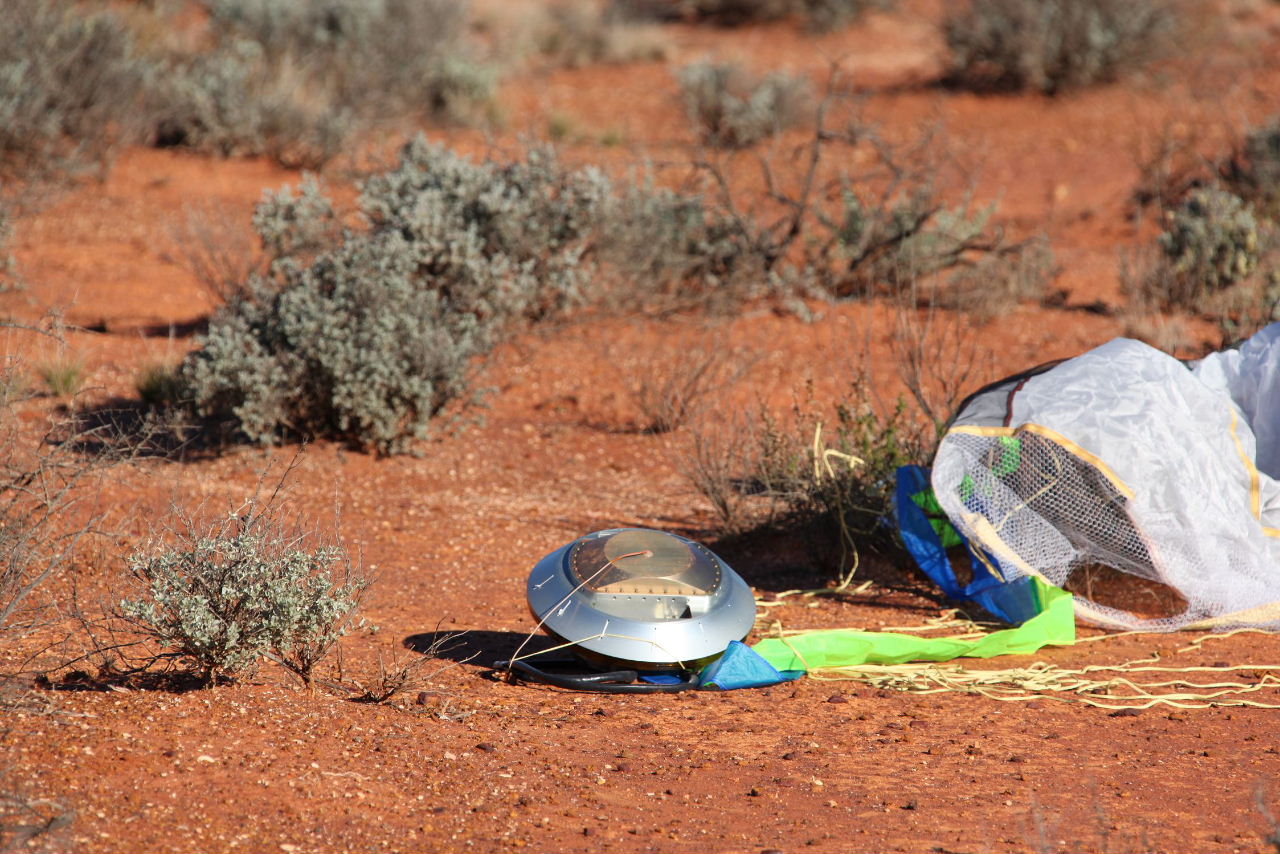
A The capsule parachuted to earth
  カプセル パラシュートで降下した 〜へ 地球

 within the Woomera Prohibited Area,
 〜以内に  ウーメラ立入制限区域

 a remote military zone 485 kilometers northwest
            同格  
 離れた 軍事地域   485キロメーター 北西

 of the South Australian state capital of Adelaide,
    南オーストラリア 州都        アデレイド

 at midnight on June 13, 2010.
   真夜中  6月13日 2010年

The capsule parachuted to earth.jpg

[3]
@            Earth,
              Mars
 Planets such as  and      have gone through changes
              Venus       →
  惑星 〜のような 地球、火星、金星   経験する    変化

 A『抽象』      B『具体』              A『抽象』

                      atmosphere
 such as weathering caused by  and      .
                      water
 〜のような 風化  引き起こされる 〜によって 大気や水

      B『具体』


 【読解鉄則】 A such as B 
 A(核心的な内容)⇒ such as(具体的な説明) 
 『抽象』から『具体』の流れをつかもう!


A For that reason,
 M(文頭副詞) その理由で

 there is little evidence showing     →レポート文
 M(誘導副詞)  ほとんど証拠がない 示す
 (=示す証拠がほとんどない)

 what these planets looked like ●
 何  これらの惑星 見えた 〜のように 
 (=これらの惑星がどのような様子だったのか)

 when they were created.
 〜とき それら 創造された
     (=these planets)
 (注) ● もともと名詞があった場所!

 【読解鉄則】 レポート文
 筆者の思考、発言の内容をthat節・wh節(=名詞節)などで表現する文!
 (参考)「節」とは大きな文の一部として使われる「文」のこと!


B However,
 M(文頭副詞)
 しかしながら

 asteroids are thought to have remained almost the same
  S´                        → P´(意味上の主語→述語)
 小惑星   思われている  〜のままであった ほとんど同じ

 ever since they were formed.
   〜以来 それらが形成された


 【読解鉄則】 SVOC
 第5文型 SVOCは、O(目的語)とC(補語)に必ず 
  S´→ P´(意味上の主語→述語)の関係がある!
 (注) この英文は S think O to have Vp.p.… の受動態の文です!


C This means that   →レポート文
      →
  このこと 意味する

 the asteroids may serve
 その小惑星 〜かもしれない 務める

 as  “time capsules” containing messages from the past.
 〜として「タイムカプセル」含んでいる メッセージ 〜から 過去


 【読解鉄則】 引用符 (“”or‘’) 
 主な用法は 
 @話し言葉の引用 A詩、音楽の曲名、絵画などの作品名 B特定の言葉の強調
 ここではB特定の言葉の強調です!


[4]
@ Technology to bring back samples of an asteroid’s surface to Earth
   技術    持ち帰る   サンプル    小惑星の表面    〜へ 地球
   S´
  
 is expected  to enable us to find out   →レポート文           
 期待されている  可能にする 私たちが見つけ出す
           → P´ S´→ P´(意味上の主語→述語)

     raw materials
 what  and       were involved
     processes
 どんな 原材料と過程   関係している      
 
 in the formation of the solar system,
 〜に   形成    太陽系

   and also
   そして 〜も

 what the solar system looked like ●
 何   太陽系    見える 〜のように
 (=太陽系がどのように見えるのか)

 soon after the planets were created.
 すぐに 〜後 その惑星  創造された


 【読解鉄則】 SVO to V [行動促進型]
 第5文型 SVO to Vは、O(目的語)と to Vに必ず 
 S´→ P´(意味上の主語→述語)の関係がある!
 (注) Vには
   @【願望・期待】want, like, wish, expectなど
   A【許可・容認】allow, permitなど
   B【依頼・命令】ask, tell, advise, orderなど
   C【勧誘・説得】encourage, persuadeなど
   D【強制】compel, force, obligeなど
   E【無生物主語構文】cause, enableなど この英文のVはE!


A Even if the returned samples are very small,
 M(文頭副詞)
 もし〜でも そのもどってきたサンプル とても小さい

 they will still provide us with valuable information
            →  A             B
 それら 〜だろう それでも提供する 私たちに  価値のある情報
 (=the returned samples)

 to help us find answers to the mysteries
   S´→ P´(意味上の主語→述語)
 役立つ 私たちが見つける 答え 〜へ 謎   

 behind the birth of the solar system.
 〜の背後の   誕生  太陽系


 【読解鉄則】 S will V(=動詞の原形)…
  @「Sは(きっと)〜する」 [意図]
  A「Sは(きっと)〜だろう」[推測] (「現在」から「未来」を推量)
  この場合はAのケース!

 【読解鉄則】 分離動詞句
 分離動詞句  他動詞 A+前置詞+B
 <例> provide A with B 「AをBに供給する」
     →      つながり
    Sが力をAに及ぼしてBに関連させるイメージ!


posted by ついてるレオ at 14:34| Comment(0) | TrackBack(0) | Perspective English Communication U | このブログの読者になる | 更新情報をチェックする

2015年01月27日

Reading Skills 5 スキミングとスキャニング

Perspective English Communication U
Reading Skills 5 スキミングとスキャニング

[1]
@ Every year
 M(文頭副詞)毎年

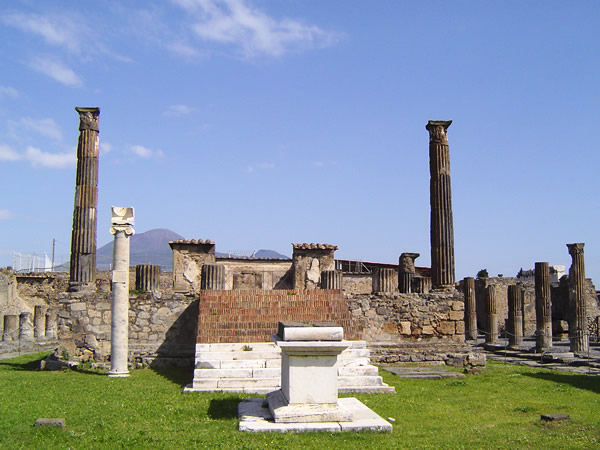
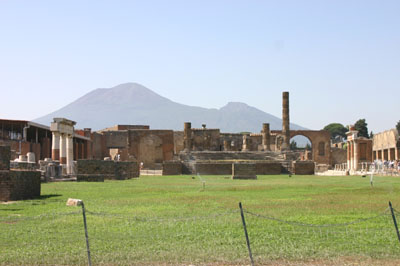
 thousands of tourists visit Pompeii, Italy.
                →
 何千人の観光客     訪れている ポンペイ イタリア

ポンペイ.JPG

A They see the sights that Pompeii is famous for ● ―
      →
  彼ら 見る  名所      ポンペイ  有名な (注) ● 名詞の欠落!
 (=thousands of tourists)

         A『抽象』

    stadiums      shops
 its  and   ,  its  and    .
    theatres      restaurants
 その競技場と劇場   その店とレストラン

  B1『具体』        B2『具体』

 【読解鉄則】 A(ダッシュ)―B 
 A(核心的内容)―B(具体的な内容) 
 『抽象』から『具体』の流れをつかもう!


B The tourists do not, however, see Pompeii’s people.
                  挿入  →
  観光客   しかしながら  見ない ポンペイの人々


 【読解鉄則】 , 挿入 , (コンマによる挿入)) 
  用法は、接続副詞、挿入句・節を入れる! 
  (注) 挿入は(   )で囲むと構文が理解しやすい!


C No one has lived in Pompeii for almost 2,000 years.
  誰も  住んでいない ポンペイ  〜の間 ほとんど2000年

[2] 
@ Once
 M(文頭副詞)かつて

 Pompeii was one of the biggest cities of the Roman Empire,
 ポンペイ   ひとつ   最大の都市    ローマ帝国

 with about22,000 people.
    およそ2万2千人

A It lay at the foot of Mt. Vesuvius, a volcano covered with grass.
                          同格
 それ あった 〜に ふもとに ベスビオ山       火山    覆われた   草
  (=Pompeii)

  (注) 動詞の活用 lie【自動詞】 – lay – lain


 【読解鉄則】 同格 
 名詞(相当語句)に、他の名詞(相当語句)を並べて説明するとき、  
 この2つの名詞は互いに同格(Apposition)の関係であるといいます!
 名詞, 名詞  (注) 間に,(コンマ)を入れることが多い!
 (注)後ろは『説明』! 


B Mt. Vesuvius had not erupted for centuries,
 ベスビオ山   噴火していなかった 〜の間 数世紀

   so それで

 the people of Pompeii felt safe.
    人々   ポンペイ 感じた 安全な

C But
 しかし
 they were not safe.
 彼ら ではなかった 安全な
 (=the people of Pompeii)

ベスビオ山.jpg

[3] 
@ In August of the year 79 A.D.,
 M(文頭副詞) 8月  紀元後79年 

 Mt. Vesuvius erupted.
 ベスビオ山   噴火したむかっ(怒り)

A The entire top of the mountain exploded,
    全体の頂上      山    噴火して

  and

 a huge black cloud rose into the air.
 巨大な黒い雲   上がった 〜の中に 空中

 (注) 動詞の活用 rise【自動詞】- rose - risen

B Soon
 M(文頭副詞)まもなく

  stones
   and     began to fall on Pompeii.
  hot ash   →
  石と熱い灰 始めた 落ちる 〜の上に ポンペイ

C Then came a cloud of poisonous gas.
  それから 来た  多くの有毒ガスダッシュ(走り出すさま)

            新情報(New)


 【読解鉄則】 配置転換ルール
 話者の「感情・意図」がある!
 

 【読解鉄則】 end focus
 新情報(New)は文の後ろに置かれる!


D When the eruption ended two days later,
 M(文頭副詞) 〜とき 噴火 終わった  2日後

                          stones
 Pompeii was buried under 20 feet of  and  .
                           ash
ポンペイ 埋められた  〜の下に 20フィート 石と灰

  (参考)  1 foot =30.48cm ≒約30cm  20 feet ≒ 約6m

E Thousands of people were dead.
   何千人の人々       死んだもうやだ〜(悲しい顔)

[4]
@ In the year 1861,
 M(文頭副詞) 1861年

 an Italian archaeologist named Giuseppe Fiorelli
   イタリア人の考古学者  名づけられた ジョゼッペ・フィオレッリ

 began to uncover Pompeii.
   →
 始めた  覆いを取る ポンペイ

A Slowly,
 M(文頭副詞)ゆっくりと、

 carefully,
 M(文頭副詞)注意深く

 Fiorelli
   and   dug.
 his men
 フィオレッリと彼の使用人 掘った    (注) 動詞の活用 dig – dug - dug

B The city (that) they found ● looked almost the same
         省略    (注) ● 名詞の欠落!
   都市      彼ら 見つけた    見えた ほとんど同じ
            (=Fiorelli and his men)

 as it had looked in the year 79 A.D.
 〜のように それ 見えていた 紀元後79年
   (=the city)


           streets    houses
C There were and     ,  and .
           fountains   shops
      あった 通りと噴水    家と店

D There was a stadium with 20,000 seats.
      あった 競技場     2万の席

E Perhaps
 M(文頭副詞) おそらく

 most important of all,
 M(文頭副詞) 最も重要な 〜の中で すべて

 there were many everyday objects.
     あった 多くの 日常の物

F These everyday objects tell us a great deal
                →
  これらの日常の物   教えてくれる 私たち 多くのこと

 about the people who ● lived in Pompeii.
 〜について 人々      住んでいた ポンペイ
              (注) ● 名詞の欠落!

G Fiorelli’s discoveries tell us much about their way of life.
                 →
 フィオレッリの発見    教えてくれる 私たち 多くのこと 〜について 彼らの暮らし方

[5]
@ Giuseppe Fiorelli has died,
 ジョゼッペ・フィオレッリ 亡くなったもうやだ〜(悲しい顔)

  but しかし

 his work continues.
 彼の仕事 続いている

A One-fourth of Pompeii has not been uncovered yet.
    4分の1 ポンペイ   覆いを取られていない まだ

B Archaeologists are still digging,
  考古学者たち    まだ 掘っている

 still making discoveries   extra information(=追加、補足情報) 
  まだ している 発見

 that ● draw tourists of Pompeii.
     引き付ける 観光客 ポンペイ 
  (注) ● 名詞の欠落!
   

 【読解鉄則】 extra information(=追加、補足情報)
 SV…, Ving…(付帯状況の分詞構文)  
 文が終わる ⇒ Ving…「〜して、〜しながら」
 SV…(=主文)の追加及び補足説明をあらわす!


[関連記事]
【ブログ】ついてるレオさん”Happy Life”
世界遺産 ヨーロッパ編 57 
ポンペイ、ヘルクラネウム、トッレ・アヌンツィアータの考古地区(イタリア)( 6 16 2007)
もしお時間があれば寄ってね (^.^)

posted by ついてるレオ at 14:02| Comment(0) | TrackBack(0) | Perspective English Communication U | このブログの読者になる | 更新情報をチェックする

2014年12月03日

Lesson 8 The Little Rock Nine Part 4

Lesson 8 The Little Rock Nine Part 4 

[1]
@         married a schoolmate, Antoine Massery,
             →
          結婚した 同じ学校の友達 アントワーヌ・マセリー

 Hazel Bryan  but

          did not tell her husband   →レポート文
                →
ヘイゼル・ブライアン 話していなかった 彼女の夫

         that the girl in the picture was Hazel herself.
            少女  写真の中の    である ヘイゼル 彼女自身


 【読解鉄則】
 A and B  同形反復 
 等位接続詞(and, but, orなど)を見つけたら、
 何と何(語と語、語句と語句、節と節、文と文)をつないでいるか?
 (注) 同形反復は並列して解説しています


A In 1963,
 M(文頭副詞) 
 1963年

 she called the first Eckford in the local phone book.
      →
 彼女 電話をした  最初のエクフォード 地元の電話帳

B It was Elizabeth’s grandfather
 それ=状況 だった エリザベスの祖父

   and

 Hazel left several messages for her.
      →
 ヘイゼル 残した いくつかのメッセージ 〜のための 彼女

C Finally,
 M(文頭副詞) 
 ついに

 Elizabeth called her back.
         →
 エリザベス 電話をかけ直した 彼女に

D Hazel apologized:
  ヘイゼル 謝った

 “I was the girl in that picture
  「私 だった その少女 あの写真の中の

  that ● was yelling at you.
       叫んでいる 〜に あなた
   (注) ● 名詞の欠落!

E I’m sorry.
  ごめんなさい

F It was a terrible thing to do ●.”
  それ=状況 ひどいこと  するには」
                    (注) ● もともと名詞があった場所!

 【読解鉄則】A:(コロン)B 引用
 SV:O
 コロンの後ろに続く節は、
 @説明 Aリストの列記 B引用(=直接話法)
 ここではB引用(=直接話法)!


[2]
@ Another member of the Little Rock Nine,
 もうひとりのメンバー リトルロックナイン 

 Earnest Green,
 同格
 アーネスト・グリーン

 went on to Michigan State University
 進学して 〜へ ミシガン州立大学

   and

 earned a master’s degree.
   →
  取った 修士号

 【読解鉄則】「同じ・もうひとつ・別の」
 the same, another, other, others など
 「何と同じか・何にたいしてもうひとつか・何にたいして別か」を押さえる!

 
A He has served in many governmental organizations.
        →
 彼 勤めている    多くの政府機関

B Minnijean Brown attended Southern Illinois University.
              →
 ミニジーン・ブラウン  通った   南イリノイ大学

C After graduation,
 M(文頭副詞) 
 〜後 卒業
               
                  peace activities,
                  平和活動、
                  environmental issues,
                  環境問題
 she dedicated her life to   and              .
       →          support of youth leadership
彼女 捧げた 自分の人生  サポート   若者の指導者


 【読解鉄則】
 分離動詞句  他動詞 A+前置詞+B
 <例> dedicate A to B 「AをBに捧げる」
     →      〜へ
    Sが力をAに及ぼしてB到達するイメージ!


D Since their dramatic reunion in 1997,
 M(文頭副詞) 
 彼らの劇的な再会 1997年

 Elizabeth Eckford
 エリザベス・エックフォード
   and           have devoted much of their lives
 Hazel Massery           →
 ヘイゼル・マセリー     捧げた    多く   彼女たちの人生

 to promoting racial understanding
 〜へ 促進する  人種理解

               schools,
               community groups
 through speaking to  and           .
               other organizations
 〜を通して 講演をする 〜へ 学校、地域グループ、他の組織

 【読解鉄則】
 分離動詞句  他動詞 A+前置詞+B
 <例> devote A to B 「AをBに捧げる」
     →    〜へ
    Sが力をAに及ぼしてB到達するイメージ!


[3]
@ The students of Central High started a website
                       →
  学生たち   セントラル高校  始めた   ウェブサイト

 called“The Little Rock Central High School Rights Memory Project.”
 呼ばれている「The Little Rock Central High School Rights Memory Project」 


 【読解鉄則】引用符 (“”or‘’) 
 主な用法は 
 @話し言葉の引用 A詩、音楽の曲名、絵画などの作品名 B特定の言葉の強調
 ここではA ウエブサイト名!


A                             friends,
                               family
 They have collected personal stories from  and
          →                    neighbors
 彼ら   集めている   個人的な話    〜から 友人、家族、隣人

                          1950s
 who ● lived through the era of the  and  .
                          1960s
      生きた 〜を通して 時代  1950年代と1960年代
  (注) ● 名詞の欠落!

B The project is an online resource
  そのプロジェクト   オンライン情報源

    students,
    学生

    teachers,
    教師、

    historians
    歴史家、

 for  and

    the families of those (people)
        家族         省略

         who ● are willing to share their stories.
 〜ための          進んで伝える    彼らの話
          (注) ● 名詞の欠落!

C Although a lot of problems remain unsolved,
 M(文頭副詞)
 〜だけれども  多くの問題  〜のままである 解決されない

 the students hope that   →レポート文
          →
  学生たち 望んでいる

                  provide a look into history
                   →
                  提供する 一目 〜の中に 歴史
                  (=歴史に展望をもたらす)

 the Memory Project will   and

                   encourage people
 そのメモリー・プロジェクト       →    S´
                   勇気づける  人々が

                          race relations
                          人種間の関係
 to continue the process of change in  and
   → P´                    civil rights
  続ける       過程  変化     公民権

          lives
 in their own  and     .
          communities

 〜の中で 彼ら自身の生活と地域社会


posted by ついてるレオ at 17:46| Comment(0) | TrackBack(0) | Perspective English Communication U | このブログの読者になる | 更新情報をチェックする

Lesson 8 The Little Rock Nine Part 3

Lesson 8 The Little Rock Nine Part 3 

[1]
@ Elizabeth Eckford
  エリザベス・エックフォード 

 was not the only one
 でなかった 唯一の人

 who ● had to face the anger of the crowd that morning.
      直面しなければならなかった 怒り 群衆 その朝
  (注) ● 名詞の欠落!

A (But) The eight other black students
  省略    8人 他の 黒人の生徒
 (=他の8名の黒人の生徒) ※ 日本語にするときの語順に注意!

 who ● showed up at Central High
      現れた  〜に セントラル高校   
  (注) ● 名詞の欠落!

 also had to face the mob.
          →
 〜も 直面しなければならなかった その群衆


 【読解鉄則】見えないButの省略
 英語の否定表現は、肯定表現に言い換えられることが多い。
 その際、文頭のButを補って理解する!


B One by one  
 M(文頭副詞) 
 一人ずつ

 they approached the school,
        →
 彼ら 近づいた  学校

   and

 one by one
 M(文頭副詞) 
 一人ずつ

 they were turned away by the guardsman.
 彼ら   追い払われた  〜によって 兵士

            two
C For the next  and   weeks
            a half
 M(文頭副詞) 
 次の2週半

 the black students stayed home.
   黒人の生徒    いた  家に

D Then
 M(文頭副詞) 
 それから

 the soldiers left Central High,
          →
 兵士たち 去った セントラル高校

  and

 the nine teenagers tried again.
   9人の十代の若者 試みた 再び

E But
 しかし

 white people in the community found out that   →レポート文
                       →
  白人の人々   地域社会     わかった

 the situation was soon out of control.
 その状況      すぐに   制御できない


 【読解鉄則】
 レポート文
 筆者の思考、発言の内容をthat節・wh節(=名詞節)などで表現する文!
 (参考)「節」とは大きな文の一部として使われる「文」のこと。


F The principal demanded (that) →レポート文
             →    省略 
  校長   要求した

 the black students leave the school.
   黒人の生徒    去る   学校

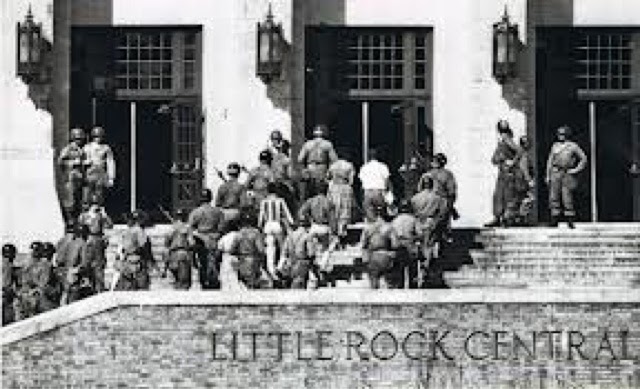
G Two days later on September 25, 1957,
 M(文頭副詞) 
 2日後 9月25日 1957年

 the president of the United States,
    大統領     合衆国      

 Dwight D. Eisenhower,
 同格
 ドワイト・D・アイゼンハワー

 sent in the army  
  →
 送りこむ  軍隊    

 to protect the black students.
 〜ために  保護する  黒人の生徒

on September 25, 1957.jpg

H Finally,
 M(文頭副詞) 
 ついに

 they were safe    
 彼ら だった 安全な 

 from the angry adults.
 〜から 怒る大人

[2]

@ But
 しかし

 the black students still had to face
                     →
 黒人の生徒 それでも 直面しなければならなかった

    scorn
 the and   of their fellow students.
    hatred   (注)共通のM
  軽蔑と憎しみ   同期生の生徒

 【読解鉄則】英文の展開 
  核心的内容   ⇒ 具体的説明 
 (メインアイデア)    (サポート)


A Every day,
 M(文頭副詞) 
 毎日

 white students found new ways to humiliate them.
            →
  白人の生徒  見つけた 新しい方法  〜ための 恥をかかせる 彼ら

B     spat on them,
      つばをかけた 彼らに

      threw ink at them,
        →
      投げた インク 彼らに

 They   and

      sent nasty notes to them.
       →
 彼ら  送った 不快なメモ 彼らに

C They stole books from their lockers.
      →
 彼ら 盗んだ  本  〜から 彼らのロッカー

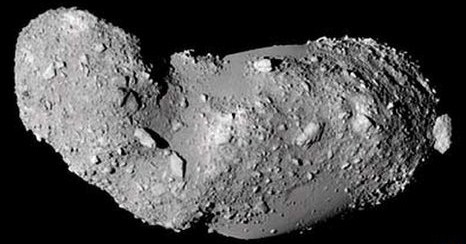
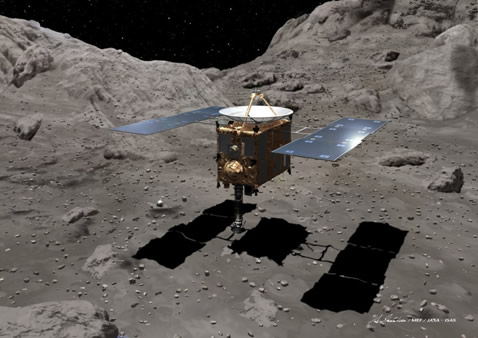
D They stuffed their jackets down toilets.
       →
 彼ら 詰め込んだ 彼らのジャケット  〜へ トイレ

[3]
@ All year
 M(文頭副詞) 
 1年中

 the torment continued.
    苦痛   続いた

A But
 しかし

 the black students,
 その黒人の生徒

 who ● became known as the Little Rock Nine,
      なった 有名に 〜として リトルロックナイン
 挿入  (注) ● 名詞の欠落!

 never stopped going to Central High.
 決して やめなかった 行く 〜へ セントラル高校

B They had survived an entire year
          →
  彼ら  生き残っていた  全体の一年(=まる一年)  

 in the hostile environment.
   敵意のある環境

C They had opened the way
         →
  彼ら 開けていた  道

 for other black children to begin attending white schools.
             S´    → P´(意味上の主語→述語)
    他の黒人のこども   始める 参加する 白人の学校

D On May 27, 1958,
 M(文頭副詞) 
 5月27日 1958年

 Earnest Green became Central’s first black graduate.
 アーネスト・グリーン なった セントラル高校の最初の黒人卒業生

E                   attended the graduation ceremony
                       →
                    参加した   卒業式

 Dr. Martin Luther King, Jr.   and

                    witnessed this historic moment.
                       →
 マーチン・ルーサー・キング・ジュニア牧師 目撃した   歴史的瞬間

posted by ついてるレオ at 17:18| Comment(0) | TrackBack(0) | Perspective English Communication U | このブログの読者になる | 更新情報をチェックする

2014年12月02日

Lesson 8 The Little Rock Nine Part 2

Lesson 8 The Little Rock Nine Part 2 

[1]
@ It was Wednesday, September 4, 1957.
 それ=状況  水曜日     9月4日 1957年

A Fifteen-year-old Elizabeth Eckford
  15歳のエリザベス・エックフォード
    and
 eight other teenagers
 8人  他の 十代の若者

 were about to become the first black students
 まさに〜だった  なる   最初の黒人生徒

 ever to attend all-white Central High.
 かつて  通う すべて白人のセントラル高校

[2]
@ In 1954,
 M(文頭副詞) 1954年に

 the United States Supreme Court had ruled that   →レポート文
                          →
    連邦最高裁判所           裁定した

 it was unconstitutional
 仮S   憲法違反の

         black
 to require  and  students to go to separate public schools,
 真S      white
               S´    → P´(意味上の主語→述語)
 要求する 黒人と白人の生徒    行く  別々の公立の学校

 as such a system could not offer
 〜ので そのような制度  提供できていな

 equal educational opportunities for everyone.
    平等な教育の機会       〜ために みんな


 【読解鉄則】
 レポート文
 筆者の思考、発言の内容をthat節・wh節(=名詞節)などで表現する文!
 (参考)「節」とは大きな文の一部として使われる「文」のこと。


 【読解鉄則】 end weight
 長い主語[S]は、it [仮S=仮主語(形式主語)] に置き換えて、
 文の後に置く[真S=真の主語]!


A But
 しかし

 in spite of the Supreme Court ruling,
 M(文頭副詞) 
 〜にもかかわらず 最高裁判所の裁定

 Arkansas had not yet begun to integrate its schools.
                →
 アーカンソー まだ始めていなかった 統合する その学校

B An order was given to Central High
   命令  出されていた 〜へ セントラル高校

 to open its doors to black students.
 〜ための 門戸を開ける 〜へ 黒人の生徒たち
 (注) an orderを説明!

[3]
@ The bus dropped Elizabeth off at the bus stop
         →
  バス  降ろした エリザベス  バス停で

 one block from Central High.
 1ブロック 〜から セントラル高校

A As she walked toward the school,
 M(文頭副詞)
 〜とき 彼女 歩いた 〜の方へ 学校

 she saw hundreds of white people.
     →
 彼女 見た 何百人の白人の人々

B She sensed their anger.
      →
 彼女 感じた 彼らの怒り

C They didn’t want her going to the same school
 (=hundreds of white people)          
          →  S´→ P´(意味上の主語→述語)
 彼ら 〜してほしくないと思った 彼女が行く 〜へ 同じ高校 

 as their white children.
 〜として 白人の子ども

D“It was,”
 「それ=状況 だった」

 she said,
     →
 彼女は言った

 “the longest block            
  「最も長いブロック   

  (that) I ever walked in my whole life.”
   省略 
      私が 歩いた 私の全人生で」

E Finally
 M(文頭副詞) ついに

 she reached the entrance.
      →
 彼女 着いた 

F She saw members of the Arkansas National Guard standing by the doorways.
     →   S´                               → P´(意味上の主語→述語)
 彼女 見た メンバー アーカンソー警備隊         立っている 〜そばで 出入り口

G Elizabeth expected that →レポート文 
          →
 エリザベス  予想した

 the soldiers would help her get into the school.
                 S´→ P´(意味上の主語→述語)
  その兵士たち 〜だろう 助ける 彼女が 入る その学校


 【読解鉄則】
 レポート文
 筆者の思考、発言の内容をthat節・wh節(=名詞節)などで表現する文!
 (参考)「節」とは大きな文の一部として使われる「文」のこと。


H Instead,
 M(文頭副詞) その代わりに

 they refused to let her enter.      
      →       S´→ P´(意味上の主語→述語)
 彼ら 拒んだ させる 彼女が入る
 (=the soldiers)

I She became terrified.
 彼女 なった 恐ろしく

J She didn’t know what to do.   → 一種のレポート文
       →
 彼女 わからなかった 何をしたらいいか

K Then,
 M(文頭副詞)それから

 with her head up,
 M(文頭副詞)  O → P´(意味上の主語→述語)
 〜しながら 頭 上方へ (=頭を上げて)

 Elizabeth began to walk back toward the bus stop.
         →
 エリザベス 始めた   歩く 戻る  〜の方へ  バス停

 【読解鉄則】 with O+ P´(ーが〜しながら)
 付帯状況分詞構文 O(目的語)とC(補語)に必ず 
 S´→ P´(意味上の主語→述語)の関係がある!


L On her way,
 M(文頭副詞)途中

 the white mob cried out nasty words to her,
            →
   白人の暴徒 叫んだ  汚らわしい言葉 〜へ 彼女

                 A『抽象』

 such as“Go home!
 〜のような 「家に帰れ!

        B『具体』1

M Go back to Africa!”
 戻れ アフリカへ!」
 B『具体』2


 【読解鉄則】
 A such as B 
 A(核心的な内容)⇒ such as(具体的な説明) 
 『抽象』から『具体』の流れをつかもう!


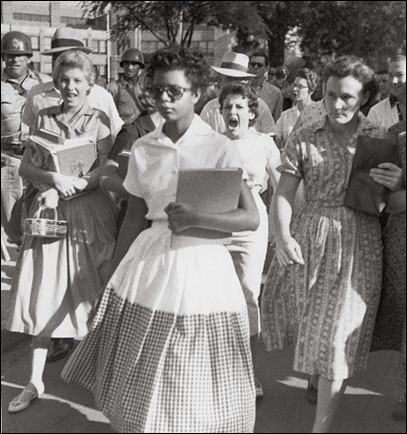
N Among them   was Hazel Bryan
  〜の中に 彼ら いた ヘイゼル・ブライアン

   and

 she happened to be in a photo taken then,
 彼女 たまたまいた  写真の中に 撮られた そのとき

Elizabeth Eckford.jpg

 which ● soon became very famous.
 (そのこと) すぐに なった とても有名な
  (注) ● 名詞の欠落!

posted by ついてるレオ at 17:00| Comment(0) | TrackBack(0) | Perspective English Communication U | このブログの読者になる | 更新情報をチェックする

Lesson 8 The Little Rock Nine Part 1

Perspective English Communication U     
Lesson 8 The Little Rock Nine Part 1
       リトルロックナイン 

[1]
@ Under a brilliant blue sky on September 25, 1997,
 M(文頭副詞)
 〜の下  光り輝く青空     9月25日  1997年

                                   men
 U.S. President Bill Clinton met nine middle-aged  and
                   →              women
 合衆国 大統領ビル・クリントン 会った 9人の中年の男性と女性

 in a dramatic ceremony
 〜の中で  劇的なセレモニー

 on the front steps of Little Rock Central High School.
 〜の上の  正面入り口の階段 リトルロック・セントラル高校

Bill Clinton Little Rock Central High School.jpg

A In this speech
 M(文頭副詞)
 このスピーチで

 he said,
    →
 彼は言った

 “At this schoolhouse door today,
  M(文頭副詞)
  〜で この校舎のドア 今日

  let us rejoice in the long way
   → S´→ P´(意味上の主語→述語)
  〜させる 私たちが喜ぶ  〜の中で 長い道のり 
  (=私たちは喜ぼう)

  (that) we have come in the past 40 years ■.”
   省略                     (注) ■副詞の欠落!
      私たち やって来た 最近40年

 【読解鉄則】 SVOC
 第5文型 SVOCは、O(目的語)とC(補語)に必ず 
 S´→ P´(意味上の主語→述語)の関係がある!
 (注) Vは「知覚動詞」「認識動詞」「使役動詞」がよくくる!


B After his speech,
 M(文頭副詞)
 〜後 彼のスピーチ

 he held a door to the Little Rock schoolhouse open
    →  
 彼 握って ドア 〜へ リトルロック校舎 開ける

 so that the nine former students could enter.
 〜ために       9人の前生徒     入る

[2]
@ Three days before the ceremony,
 M(文頭副詞)
  3日   〜前  セレモニー

 two women met   in front of the school.
 2人の女性 会った 〜前  その学校

A        Elizabeth Eckford
         エリザベス・エックフォード
 They were   and            .
         Hazel Massery (Born Hazel Bryan)
 彼女たち   ヘイゼル・マセリー(生まれ ヘイゼル・ブライヤン)

B The photographer
    写真家        

 who ● took the first photo of them 40 years ago,
      撮った  最初の写真 彼女たち 40年前
  (注) ● 名詞の欠落!

 Ira Wilmer Counts,
 同格
 アイラ・ウイルマー・コーツ

 wanted to take a second photo.
   →
 〜したいと思った 撮る 第2番めの写真

C He introduced them to each other.
       →
  彼  紹介した 彼女たち 〜へ お互いに

D Now
 M(文頭副詞) 今

     were friends,
        友達
              flowers,
              children
     talked about  and    ,
              clothes 
     話をして 〜について 花、子ども、服装

 they    and
 彼女たち
     spent time together.
       →
     過ごした 時間 一緒に


 【読解鉄則】 A and B  同形反復(=共通構文)
 等位接続詞(and, but, orなど)を見つけたら、
 何と何(語と語、語句と語句、節と節、文と文)をつないでいるか?
 (注) 同形反復は並列して解説しています


[3]
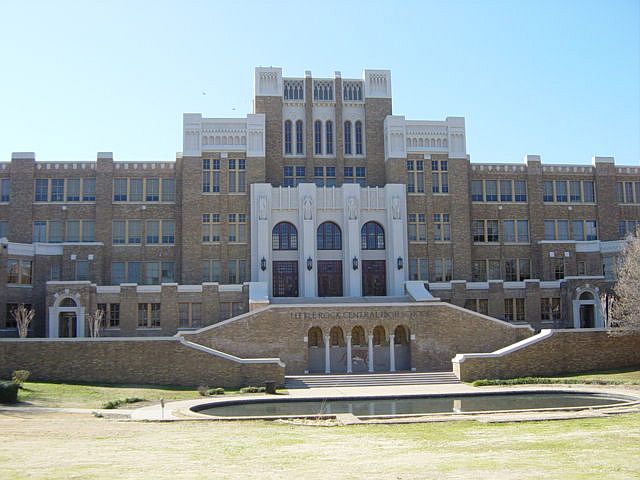
@ Central High School in Little Rock, Arkansas,
  セントラル高校     リトルロック  アーカンソー

  was completed in 1927.
    完成した  1927年

Little Rock Central High School.jpg

A        largest
         最大で
   was the  and       high school building in the U.S. at that time
         most expensive
         最も高価な    高校の建物    合衆国 当時
 It    and
   was also said to be the most beautiful high school.
 S´                          → P´
それ  〜も 言われていた   最も美しい高校


 【読解鉄則】SVOC
 第5文型 SVOCは、O(目的語)とC(補語)に必ず 
  S´→ P´(意味上の主語→述語)の関係がある!
 (注) この英文は S say O to be… の受動態の文です!


B Even after the long years of its history,
 M(文頭副詞)
 〜でさえ 〜後 長い年月 その歴史

 the school remains
 その学校  〜のままである

 one of the leading educational centers of that part of the U.S.
 ひとつ    一流の文教センター         その地域 合衆国

[4]
@ In 1957,
 M(文頭副詞) 1957年に

 however,
 M(文頭副詞) しかしながら

 the school became a battleground
 その学校  なった   戦いの場

           national
           国家の
 that ● gained  and     attention.
           worldwide
      集める 世界的な    注目
  (注) ● 名詞の欠落!

A For a long time after that,
 M(文頭副詞) 
 長い間 〜後 その

 Central High School
 セントラル高校
    and           had to work
 the city of Little Rock  働かなければならなかった
  市  リトルロック     (=努力しなければならなかった)

 toward healing the pain of the past events.
 〜へ向かって 癒す  痛み  過去の出来事

B What ● had happened in 1957?
  何    起こっていた 1957年に
 (注) ● もともと名詞があった場所!

posted by ついてるレオ at 16:17| Comment(0) | TrackBack(0) | Perspective English Communication U | このブログの読者になる | 更新情報をチェックする

2014年12月01日

Reading Skills 4

Perspective English Communication U         
Reading Skills 4
予測・推測―未知語の推測、背景知識・視覚情報の活用

[1]
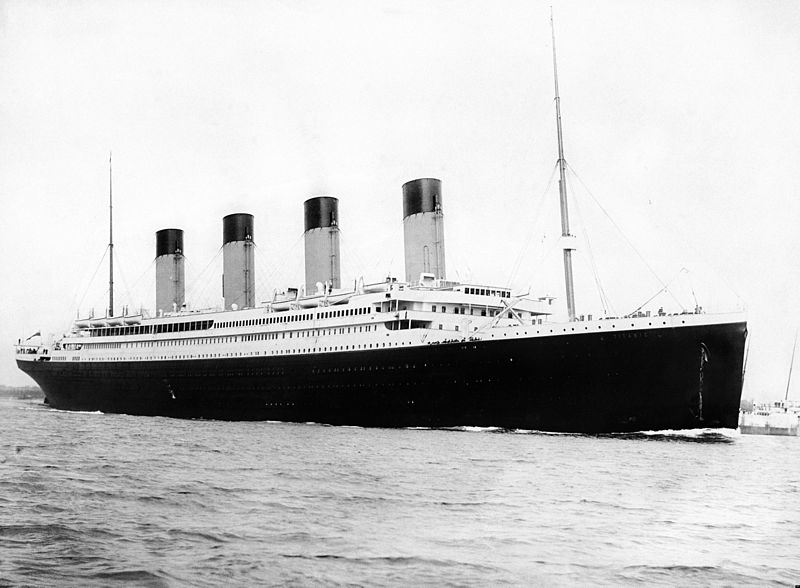
@ The Titanic left Southampton, England,
          →
 「タイタニック」離れた サウサンプトン イングランド  

 on April 10, 1912.
 4月10日 1912年

タイタニック号.jpg

 【読解鉄則】斜体字(Italics) 
 主な用法は 
 @語句の強調 
 A新聞・雑誌名、書名、船名、作品名、歌名など 
 B外国語をとりあげる
 ここではA 船名です!


A She sailed for five days
 (=The Titanic)
 「タイタニック」航海した 〜の間 5日 

 on calm seas,
 穏やかな海の上

 steaming at about 26 miles   extra information(=追加、補足情報) 
 進みながら およそ26マイル(=46km) 

 per hour. 
 〜につき 1時間

 (参考)1 mile≒1.6km

 【読解鉄則】
 代名詞(it, they, she, one, those など)、
 指示語(this, thatなど)は
 必ず何を指すのかを文中の英語でチェックする!
 
 車や船などの乗り物は、
 持ち主や関係者によって擬人化され
 女性に扱われることがある
  <例> Look at my new car. Isn't she wonderful!
     (僕の新車を見てよ。素敵だろう!)
     The ship sank with all her crew on board.
     (船は乗組員全員をのせたまま沈没した)

 国名は a) 地理的な国土は中性(Neuter)
  <例> Denmark is a kingdom in nother Europe,
     and its capital is Copenhagen.
     (デンマークは北欧の王国で、首都はコペンハーゲンです)     
     b) 政治的・文化的・経済的に見た国家のときは女性(Feminine)に扱われる
  <例> I want to understand the art and music of Japan,
     her people, her geography,
     her past and present.
     (私は日本の美術と音楽、国民、地理、過去と現在を理解したいと思っている)

 (参考)次のような擬人化は男性(Masculine)扱い。
     詩などにおける修辞的な表現です
  <例> The sun was shining in all his splendid beauty.
     (太陽はあふれんばかりの美しい日ざしだった)
     Love begins playing his old tricks every spring.
     (恋は春ごとに例のいたずらを始める)


B (She steamed)  Pretty fast for a ship of over 46 thousand tons.
   省略        かなり速く  〜の割には 船 4万6千トン

[2]
@ On April 14,
 M(文頭副詞)
 4月14日

 wireless reports from other ships warned of icebergs ahead.
 無線通信の報告 〜から 他の船  警告した 氷山 前方の

A Actually,
 M(文頭副詞)
 実際

 six (wireless) reports came in that day.
     省略
 6つの報告 入ってきた その日

B But
 しかし

 the“unsinkable”ship steamed on.
  その「不沈の」船   進み続けた

 【読解鉄則】引用符 (“”or‘’) 
 主な用法は 
 @話し言葉の引用 
 A詩、音楽の曲名、絵画などの作品名 
 B特定の言葉の強調
 ここではB特定の言葉の強調です!


C No slowing down.
 まったく速度を落とさずに

[3] 
@ There was no moon that night.
      月がなかった その夜

A At 11:40 p.m.
 M(文頭副詞)
 〜に 午後11時40分

                   saw the iceberg
                    →
                   見た 氷山
 lookout Frederick Fleet   and
                   phoned the bridge.
 監視人 フレデリック・フリート   →
                   電話をした 艦橋(かんきょう) ※船長の指揮する場所

 【読解鉄則】
 A and B  同形反復 
 等位接続詞(and, but, orなど)を見つけたら、
 何と何(語と語、語句と語句、節と節、文と文)をつないでいるか?
 (注) 同形反復は並列して解説しています


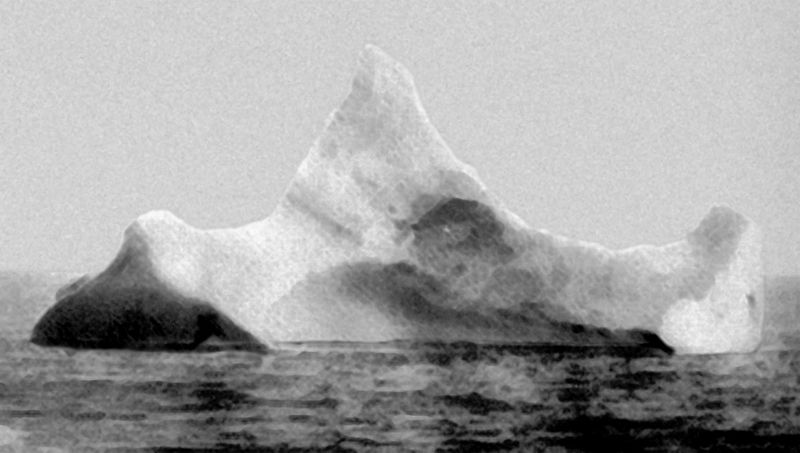
B A mountain of ice loomed   
        比喩のof 
  山のようなの氷   ぼんやりと現れた 

 (参考)比喩のof 「〜のような」  
  <例> a mountain of wave 「山のような波」
     an angel of a woman「天使のような優しい女性」
 

 against the dark sky. 
 〜を背景に 黒い空 

Titanic iceberg.jpg

C The berg was about 100 feet high.
  その氷山 だった およそ100フィート(約30m)の高さ

 (参考)1 foot≒30cm

D This means (that)  →レポート文
       →  省略
 これは意味する

 it extended about 900 feet below the surface.
 (=the berg) 
 それ 広がっていた およそ900フィート(約270m) 〜の下 水面

E The ship veered
 (=The Titanic)  
 その船(=「タイタニック」) 向きを変えた  

 at the last second.
 〜に 最後の瞬間

 【読解鉄則】名詞の言い換え
 The ship ⇒ The Titanic 
 英語では、同一の名詞を他の語で言い換えることがよくある!


F From above,
 M(文頭副詞)
 上方からは

 it   looked  like a close shave.
 それ 見えた 〜のように 危機一髪

G But
 しかし

 at the bottom
 M(文頭副詞)
 底では

 a scraping sound was heard.
 削り取るような音 聞えられた
 (=削り取るような音が聞えた)

[4]
@ It took 25 minutes
 仮S  →
    25分かかった     

 to assess the damage.
 真S 査定する 損害

 【読解鉄則】 end weight
 長い主語[S]は、
 it [仮S=仮主語(形式主語)] に置き換えて、
 文の後に置く[真S=真の主語]!
 

A Water was pouring in.
  海水  流れ込んできた

B At 12:05,
 M(文頭副詞)
 〜に 12時5分

 “Get the lifeboats ready!”was ordered.
         S´   → P´(意味上の主語→述語)
 「救命ボートを用意させよ!」命令された

 【読解鉄則】引用符 (“”or‘’) 
 主な用法は 
 @話し言葉の引用 
 A詩、音楽の曲名、絵画などの作品名 
 B特定の言葉の強調
 ここでは@話し言葉の引用です!


 【読解鉄則】SVOC
 第5文型 SVOCは、O(目的語)とC(補語)に必ず 
 S´→ P´(意味上の主語→述語)の関係がある!


C By 2:20 a.m.
 M(文頭副詞)
 〜までに 午前2時20分

 the ship had sunk below the surface.
  その船 沈んでいた 〜の下 水面

D So
 それで

 there were only about two hours to load the lifeboats.
     あった ほんのおよそ2時間 乗せる 救命ボート
 (=救命ボートに乗せるのにほんの2時間しかなかった)

E The ship carried 2,207 people.
         →
  その船  乗せていた 2207人

F (Being) Fully loaded,  
   省略
 M(文頭副詞)
 十分に積み込まれても

 the lifeboats could take only 1,178.
              →
  救命ボート  連れていくことができる ほんの1178人
 (=救命ボートはほんの1178人しか乗せることができなかった)

G Already
 M(文頭副詞)
 すでに

 there was guaranteed doom for many (people).
                           省略 
     あった 保証された運命  〜にとって 多くの人々
 (=多くの人々にとっては、悲運が確約された)

H Most boats pulled away
 大部分の救命ボートが離れた   

 partially loaded. extra information(=追加、補足情報) 
 部分的に積み込まれて

I Boat #1,
    (=Number 1)
 救命ボート1番

 made for 40,
 挿入
 作られている 〜ために40名
 (=定員が40名)

 carried only 12.
   →
 運んだ ほんの12名
 (=救命ボート1番は、定員は40名なのだが、ほんの12名しか乗せなかった)

J Ultimately,
 M(文頭副詞)
 結局

 only 705 people survived.
 ほんの705名の人々 生き残った
 (=ほんの705名しか生き残らなかった)

[5]
@ Just 10 miles away was the Californian,
  M            V        S
 ほんの10マイル 離れて いた  貨物船「カリフォルニアン」

 (Having being) stopped since 10:30 p.m.  extra information(=追加、補足情報) 
    省略 
         停泊されていて  〜から 午後10時30分

 【読解鉄則】斜体字(Italics) 
 主な用法は 
 @語句の強調 
 A新聞・雑誌名、書名、船名、作品名、歌名など 
 B外国語をとりあげる
 ここではA 船名です!


A Each ship could see the other’s lights.
             →
  各々の船 見ることができた 他方の光

B But
 しかし

 they could not communicate.
 それら 通信することができなかった

C The Californian shut down its wireless
              →
 貨物船「カリフォルニアン」 途絶した その無線   

 at 11:30.
 〜に 11時30分

D The Titanic crashed       
 「タイタニック」 大きな音を立ててつぶれた 

 10 minutes later.
 10分後

E Its cry for help      
 その叫び 〜のための 助け  

 was unheard.
 聞かれなくなった
 (=救助の叫びは聞えなくなった)


【今回の英文の種類】小説・物語文(ストーリー)
 今回の英文は「タイタニック」の沈没
 過去に実際に起こった出来事(=ノンフィクション)の話です。

 (参考)
 【小説・物語文(ストーリー)読解の鉄則】
 
 1 人物チェック! who(だれ) 
 2 場面チェック! when(いつ), where(どこ) 
 3 展開チェック! what(何)  
             Why?(なぜ) How?(どのように)  
 
 小説・物語(ストーリー)は人物を中心に場面が展開する! 
 (注) ただし、今回の英文には主人公など登場人物は描かれていません!

 特に 3つの順序を考慮して読むこと!

  1 Time    (時間) 始めから終りまでの出来事を列挙する
  2 Place   (場所) 目的地への説明など
  3 Sequence(論理) 順序や配列を示す一連の表現
 

 (注) これは、論説文、評論文、随筆文でも大切な考え方です!

   
posted by ついてるレオ at 22:03| Comment(0) | TrackBack(0) | Perspective English Communication U | このブログの読者になる | 更新情報をチェックする

Reading Skills 3

Perspective English Communication U         
Reading Skills 3
パラグラフ同士の関係、文章の構成―論やストーリーの展開

[1]
@ Good evening, ladies and gentlemen.
  こんばんは、みなさん

A Thank you all for coming here.
  ありがとう   ここに来てくれて

B Let me begin
  → S´→ P´(意味上の主語→述語)
  始めさせていただきます

 by telling you   
 〜によって 話す あなたたち 

 how I came to be here:
 どのようにして 私がここに来たか

 A『抽象』

 I came
 私は来ました 

 in a time machine.
 タイムマシーンで

 B『具体』

time machine.jpg
 
 【読解鉄則】
 A:(コロン) 
 A(核心的な内容)⇒B(具体的な内容) 
 コロンの後ろに続く節は、
 @説明 Aリストの列記 B引用(=直接話法)
 ここでは@説明の用法です!
 『抽象』から『具体』の流れをつかもう!


C In the year 2500,
 M(文頭副詞) 
 2500年

 we are able to travel through time
 私たちは移動できます 〜を通して 時間 

 to any year   
 〜へ いかなる年 

 in the history of Earth.
 地球の歴史上の


 【読解鉄則】Presentation(プレゼンテーション)  
 
 第1パラグラフは「Introduction」(イントロダクション=序論) 
  第@A文 あいさつ 
  第BC文 聞き手・聴衆の注意を喚起する
  (U本論へのつなぎ)


[2]
@ I have returned to this year
  私は戻ってきました 〜へ 今年

 to tell you something important:
 〜ために 話す あなた 何か 大切なこと

              A『抽象』

 This year is your last chance
  今年    あなたがたの最後の機会

 to change your lifestyle
 〜ための 生活様式を変える  

 to save Earth!
 〜ために 地球を救う

  B『具体』
 

 【読解鉄則】Presentation(プレゼンテーション)
  第2パラグラフ以降は「Body」(本論)
  プレゼンテーションの目的・ねらいを明言!
  主題文⇒支持文(主題文を支持する詳細情報を提示)!
  (結論へのつなぎ文)


[3]
@ Beginning in the middle of the 20th century,
 M(文頭副詞)
 始まり 〜に 中頃 20世紀

 people started to worry
        →
 人々 始めた  心配する
                        
                  water
 about polluting Earth’s  and  .
                  air
 
 〜について 汚染する 地球の水と空気

A They talked about the dangers of pollution,
  彼ら 話した 〜について 危険 汚染

  but しかし

          did not listen
          耳を傾けない

 most people   and
          did not change their way of life.
                 →
 大部分の人々   変えなかった  彼らの生活方法

[4]
@ By the year 2200,
 M(文頭副詞)
 〜までに 2200年

 Earth’s water was completely polluted.
  地球の水      完全に汚染された

A People could no longer drink water.
  人々 もはやできなかった 水を飲む

B        warned about overpopulation
         警告した 〜について 人口過剰

 Scientists  and
  科学者    
         said that   →レポート文
           → 
         言った

         in the future
         M(文頭副詞)
         将来

         there might be too many people on Earth.
         あまりに多くの人がいるかもしれない 地球上に

 【読解鉄則】
 レポート文
 筆者の思考、発言の内容をthat節・wh節(=名詞節)などで表現する文!
 (参考)「節」とは大きな文の一部として使われる「文」のこと。


[5]
@ So,
 それで

 by the year 2300,
 M(文頭副詞)
 〜までに 2300年

 there were so many people
     とても多くの人々がいた

 that food became scarce.
    食料がなった 欠乏して
 (=とても多くの人々がいて食料が欠乏するようになった)


 【読解鉄則】
  so [such] 〜     that -
  そんなに〜      どんなに-
 核心的内容    ⇒ 具体的説明 
 (メインアイデア)    (サポート)


A There was no water to grow food
      水がまったくなかった 食べ物を育てる

  and
                lakes
 all of the fish in the  and   died
                oceans
   すべて 魚     湖や海    死んだ

 because of pollution.
 〜のせいで 汚染

B Scientists were working very hard
  科学者   働いた   とても一生懸命

 to find another planet in space
 〜ために 別の惑星を見つける 宇宙で

 where humans could live ■.
     人間が住むことができる
             (注) ■副詞の欠落!

[6]
@ By the year 2400,
 M(文頭副詞)
 〜までに 2400年

 the air was too polluted for humans to breathe.
                     S´  → P´(意味上の主語→述語)
  空気  あまりに汚染された 人間が呼吸をするために
 (=空気はあまりに汚染されて人間は呼吸できなくなった)

A So
 それで

 we had to leave Earth.
        →
 私たち 離れなければならなかった 地球

B But
 しかし

 only the very rich were able to leave (Earth).
                          省略 
 〜だけ とても金持ちの人々 離れることができた
 (=とても金持ちの人々しか離れることができなかった)

C Where did we go ■?
  どこに  私たちは行ったのか
            (注) ■ もともと副詞があった場所!

D (We went) Nowhere.
    省略 
 どこにも行かなかった

 【読解鉄則】省略
 省略は、一度出てきた語(句)の反復を避けるために起こる!
 省略が起こっている英文は、省略語(句)を補って理解する!
  

E You see,
 ご存じでしょう

 scientists did not find another safe planet,
              →
 科学者   見つけなかった 別の安全な惑星

 so
 それで

 now
 M(文頭副詞)
 今

 we must continue to travel      
         →
 私たち 続けなければならない 移動する 

 around the universe
 〜の周りを 宇宙

 in our spaceships.
 〜で 宇宙船

[7]
@ So,
 だから

 it is up to you
 仮S あなたがた次第です

 to change history.
 真S 歴史を変えるのは

 【読解鉄則】 end weight
 長い主語[S]は、it [仮S=仮主語(形式主語)] に置き換えて、
 文の後に置く[真S=真の主語]!


 【読解鉄則】Presentation(プレゼンテーション)
  最終パラグラフは「Conclusion」(コンクルージョン=結論)
  全体の内容の要約・主題文の繰り返しと強調
  結論文(自分の意見)を述べる!


A There is still hope.
     まだ希望はあります

B You must change your lifestyle now,
         →
  あなたがた 変えなければならない 生活様式 今

 before it is too late.
 〜前に  遅くなりすぎる
 (=遅くなりすぎないうちに)


 (参考)
 【読解鉄則】
 Structure of Presentation(プレゼンテーションの構成)

 第1パラグラフは
 「Introduction」(イントロダクション=序論)

  あいさつ聞き手・聴衆の注意を喚起する
  プレゼンテーションの目的・ねらいを明言!
  プレゼンテーションの予告(話す項目)の発表
  (U本論へのつなぎ)
   

   ↓

  
 第2パラグラフ以降は
 「Body」(本論)
 
  主題文⇒支持文(主題文を支持する詳細情報を提示)!
  (V結論へのつなぎ文)


   ↓

 
 最終パラグラフは
 「Conclusion」(コンクルージョン=結論)

  全体の内容の要約・主題文の繰り返しと協調
  結論文(自分の意見)を述べる!
  クロージング(聞き手・聴衆への感謝の辞)


posted by ついてるレオ at 20:42| Comment(0) | TrackBack(0) | Perspective English Communication U | このブログの読者になる | 更新情報をチェックする

Reading Skills 2

Perspective English Communication U         
Reading Skills 2
パラグラフの成り立ちA―連結表現、句読法

[1]                 
@ What do the candles on your birthday cake mean ●?
                            →   
 何     ろうそく 〜の上 バースデーケーキ 意味する
                               (注) ● もともと名詞があった場所!

 →主題文(=トピック・センテンス)

candles on your birthday cake.jpg

 【読解鉄則】単一パラグラフの英文展開の基本 
 @冒頭文 
  主題文(トピック・センテンスtopic sentence)
  =核心的内容(メインアイデア)


A They simply tell your age.
 (=the candles on your birthday cake)
          →
 それら 単に  教える あなたの年齢
 (=それらは単に年齢を教えるだけです)

 【読解鉄則】単一パラグラフの英文展開の基本
 A文以降 
  支持文(サポーティング・センテンシーズ supporting sentences)
  =具体的説明 (サポート)
 (注) 通例、複数文あります!


B That’s all.
 それだけです

C They don’t tell what kind of jobs you can do ●. →レポート文
         →
 それら  語らない   どんな種類の仕事   あなたができるのか
                              (注) ● もともと名詞があった場所!

 【読解鉄則】
 レポート文
 筆者の思考、発言の内容をthat節・wh節(=名詞節)などで表現する文!
 (参考)「節」とは大きな文の一部として使われる「文」のこと。


D They don’t say how healthy you are ■. →レポート文
          →             
 それら 示さない  どれだけ健康な あなたが
                        (注) ■ もともと形容詞があった場所!

E Yet,
 しかし

 your age   has become a figure
 あなたの年齢 なった   数字      

 that ● can control your life.
      人生を管理できる
  (注) ● 名詞の欠落!

F Your income,
  your social benefits,
   and           greatly depend upon your age.
  your way of life
  あなたの収入、社会的恩恵、生活方法 とても〜次第である  あなたの年齢

G Yet
 しかし

 a person’s “calendar” age
 人の「カレンダー」年齢 

 may not be a good measurement to use ●.
 〜でないかもしれない 正当な測定  使うための
                      (注) ● もともと名詞があった場所!

 【読解鉄則】引用符 (“”or‘’) 
 主な用法は 
 @話し言葉の引用 
 A詩、音楽の曲名、絵画などの作品名 
 B特定の言葉の強調
 ここではB特定の言葉の強調です!


H You may be sixty-five years old  
  あなた  かもしれない 65歳  

 by the calendar.
 カレンダーでは

I Still
 M(文頭副詞・接続詞的用法)
 しかし

        feel
 you may and   even younger
        act       (注)共通のC
 あなた かもしれない もっと若く感じて行動する 

 than a person who ● is fifty-five.
 〜より  人        55歳
            (注) ● 名詞の欠落!

 ⇒命題陳述 (Thesis statement) 
   Main Idea of the Essay


 【読解鉄則】Academic Writing(アカデミック・ライティング)
  第1パラグラフは「Introduction」(イントロダクション=導入部) 
  第@〜H文 General statements(一般陳述) 
  第I文   Thesis statement (命題陳述)
        =Main Idea of the essay
        「評論全体の主張」をあらわす!


[2]
@ As a result,
 M(文頭副詞)
 その結果

 employees today are starting to depend more on “functional”age.
                →
  従業員 今日   始めている   より頼る   「機能的な」年齢

 (than on “calendar”age) .
  省略 〜より「カレンダー」年齢 

 
 【読解鉄則】Academic Writing(アカデミック・ライティング)
 第2パラグラフ以降は「Body」(ボディ=展開部)
 文章全体のテーマを具体的に説明していきます!


A The actual date of birth is becoming less of a factor.
    現実の日  誕生    なっている   より少なく 要因
 (=現実の誕生日はひとつの要因ではなくなっている)

B Older workers have a great deal to offer a company.
            →
 高齢労働者   もつ  多くのこと     会社に差し出す

C    are wiser,
        more experienced
        賢明で、より経験もあり
 They   and   
     use better judgment
      →
 彼ら   よりよく見極める 
 (=older workers) 
 
 than new employees.
 〜より 新人社員  

D As a rule,
 M(文頭副詞)
 その結果

         how to make a decision
         決定のしかた         
 they know  and             .
     →   when to make it
                (=the decision)
 彼らは知っている いつそれをするのか

E        when to speak up
         いつ意見を述べたらいいのか 
 they know  and         .
     →   when not to (speak up)
                  省略
 彼らは知っている いつすべきじゃないか

 【読解鉄則】省略
 省略は、一度出てきた語(句)の反復を避けるために起こる!
 省略が起こっている英文は、省略語(句)を補って理解する!
  

F Most important,
 M(文頭副詞)
 もっとも重要なのは

 they probably know when to listen,
           →
 彼らは 多分 知っている いつ聴けばいいか

 something that ● is usually not seen before middle age.
 同格
   こと        普通は見られない   中年前には 

 (参考)middle age 「中年,熟年」 《通例 40‐60 歳》.

[3]
@ History tells us of people
        →
 歴史 語っている 私たち 〜について 人々   

 who ● reached their peak after middle age.
      到着した 頂点 中年後に
  (注) ● 名詞の欠落! 

 【読解鉄則】Academic Writing(アカデミック・ライティング)
 最終パラグラフは「Conclusion」(コンクルージョン=結論部)
 全体のテーマを要約したり結論を述べる!


A In fact,
 M(文頭副詞)
 実際

 studies show that   →レポート文
        →
 研究は示している

 smart people tend to get smarter
 頭のいい人々は傾向がある より頭がよくなる 

 as they grow older.
 〜つれて 彼らが年をとる

 【読解鉄則】
 レポート文
 筆者の思考、発言の内容をthat節・wh節(=名詞節)などで表現する文!
 (参考)「節」とは大きな文の一部として使われる「文」のこと。


B The brain is like a muscle.
     脳   〜のような 筋肉

C The more you use it,
 M(文頭副詞)      (=brain)
 〜すればするほど あなたが 使う それ

 the more it develops.
       (=brain)
 (それだけ) ますます それは発達する

 【読解鉄則】
 代名詞(it, they, them, one, those など)、
 指示語(this, thatなど)は
 必ず何を指すのかを文中の英語でチェックする!


D Physical (exercise) as well as mental exercise
         省略 
 肉体的運動     〜と同様に 精神的運動 

         health
 improves   and     in the later years of life.
   →    well-being    
 向上させる 健康と幸福    その後の年     人生

 【読解鉄則】対比表現
 A as well as B 「Bと同様にAも」
 A: Physical (exercise) 省略に注意!
 B: mental exercise
 (注) AとBは「同形反復」!Aの省略語に注意!


E Don’t let the candles on a birthday cake stand in the way.
       →    S´                   → P´(意味上の主語→述語)
 〜させてはいけない  ろうそく 〜の上 バースデーケーキ   障害にする


 【今回の英文の種類】評論文
 「評論」とは「他人の主張に対して批評を加えること」。
 「評論文」とは、他人が述べた物事の善悪・価値などについて
  批評し、論じること。
  典型的例は、ある小説に対して解説や評価を述べる文章です。


 【今回の英文の構成&内容】

 [1] T Introduction(序論)
 
 @ General statements(一般陳述)
  「バースデーケーキの上のろうそくは何を意味するのか?」
 A〜D 一般的な答え
 E〜H 筆者の考え
 
 I Thesis statement(命題陳述=評論全体の主張)


 [2] U Body(本論) 

 @ “functional”age 「機能的な」年齢 ⇒サブ・トピックの提示
   (注)“calendar”age 「カレンダー」年齢との対比
 A〜F 
  older workers(高齢労働者)の優位性を
  new workers(新人社員)と対比しながら述べています。


 [3] V Conclusion(結論) 

 @ 中年後に頂点に到達した人々がいることを歴史が示している。
   主題文(トピック・センテンス)
 
 A以降 支持文(サポーティング・センテンシーズ)
  頭のいい人は年を取るにつれてより頭が良くなる ⇒根拠[正当な理由]@
 B&C 脳は使うだけその機能は発達する     ⇒根拠[正当な理由]A
 D 肉体的な運動も健康と幸福を向上させる    ⇒根拠[正当な理由]B   
 
 E 結論文(コンクルーディングセンテンス)
   バースデーケーキの上のろうそくを
   その人の人生の向上の障害にさせてはいけない!


 (参考)
 【複数のパラグラフの基本的な構造イメージ】
 アカデミック・ライティング(リーディング)理論


 T 導入部 (=Introduction)  第1パラグラフ 【序論】
   文章全体のトピックとテーマを提示

   第1文〜 一般陳述(=General statements) 
   最終文  命題陳述(=Thesis statement) 
        =Main Idea of the Essay
 

   ↓

 U 展開部 (=Body) 第2パラグラフ以降〜 【本論】
   文章全体のテーマを具体的に説明
   

   ↓ 

 V 結論部 (=Conclusion)   最終パラグラフ 【結論】
   文章全体のテーマを要約したり結論を述べる


 (注) 大学入試センター試験、
    私立大学入試試験、
    国公立大学二次試験など
    複数のパラグラフの英語論文の大部分はこのように書かれます!


posted by ついてるレオ at 18:03| Comment(0) | TrackBack(0) | Perspective English Communication U | このブログの読者になる | 更新情報をチェックする

Reading Skills 1

Perspective English Communication U
Reading Skills 1
パラグラフの成り立ち@―主題文と支持文

@ Many things can kill a language. →主題文(=トピック・センテンス)
             →
 多くのことが 殺すことがある 言語


 【読解鉄則】単一パラグラフの英文展開の基本 
 @冒頭文 
  主題文(トピック・センテンスtopic sentence)
  =核心的内容(メインアイデア)


A Papua New Guinea is one of the world’s richest language banks.
 パプアニューギニア   ひとつ   世界で最も豊かな言語バンク


 【読解鉄則】単一パラグラフの英文展開の基本 
 A文以降 
  支持文(サポーティング・センテンシーズ supporting sentences)
  =具体的説明(サポート)
  (注) 通例、複数文あります!


Papua New Guinea.jpg

B It has a lot of small villages
    →                
 そこにはある たくさんの小さな村            
 (=Papua New Guinea)

 which ● have different languages. 
       もつ 異なる言語
  (注) ● 名詞の欠落!

 【読解鉄則】
 代名詞(it, they, one, those など)、
 指示語(this, thatなど)は
 必ず何を指すのかを文中の英語でチェックする!


C On July 17, 1998,
 M(文頭副詞)
 7月17日 1998年

 there was an earthquake that ● killed 2,200 people.
        地震があった       殺した 2200人
 (=2200人が亡くなる地震があった)
                    (注) ● 名詞の欠落!

D Many survivors had to move away      
 多くの生存者  立ち去らなければならなかった 

 from their villages.
 〜から 自分たちの村

E As a result,
 M(文頭副詞)
 その結果

 the island lost many language communities.
         →
 その島は  失った 多くの言語共同体

F Another factor is the influence of culture.
 もうひとつの要因      影響    文化

 【読解鉄則】「同じ・もうひとつ・別の」
 the same, another, other, others など
 「何と同じか・何にたいしてもうひとつか・何と別か」を押さえる!


G    more difficult to see (than an earthquake),
     より難しい   見るには   省略 地震より    
 It is  but
 (=the influence of culture)
 それ(=文化の影響)
     just as powerful    as an earthquake.
     ただ同じように強力な   地震のように    
     (=地震と同様にただ強力である)

 【読解鉄則】
 A and B  同形反復 
 等位接続詞(and, but, orなど)を見つけたら、
 何と何(語と語、語句と語句、節と節、文と文)をつないでいるか?
 (注) 同形反復は並列して解説しています


H In fact,
 M(文頭副詞)
 実際

 much of the present language crisis originates
 多く    現在の言語危機        起源とする

 from the big cultural movement that ● began 500 years ago:
 〜から   大きな文化運動        始まった 500年前に
                       (注) ● 名詞の欠落!

  A『抽象』

 colonialism spread a small number of dominant languages around the world.
          →
 植民地政策  広げた  小さな数の優勢な言語          世界中に

  B『具体』

 【読解鉄則】
 A:(コロン) 
 A(核心的な内容)⇒B(具体的な内容) 
 コロンの後ろに続く節は、
 @説明 Aリストの列記 B引用(=直接話法)
 ここでは@説明の用法です!
 『抽象』から『具体』の流れをつかもう!


I For example,
 M(文頭副詞)
 たとえば

 the U.S. government forced Native American children
                →
  合衆国政府      無理に追いやった アメリカの原住民のこども

 into government schools
 〜中に   政府の学校

 that ● didn’t allow them to use any language except English.
              (=Native American children)                
                S´ → P´(意味上の主語→述語)
     許さなかった 彼らが いかなる言葉を使う  除いて 英語
  (注) ● 名詞の欠落!

 【読解鉄則】SVOC
 第5文型 SVOCは、O(目的語)とC(補語)に必ず 
 S´→ P´(意味上の主語→述語)の関係がある!


 【今回の英文の種類】論説文 

 「論説」とは「論(ろん)じて説明(せつめい)する」こと。
 あるトピック(=話題)について、
 自分のテーマ(=主張、意見)を述べて説明する。

 論説文とは、事物の内容や理非
 (道理に合っていることとはずれていること、正しいこととまちがっていること)
 を論じ、説明する文章です。

 新聞の社説は典型的な論説文です。


 【今回の英文の構成&内容】
 
 @ 多くのことが言語を殺すことがある 主題文(トピック・センテンス)  
   ↓
 A以降 支持文(サポーティング・センテンシーズ)  
  パプアニューギニア ⇒サブ・トピックの提示
 C〜E 地震の影響    ⇒根拠[正当な理由]@
 F〜I 文化運動の影響 ⇒根拠[正当な理由]A


 (参考)
 【単一パラグラフの基本的な構造イメージ】  
 パラグラフ・ライティング(リーディング)理論


 Introductory sentence   ※省略あり 
   ↓
 Topic sentence 
   ↓
 Supporting sentence
 Supporting sentence  ⇒ Supporting sentences
 Supporting sentence
 
   ↓
 Concluding sentence   ※省略あり


 A 導入文=イントロダクトリー・センテンス(introductory sentence)     

   文頭に置かれ、以下に述べるトピック(=topic)を
   読者に知らせたり、ほのめかしたりする働きをする文 
   (注)省略されることもよくある  
   
     ↓

 B 主題文=トピック・センテンス(topic sentence)

   トピック(Topic) & テーマ(Theme) 筆者が一番表現したいこと=main idea
   を提示する働きをする文
  

     ↓

 C 支持文=サポーティング・センテンシーズ(supporting sentences)                

   主題文(トピック・センテンス)
   読者に納得させるために、
   理由、実例、例示、比較、対照、分類、定義、分析など
   詳しく述べる働きをする文 
   (注) 通例、複数文あります
 
     
    ↓

 D 結論文=コンクルーディングセンテンス(concluding sentence)  

   主題文(トピック・センテンス)を言い換えたり、
   トピックについての結論を述べたりする働きをする文

   (注)省略されることもよくある

 (注) 英語の論文のほとんどのパラグラフは
    この原則に沿って展開されます!


posted by ついてるレオ at 17:09| Comment(0) | TrackBack(0) | Perspective English Communication U | このブログの読者になる | 更新情報をチェックする

2014年11月05日

Lesson 7 Machu Picchu ― City in the Clouds Part 4

Lesson 7 Machu Picchu ― City in the Clouds Part 4 

[1]
@ Over the next several years,
 M(文頭副詞)
 〜に渡って 次の数年

 Bingham spread the word about his discovery.
        →
 ビンガム 広げた  言葉  〜について 彼の発見

A Eventually,
 M(文頭副詞)
 結局

 people began coming to see Machu Picchu for themselves.
       →
 人々 始めた  来る 〜ために 見る マチュピチュ 自分達で

B What they saw ● was
  もの 彼らが見た  だった
  (注) ● 名詞の欠落!

 vivid proof of just how talented the Incas were.
        =同格のof    
 鮮やかな証拠  ただ 何と才能がある インカ人は

C The stonework in the city was amazing.
    石造物  その都市    だった 驚くべき

D                  six
  Many of the stones had  or  sides.
               →  more
 多く  その石    あった 6もしくはそれ以上の側

E         cut
 They were  and    to exact dimensions.
          polished
 それら  切られて磨かれていた 〜へ 正確な寸法

F Then
 M(文頭副詞)
 それから

 they were fitted together so perfectly
 それら  組み合わされていた とても完ぺきに

 that even the blade of a knife could not slip between them.
   〜でさえ  刃 ナイフ 滑る込むことができなかった 〜の間 それら

 【読解鉄則】
  so [such] 〜     that -
  そんなに〜      どんなに-
 核心的内容    ⇒ 具体的説明 
 (メインアイデア)    (サポート)


[2]
@ Another amazing fact is that   → 一種のレポート文
  もうひとつの驚くべき事実

 a waterworks system ran throughout the city;
    上水道網    走っていた 〜を通して 都市

 water flowed all year round.
  水  流れた 一年中

 【読解鉄則】「同じ・もうひとつ・別の」
 the same, another, other, others など
 「何と同じか・何にたいしてもうひとつか・何にたいして別か」を押さえる!


A Where the water came from ● remains a mystery.
  どこ  水が来たのか 〜から 〜のままである ミステリー
                  (注) ● もともと名詞があった場所!

B But
 しかし

 the biggest miracle is    → 一種のレポート文
     最大の奇跡

 how Machu Picchu was made ■
 どのようにして マチュピチュ 作られた  (注) ■副詞の欠落!

  and

 how it remained intact ■
 (=Machu Picchu)         (注) ■副詞の欠落!
 どのようにして それ 〜のままである そっくりそのまま

 without being discovered by the Spanish conquerors.
 〜なしに  発見される  〜によって スペイン人の征服者

[3]
@ Bingham took a number of artifacts
        →
 ビンガム 持っていった たくさんの人工遺物

 from Machu Picchu to Yale University
 〜から マチュピチュ 〜へ エール大学

 for further study.
 〜ために さらなる研究

A Many have been on display at Yale’s museum ever since.
 多くのもの  展示されている  エール博物館    それ以来

B Yale has kept them for a century,
        →
 エール ずっと持っていた それら 〜の間 一世紀

 claiming that   →レポート文
 主張して

 Peru did not have proper conditions
 ペルー  持っていなかった 適切な状況    

 to take care of the pieces.
 〜ための 管理する  その品

C However,
 M(文頭副詞)
 しかしながら

 some Peruvians accused Yale of profiting from Peru’s cultural heritage.
              →   A     B
 一部のペルー人 非難した エール  利益を得ている 〜から ペルーの文化遺産

 【読解鉄則】
 分離動詞句  他動詞 A+前置詞+B
 <例> accuse A of B 「AをBのことで非難する」
     →     明確化
    Sが力をAに及ぼしてBで明らかにするイメージ!


D Having talked over the problem several times in 2010,
 M(文頭副詞)
 話し合って その問題  何度か 2010年

 Yale University agreed to return the controversial artifacts
             →
 エール大学   同意した   戻す  論争の的になっている 人工遺物

 to their original home in Peru.
 〜へ それらの本来の故郷  ペルー

[4]
@ Today
 M(文頭副詞)
 今日

 hundreds of thousands of tourists visit Machu Picchu every year.
                         →
    何十万の観光客        訪れている マチュピチュ  毎年

A Some people are afraid that   → 一種のレポート文
 一部の人々  思っている

 easy access to Machu Picchu will put it in danger,
 容易なアクセス 〜へ マチュピチュ 危険な目に遭わせる それ

  and そして
                   
 they have protested against development plans.
          →
 彼ら 異議を申し立てている 〜に対して 開発計画

B They hope (that)    →レポート文
      →  省略 
 彼らは望んでいる

 Peru’s government knows better than
 ペルー政府は     知る より多く 〜より
 (=ペルー政府は〜しない分別がある)    

 to kill the goose that ● lays the golden eggs.
   殺す  ダチョウ       産む    金の卵
 (=金の卵を産むダチョウを殺す
  =目前の利益に目がくらんで将来の利益を犠牲にする)

 (=ペルー政府が目前の利益に目がくらんで
   将来の利益を犠牲にしないだけの
   分別があることを彼らは望んでいる)


 [関連記事]

 【ブログ】ついてるレオさん"ハッピー日記"ペン

 最強の英単語&熟語集! (10 18 2014)
 
 もしお時間があれば寄ってね (^.^)


 英語上達のヒント! (1) ( 6 5 2014)
 英語上達のヒント! (2) ハインリッヒ・シュリーマンのお話 ( 6 6 2014)
 英語上達のヒント! (3) ( 6 7 2014)
 英語上達のヒント! (4) 「内在化」のお話 ( 6 10 2014)
 英語上達のヒント! (5) 「知的記憶」と「運動記憶」のお話  ( 6 11 2014)
 英語上達のヒント! (6) 「日本語脳」と「英語脳」のお話   ( 6 12 2014)
 英語上達のヒント! (7) 英語はそのままの英語で理解する ( 6 14 2014)
 英語上達のヒント! (8) 「英語脳」をつくる方法        ( 6 18 2014)
 英語上達のヒント! (9) 「英語脳」をつくる方法 洋書編   ( 6 17 2014)
 英語上達のヒント! (10) 英語発音トレーニング(1)     ( 6 23 2014)
 英語上達のヒント! (11) 英語発音トレーニング(2)     ( 6 24 2014)
 英語上達のヒント! (12) 英語発音トレーニング(3)     ( 6 25 2014)
 英語上達のヒント! (13) 英語発音トレーニング Advanced(1) ( 6 26 2014)
 英語上達のヒント! (14) 英語発音トレーニング Advanced(2) ( 6 28 2014)
 英語上達のヒント! (15) 英語で歌おう! ( 6 30 2014)
 
 (注) このテーマは、一旦ここでストップ!

 興味のある方だけお読みください (^.^)

posted by ついてるレオ at 16:05| Comment(2) | TrackBack(0) | Perspective English Communication U | このブログの読者になる | 更新情報をチェックする

Lesson 7 Machu Picchu ― City in the Clouds Part 3

Lesson 7 Machu Picchu ― City in the Clouds Part 3 

[1]
@ Who ● had made the complicated stonework?
         →
  誰    作っていた  その複雑な石造物
  (注) ● もともと名詞があった場所!

A Bingham had little time to ponder this question,
        →
 ビンガム ほとんど時間がなかった  熟考する この質問

 for
 というのは  (注) 等位接続詞!

 the boy kept leading him onward.
 その少年 続けた 導く 彼 前方へ

B Soon
 M(文頭副詞)
 まもなく

 they came to a long stairway.
 彼ら 来た 〜へ  長い階段

C The boy told him to climb it.
                 (=the long stairway)        
       →  S´→ P´(意味上の主語→述語)
 その少年 言った 彼に  そこを登る

D At the top,
 M(文頭副詞)
 〜で 頂上

 there was much more to see,
 M(誘導副詞) あった はるかに多くのもの 見る
 (=はるかに多くの見るものがあった)

 he said.
    →
 彼は言った


 【読解鉄則】話法 (narration)
 中間話法:直接話法でも間接話法でもない中間的な話法 

 ☆2つのパターン
 (1)伝達動詞がある場合
    <例> How does a fish get air? You will ask.
       どのようにして魚は空気を手に入れるのだろう? あなたはたずねるだろう。  

 (2)伝達動詞がない場合 (描出話法)
    <例> At midnight there was a light tap on her door.
       Who could it be?
       She began to feel uneasy, for she was sure
       there was no one else in the house.   
       真夜中に彼女の家のドアを軽くたたく音が聞こえた。
         誰だろう? 彼女は不安を感じはじめた。というのは、
         家の中には他には誰もいないことは確かだったから。
   

  ※この英文では(1)のパターンです!

  (注) 小説や随筆に現れる作者の心理描写の手法、修辞法のひとつ! 


[2]
@ Eagerly,
 M(文頭副詞)
 熱心に

 Bingham climbed the stairway.
        →
 ビンガム 登った  その階段

A What he saw ● there took his breath away.
                 →
  彼がそこで見たもの  はっとさせた 彼を
  (注) ● 名詞の欠落!

Machu Picchu.jpg

B All around him were
 すべてのもの 彼の周り だった

 旧情報(Given)
       
 the massive ruins of an ancient city,
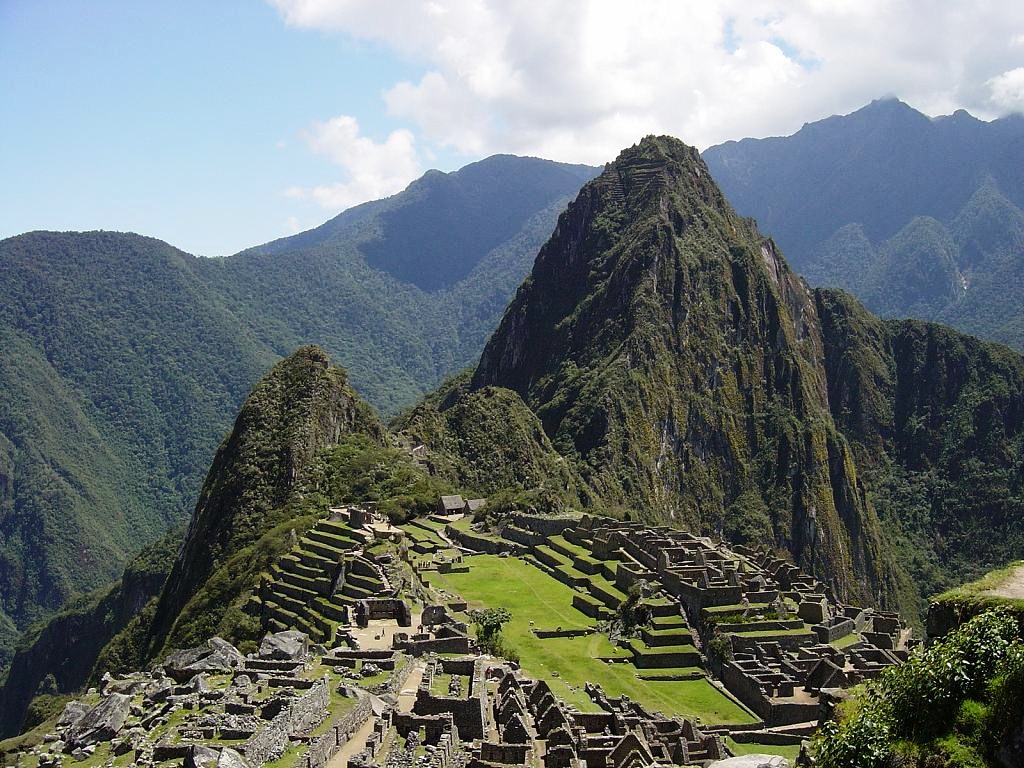
   大規模な遺跡      古代の都市

 新情報(New)
          
 looking like a fortress on a ridge between mountains.    
 見えた 〜のように 要塞    山の背   〜の間  山脈

 extra information(=追加、補足情報)

 【読解鉄則】Information Structure(情報構造)
 英文は旧情報(Given) から新情報(New)へと展開する!


 【読解鉄則】配置転換ルール
 話者の「感情・意図」がある


C                in
  Stone streets wound  and    sight.
                 out of
 石の通り うねっていた 見えたり、見えないところに  
 (=石の通りがうねうねと見えたり見えなかったりした)

 (注) wind - wound - wound     
     [自動詞] うねる 屈曲する


D The roofs of the buildings had worn away,
    屋根    建物     すり減っていた

  but しかし

 the sides of the dwellings were still intact.
    側     住居      今でも そっくりそのまま

[3]
@ Bingham could see that      →レポート文
             →
 ビンガム 〜できた 理解する

 the buildings had been constructed
    建物       建築されていた

 with great attention to detail.
    大いに注意を払って  細部へ


A         gracefully curving walls,
          上品に曲がっている壁
          beautifully shaped windows,
          美しく形作られてた窓
 He noticed    and            .
     →    elaborate fountains
 彼 気づいた  精巧な泉

B           wonderful
 It was far more  and
            interesting
 それ  はるかに素晴らしく興味深い  

  than other Inca ruins.
  〜より 他のインカの遺跡

C What had the city been made for ●?
   何   その都市 作られていた 〜ために
                  (注) ● もともと名詞があった場所!

D The large number of temples suggested that   →レポート文
                        →
    多くの数の寺院      示していた

 the place was a religious,
  その場所    宗教の
            
 
 rather than political,             
 むしろ 〜より 政治の
           
 
 center.
 中心

 【読解鉄則】対比表現!
 A rather than B 「BよりむしろA」
 A:religious
 B:political 
 (注) AとBは「同形反復」です! 


[4]
@ As it turned out,
 M(文頭副詞)
 結局のところ

 Machu Picchu was not the Lost City of the Incas.
 マチュピチュ    でなかった   失われた都市 インカ族

A Recently discovered clues show that   →レポート文
                     →
 最近発見されたてがかり 示している

 the Lost City lay  in a different part of Peru.
 失われた都市 あった  違った場所 ペルー

B Machu Picchu,  it seems,   was a different city,
              挿入
  マチュピチュ   思われている だった  違った都市

 perhaps one devoted to the Sun God.
       同格
       (=a city) 
 たぶん  都市 捧げられた 〜へ 太陽神


  【読解鉄則】 , 挿入 , (コンマによる挿入)) 
  用法は、接続副詞、挿入句・節を入れる! 
  (注) 挿入は(   )で囲むと構文が理解しやすい! 
  (注) SVが挿入されているときは、そのSVは「主節」と考える!


  【読解鉄則】 代名詞・指示語
  代名詞(it, they, them, one, those など)は「何を受ける」!
  指示語(this, thatなど)は「何を指す」!
  必ず文中の英語でチェックする!


C Still,
 M(文頭副詞) [接続詞的に] 
 それにもかかわらず

 Bingham realized  that   →レポート文
        →
 ビンガム  気づいた

 it would have tremendous appeal to the outside world.
 それ 〜だろう ある とてつもなく大きな魅力 〜へ 外部の世界

D He knew  that    →レポート文
     →
 彼 知った

 seeing Machu Picchu would give modern people
                     →  O1(人)
 見ること マチュピチュ 与えるだろう 現代の人々

                     building skills,
                     建築技術
 a better understanding of the            of the ancient Incas.
   よりよい理解           art and culture    古代インカ族
                     芸術と文化      (注)共通のM
  O2(モノ・コト)

posted by ついてるレオ at 11:59| Comment(0) | TrackBack(0) | Perspective English Communication U | このブログの読者になる | 更新情報をチェックする

2014年11月04日

Lesson 7 Machu Picchu ― City in the Clouds Part 2

Lesson 7 Machu Picchu ― City in the Clouds Part 2 

[1]
@ For three weeks,
 M(文頭副詞)
 3週間

 Bingham’s group had tramped higher and higher
 ビンガムのグループ てくてく歩いた どんどん高く  

 into the jungle.
 〜の中に ジャングル

 (=ビンガムのグループは
   てくてく歩いて登っていき
   ジャングルの中に入っていった)

A Along the way,
 M(文頭副詞)
 その道に沿って

 Bingham had talked to every native resident
 ビンガム  話していた 〜に  すべての土地の住民       

 (whom) he found ●.
  省略  彼 見つけた
           (注) ● 名詞の欠落!

B Some had described ruins
           →
 一部の人々 述べた   遺跡 

 that ● sounded like the Lost City.
       聞える 〜のように 失われた都市
    (注) ● 名詞の欠落!

C (Being) Encouraged,
 M(文頭副詞)省略 
 勇気づけられて

 Bingham pushed on.
 ビンガム 前進した


 【読解鉄則】 文頭の Being (or Having been)の省略
 分詞構文 M(文頭副詞)  
 文頭の Being (or Having been)は、よく省略される!


D Now,
 M(文頭副詞)
 今

 on July 23,
 M(文頭副詞)
 7月23日

 he heard a Quechua man describe spectacular ruins
     →         S´  → P´(意味上の主語→述語)
 彼は聞いた ケチュア族の男性  述べる  壮観な遺跡

 just a few miles away.
 ほんの 数マイル離れている
 (=数マイルしか離れていない)


 【読解鉄則】 SVOC
 第5文型 SVOCは、O(目的語)とC(補語)に必ず 
 S´→ P´(意味上の主語→述語)の関係がある!
 (注) Vは「知覚動詞」「認識動詞」「使役動詞」がよくくる!


E He said (that)   →レポート文
     →  省略 
 彼は言った

                “Machu Picchu,”
 the ruins were called   or 
                “old peak.”
 その遺跡 呼ばれている 「マチュピチュ」つまり「古い山頂」


 【読解鉄則】引用符 (“”or‘’) 
 主な用法は 
 @話し言葉の引用 A詩、音楽の曲名、絵画などの作品名 B特定の言葉の強調
 ここではB特定の言葉の強調です!


[2]
@ That night,
 M(文頭副詞)
 その晩

 Bingham made plans to hike to Machu Picchu.
       →
 ビンガム 練った 計画   徒歩で進む 〜へ マチュピチュ

A But
 しかし

 by the next morning,
 M(文頭副詞)
 〜まで 次の日の朝

 rain had moved in.
 雨  近寄っていた

B Bingham waited for a break in the clouds for hours.
  ビンガム 待った   とぎれ    雲    数時間

C At last,
 M(文頭副詞)
 ついに

 when the sky lightened,
 M(文頭副詞)
 〜とき 空が明るくなった

 Bingham set out.
 ビンガム 出発した

D A military escort went with him.
     軍の護衛  行った 一緒に 彼

E The men were guided by a local resident.
  その男性たち 案内された 〜によって 地元の住民

[3]
@ For the first two miles,
 M(文頭副詞)
 〜の間 最初の2マイル

 they stuck a narrow trail,
      →
 彼ら 突っ込んだ 狭い道

 struggling through the jungle.
 苦労して進む 〜を通して ジャングル

 extra information(=追加、補足情報) 


 【読解鉄則】 extra information(=追加、補足情報)
 SV…, Ving…(付帯状況の分詞構文)  
 文が終わる ⇒ Ving…「〜して、〜しながら」
 SV…(=主文)の追加及び補足説明をあらわす!


A     went under vines,
      進み 〜の下 つる

      stepped over deadly snakes,
      またぎ     恐ろしいヘビ

 They   and
 彼ら  
      crawled carefully across a bridge of thin logs
      そろそろ歩いた 注意深く  〜を横切って 橋 細い丸太

        over a deep canyon.
        〜の上方の 深い峡谷


  【読解鉄則】 A and B  同形反復(=共通構文)
  等位接続詞(and, but, orなど)を見つけたら、
  何と何(語と語、語句と語句、節と節、文と文)をつないでいるか?
  (注) 同形反復は並列して解説しています


B Any false step would have taken their lives.
                    →
 どんな誤った一歩 奪っただろう 彼らの命


  【読解鉄則】条件節(=if節)のない仮定法!(=反実仮想)
   S+would+have Vp.p.…(「現在」から「過去」を推量)
   「Sは〜しただろう」(=実際はSは〜しなかった)
   (注) 条件は S(=any false step)にある! 
  (参考)この場合「助動詞の過去形」は現実との「距離感」を示します!


[4]
@ An hour and a half later,
 M(文頭副詞)
 1時間半後

 the men reached a clearing
         →
 その男性たち 着いた 開拓地

 where a Quechua family lived in a tiny hut ■.
       ケチュア族 住んだ 小さな小屋  (注) ■副詞の欠落!

A Here
 M(文頭副詞)
 ここで

 Bingham’s guide stopped,
 ビンガム 案内人 立ち止まって

 telling Bingham that  extra information(=追加、補足情報)
 言った ビンガム

 the family’s 11-year-old boy would lead him the rest of the way.
     家族の11歳の少年    案内する   彼   残りの道

[5]
@ Bingham followed the young boy along a faint jungle trail.
         →
 ビンガム 後を追った その若い少年 〜に沿って かすかなジャングルの道

A As they rounded a bend,
 M(文頭副詞)
 〜とき 彼ら 回って入る カーブ

 Bingham suddenly stepped into a clearing.
  ビンガム 突然   足を踏み入れた 開拓地

B He found himself standing in front of a series of terraces
      →  S´  → P´(意味上の主語→述語)
 彼は気づいた 彼自身 立っている 〜の前に 一連の台地
                   
                        above
 with steps leading to many levels  and   him.
                        below  (注)共通のO
 〜のある 階段 通じる 〜へ 多くの階    上や下 彼の

 【読解鉄則】 SVOC
 第5文型 SVOCは、O(目的語)とC(補語)に必ず 
 S´→ P´(意味上の主語→述語)の関係がある!
 (注) Vは「知覚動詞」「認識動詞」「使役動詞」がよくくる!


C Perfectly cut stone walls lined a path
                    →
 完ぺきに切られた石の壁 一列に並べていた 小道

 that ● led through these terraces.
      つながる 〜を通して これらの台地
  (注) ● 名詞の欠落!

posted by ついてるレオ at 14:45| Comment(0) | TrackBack(0) | Perspective English Communication U | このブログの読者になる | 更新情報をチェックする

Lesson 7 Machu Picchu ― City in the Clouds Part 1

Perspective English Communication U    
Lesson 7 Machu Picchu ― City in the Clouds Part 1
      マチュピチュ     雲の中の都市

[1]
@ The man had been searching for the Lost City of the Incas,
  その男性 ずっと探していた  〜を求めて 失われた都市  インカ

 which people had whispered about ● for centuries.
    人々 こっそり話をしていた 〜について 〜の間 数世紀                      (注) ● 名詞の欠落!

 【読解鉄則】 S+had been Ving…
  「Sは(ずっと)〜していた」
 【過去完了進行形】のイメージ
 「(過去の前の動作、状態が) 過去に迫る & 躍動感
  (注) Ving=「躍動感」動作の「イキイキ感」をあらわす! 


A It was said to be a magnificent place
 (=the Lost City of the Incas)
  S´              → P´
 それ 言われていた    素晴らしい場所

         great temples
 filled with   and       .
         precious metals   
 〜でいっぱい 偉大な寺院と貴重な金属


 【読解鉄則】SVOC
 第5文型 SVOCは、O(目的語)とC(補語)に必ず 
  S´→ P´(意味上の主語→述語)の関係がある!
 (注) この英文は S say O to be… の受動態の文です!


 【読解鉄則】 A and B  同形反復 
 等位接続詞(and, but, orなど)を見つけたら、
 何と何(語と語、語句と語句、節と節、文と文)をつないでいるか?
 (注) 同形反復は並列して解説しています


B Rumor had it that    →レポート文
       →
 うわさ 言っていた
 (=〜といううわさだった)

 the Lost City was hidden somewhere in the thick jungles of Peru,
 失われた都市 隠されていた  どこか   茂ったジャングル  ペルー

  but しかし

 no one knew exactly where (it was hidden)
       →              省略 
 だれも知らなかった 正確に どこ (に隠されている)


 【読解鉄則】レポート文
 筆者の思考、発言の内容をthat節・wh節(=名詞節)などで表現する文!
 (参考)「節」とは大きな文の一部として使われる「文」のこと。


 【読解鉄則】省略
 省略は、一度出てきた語(句)の反復を避けるために起こる!
 省略が起こっている英文は、省略語(句)を補って理解する!


C There were hundreds of miles of dense wilderness
 M(誘導副詞) あった   何百マイル   茂った荒野    

 to conceal it.
 〜ために 隠す それ

D Chances were good that no outsider would ever find it.
               (注) chancesの=同格名詞節  
 多分〜よかった      どんな外部の人間もそれを見つけられないだろう

[2]
@ Still,
 M(文頭副詞) [接続詞的に] 
 それにもかかわらず

 the man was determined to try.
  その男性 決意した   挑戦する

A His name was Hiram Bingham.
 彼の名前    ハイラム ビンガム

Hiram Bingham.jpg

B Bingham,
 ビンガム

           professor
 who ● was a  and     from Yale University,
           historian
          教授で歴史家  〜から エール大学
 挿入
  (注) ● 名詞の欠落!

 was excited by the story of the Lost City.
  興奮した 〜によって 話   失われた都市


 【読解鉄則】 , 挿入 , (コンマによる挿入)) 
  用法は、接続副詞、挿入句・節を入れる! 
  (注) 挿入は(   )で囲むと構文が理解しやすい!


C When the Spanish had arrived in Peru in the 1530s,
 M(文頭副詞)
 スペイン人  到着した   ペルー   1530年代

 they had quickly taken over the Inca capital of Cuzco.
              →
 彼ら すばやく  接収した  インカの首都 クズコ

D The leader of the Incas had fled into the mountains
    指導者  インカ族  逃げていた 〜の中に 山脈

 with his followers.
 〜と一緒に  従者

E Somewhere on a remote mountainside,
 M(文頭副詞)
 どこか  離れた山腹

 it was said,
 挿入
 仮S 言われている

   he
   and       had set up another city,
 his three sons    
 真S 
 彼と彼の3人の息子 設立していた 別の都市

           silver
 filled with the  and
           gold
 〜で満たされている 〜で 銀と金      

 (which) they had brought ● with them.
  省略  彼ら 持ち込んでいた 一緒に
                 (注) ● 名詞の欠落!

 【読解鉄則】 end weight
 長い主語[S]は、it [仮S=仮主語(形式主語)] に置き換えて、
 文の後に置く[真S=真の主語]!


F Their dynasty supposedly had ruled from there   彼らの王国   推定では  支配していた  〜から そこ 

 for 35 more years.
 〜の間 35年以上

[3]
@ Bingham didn’t know    →レポート文
            →
 ビンガム  知らなかった

 if the story of the Lost City was true.
 〜かどうか 話  失われた都市  本当の

 【読解鉄則】レポート文
 筆者の思考、発言の内容をthat節・wh節(=名詞節)などで表現する文!
 (参考)「節」とは大きな文の一部として使われる「文」のこと。


A Many fortune hunters had looked for it without success.
                 →  (=the Lost City)
 多くの財産を得ようとする人  探していた   それ 〜なしに 成功
 (=多くの財産を得ようとする人はそれを探していたが、成功しなかった)

B Even if such a city had existed,
 M(文頭副詞)
 たとえ、そのような都市が存在していたとしても

 Bingham didn’t know      →レポート文
            →
 ビンガム  知らなかった

 if there was any trace of it left.
              S     → P´(主語→述語)                
 〜かどうか  なんらかの痕跡 その 残されている
                 (=the city)

 (=そのなんらかの痕跡が残されているかどうか)

 【読解鉄則】 
 There(誘導副詞) be S + P´(=Ving… or Vp.p.…)  
  S → Ving… 「Sは〜している」
  S → Vp.p.…「Sは〜される」 後ろは『説明』 
  S → P´(主語→述語)の関係がある!
  (注) 「Sがある」という「存在」の意味は薄れる!


C But
 しかし

 like all good explorers,
 M(文頭副詞)
 〜のように すべてのよい探検家

 he was willing to go to great lengths
 彼  進んで行った  〜へ たくさんの長さ  

 to find out.
 〜ために 見つけ出す

 (=彼は進んでそれを見つけ出すために長い距離を進んだ)

D And so,
 そして

 in 1911,
 M(文頭副詞)
 1911年に

 Bingham brought a group of six men
         →
 ビンガム 連れてきた グループ 6人の男性 

 to Peru.
 〜へ ペルー

E Together
 M(文頭副詞)
 一緒に

 they headed up in the mountains,
 彼ら 進んだ     山脈の中を

 hoping to succeed where others had failed.   
 望んで  成功する  場所で 他の人々たちが失敗した

 extra information(=追加、補足情報) 

 【読解鉄則】 extra information(=追加、補足情報)
 SV…, Ving…(付帯状況の分詞構文)  
 文が終わる ⇒ Ving…「〜して、〜しながら」
 SV…(=主文)の追加及び補足説明をあらわす!


posted by ついてるレオ at 14:17| Comment(0) | TrackBack(0) | Perspective English Communication U | このブログの読者になる | 更新情報をチェックする

2014年10月22日

Lesson 6 Haiti’s Mother Teresa Part 4

Lesson 6 Haiti’s Mother Teresa Part 4 

[1]
@ The patients still suffered from malnutrition,
   患者たち それでも 患っていた 栄養失調

 whatever treatment Sudo offered ●.
 たとえどんな治療を  須藤が提供しても
                  (注) ● 名詞の欠落!

A As a doctor,
 M(文頭副詞)
 医者として

 she kept thinking about
 彼女 続けた 考える 〜について

 how her patients could obtain better nutrition.
 どのようにしたら 患者  より良い栄養を手に入れることができる

B She realized that   →レポート文
       →
 彼女 気づいた

 agriculture would be important
   農業        大切だろう

    improving their nutritional state
    改善する     栄養状況

 in   and                 .

    stamping out tuberculosis
 〜際に 踏み消す     結核

 【読解鉄則】
 レポート文
 筆者の思考、発言の内容をthat節・wh節(=名詞節)などで表現する文!
 (参考)「節」とは大きな文の一部として使われる「文」のこと。


 【読解鉄則】 A and B  同形反復(=共通構文)
 等位接続詞(and, but, orなど)を見つけたら、
 何と何(語と語、語句と語句、節と節、文と文)をつないでいるか?
 (注) 同形反復は並列して解説しています


[2] 
@ At the age of 75,
 M(文頭副詞)
 75歳の年

 Sudo started to learn about agriculture in Thailand.
       →
 須藤 始めた   学ぶ  〜について 農業    タイで

A Then
 M(文頭副詞)
 それから

    returned to Japan
    戻り   〜へ 日本
 
 she  and
    
    asked two Haitians to come for training.
      →      S´    → P´(意味上の主語→述語)
 彼女は 頼んだ  2人のハイチ人 来る 〜ために トレーニング

 【読解鉄則】 SVO to V [行動促進型]
 第5文型 SVO to Vは、O(目的語)と to Vに必ず 
 S´→ P´(意味上の主語→述語)の関係がある!
 (注) Vには
   @【願望・期待】want, like, wish, expectなど
   A【許可・容認】allow, permitなど
   B【依頼・命令】ask, tell, advise, orderなど
   C【勧誘・説得】encourage, persuadeなど
   D【強制】compel, force, obligeなど
   E【無生物主語構文】cause, enable, lead など この英文のVはB!


B They received good training in agriculture in Japan
       →
 彼ら 受けた  よいトレーニング    農業    日本で
 (=two Haitians)

   and,

 later
 M(文頭副詞)
 後に

 back in Haiti,
 M(文頭副詞)
 もどり ハイチ

                  improving 
 they started a group for   and    the environment.
      →           preserving   (注)共通のO
 彼ら 始めた グループ 〜ための 環境を改善して保護する

C           agricultural issues,
             農業問題
            the need for reforestation,
             必要性   森林再生
 They discussed    and
      →     the importance of nature.
 彼ら 討議した     重要性     自然

 【読解鉄則】
 A and B  同形反復 
 等位接続詞(and, but, orなど)を見つけたら、
 何と何(語と語、語句と語句、節と節、文と文)をつないでいるか?
 (注) 同形反復は並列して解説しています


[3]
@ In 2009
 M(文頭副詞)
 2009年

 the group got permission to build a school for teaching agriculture.
        →
 そのグループ 得た 許可   学校を建てる   〜ための 農業を教える

A At that time,
 M(文頭副詞)
 当時

 the number of tuberculosis patients at the sanatorium
     数     結核患者        サナトリアムの

 had fallen to about 80% of its peak number.
 減っていた 〜へ およそ80パーセント そのピークの数

B However,
 M(文頭副詞)
 しかしながら

 just when conditions were getting better,
 M(文頭副詞)
 ちょうど〜とき 状況がよくなっていた

 strong earthquake hit Haiti.
              →
   強い地震   襲った ハイチ

C There seemed to be little of recovery there,
 M(誘導副詞) 思われた  ほとんど回復がない   そこ

    but しかし

 Haitians didn’t give up hope.
            →
 ハイチ人 捨てなかった  希望

[4] 
@ Now,
 M(文頭副詞)
 今

 Sudo is still at the sanatorium.
 須藤 いる 今でも サナトリアム

A She says  that   →レポート文
     →
 彼女 言っている

          not only medical aid 
          だけでなく 医療扶助

 Haiti needs    but   
      →   
          also long-term assistance
ハイチ 必要である      長期的な援助も      

 to rebuild itself through agriculture.
 〜ために 再生する 〜を通して 農業

B She feels disappointed
 彼女 感じている 失望している

 when some young Japanese say that  →レポート文
 〜とき 一部の若い日本人 言う 

 they don’t have any dreams for the future.
 彼らはまったく夢がない     〜へ 未来

C She says,    →レポート文
      →
  彼女 言っている

 “Isn’t it wonderful to live your own lives?
 「素晴らしくないですか 自分達自身の生活を送ること」

 【読解鉄則】否定疑問文
 話者の「意外・心外・同意」を求める気持ちがある


D Each one of us   is special.”
 ひとりひとり 私たち 特別な」
 
E When someone asks her why she doesn’t quit working,
 M(文頭副詞)
 〜とき 誰か 尋ねる 彼女に  なぜ働くことをやめない

 she answers with a smile,
      →
 彼女 答える  微笑んで

 “I’m doing what I can do ● now,
 「私はしている 私ができること 今
               (注) ● 名詞の欠落!
   and

 this is my life.”
  これが私の人生です」

須藤昭子さん 引退.jpg


 【追伸で〜す】

 「ハイチのマザー・テレサ」須藤昭子さんは、
 2013年7月末に健康上の理由で
 ハイチを去って日本に帰国されました (^.^)

 [関連記事]

 【ブログ】ついてるレオさん"ハッピー日記"ペン
 最強の英単語&熟語集! (10 18 2014)

 もしお時間があれば寄ってね (^.^)
 
 英語上達のヒント! (1) ( 6 5 2014)
 英語上達のヒント! (2) ハインリッヒ・シュリーマンのお話 ( 6 6 2014)
 英語上達のヒント! (3) ( 6 7 2014)
 英語上達のヒント! (4) 「内在化」のお話 ( 6 10 2014)
 英語上達のヒント! (5) 「知的記憶」と「運動記憶」のお話  ( 6 11 2014)
 英語上達のヒント! (6) 「日本語脳」と「英語脳」のお話   ( 6 12 2014)
 英語上達のヒント! (7) 英語はそのままの英語で理解する ( 6 14 2014)
 英語上達のヒント! (8) 「英語脳」をつくる方法        ( 6 18 2014)
 英語上達のヒント! (9) 「英語脳」をつくる方法 洋書編   ( 6 17 2014)
 英語上達のヒント! (10) 英語発音トレーニング(1)     ( 6 23 2014)
 英語上達のヒント! (11) 英語発音トレーニング(2)     ( 6 24 2014)
 英語上達のヒント! (12) 英語発音トレーニング(3)     ( 6 25 2014)
 英語上達のヒント! (13) 英語発音トレーニング Advanced(1) ( 6 26 2014)
 英語上達のヒント! (14) 英語発音トレーニング Advanced(2) ( 6 28 2014)
 英語上達のヒント! (15) 英語で歌おう! ( 6 30 2014)
 
 (注) このテーマは、一旦ここでストップ!

 興味のある方だけお読みください (^.^)


posted by ついてるレオ at 14:13| Comment(2) | TrackBack(0) | Perspective English Communication U | このブログの読者になる | 更新情報をチェックする

Lesson 6 Haiti’s Mother Teresa Part 3

Lesson 6 Haiti’s Mother Teresa Part 3 

[1]
@ Sudo worked at Christ Roi Hospital in Nishinomiya, Hyogo Prefecture,
  須藤 働いた クリストロア病院(現・上ヶ原病院) 西宮   兵庫県

 for about 25 years.
 〜の間 およそ25年

A She saw the incidence of tuberculosis decrease sharply over the years.
     →     S´                  → P´(意味上の主語→述語)
 彼女 見た   発生率   結核      減る   急激に    年を追って

 【読解鉄則】 SVOC
 第5文型 SVOCは、O(目的語)とC(補語)に必ず 
 S´→ P´(意味上の主語→述語)の関係がある!
 (注) Vは「知覚動詞」「認識動詞」「使役動詞」がよくくる!


B The hospital was eventually closed,
   その病院      結局    閉じられ

  and then それから

 she decided to go to Canada  to further her studies.
     →
 彼女 決心した 行く 〜へ カナダ 〜ために 進める 自分の研究

[2]
@ In Canada,
 M(文頭副詞) 
 カナダで

 Sudo learned that   →レポート文
      →
 須藤  知った
 
 tuberculosis remained the most deadly disease in Haiti.
  結核   〜のままである  最も致命的な病気    ハイチ

 【読解鉄則】
 レポート文
 筆者の思考、発言の内容をthat節・wh節(=名詞節)などで表現する文!
 (参考)「節」とは大きな文の一部として使われる「文」のこと。


A She was eager to use her medical knowledge
 彼女 しきりに〜したがった 使う 彼女の医学知識 

 to help people,
 〜ために 助ける 人々 

  so それで

    applied to a missionary order
    志願して        伝道の指令

 she  and

    asked them to send her to Haiti.
 彼女  →   S´→ P´(意味上の主語→述語)
    頼んだ 彼らに 自分をハイチに送る

 【読解鉄則】 A and B  同形反復(=共通構文)
 等位接続詞(and, but, orなど)を見つけたら、
 何と何(語と語、語句と語句、節と節、文と文)をつないでいるか?
 (注) 同形反復は並列して解説しています


B In 1976
 M(文頭副詞)
 1976年に

     went to Port-au-Prince, the capital of Haiti,
     行く 〜へ ポルトープランス   首都   ハイチ
 she   and
     qualified  as a doctor there.
 彼女  資格を得た  〜として 医者 そこ

[3] 
@ At first,
 M(文頭副詞)
 最初は

 Sudo was sure that   → 一種のレポート文
 須藤 確信していた

 she could make the most of the experiences
 彼女 〜できる 最大限に利用する 経験

                     Japan
 (which) she had gained ● in  and   right away.
  省略                 Canada
      彼女  得た  日本とカナダ  すぐに
           (注) ● 名詞の欠落!

A However,
 M(文頭副詞)
 しかしながら

 she was shocked    to see the reality
 彼女 ショックを受けた 〜して 現実を見て

 when she first visited a sanatorium in Sigueneau,
 〜とき 彼女 最初に 訪れた サナトリアム(療養所) シグノにある

 a town about 40 kilometers west of the capital.
   同格
   町  およそ40キロメートル   西    首都

B                                 electricity
 Even the national tuberculosis sanatorium had no   or     .
                          →        water supply
 〜でさえ 国立結核サナトリアム  まったく電気と水の供給がなかった

C The only medical equipment (that) she found ●     
   唯一の 医療機器        省略 彼女が見つけた
                                  (注) ● 名詞の欠落! 

      two syringes
      2本の注射器
 was   and
 だった five needles
      5本の針

D To make matters worse,
 M(文頭副詞)
 さらに悪いことには

 most of the patients were suffering from malnutrition as well.
 大部分   患者       患っていた    栄養失調    〜も

[4]
@ Treating tuberculosis was more difficult
  治療すること 結核        難しかった   

 than Sudo had expected (that treating tuberculosis was difficult),
                    省略 
 〜より 須藤が予期していた

   but しかし

 that didn’t stop her.
      →
 そのこと 止めなかった 彼女

A She only worked harder
 彼女 〜だけ 働いた 一生懸命  

 to improve the conditions.
 〜ために 改善する 状況

B Fortunately,
 M(文頭副詞)
幸いなことに

 some people who ● had heard about her made a large donation.
                             → 
 一部の人々    聞いていた 〜について 彼女 した 多額の寄付
           (注) ● 名詞の欠落!

C First,
 M(文頭副詞)
最初は
                  beds
 she used the money for  and    at the sanatorium.
     →           equipment
 彼女 使った そのお金 〜のために ベッドと設備   サナトリアム

D Then,
 M(文頭副詞)
 それから

 she decided to dig a well
      →
 彼女 決めた  掘る 井戸   

 to provide clean water for the patients.
 〜ために 供給する きれいな水 〜のために 患者

 【読解鉄則】
 分離動詞句  他動詞 A+前置詞+B
  <例> provide A<人> with B<物・事> 「AにBを供給する」
       →      つながり
     Sが力をAに及ぼしてBと関連するイメージ!

  ◎ provide B<物・事> for A<人> 「BをAに供給する」
      →        〜のために
     Sが力をBに及ぼしてAに向かうイメージ!


E Although there was nothing at the beginning,
 M(文頭副詞)
 〜だけれども M(誘導副詞)
 何もなかった  初めは

 she was able to make a start
           →
 彼女 〜できた スタートを切る    

 at what she had wanted to do ●.
   彼女がやりたかったこと     
                 (注) ● 名詞の欠落!


posted by ついてるレオ at 13:36| Comment(2) | TrackBack(0) | Perspective English Communication U | このブログの読者になる | 更新情報をチェックする

Lesson 6 Haiti’s Mother Teresa Part 2

Lesson 6 Haiti’s Mother Teresa Part 2 

[1]
@ Sudo Akiko was born on April 29, 1927, in Korea,
  須藤 昭子  生まれた  4月29日  1927年  韓国

 which ● was a colony of Japan at that time.
           植民地  日本    当時
  (注) ● 名詞の欠落!

A Her father running a trading company,
 M(文頭副詞)S´→ P´(意味上の主語→述語) 
 彼女の父は貿易会社を経営していたので

                      parents
 she lived comfortably with her  and   .
                      brothers
 彼女 暮らした 快適に 一緒に 両親や兄弟たち


 【読解鉄則】 名詞 or 代名詞[所有格 or 目的格] +Ving…
 [=分詞構文の意味上のS´+ Ving…]
  
 名詞 (or 代名詞) Ving…
   S´        → P´(意味上の主語→述語)の関係がある!


 【読解鉄則】 A and B  同形反復(=共通構文)
 等位接続詞(and, but, orなど)を見つけたら、
 何と何(語と語、語句と語句、節と節、文と文)をつないでいるか?
 (注) 同形反復は並列して解説しています


B Just before war broke out,
 M(文頭副詞)
 ちょうど 〜前 戦争 突発する

 her family came back to Hiroshima,
 彼女の家族  戻る  〜へ 広島        

 where she went to a girls’ high school.
 (そこで) 彼女 通った 〜へ 女子高

 【読解鉄則】 extra information(=追加、補足情報)
 SV…, where …(関係詞…)  
 文が終わる ⇒  where …「(その場所で)…」
 先行詞「場所」(=一つに決まる名詞)の追加及び補足説明をあらわす!

 (参考)学校文法では関係詞の「非制限用法」or「継続用法」!


[2]
@ Soon after her family came back to Japan,
 M(文頭副詞)
 すぐに 〜後 彼女の家族 戻る 〜へ 日本

 Sudo’s mother passed away
 須藤の母 亡くなり

   and

 her father had to go back to Korea
 彼女の父 〜しななければならなかった 戻る 〜へ 韓国  
 with her younger brothers
 〜と 年下の兄弟たち

 for his work.
 〜ために 仕事

A In 1944,
 M(文頭副詞) 
 1944年に

 she entered Osaka Women’s Medical College,
      →
 彼女 入学した 大阪高等医療専門学校 (現在の関西医科大学)

 where her uncle,                        
 (そこで) 彼女のおじ  

 who ● was a doctor,
     医者であった    

 advised her to study medicine.
   →   S´   → P´(意味上の主語→述語)
 忠告した 彼女に  医学を勉強する 


 【読解鉄則】 , 挿入 , (コンマによる挿入)) 
  用法は、接続副詞、挿入句・節を入れる! 
  (注) 挿入は(   )で囲むと構文が理解しやすい!


 【読解鉄則】 SVO to V [行動促進型]
 第5文型 SVO to Vは、O(目的語)と to Vに必ず 
 S´→ P´(意味上の主語→述語)の関係がある!
 (注) Vには
   @【願望・期待】want, like, wish, expectなど
   A【許可・容認】allow, permitなど
   B【依頼・命令】ask, tell, advise, orderなど
   C【勧誘・説得】encourage, persuadeなど
   D【強制】compel, force, obligeなど
   E【無生物主語構文】cause, enable, lead など この英文のVはB!


B      financial assistance      
 With his  and          ,
       moral support
 M(文頭副詞)
 〜で 彼の 財政援助 と 精神的[心情的]援助

 she continued her studies after the war ended.
      →
 彼女  続けた 彼女の勉強  〜後  戦争 終わった

[3]
@ In 1948,
 M(文頭副詞) 
 1948年に

 Sudo’s uncle took her to a hospital in Hyogo Prefecture
          →
 須藤のおじ 連れていった 彼女 〜へ 病院   兵庫県

 where  nuns in Canadian-based order were getting ready
 (そこで) 修道女  カナダ人中心   用意ができていた

 to take care of tuberculosis patients.
   世話をする      結核患者

A At that time,
 M(文頭副詞)
 当時

 tuberculosis was greatly feared
   結核    とても恐れられていた

       it was infectious,
       それ   伝染性の
 because   and                  
 なぜなら〜       
       it was known as“the disease of death.”
       S´                  → P´(意味上の主語→述語)
       それ 知られていた  「死の病気」

 【読解鉄則】SVOC
 第5文型 SVOCは、O(目的語)とC(補語)に必ず 
  S´→ P´(意味上の主語→述語)の関係がある!
 (注) この英文は S know A as B… の受動態の文です!


 【読解鉄則】引用符 (“”or‘’) 
 主な用法は 
 @話し言葉の引用 A詩、音楽の曲名、絵画などの作品名 B特定の言葉の強調
 ここではB特定の言葉の強調です!


B Nevertheless,
 M(文頭副詞)
 にもかかわらず

 the sisters from Canada continued to work diligently
                  →
 シスター達 〜出身 カナダ 続けた 働く 勤勉に

 to help Japanese people,
 〜ために 助ける 日本の人々   

 at the risk of getting infected themselves.
 危険を冒して   感染させられる 自分達自身で


C               bright
 They even always had  and    expressions on their faces.
             →  cheerful
 彼女たち でさえ いつも 明るくて元気のいい表情 顔に
 (=彼女たちはいつも明るくて、元気のいい表情さえ顔に浮かべていた)

D“I want to live my life the way they do,”
                       (=live their life)               
             (注)as they do 副詞節
 「私は人生を過ごしたい 〜ように 彼女たちがする」 

 she thought.
     →
 彼女 思った

E Under their great influence,
 M(文頭副詞)
 〜の下で 彼女たちの大きな影響

     studied very hard      
     勉強して とても一生懸命
 she   and
     finally became a doctor.
 彼女  ついに  なった   医者

posted by ついてるレオ at 12:32| Comment(0) | TrackBack(0) | Perspective English Communication U | このブログの読者になる | 更新情報をチェックする

Lesson 6 Haiti’s Mother Teresa Part 1

Perspective English Communication U   
Lesson 6 Haiti’s Mother Teresa Part 1
      ハイチのマザー・テレサ

[1]
@ There are many countries around the world
 M(誘導副詞) 多くの国がある 世界中に

 which few of us know ● well.
   ほとんど〜ない 私たち 知る よく 
  (=私たちのほとんどがよく知らない)
              (注) ● 名詞の欠落!

A One such nation is located in the Caribbean Sea,
  ひとつ そのような国 位置している カリブ海

 on the island of Hispaniola.
      島    イスパニョーラ島

  【読解鉄則】suchの用法  
  @ such a(n) 名詞 「そのような〜」
    <例> such a person(そのような人)
    (注) suchを指す内容は前文にある!
  (注) 本文は one such nation(そのような一つの国)となっています!
 

B The nation is the Republic of Haiti,
  その国       ハイチ共和国

 where 80% of the population live under the poverty line.
     80パーセント その人口   住む  〜以下 貧困のライン

C It is regarded as one of the poorest countries in the world.
  S´           → P´
 それ みなされている   ひとつ 最も貧しい国 世界で

 【読解鉄則】SVOC
 第5文型 SVOCは、O(目的語)とC(補語)に必ず 
  S´→ P´(意味上の主語→述語)の関係がある!
 (注) この英文は S regard A as B … の受動態の文です!


[2]
@       the first independent nation in Latin America
              最初の独立国家    ラテンアメリカ

 Haiti was  and
 ハイチ
        the first black-led country in the world
             最初の黒人主導の国     世界で

 after a successful slave rebellion in 1804.
 〜後    成功した 奴隷反乱     1804年

 【読解鉄則】 A and B  同形反復(=共通構文)
 等位接続詞(and, but, orなど)を見つけたら、
 何と何(語と語、語句と語句、節と節、文と文)をつないでいるか?
 (注) 同形反復は並列して解説しています


A This nation is still suffering from such problems
   この国    今でも 苦しんでいる そのような問題

                        A『抽象』

    an unstable political situation,
       不安定な政治状況
    a high rate of unemployment,
       高い比率   失業
    a big gap    between the wealthy and the poor,
     大きなギャップ 〜の間 金持ちの人と貧乏な人
 as    and
    a literacy rate of about 50%.
     読み書きの能力の割合 およそ50パーセント

    B『具体』

  【読解鉄則】suchの用法
  A such(…) as 〜  「〜のような」
  <例> Such poets as Milton are rare.「ミルトンのような詩人はまれだ」
    =Poets such as Milton are rare.
     『抽象』  『具体』    
    (注) suchを指す内容は後ろにある!
    『抽象』から『具体』


[3]
@ In this country,    
 M(文頭副詞) この国で 

 far away from her motherland,
 M(文頭副詞)
 はるか離れて 彼女の母国

 a Japanese woman named Sudo Akiko
   日本の女性   名づけられた 須藤昭子
           (=須藤昭子という名の)

 has given hope to Haitians for over 30 years.
     → 
 与えている 希望  〜へ ハイチ人 〜の間 30年以上

須藤昭子.jpg

A She has devoted her life to fighting tuberculosis in Haiti.
         →     A      B
 彼女  捧げてきた 自分の人生 〜に 戦う 結核  ハイチ

 【読解鉄則】
 分離動詞句  他動詞 A+前置詞+B
 <例> devote A to B 「AをBに捧げる」
     →      〜へ
    Sが力をAに及ぼしてBに到達するイメージ!


B She feels (that)   →レポート文
      →  省略 
 彼女 思っている

 it is her duty
 仮S 自分の義務 

 to help people here,
 真S 助ける 人々 ここ

 just as Mother Teresa did
                (=helped) 
 ちょうど〜のように マザー・テレサが助けた 

 for the poorest of the poor around the world.
 〜ために 最も貧しい人 貧しい人 世界中の

 【読解鉄則】
 レポート文
 筆者の思考、発言の内容をthat節・wh節(=名詞節)などで表現する文!
 (参考)「節」とは大きな文の一部として使われる「文」のこと。


 【読解鉄則】 end weight
 長い主語[S]は、it [仮S=仮主語(形式主語)] に置き換えて、
 文の後に置く[真S=真の主語]!
 

 【読解鉄則】 代動詞
 代動詞(do, does, did, done)は必ず
 どのような動作・状態を指すのかを文中の英語でチェックする!


Mother Teresa in India.jpg


C
            medical doctor
 This dedicated    and      is often called “Haiti’s Mother Teresa.”
              nun
              S´                       → P´
 この献身的な医師である修道女  よく呼ばれている  「ハイチのマザー・テレサ」

 【読解鉄則】SVOC
 第5文型 SVOCは、O(目的語)とC(補語)に必ず 
  S´→ P´(意味上の主語→述語)の関係がある!
 (注) この英文は S call O C の受動態の文です!


 【読解鉄則】引用符 (“”or‘’) 
 主な用法は 
 @話し言葉の引用 A詩、音楽の曲名、絵画などの作品名 B特定の言葉の強調
 ここではB特定の言葉の強調です!


[4]
@ In 1976,
 M(文頭副詞)
 1976年 

 at the age of 49,
 M(文頭副詞)
 49歳のとき

 Sudo went to Haiti
 須藤 行った 〜へ ハイチ 

 to treat people with tuberculosis.
 〜ために 治療する 結核の人々

A Since then,
 M(文頭副詞)
 それから

 she has tried to improve their lives
        →
 彼女  試みた 向上させる 彼らの生活

 not only with her medical skills,
 〜だけでなく 〜で 彼女の医療技術
    but
 also    with the power of love.
      〜で   愛の力

B Why does she keep working so hard   
 なぜ  彼女 続ける 働く とても一生懸命

 in the face of many difficulties ■?
 〜に直面しても  多くの困難なこと   (注) ■ もともと副詞があった場所! 

posted by ついてるレオ at 10:51| Comment(0) | TrackBack(0) | Perspective English Communication U | このブログの読者になる | 更新情報をチェックする

2014年10月15日

Lesson 5 Amazing Tool Users Part 4

Lesson 5 Amazing Tool Users Part 4 

[1]
@ In general,
 M(文頭副詞)  
 一般に、

 tools are used  by animals
 道具 使われる 〜によって 動物

 only to perform simple tasks such as getting food.
 〜だけ 〜ために する  単純な仕事  〜のような 食べ物を得る

            A『抽象』        B『具体』

 【読解鉄則】
 A such as B 
 A(核心的な内容)⇒ such as(具体的な説明) 
 『抽象』から『具体』の流れをつかもう!


A The Egyptian vulture drops a rock from the air on an ostrich egg
                 →
  エジプトのハゲワシ   落とす  岩  〜から 空中 〜の上に ダチョウの卵

 to break it open.
 〜ために 壊す それ 開ける
      (=an ostrich egg)

 (=それを壊して開けるために)

Egyptian vulture.jpg

                       nuts
B Orangutans use sticks to get  and  .
           →           ants
 オラウータン 使う 棒 〜ために 木の実やアリを得る

orangutan.jpg

 【読解鉄則】 A and B  同形反復(=共通構文)
 等位接続詞(and, but, orなど)を見つけたら、
 何と何(語と語、語句と語句、節と節、文と文)をつないでいるか?
 (注) 同形反復は並列して解説しています


C Some animals use tools for other simple purposes.
            →
 一部の動物  使う 道具 〜ために もうひとつの他の単純な目的

 【読解鉄則】「同じ・もうひとつ・別の」
 the same, another, other, others など
 「何と同じか・何にたいしてもうひとつか・何にたいして別か」を押さえる!


D             breaking off a tree branch
               → P2´ 
              引きちぎっている 木の枝

 A gorilla was seen    and
  ゴリラ  目撃された
  S´           using it as a walking stick
              → P2´
              使っている それ 〜として ステッキ

 as she waded through a swamp
 〜とき それ 歩く 〜を通して 沼地

gorilla.jpg

 【読解鉄則】SVOC
 第5文型 SVOCは、O(目的語)とC(補語)に必ず 
  S´→ P´(意味上の主語→述語)の関係がある!
 (注) この英文は S see O Ving… の受動態の文です!


E       pick up a stick
         →
        拾い上げる 棒

 Elephants  and

 象      rub an itch with it
         →
        こする かゆいところ それで

 if they are unable to do that with their long trunk.
 もし〜なら 彼ら  〜できない する それ 〜で 彼らの長い鼻

elephant.jpg

[2]
@ For these animals,
 M(文頭副詞) 
 これらの動物にとって 

 tools are objects (which)
they manipulate ●
 道具     物    省略   彼ら 巧みに扱う        
                         (注) ● 名詞の欠落!

 in order to perform a specific task
 〜ために  する  特別な仕事

 that ● has some benefit to them.        
     ある  利益    〜へ 彼ら
  (注) ● 名詞の欠落!

A The tools (which)
they use ● are quite simple
    道具   省略   彼らが使う  とても単純な
                (注) ● 名詞の欠落! 

 compared with the ones (which)
humans use ●;
             (=tools) 省略 
 〜と比べると もの         人間が使う  
                         (注) ● 名詞の欠落!

 【読解鉄則】 代名詞・指示語
 代名詞(it, they, them, one, those など)は「何を受ける」!
 指示語(this, thatなど)は「何を指す」!
 必ず文中の英語でチェックする!


 they are things that the animals can easily pick up ●
 それら   もの      動物たち 〜できる 簡単に 拾い上げる  
                         (注) ● 名詞の欠落!

 from their living environment.
 〜から 彼らの生きている環境

B However,
 M(文頭副詞)
 しかしながら

                chimpanzees
 a few animals such as   and
                New Caledonian crows
 少数の動物  たとえば チンパンジーやカレドニアガラス

 A『抽象』        B『具体』

    make
     →
 can  or    a tool,
    alter   (注)共通のO
     → 
 〜できる 道具を作ったり、変えたり
     or
    use different tools for different purposes.
     →
    異なる道具を使う   〜ために 異なる目的

 【読解鉄則】
 A such as B 
 A(核心的な内容)⇒ such as(具体的な説明) 
 『抽象』から『具体』の流れをつかもう!


C Some animals are even thought to have a tool-use“culture.”
       S´                → P´
 一部の動物   〜さえ 思われている    道具を使う「文化」を持つ

 【読解鉄則】SVOC
 第5文型 SVOCは、O(目的語)とC(補語)に必ず 
  S´→ P´(意味上の主語→述語)の関係がある!
 (注) この英文は S think O to be… の受動態の文です!


[3]
@ New discoveries continue to be made
              →
 新しい発見   続いている  される

            abilities
 about animals’  and    .
            intelligence
 〜について 動物の能力と知力

A They show that    →レポート文
      →
 それら 示している 

 tool use is a quite common strategy
 道具の使用   とてもよく見られる戦略

 which a number of animals have adopted ●
     多くの動物が採用している         
                       (注) ● 名詞の欠落!

 to make the most of their environment.
 〜ために 環境を最大限に利用する

B Further research on animals’ tool-using behavior
  更なる研究   〜に関する 動物の道具の使用の行為

 S[原因]

 will lead us
      →
 導くだろう  私たち

                     their capabilities
 to a better understanding of   and                  .
                     their evolutionary development

 〜へ   よりよい理解     彼らの能力と進化的発生

 O+M[結果]

(=動物の道具の使用の行為に関する研究がさらに進めば、
   私たちは彼らの能力と進化的発生を
   もっとよく理解できるようになるだろう)

 【読解鉄則】
 分離動詞句  他動詞 A+前置詞+B
 <例> S lead A to B 「SがAをBに導く」
       →  〜ヘ
    Sが力をAに及ぼしてBへ到達するイメージ!
  S[原因] ⇒ O+M[結果]
  因果関係をつかむ!


 [関連記事]

 【ブログ】ついてるレオさん"ハッピー日記"プレゼント

 英語上達のヒント! (1) ( 6 5 2014)
 英語上達のヒント! (2) ハインリッヒ・シュリーマンのお話 ( 6 6 2014)
 英語上達のヒント! (3) ( 6 7 2014)
 英語上達のヒント! (4) 「内在化」のお話 ( 6 10 2014)
 英語上達のヒント! (5) 「知的記憶」と「運動記憶」のお話  ( 6 11 2014)
 英語上達のヒント! (6) 「日本語脳」と「英語脳」のお話   ( 6 12 2014)
 英語上達のヒント! (7) 英語はそのままの英語で理解する ( 6 14 2014)
 英語上達のヒント! (8) 「英語脳」をつくる方法        ( 6 18 2014)
 英語上達のヒント! (9) 「英語脳」をつくる方法 洋書編   ( 6 17 2014)
 英語上達のヒント! (10) 英語発音トレーニング(1)     ( 6 23 2014)
 英語上達のヒント! (11) 英語発音トレーニング(2)     ( 6 24 2014)
 英語上達のヒント! (12) 英語発音トレーニング(3)     ( 6 25 2014)
 英語上達のヒント! (13) 英語発音トレーニング Advanced(1) ( 6 26 2014)
 英語上達のヒント! (14) 英語発音トレーニング Advanced(2) ( 6 28 2014)
 英語上達のヒント! (15) 英語で歌おう! ( 6 30 2014)
 
 (注) このテーマは、一旦ここでストップ!

 興味のある方だけお読みください (^.^)

posted by ついてるレオ at 10:48| Comment(2) | TrackBack(0) | Perspective English Communication U | このブログの読者になる | 更新情報をチェックする

Lesson 5 Amazing Tool Users Part 3

Lesson 5 Amazing Tool Users Part 3 

[1]
@ In 1997,
 M(文頭副詞) 
 1997年

 a team of researchers at Zurich University in Switzerland first
   チーム  研究者     チューリッヒ大学    スイス    最初に

 witnessed dolphins using tools in Shark Bay, Western Australia.
    →     S´  → P´(意味上の主語→述語) 
 目撃した  イルカ 使っている 道具 シャークベイ 西オーストラリア

 【読解鉄則】 SVOC
 第5文型 SVOCは、O(目的語)とC(補語)に必ず 
 S´→ P´(意味上の主語→述語)の関係がある!
 (注) Vは「知覚動詞」「認識動詞」「使役動詞」がよくくる!


A This is probably the only known case of tool use
  これ  おそらく   唯一の知られているケース  道具の使用 

 by marine mammals.
 〜による 海洋哺乳動物

B Dolphins are thought to be clever animals
  S´                   → P´

  イルカ   思われている   かしこい動物

 because their brain-to-body-mass ratio is greater
 なぜなら    彼らの  脳−体 質量比     大きい

 than that of all other animals except humans.
     (=the brain-to-body-mass ratio) 
 より それ  すべての他の動物  〜を除いて 人間

 【読解鉄則】SVOC
 第5文型 SVOCは、O(目的語)とC(補語)に必ず 
  S´→ P´(意味上の主語→述語)の関係がある!
 (注) この英文は S think O to be… の受動態の文です!


dolphin.jpg

C But
 しかし

 previously
 M(文頭副詞)
 以前には

 they had not been considered to be tool-users.
 (=dolphins) 
 S´                      → P´
 彼ら   考えられていなかった  道具の使用者

 【読解鉄則】SVOC
 第5文型 SVOCは、O(目的語)とC(補語)に必ず 
  S´→ P´(意味上の主語→述語)の関係がある!
 (注) この英文は S consider O to be… の受動態の文です!


[2]
@ When the researchers were observing the dolphins in Shark Bay,
 M(文頭副詞)
 〜とき    研究者    観察していた  イルカ シャークベイ

 they saw something strange over their beaks.
     →
 彼ら 見た 何か 不思議な 〜をおおう 彼らの口先

A It looked as if they had massive tumors.
 それ 見えた あたかも〜のように それらが 持つ 大きな腫瘍(しゅよう)

 【読解鉄則】
 as if〜「あたかも〜かのように」「まるで〜のように」
 仮定法=事実に反することを述べる法!
 It looked as (it would have looked) if they had massive tumors. 
 「それは見えた 〜のように それが見えただろう もし彼らが大きな腫瘍を持っていれば」 
 この英文のif以下が仮定されて、丸カッコ内が省略された形です!


B The objects turned out to be marine sponges
   その物体  〜であった    海綿

  broken off from the seabed.
  ちぎり取られた 〜から 海底

C         were holding sponges over their beaks
               →
          持っていて   海面  〜をおおう 口先

 The dolphins   and

          appeared to be using them as a fishing tool
   イルカ    見えた   使っている それら 〜として 魚をとる道具
                      (=sponges) 

 while they were searching the sea floor.
 〜の間 彼ら 探している     海底

 【読解鉄則】 A and B  同形反復(=共通構文)
 等位接続詞(and, but, orなど)を見つけたら、
 何と何(語と語、語句と語句、節と節、文と文)をつないでいるか?
 (注) 同形反復は並列して解説しています


D It is believed
 仮S 信じられている

 that these sponges help protect the dolphins’beaks from debris.
 真S  これらの海綿  役立つ 保護する イルカの口先   〜から 破片

 【読解鉄則】 end weight
 長い主語[S]は、it [仮S=仮主語(形式主語)] に置き換えて、
 文の後に置く[真S=真の主語]!


E Without sponges,
 M(文頭副詞)
 もし海綿がなかったら

 the dolphins might hurt their beaks.
   イルカ  〜かもしれない 傷つける 口先

 【読解鉄則】 条件節(=if節)のない仮定法! 反実仮想
 条件は前置詞句 (Without sponges)
 帰結節(=主節) は、S+might V(=動詞の原形)…
 (参考)この場合「過去形」は現実との「距離感」を示します!


[3]
@ This behavior has been observed only in Shark Bay,
  この行為    観察されている   〜のみ シャークベイ

 and
                              female dolphins
 it is shown exclusively by a small group of   and       .
                              their daughters
 
 それは示されている もっぱら〜のみ 小さなグループ   雌のイルカとこども

A The research team tried to find out   →レポート文
                →
   研究チーム     試みた 見つけ出す

            acquired through social learning
            獲得される 〜を通して 社会的な学習
  whether it is    or                .
            transmitted genetically
  〜かどうか それ  伝えられる   遺伝的に

 【読解鉄則】
 レポート文
 筆者の思考、発言の内容をthat節・wh節(=名詞節)などで表現する文!
 (参考)「節」とは大きな文の一部として使われる「文」のこと。


                    13“spongers”
                    13頭の「スポンジャー」
B They analyzed the DNA of    and
       →            172“nonspongers.”
  彼ら 分析した   DNA     172頭の「ノンスポンジャー」

 【読解鉄則】引用符 (“”or‘’) 
 主な用法は 
 @話し言葉の引用 A詩、音楽の曲名、絵画などの作品名 B特定の言葉の強調
 ここではB特定の言葉の強調です!


C They found that   →レポート文
      →
  彼ら 発見した

 most of the sponge-using dolphins belonged to the same family.
 大部分   海綿を使っているイルカ   属している     同じ科

D The behavior appears to be passed down
   その行為   思われる   受け継がれた

  mostly from mothers to their daughters.
 大部分は 〜から 母  〜へ  こども

posted by ついてるレオ at 09:55| Comment(0) | TrackBack(0) | Perspective English Communication U | このブログの読者になる | 更新情報をチェックする

2014年10月14日

Lesson 5 Amazing Tool Users Part 2

Lesson 5 Amazing Tool Users Part 2 

[1]
@ Researchers have observed primates, the closest relatives of humans,
                 →    S´            同格
   研究者たち    観察した  霊長類    最も近い近縁生物  人間

  using tools.
  → P´
  道具を使うのを

 【読解鉄則】 SVOC
 第5文型 SVOCは、O(目的語)とC(補語)に必ず 
 S´→ P´(意味上の主語→述語)の関係がある!
 (注) Vは「知覚動詞」「認識動詞」「使役動詞」がよくくる!


 【読解鉄則】 同格 
 名詞(相当語句)に、他の名詞(相当語句)を並べて説明するとき、  
 この2つの名詞は互いに同格(Apposition)の関係であるといいます!
 名詞, 名詞  (注) 間に,(コンマ)を入れることが多い!
 (注)後ろは『説明』! 


A It is thought
 仮S 思われている

     humans
 that  and      might have shared a common ancestor
 真S
  chimpanzees
    人間とチンパンジー 共有したかもしれない 共通の祖先

 millions of years ago.
 数百億年前

 【読解鉄則】 end weight
 長い主語[S]は、it [仮S=仮主語(形式主語)] に置き換えて、
 文の後に置く[真S=真の主語]!


 【読解鉄則】 S+助動詞 have Vp.p.…
 S may(might) have Vp.p.〜「Sは〜だったかもしれない」
 (参考)「現在」から「過去」推量する表現です!


B It has also been found
 仮S  〜も 発見されている 

 that 98 percent of the gene sequence of chimpanzees is
 真S
  98パーセント    遺伝子配列      チンパンジー

 the same of that of humans.
        (=the gene sequence)  
   同じ   それ  人間

 【読解鉄則】追加表現 also「〜も」 
 「何のことにたいして〜も」なのか? を押さえる!


C Chimpanzees make the widest use of tools among primates.
            →
  チンパンジー  する 最も幅広い使用 道具 〜の間で 霊長類

chimpanzee.jpg

[2]
@ Tool use by chimpanzees includes
                    →
 道具の使用 による チンパンジー 含む

 digging into termite mounds with a large stick
  掘る    シロアリの塚  〜で 長い棒

  and then

 using a small stick to“fish”the termites out.
  使う 小さな棒    〜ために 「探し出す」シロアリ

 【読解鉄則】引用符 (“”or‘’) 
 主な用法は 
 @話し言葉の引用 A詩、音楽の曲名、絵画などの作品名 B特定の言葉の強調
 ここではB特定の言葉の強調です!


A They have been observed
 (=chimpanzees)
 彼ら   観察されている   
 S´

                      fingers
 cutting down a stick with their  and
                      teeth
 → P´
  切っている      棒   〜で 手や歯

 so that it can fit into a hole in a termite nest.
 〜ために それ 〜できる 入る 穴   シロアリの巣
      (=a stick)

 【読解鉄則】SVOC
 第5文型 SVOCは、O(目的語)とC(補語)に必ず 
  S´→ P´(意味上の主語→述語)の関係がある!
 (注) この英文は S observe O Ving… の受動態の文です!


B A recent study has revealed the use of advanced tools
                →
  最近の研究   明らかにしている  使用 高度な道具
             
                           A『抽象』

 such as spears.
 〜のような 槍

     B『具体』

 【読解鉄則】
 A such as B 
 A(核心的な内容)⇒ such as(具体的な説明) 
 『抽象』から『具体』の流れをつかもう!


C                 break a branch from a tree
                   →
                  引きちぎり  枝  〜から 木
 Chimpanzees in Senegal   and
                  sharpen the end using their teeth.
                   →
 チンパンジー セネガル    とがらす  その端  使って 歯

 【読解鉄則】
 A and B  同形反復 
 等位接続詞(and, but, orなど)を見つけたら、
 何と何(語と語、語句と語句、節と節、文と文)をつないでいるか?
 (注) 同形反復は並列して解説しています


D They then use this tool
          →
 彼らは それから 使う この道具

 to spear bushbabies out of small holes in trees.
 〜ために 槍で突く ガラゴ 〜から外に 小さな穴    木の中

[3]
@ Many birds are also capable of using tools.
 多くの鳥     〜も  できる  道具を使うこと

A Among them,
 M(文頭副詞) 
 〜の中で それら
      (=many birds) 

 New Caledonian crows make as impressive use of tools
                 →
  カレドニアガラス    する 同じように 印象的な使用 道具   

 as chimpanzees.
 〜のように チンパンジー

New Caledonian crow.JPG

B They use stiff tools cut from the leaves of trees
      →
 彼ら 使う 硬い道具  切られた 〜から 木の葉

 to get insects from tree holes.
 〜ために 得る 昆虫 〜から 木の穴

C                          broad at the base
                            広い    つけね
 The most complex of these tools are   and
                           narrow at the end.
 最も複雑な(もの) これらの道具        狭い   端

 【読解鉄則】
 A and B  同形反復 
 等位接続詞(and, but, orなど)を見つけたら、
 何と何(語と語、語句と語句、節と節、文と文)をつないでいるか?
 (注) 同形反復は並列して解説しています


D        hold the broad base with their beaks
          →
         持つ  広いつけね 〜で 口ばしで
 The crows   and
         use the narrow end to extract the insects.
 そのカラス    →
         使う    狭い端  〜ために 引き出す  昆虫

E               not only use tools
                       →
 Chimpanzees        〜だけでなく 道具を使う
 チンパンジー
  
  and             but       
 
 New Caledonian crows  
                also make tools to fit their purposes.
                     →
 カレドニアガラス      〜も  道具を作る  〜ための 合わせる 目的

posted by ついてるレオ at 11:30| Comment(0) | TrackBack(0) | Perspective English Communication U | このブログの読者になる | 更新情報をチェックする

Lesson 5 Amazing Tool Users Part 1

Perspective English Communication U 
Lesson 5 Amazing Tool Users Part 1
      驚くべき道具の使用者

[1]
@ Every day
 M(文頭副詞) 
 毎日

 we humans use tools  to carry out various tasks:
    同格    →
 私たち人間 使う 道具 〜ために 成し遂げる 様々な仕事

                        A『抽象』

         forks
          and   for eating,
         spoons
         フォークとナイフ 食べるために

         pens
          or    for writing,
         pencils
          ペンと鉛筆  書くために

 we use      and
    →
 私たちは使う  sponges for cleaning.
         スポンジ そうじをするために

         B『具体』

 【読解鉄則】 A and B  同形反復(=共通構文)
 等位接続詞(and, but, orなど)を見つけたら、
 何と何(語と語、語句と語句、節と節、文と文)をつないでいるか?
 (注) 同形反復は並列して解説しています


 【読解鉄則】
 A:(コロン) 
 A(核心的な内容)⇒B(具体的な内容) 
 コロンの後ろに続く節は、@説明 Aリストの列記 B引用(=直接話法)
 ここでは@説明の用法です!
 『抽象』から『具体』の流れをつかもう!


A The range of tools (which) we use ● is amazingly wide.
                省略 
     範囲   道具     私たち 使う  驚くばかりに 広い
                       (注) ● 名詞の欠落!

B Tool use was once thought to be one of the features
   S´                 → P´
  道具の使用  昔は思われた    ひとつ   特徴

 that ● set humans apart from other animals.
      置く 人間  離れて  から他の動物
  (=人間を他の動物から区別する)
  (注) ● 名詞の欠落!

 【読解鉄則】SVOC
 第5文型 SVOCは、O(目的語)とC(補語)に必ず 
  S´→ P´(意味上の主語→述語)の関係がある!
 (注) この英文は 能動態 S thought O to be… の受動態の文です!


C To be sure,
 M(文頭副詞)
 確かに

           developed  
            →
           開発して   
 humans have  and     mechanical, electric and electronic tools
           used     機械の、 電気の、 電子の道具
 人間        →
           使ってきた 

 for multiple purposes.
 〜ために  多数の目的

D In no other animals can we see
   M(否定語句)     v  S  V
  他のどの動物の中に 〜できない 私たち 見る

     sophisticated
 such   and      use of tools.
     elaborate
       O
 そのような洗練された精巧な使用 道具

 【読解鉄則】配置転換ルール
 話者の「感情・意図」がある


E To us humans,
 M(文頭副詞) 同格
 私たち人間にとって

 tools are the primary means
 道具      主要な手段

          control
 by which we  and      our physical environment.
          manipulate
 (それによって) 私たち 管理して操(あやつ)る 私たちの物理的な環境

[2]
@ During the development of civilization,
 M(文頭副詞)
 〜の間     発展       文明
 (=文明が発展する間に)

                   improved
 human’s use of tools has  and     .
                   diversified
 人間の使用 道具     進歩して多様化してきた

 【読解鉄則】 A and B  同形反復(=共通構文)
 等位接続詞(and, but, orなど)を見つけたら、
 何と何(語と語、語句と語句、節と節、文と文)をつないでいるか?
 (注) 同形反復は並列して解説しています


 【読解鉄則】英文の展開 
  核心的内容   ⇒ 具体的説明 
 (メインアイデア)    (サポート)


A         not onlyuse tools
                 →
          だけでなく 使う 道具

 We humans      but (also) 
 私たち人間
          make
           →
          作り
           and    a variety of new ones
          develop            (=tools)            
           →     (注)共通のO
          発展させている 多様な新しいもの(=道具)

 for different purposes.
 〜ために 異なる目的

B We can even use tools
           →
 私たち 〜できる さえ 使う  道具   

 to make other specific tools.
 ~ために 他の特別な道具をつくる

C In addition,
 M(文頭副詞)
  加えて

    use
 the and   of tools    is handed down
    making  (注)共通のM
  使用と製造  道具    手渡されてきている

 from generation to generation.
 〜から 世代   〜へ 世代

D               is not genetically transmitted by DNA,
               でない 遺伝的に 伝えられる 〜によって DNA
 Tool use by humans  but
 道具の使用 人間による
                is acquired through social learning,
                獲得される 〜を通して 社会的な学習
  so それで

 it can be called a“culture.”
 (=too use) 
 S´        → P´
 それ 〜できる 呼ばれる 「文化」
 (=それは「文化」と呼ぶことができる)

 【読解鉄則】SVOC
 第5文型 SVOCは、O(目的語)とC(補語)に必ず 
  S´→ P´(意味上の主語→述語)の関係がある!
 (注) この英文は 能動態 S call O C… の受動態の文です!


 【読解鉄則】引用符 (“”or‘’) 
 主な用法は 
 @話し言葉の引用 A詩、音楽の曲名、絵画などの芸術作品名 B特定の言葉の強調
 ここではB特定の言葉の強調です!


[3]
@                          intelligence
 Since tool use requires a high level of   and
 M(文頭副詞)                    cognitive ability,
 〜ので 道具の使用 必要とする  高いレベル  知能と認識力

 it was originally thought to be a skill possessed only by humans.
 S´          → P´
 それ  元来は 思われた     技能 所有されている 〜だけ 人間による

 【読解鉄則】SVOC
 第5文型 SVOCは、O(目的語)とC(補語)に必ず 
  S´→ P´(意味上の主語→述語)の関係がある!
 (注) この英文は 能動態 S think O to V… の受動態の文です!


A Recently,
 M(文頭副詞) 最近

 however,
 M(文頭副詞) しかしながら

                      primates,
                      birds
 tool use by animals, including  and
                      elephants,
 道具の使用 動物による 〜を含む 霊長類、鳥、ぞう

 has been observed in many places around the world.
  観察されている    多くの場所  世界中の

B Animals also use tools
           →
 動物 〜もまた 使用している 道具

     accomplish tasks
     達成する  仕事
 to    or
     make them easier.
         S´→ P´(意味上の主語→述語)
 〜ために  する それらを簡単にする
           (=tasks)


posted by ついてるレオ at 10:53| Comment(0) | TrackBack(0) | Perspective English Communication U | このブログの読者になる | 更新情報をチェックする

2014年10月10日

Reading 1 May I Have You Autograph? Part 5

Reading 1 May I Have You Autograph? Part 5


 “What about the photographer?”
  「写真家はどうですか」

 “I know (that)    →レポート文
    →  省略   
  私は知っている
                       
  you don’t want to be photographed
  あなたは〜したくないと思っている 写真を撮られる 

            cat costume
  without your    and    .
            makeup
  〜なしで      ネコの衣装と化粧

 【読解鉄則】
 レポート文
 筆者の思考、発言の内容をthat節・wh節(=名詞節)などで表現する文!
 (参考)「節」とは大きな文の一部として使われる「文」のこと。


 【読解鉄則】
 A and B  同形反復 
 等位接続詞(and, but, orなど)を見つけたら、
 何と何(語と語、語句と語句、節と節、文と文)をつないでいるか?
 (注) 同形反復は並列して解説しています


  In an interview on October eighth of this year,
  M(文頭副詞)
  あるインタビューで   10月8日 今年 

  you said (that) it would wreck your feline image.  →レポート文
     →  省略 
  あなたは言った  それ   ネコのイメージを破壊する

  So
  それで

  when I saw the photographer trying to take your picture,
  M(文頭副詞)       S´    → P´(意味上の主語→述語)
  〜とき 私が見た その写真家があなたの写真を撮ろうとした

  I put my face in front of yours.”
    →              (=your face)    私は置いた 自分の顔 あなたの顔の前に」

 【読解鉄則】SVOC
 第5文型 SVOCは、O(目的語)とC(補語)に必ず 
 S´→ P´(意味上の主語→述語)の関係がある!


 “You did that for me?”
     →
  「あなたはそれをしたのか 私のために?」

 “I’d do it for any special friend.”
     →
  「私はそれします どんな特別な友達のために」

 “But you don’t know me.”
            →
  「しかし あなたは私を知らない」

 “Yes, I do.
  「はい、そうです」

  When I read about someone,
  M(文頭副詞)
  〜とき 私が読む 誰かについて

  I get to know him.
        →
  私はその人を知るようになる

  I don’t believe everything (that) I read ● , of course.
         →          省略 
  私はすべてを信じるとは限らない 私が読む  もちろん

  I picked out certain parts.
      →
  私はある部分を選んだ

  I look for the reality behind the unreality.
  私は目を向ける 現実に  背後にある 非現実

  I went through seventy-one pages about Craig the Cat,
  私はくまなく調べた  71ページ   〜について Craig the Cat

  in eleven different magazines,
    11冊の違った雑誌

   and そして

  I ended up thinking of you as my friend.”
    →      S´         → P´(意味上の主語→述語)
  私は あなたを私の友人であると考えることで終わった」

 【読解鉄則】SVOC
 第5文型 SVOCは、O(目的語)とC(補語)に必ず 
 S´→ P´(意味上の主語→述語)の関係がある!


Craig the Cat is staring at Wendy
Craig the Catは 見つめている ウェンディ

as if he’s the fan.
あたかも「彼(=自分)」がファンのように

 【読解鉄則】斜体字(Italics) 
 主な用法は 
 @語句の強調 A新聞・雑誌名、書名、船名など B外国語をとりあげる
 ここでは@語句の強調です!


He’s in awe of her!
彼は 「彼女」に畏敬の念を抱いている!

It’s nothing very earthshaking.
それ 何もない とても大地を揺るがすような

It’s not like there’s a crowd roaring
                S´  → P´(意味上の主語→述語)
それ 〜のようでない 群衆が叫んでいる

  or  もしくは

    a summit meeting of the world leaders  
     世界のリーダーのサミット

it’s   or もしくは

    a huge change in the universe.
それ   巨大な変化    宇宙の     

 【読解鉄則】
 A and B  同形反復 
 等位接続詞(and, but, orなど)を見つけたら、
 何と何(語と語、語句と語句、節と節、文と文)をつないでいるか?
 (注) 同形反復は並列して解説しています


It’s just a small, nice moment
それ ただ  小さい  素敵な瞬間

in the lobby of The Dominion Imperial International Hotel,
   ロビー  ドミニオン・インペリアル・インターナショナル・ホテル

 and

it will never go away      for Wendy.
それ 決して消えることがない ウェンディにとって

We’re back   in the hotel coffee shop.
私たちは戻る  ホテルのコーヒーショップ

Four of us are sitting   around a table,
4人 私たち  座っている 〜の周り テーブル 

eating.       extra information(=追加、補足情報) 
食事をしながら

Craig’s mother is beaming benevolently
クレイグの母    輝いている 好意的に

like a contented mother cat presiding over her brood,
〜のように  満足した母ネコ    子どもを見ている

                Wendy
which ● now includes  and
                 me
     今、 含んでいる ウェンディと私  
   (注) ● 名詞の欠落!

in addition to Craig.
〜に加えて   クレイグ

After we finish eating,
M(文頭副詞)
〜後 私たちが終える 食事

Wendy hands her record album to Craig.
     →
ウェンディ 手渡した 彼女のレコードアルバム クレイグに

Now may I have your autograph?”
「今、サインをいただけますか?」       

she asks.
彼女は尋ねる


 [関連記事]

 【ブログ】ついてるレオさん"ハッピー日記"プレゼント

 英語上達のヒント! (1) ( 6 5 2014)
 英語上達のヒント! (2) ハインリッヒ・シュリーマンのお話 ( 6 6 2014)
 英語上達のヒント! (3) ( 6 7 2014)
 英語上達のヒント! (4) 「内在化」のお話 ( 6 10 2014)
 英語上達のヒント! (5) 「知的記憶」と「運動記憶」のお話  ( 6 11 2014)
 英語上達のヒント! (6) 「日本語脳」と「英語脳」のお話   ( 6 12 2014)
 英語上達のヒント! (7) 英語はそのままの英語で理解する ( 6 14 2014)
 英語上達のヒント! (8) 「英語脳」をつくる方法        ( 6 18 2014)
 英語上達のヒント! (9) 「英語脳」をつくる方法 洋書編   ( 6 17 2014)
 英語上達のヒント! (10) 英語発音トレーニング(1)     ( 6 23 2014)
 英語上達のヒント! (11) 英語発音トレーニング(2)     ( 6 24 2014)
 英語上達のヒント! (12) 英語発音トレーニング(3)     ( 6 25 2014)
 英語上達のヒント! (13) 英語発音トレーニング Advanced(1) ( 6 26 2014)
 英語上達のヒント! (14) 英語発音トレーニング Advanced(2) ( 6 28 2014)
 英語上達のヒント! (15) 英語で歌おう! ( 6 30 2014)
 
 (注) このテーマは、一旦ここでストップ!

 興味のある方だけお読みください (^.^)

posted by ついてるレオ at 16:05| Comment(0) | TrackBack(0) | Perspective English Communication U | このブログの読者になる | 更新情報をチェックする

Reading 1 May I Have You Autograph? Part 4

Reading 1 May I Have You Autograph? Part 4 


Craig’s mother glares     at the photographer.
クレイグの母   にらみつける 〜を その写真家

 “Shoo!” she says,
 「シッ!」 彼女は言う 

 waving her hand.    extra information(=追加、補足情報) 
 手を振りながら 

 “Shoo immediately!”
 「シッ! すぐに」

The photographer leaves.  
  その写真家は   去る      

So does Wendy.
去る ウェンディも

She runs back to me.
彼女は走って戻ってくる 私に

I am hiding    behind a fern.
私は隠れている シダの後ろで

Wendy has lost her cool.
       →
ウェンディは冷静さを失っている

 “Let’s get out of here
  「ここからでましょう

            kicked out
  before we’re   or     ,”
            arrested      
  〜前 私たちが追い出されるか逮捕される」 

 she says.
 彼女は言う

 We rush       toward a door.
 私たちは突進した 〜の方へ あるドア

  “Wait!”
  「待て!」

 Someone is yelling at us.
 誰かが叫んでいる   私たちに

 When I hear the word wait,
M(文頭副詞)
 〜とき 私が聞いた 言葉「待て」

 it’s a signal
 仮S  合図

 for me to move even faster.
 真S S´→ P´(意味上の主語→述語)
 私が動く さらに速く

 【読解鉄則】 end weight
 長い主語[S]は、it [仮S=仮主語(形式主語)] に置き換えて、
 文の後に置く[真S=真の主語]!


 【読解鉄則】斜体字(Italics) 
 主な用法は 
 @語句の強調 A新聞・雑誌名、書名、船名など B外国語をとりあげる
 ここでは@語句の強調です!


 But
 しかし 

 Wendy    stops.
 ウェンディ 立ち止まる

  “It’s him!”
  「彼だわ!」

 she says,  without turning around.
 彼女は言う  〜なしに 振り返る

 I turn.
 私は振り返る

 It is Craig the Cat.
 その人  Craig the Cat

 He’s alone.
 彼はひとり 

 He rushes up to Wendy.
 彼は突進する ウェンディに

  “How did you know me?” 
            →
  「どうやって あなたは私を知ったの」

 he asks.
 彼は尋ねる

 “I didn’t tell the media where I was staying.
        →
  「私は教えなかった メディアに どこに私が滞在しているのか

  And
  そして

  I certainly didn’t give out my room number.
               →
  私は確かに 発表しなかった 私の部屋の番号

  I wasn’t wearing my cat costume.
          →
  私は身につけていなかった 猫の衣装

  And
  そして

  I was with my mother.
  私は母と一緒にいた 

  So how?”
  それで どうやって?」

 【読解鉄則】斜体字(Italics) 
 主な用法は 
 @語句の強調 A新聞・雑誌名、書名、船名など B外国語をとりあげる
 ここでは@語句の強調です!


Wendy looks at me.
ウェンディは目を向ける 私に

She’s trying to decide if she should answer.
      →
彼女は試みようとした 決める 〜かどうか 自分が答える

Something in her wants to (decide)
             →     省略 
彼女のなかの何か 〜したいと思っている

  and

something in her doesn’t want to (decide).
                  →     省略 
彼女の中の何か 〜したいと思っていない

 【読解鉄則】省略
 省略は、一度出てきた語(句)の反復を避けるために起こる!
 省略が起こっている英文は、省略語(句)を補って理解する!


She turns back to Craig.
彼女は振り返った クレイグへ

 “I’m an expert on you.”
 「私はあなたの専門家よ」

 she says.
 彼女は言う

 “I know (that) you like fancy, old hotels,   →レポート文
    →  省略 
 「私は知っている あなたが高給で古いホテルが好きなこと

   and

        the oldest
  this is    and       in town.
        the fanciest
  これ   最も古くて、最も高級な 町で

 【読解鉄則】
 A and B  同形反復 
 等位接続詞(and, but, orなど)を見つけたら、
 何と何(語と語、語句と語句、節と節、文と文)をつないでいるか?
 (注) 同形反復は並列して解説しています


 【読解鉄則】
 レポート文
 筆者の思考、発言の内容をthat節・wh節(=名詞節)などで表現する文!
 (参考)「節」とは大きな文の一部として使われる「文」のこと。


  I know (that) your lucky number is twelve,     →レポート文
    →   省略 
  私は知っている あなたのラッキーナンバーが12である

   so それで       
                  
  I figured (that) you’d stay on the twelfth floor in room 1212.   →レポート文
    →   省略 
  私は思った  あなたはいるだろう 12階 1212室   

  I know (that) you always wear red socks   →レポート文
    →  省略 
  私は知っている  あなたはいつも赤いソックスをはいている 

  when you’re not performing,
  演奏をしていないとき

    so それで

  tonight
  M(文頭副詞)
  今晩

  I watched ankles in the lobby.
     →
  私は見た 足首  ロビーで

   And
   そして

  I knew (that) you’d be with your manager    →レポート文
    →  省略 

  私は分かった  あなたがマネージャーと一緒にいる 

  ―     your mother.”   
  つまり  あなたの母


posted by ついてるレオ at 15:29| Comment(0) | TrackBack(0) | Perspective English Communication U | このブログの読者になる | 更新情報をチェックする

Reading 1 May I Have You Autograph? Part 3

Reading 1 May I Have You Autograph? Part 3 


We are sitting     in the overstuffed chairs again.
私たちは座っている  ふかふかしすぎるイスに 再び

       watching
Wendy is   and   .
       waiting
ウェンディは見ながら待っている

I see no human-size cat in the lobby.
  →   (=Craig the Cat)
私は人間の大きさのネコは見えない ロビーで


 【読解鉄則】名詞の言い換え
 human-size cat ⇒ Craig the Cat
 英語では、同一の名詞を他の語で言い換えることがよくある!


I feel like going to sleep.
私は眠りたい気分です

Almost an hour goes by.
ほとんど1時間が過ぎる

Suddenly,
M(文頭副詞)
突然

Wendy pokes me.
     →
ウェンディが私を突く 

 “It’s him!” “It’s him!”
  「彼だ!」   「彼だ!」

I look up.
私は見上げる

                       twenty
A guy who ● seems to be about    or      is passing by
                       twenty-five
 男       思える    およそ20歳か25歳   通りすぎる
     (注) ● 名詞の欠落!

with a woman who ● looks old enough to be his mother.
一緒に 女性      年齢に見える 十分    彼の母
           (注) ● 名詞の欠落!

He is lean.  
彼は痩せている

She is not (lean).
        省略
彼女はそうでない  

They are dressed normally.
彼らは普通の服装をしている

I whisper to Wendy.
私はウェンディにささやく

 “That’s Craig the Cat?  
  「『あの人』がCraig the Cat? 

  How do you know?
  どのように  あなたは知ってるの?
  (=どうして分かるの?)

  He looks like an ordinary guy.”
  彼は見える 普通の男のように」

 【読解鉄則】斜体字(Italics) 
 主な用法は 
 @語句の強調 A新聞・雑誌名、書名、船名など B外国語をとりあげる
 ここでは@語句の強調です!


Wendy doesn’t answer.
ウェンディは答えない

   stands up
   立ち上がる

She  and
               the guy
   starts to follow   and   .
    →          the woman
彼女 始める その男と女性の後を追う

 【読解鉄則】
 A and B  同形反復 
 等位接続詞(and, but, orなど)を見つけたら、
 何と何(語と語、語句と語句、節と節、文と文)をつないでいるか?
 (注) 同形反復は並列して解説しています


They are heading for the hotel coffee shop.
彼らは向かっている 〜の方へ ホテルのコーヒーショップ

I follow all of them.
   →
私は後を追う みんな 彼ら

     the guy
I see   and     sit down.
  →  the woman
        S´     → P´(意味上の主語→述語)
私は見る その男と女性 座る

 【読解鉄則】SVOC
 第5文型 SVOCは、O(目的語)とC(補語)に必ず 
 S´→ P´(意味上の主語→述語)の関係がある!


They are looking at the menu.
彼らは目を向けている 〜に メニュー

Wendy rushes up to them,
ウェンディは彼らに駆けつける 

clutching her album.    extra information(=追加、補足情報) 
アルバムを握りしめて

 “May I have your autograph?”
 「サインをいただけますか?」

she asks the guy.
    →
彼女はその男に頼む

The woman glares at Wendy.
その女性はウェンディをにらみつける

 “He doesn’t give autographs,”
 「彼はサインをしません」

she says.
彼女は言う

 “He’s just an ordinary person.
  彼はただの一般人です

  Can’t you see (that) he’s just an ordinary person?”
          → 省略 
  あなたはわからないの 彼はただの一般人であること」

 “You’re Craig the Cat!
 「『あなたはCraig the Catです!』」

 【読解鉄則】斜体字(Italics) 
 主な用法は 
 @語句の強調 A新聞・雑誌名、書名、船名など B外国語をとりあげる
 ここでは@語句の強調です!


Wendy says    to the guy.
ウェンディは言う その男に

She says it too loudly.
    →
彼女はそれを あまりに大声で

 “How do you know (that) I’m Craig the Cat?”
              省略 
  「どうしてあなたはわかるのだ 私がCraig the Catである」

the guy asks.
その男はたずねる

Also too loudly.
同じようにあまりに大声で

                  turn
People in the coffee shop  and  .
                  stare
コーヒーショップにいる人々が振り返ってじろじろ見る

They repeat,  “Craig the Cat!”
     →
彼らはくりかえす 「Craig the Catだ!」

Suddenly,
M(文頭副詞)
突然 
                  appears
                  現れて
somebody with a camera   and              .
                  aims the camera at Craig
                   →
誰か カメラを持った     カメラを狙う   クレイグに

      bends down
      かがんで

Wendy    and
ウェンディ 
      puts her face in front of Craig’s (face).
       →                     省略    
      置く 自分の顔  〜の前 クレイグ

It happens so fast,  I can’t believe it.
                   →
それ=状況 起こる とても速く 私は信じられなかった 

The photographer says,
             →
 その写真家    言う 

 “Get out of the way, kid.”
 「どいてろ(=邪魔だ) お前」

posted by ついてるレオ at 14:03| Comment(0) | TrackBack(0) | Perspective English Communication U | このブログの読者になる | 更新情報をチェックする

Reading 1 May I Have You Autograph? Part 2

Reading 1 May I Have You Autograph? Part 2 


She   looks at me.
彼女は目を向ける 私に

 “I found him!      Listen!”
 「私は彼を見つけたわ。 聴いて!」

She turns the receiver
   →
彼女は回す 受話器      

so that I, too, can hear.
〜ために 私も聞こえる

A woman is on the other end.
ある女性    相手側に

 “How did you find out
            →                        
 どうやって あなたは見つけ出したのですか

  where Craig the Cat is staying?”
  Craig the Catがどこに泊まっているのか」

she asks.
彼女は尋ねる

 “The leak.
       
 「漏洩   

  I need to know where the leak is.”
  私は知る必要がある その漏洩がどこなのか」

 “There isn’t any (leak).
             省略 
     漏洩はまったくない

  I’m the only one with the information.
  私は  たったひとり  情報を持つ     
     
  Please listen.
  聞いてください

  I want his autograph.”
     →
  私は彼のサインが欲しい」

 “Who doesn’t (want his autograph)?”
  誰が欲しくないって? 省略 

 “Help me get it, please.          
  私がそれを手に入れるの手伝ってください。 

  What are my chances?”
  私のチャンスはどう?」

 “(Your chances are) Poor to one.”
     省略        乏しい

 【読解鉄則】省略
 省略は、一度出てきた語(句)の反復を避けるために起こる!
 省略が起こっている英文は、省略語(句)を補って理解する!


 “Oh.”
 「えっ」

 “I’m his manager and, my dear, I’m his mother.
 「私は彼のマネージャで あなた、 私は彼の母なの」

  I protect Craig   
     →
  私は保護している クレイグ  

  from two vantage points.
  〜から 2つの有利な立場

  Now
  今

  how many other fans know where he’s staying?”
  どれくらいの数の他のファンが知っているの 彼がどこに泊まっているか?

 “None that I know of ● .”
             (注) ● 名詞の欠落!
 「誰もいない 私が知っているには」

 “You mean (that) you didn’t sell the information to the highest bidder?”省略  
  「ということは あなたは情報を売らなかった 最も高い値で?」

 “I wouldn’t do that.”
         →
 「私は断固としてそれはしなかったわ」

 “Maybe (you did) not (sell the information), dear,
       省略       省略 
  「たぶんしない、 あなた、

  but 
  しかし 

  I’m tired of his fans.  
  私は彼のファンに疲れている 

  Leave him alone!
  彼をひとりにしておいて!」

  I’m hanging up.”
  私は電話をきります」

 【読解鉄則】省略
 省略は、一度出てきた語(句)の反復を避けるために起こる!
 省略が起こっている英文は、省略語(句)を補って理解する!


  Click.
  カチツ

Wendy sighs.
ウェンディ ため息をつく

 “We’ll just have to wait
  ええ、ただ待たなければならない 

  until he goes into that place over there
  〜まで 彼が入ってくる  場所 むこうの

  to eat.”
  食事をするために

 “Haven’t you ever heard of room service?”
 「あなたはいままでに聞いたことがないの ルームサービス」

 “Craig doesn’t like room service.
            →
 「Craig the Catはルーム・サービスは好きではない

  He doesn’t like dining rooms, either.
         →
  彼は部屋での食事も好きじゃないの

  He’s a coffee shop person.”
  彼は喫茶店人間なの」

 “How do you know?” 
 「どうやってあなたはわかるの?」

 “I know.”
 「私はわかっている」

 “How did you know his room number?”
           →           
 「どうやってあなたはわかったの 彼のルームナンバー」

 “I knew.”
 「私はわかっていたわ」


posted by ついてるレオ at 13:30| Comment(0) | TrackBack(0) | Perspective English Communication U | このブログの読者になる | 更新情報をチェックする

Reading 1 May I Have You Autograph? Part 1

Perspective English Communication U
Reading 1 May I Have You Autograph? Part 1
       サインをいただけますか?


I’m sitting   in an overstuffed chair
私は座っている  ふかふかしすぎるイスに

in the lobby of The Dominion Imperial International Hotel.
    ロビー  ドミニオン・インペリアル・インターナショナル・ホテル

Trump International Hotel.jpg

No kidding,     
冗談じゃないですよ  

that’s really the name.
それは ほんとうの名前

My friend Wendy dragged me here
             →
私の友人 ウェンディ 私をここに引きずり出した 

to meet a guy,
〜ために 会う ある男

but しかし

he doesn’t know it.
        →
彼は 知らない そのこと

In fact,
M(文頭副詞)
実際

he’s never heard of Wendy.
彼は一度もウェンディのことを聞いたことがない

But
しかし

that doesn’t stop her from being in love with him.
         →  S´   → P´(意味上の主語→述語)
そのこと 彼女が彼に恋をすることをさまたげない
(=そのことで彼女が彼に恋をしないことはない)

 【読解鉄則】SVOC
 第5文型 SVOCは、O(目的語)とC(補語)に必ず 
 S´→ P´(意味上の主語→述語)の関係がある!


Well,
M(文頭副詞)
ええ

maybe (she is) not in love.
    省略
おそらく 恋をしているのではない   
       
I think (that)   →レポート文
   →  省略
私は思う       

love is   for   people
愛は   〜のため 人々   

(who(m)) you’ve at least met ●
省略                  (注) ● 名詞の欠落!
     あなた(人々一般)が少なくとも会ったことがある 

Wendy has never met Craig the Cat.
            →
ウェンディ 一度も Craig the Catに会ったことがない

That’s the name of the guy.
それ     名前   その男

At least
M(文頭副詞)
少なくとも

that’s his stage name.
それ  彼のステージネーム

He’s a rock star
彼   ロックスター        

who ●’s been famous for over six months.
       ずっと有名     〜の間 半年以上
  (注) ● 名詞の欠落!

Even my parents have heard of him.
でさえ 私の両親  彼のことを聞いたことがある

Wendy is here
ウェンディここにいる

to get Craig the Cat’s autograph    on his latest album.
〜ために Craig the Catのサインをもらう 彼の最近のアルバムの上に

She constantly talks about Craig the Cat.
彼女は 絶えず 話をしている Craig the Catについて

But
しかし

it was like discussing something
それは 〜のような 議論している 何か

that ● was going on in another time frame, on another continent.
     続いている   別の時間の枠組みの中    別の大陸で
   (注) ● 名詞の欠落!

I didn’t mind.
私は気にしなかった

It was nicely, safely unreal.
それ  すてきな、安全な 非現実な

Until Craig the Cat came to town today.
M(文頭副詞)
〜まで Craig the Catが町に来るまで 今日

Wendy looks at her watch.
ウェンディ目を向ける 彼女の腕時計

 “He’s showered and is relaxing now.
 「彼はシャワーを浴びて くつろいでいる 今

  He’s feeling rested, triumphant, and receptive.”
  彼は休んでいる   勝ち誇って 受け入れて」

 “(Is he) Receptive to what?”
    省略 
  「何を受け入れて」

 “(He is receptive)to Meeting us. To autographing my album.”
     省略 
  「私たちを迎えること 私のアルバムにサインをすること」

 【読解鉄則】省略
 省略は、一度出てきた語(句)の反復を避けるために起こる!
 省略が起こっている英文は、省略語(句)を補って理解する!


 “How are you going to accomplish that?  
                 →      
  どうやって あなたは それを成し遂げるつもりなの?

  You don’t actually know       →レポート文

               →
  あなたは 実際は 知らない

  that he’s staying at this hotel,  
  彼が泊まっている このホテルに

   and

  even if he is (staying at this hotel),
   M(文頭副詞)          省略 
  たとえ彼が泊まっていても

  you don’t know his room number.”
          →
  あなたは知らない 彼の部屋の番号

 【読解鉄則】省略
 省略は、一度出てきた語(句)の反復を避けるために起こる!
 省略が起こっている英文は、省略語(句)を補って理解する!


Wendy stands up.
ウェンディ 立ち上がる

 “Don’t be so negative,    Rosalind. Come,”
 「そんなに否定的にならないで ロザリンド、さあ」    

she says.
彼女は言う

I follow her
   →
私は彼女の後を追う

to one of those telephones
  ひとつ      電話        

that ● connect the caller to hotel rooms.
結びつけている 呼び出し人   ホテルの部屋
  (注) ● 名詞の欠落!

She dials a number.  
    →
彼女は回す ナンバー

She waits.
彼女は待つ

Then
M(文頭副詞)
それから

she says, “Craig the Cat, please.”
    →
彼女は言う 「Craig the Catをお願いします」

posted by ついてるレオ at 13:12| Comment(0) | TrackBack(0) | Perspective English Communication U | このブログの読者になる | 更新情報をチェックする

広告


この広告は60日以上更新がないブログに表示がされております。

以下のいずれかの方法で非表示にすることが可能です。

・記事の投稿、編集をおこなう
・マイブログの【設定】 > 【広告設定】 より、「60日間更新が無い場合」 の 「広告を表示しない」にチェックを入れて保存する。