[IV-5] GOVERNMENT ORGANIZATION [THE NEW KOREA]
Category :
【 THE NEW KOREA 】::┣Chapter [IV] ~ [V]
 Tag :
Tag :
The Civil Service
Appointment and Salary--
Appointment to the government service in Korea is made in conformity with very elaborate rules and regulations, which, in the main, follow the lines of the Imperial Japanese services. Provision is made for a lower and for a higher examination of candidates, for salaries and allowances, for promotion, for pensions, for leave of absence, and for the appointment, resignation, and dismissal of officials.
Civil servants are classified by rank and by grade in the rank. The highest ranks are those of Shinnin and Chokunin; the next lower rank is Sonin; and the lowest rank attached to any official of the Government-General is Hannin. Promotion goes from grade to grade within the rank, and from rank to rank. For the appointment, resignation, or dismissal of civil servants of Sonin rank the Governor-General obtains the Imperial assent, through the Prime Minister of Japan; in respect of persons of Hannin rank the Governor-General decides.
The total salary of an official is made up of his regular salary, and his additional salary (for colonial service). In the Shinnin and Chokunin ranks the yearly total salaries range from that of the Governor-General, 12,000 yen, down to 6300 yen, which is paid to Chief Public Procurators of Local Courts and to Presidents of Professional Schools. In the Sonin rank the range is between 6300 yen and 1260 yen; and in the Hannin rank between 3840 yen and 652 yen, according to grade and nature of employment.
In addition to the foregoing salaries there are three kinds of special allowances: residential allowance, where a residence is not provided; traveling allowances, approximately equal to out-of-pocket expenses; and bonuses. There is no fixed rate for the bonus, but it is usually between 80 per cent and 100 per cent of a month's pay. The general rule is that the lower the pay the higher the rate of the bonus.
Appointment and Salary--
Appointment to the government service in Korea is made in conformity with very elaborate rules and regulations, which, in the main, follow the lines of the Imperial Japanese services. Provision is made for a lower and for a higher examination of candidates, for salaries and allowances, for promotion, for pensions, for leave of absence, and for the appointment, resignation, and dismissal of officials.
Civil servants are classified by rank and by grade in the rank. The highest ranks are those of Shinnin and Chokunin; the next lower rank is Sonin; and the lowest rank attached to any official of the Government-General is Hannin. Promotion goes from grade to grade within the rank, and from rank to rank. For the appointment, resignation, or dismissal of civil servants of Sonin rank the Governor-General obtains the Imperial assent, through the Prime Minister of Japan; in respect of persons of Hannin rank the Governor-General decides.
The total salary of an official is made up of his regular salary, and his additional salary (for colonial service). In the Shinnin and Chokunin ranks the yearly total salaries range from that of the Governor-General, 12,000 yen, down to 6300 yen, which is paid to Chief Public Procurators of Local Courts and to Presidents of Professional Schools. In the Sonin rank the range is between 6300 yen and 1260 yen; and in the Hannin rank between 3840 yen and 652 yen, according to grade and nature of employment.
In addition to the foregoing salaries there are three kinds of special allowances: residential allowance, where a residence is not provided; traveling allowances, approximately equal to out-of-pocket expenses; and bonuses. There is no fixed rate for the bonus, but it is usually between 80 per cent and 100 per cent of a month's pay. The general rule is that the lower the pay the higher the rate of the bonus.
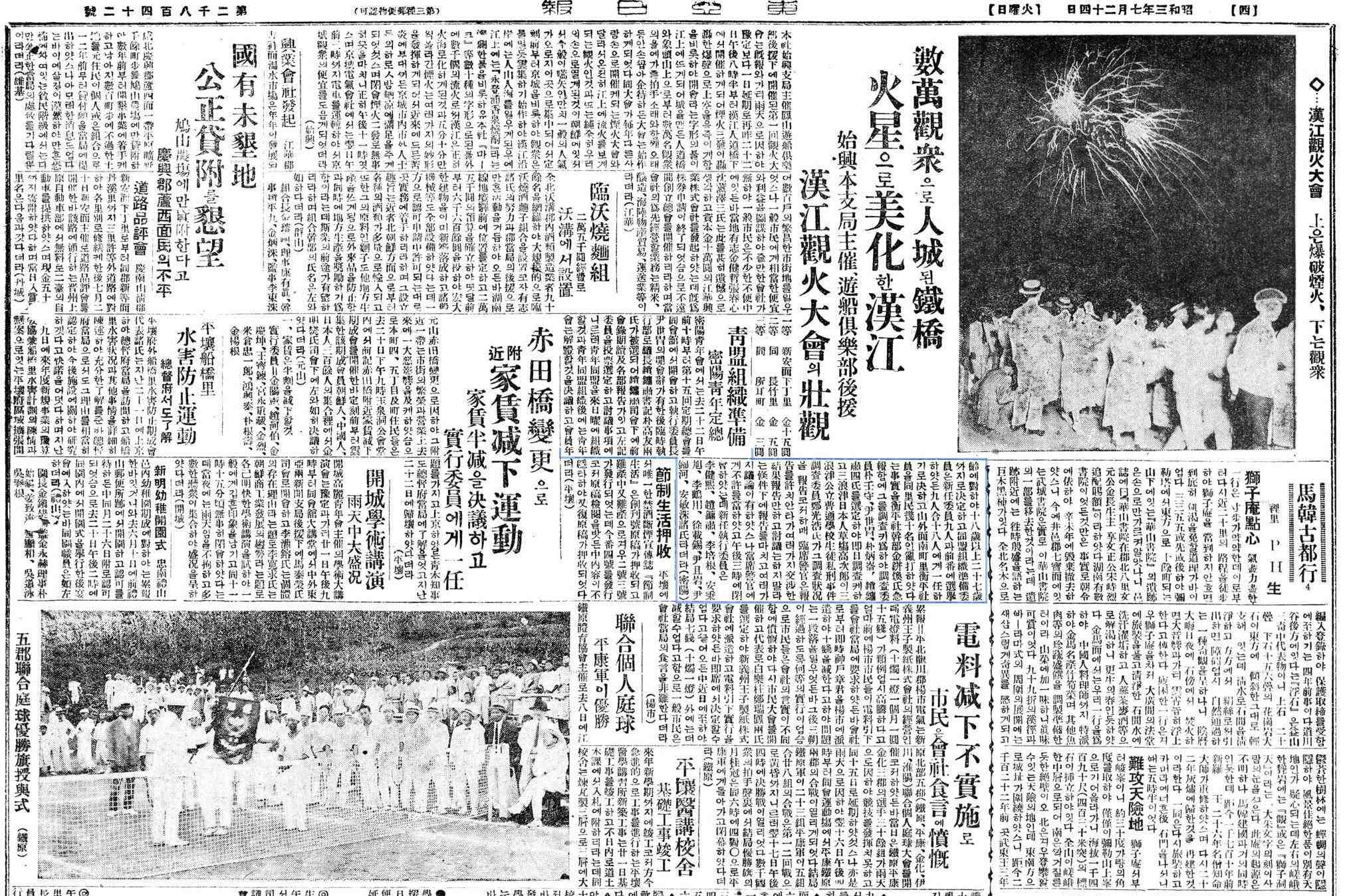
초등학교의 취학학동 20년간에 10배증가 10만명에서 120만명으로 [동아일보 1940년 4월 1일 제3면]
Category :
【 동아일보 】
Tag :
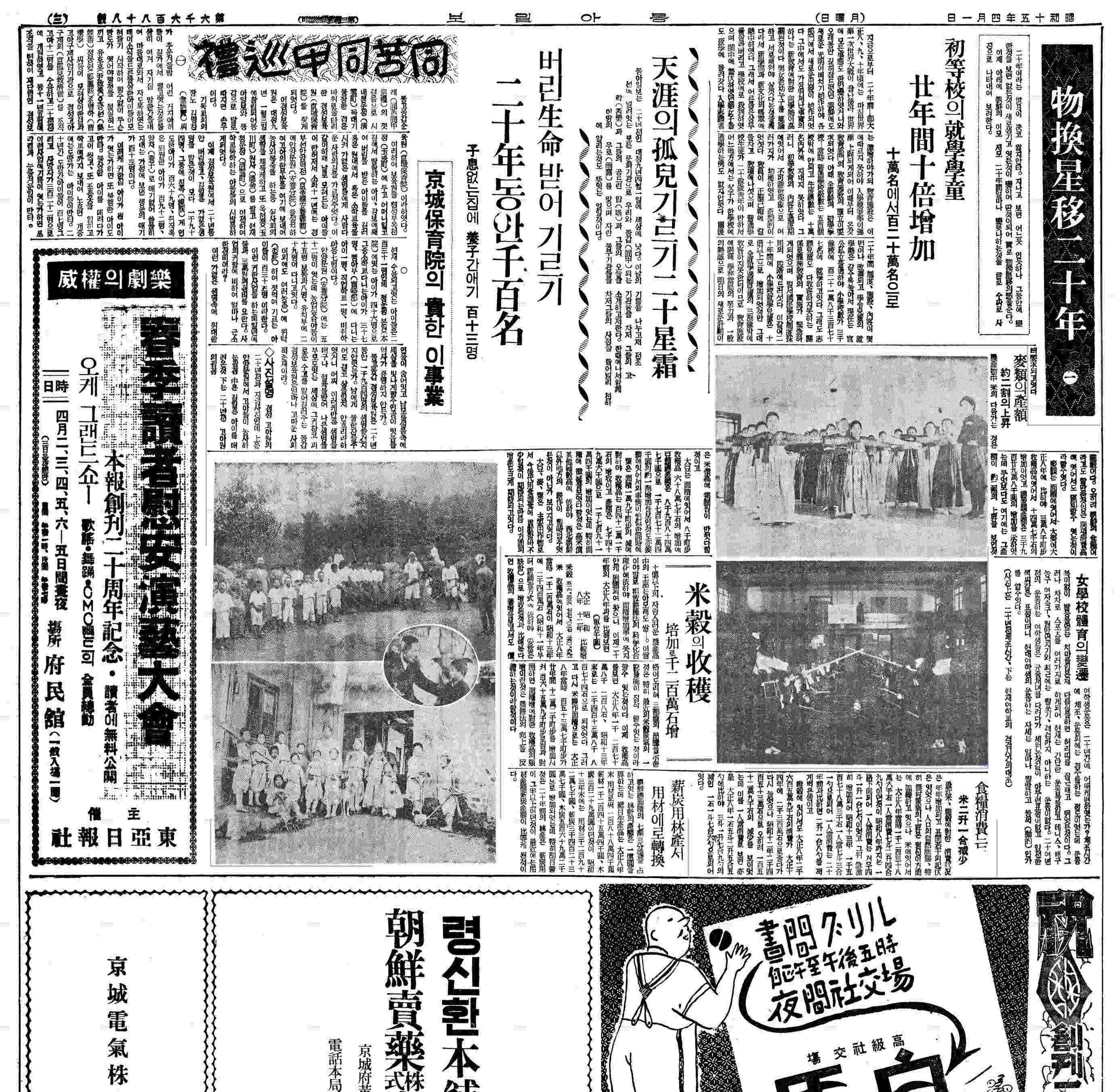
二十年(이십년)이라는 世月(세월)이 决(결)코 짧지안타. 지나고 보면 어느듯 인듯하나 그동안에 變(변)한것을 보면 없든것이 새로생기고 잇든것이 變(변)하여 딴것이되어 實(실)로 物換星移(물환성이)의 感(감)을준다.
이제 아레에 朝鮮(조선)의 이모 저모 二十年間(이십년간)얼마나 變(변)햇나하는것을 글로 수짜로 사진으로 나타내여 보려한다.
初等校(초등교)의 就學學童(취학학동)
廿年間(입연간) 十倍增加(십배증가)
十萬名(십만명)에서 百二十萬名(백이십만명)으로
지금으로부터 20年前(년전)-卽(즉)大正(대정)8,9,10年頃(년경)에는 마침世界(세계)第一次世界大戰(제일차세계대전)이 끌난後(후)라 世界(세계)에 모든 事態(사태)도 한번 變(변)하엿거니와오래동안 깊히잠드럿던 朝鮮(조선)에도 새로운 光明(광명)이비치기始作(시작)하야 各部門(각부문)에서 새로운 出發(출발)이 始作(시작)되엇다. 그中(중)에서도 가장뛰처난 事實(사실)의 하나는 新敎育(신교육)에 對(대)한 向學熱(향학열)이 高調(고조)된것이다. 男女老幼(남녀노유)누구를 莫論(막론)하고 서로배워야 살겟다는 것을 깨다라서 新學問(신학문)과 新文化(신문화)의 攝取(섭취)에熱中(열중)하엿다. 그래서 어른들은 상투를잘라버리고 學校(학교)에로 殺到(쇄도)하엿으며 閨中(규중)에 蟄伏(칩복)하엿던 婦女子(부녀자)들도 夜學(야학)에 몰려갓다 入學志願者(입학지원자)는 激增(격증)하야가되 敎育施設(교육시설)은 이에따르지 못하야 入學競爭率(입학경쟁률)이 漸漸(점점) 上向(상향)되게되어 이때부터 온갓 敎育部門(교육부문)의 敎育施設(교육시설)의 擴立(확립)이 要求(요구)되엇다. 이때 全朝鮮(전조선)의 初等學校(초등학교)-當時(당시) 普通學校(보통학교)級數(급수)는 500個校(개교)밖에 안되고 生徒總數(생도총수)는 10萬名(만명)內外(내외)에 지내지 못하엿다. 그러니 初等敎育(초등교육)의 內容(내용)도 過度期(과도기)에잇어서 不可避(불가피)한 現象(현상)으로 여러가지가 幼稚(유치)하엿고 奇型的(기형적)이엇섯다. 敎員(교원)이 正服己帽(정복기모)에 칼을차고 敎壇(교단)에나섯으며 普通學校生徒(보통학교생도)가 20餘歲(여세)靑年(청년)이 만하서어느 地方(지방)에서는 父子(부자)가 한學校(학교)에 通學(통학)하는 例(예)도 없지안헛다. 爾後(이후)20年間(년간) 制度(제도),施設(시설),內容(내용)이 몇번이나 改善(개선)되고 學令兒童(학령아동)의 就學熱(취학열)은 갈수록높아서 現在(현재)는 官公私立(관공사립)을 通(통)하야 小學校數(소학교수)가 3000餘校(여교)에 121萬(만)8377名(명)에 就學(취학)하고잇다. 그래도 志願兒童(지원아동)도 다收容(수용)하지못하는 關係(관계)로 義務敎育(의무교육)의 實施(실시)가 緊急(긴급)하게되엇으며 벌서 國民學校(국민학교)制度採用(제도채용)의 段階(단계)에 드러섯다. 이같이 20年間(년간)에 小學校(소학교)就學兒童(취학아동)은 10倍(배)以上(이상)으로 增加(증가)되엇것만 그대로 全就學(전취학)適齡兒童(적령아동)의 3割餘(할여)밖에 收容(수용)하지못한터이므로 敎育施設(교육시설)에 限(한)에 學務當局(학무당국)의 努力(노력)과 一般(일반)의 熱誠(열성)으로 明日(명일)의 새로운 計劃(계획)이더 要求(요구)되고잇다.
출처 : 네이버 디지털 뉴스 아카이브 동아일보 1940년 4월 1일
일제시대 휩쓴 베스트셀러 '딱지본'. 알록달록 표지로 독서 대중화
Category :
【 전재 기사 】
Tag :
▲1920~1930년대에 유행한 딱지본. 울긋불긋한 표지가 화려하다.
책 표지가 아이들이 갖고 놀던 딱지처럼 알록달록하다고 해서 이름이 붙은 '딱지본'은 1920~1930년대에 널리 유행한 출판물로 '구(舊)활자본' '활자본'으로도 불렸다. 일본의 인쇄 기술 도입과 함께 들어온 납활자로 대량 인쇄한 딱지본은 '홍길동전' '심청전' 같은 고전소설뿐 아니라 '추월색' '장한몽' 등 신소설도 찍었다. 딱지본은 대개 4·6판 크기에 한글로 내려쓰기를 했는데, 시장에서 국수 한 그릇 값 정도인 육전(六錢)에 팔렸다고 해서 '육전소설'이라고도 했다.
서울대 중앙도서관이 공개한 딱지본은 모두 212책으로 소설(201책)이 대부분이고, 일종의 유머집인 재담집 4책과 노래책인 잡가집 7책이 포함돼 있다. 경성제국대학 시절부터 소장한 것들인데 '춘향전' '심청전' '구미호' 같은 고전소설이 많지만 '녹두장군' '김유신실기' '김덕령전' '서화담전'처럼 역사 인물을 다룬 소설도 다수 포함돼 있다. 1929년 초판이 간행된 '괴걸(怪傑) 장작림'은 동시대 인물인 만주 군벌 장작림의 일생을 다룬 일종의 평전이다.
이번 전시에 나온 딱지본에는 서울대 중앙도서관에 있는 시조시인 가람 이병기와 국어학자 일사 방종현의 개인 문고 소장본도 포함돼 있다. 가람문고 딱지본에는 '앙천대소(仰天大笑)', '조선팔도 익살과 재담' 같은 당대에 유행하던 유머집이 눈에 띈다.
딱지본의 총천연색 표지는 책은 엄숙한 것이라는 당시까지의 통념을 바꿀 만큼 파격적이었다. 평양 기생 출신 강명화의 자살을 다룬 '절세미인 강명화의 설움' 표지에는 양복 차림의 하이칼라 청년이 등장한다. 춘향전을 각색한 이해조 신소설 '옥중화(獄中花)' 표지에도 이도령이 넥타이를 맨 양복 차림으로 나온다.
딱지본의 독자는 어느 정도였을까. 1935년 조사에 따르면 '춘향전'은 연간 7만권, '심청전'이 6만권, '홍길동전'이 4만5000권 팔렸다고 한다. 요즘 기준으로 봐도 베스트셀러에 오를 만한 판매량이다. '근대의 책읽기'를 쓴 천정환 성균관대 교수는 "구활자본 소설은 책읽기의 대중화·근대화에 결정적 계기를 가져 왔다"고 평가한다. 일제시대 대량 생산된 값싼 책이 뿌려짐으로써 문자문화 자체가 확산되고, 책과 독서에 대한 탈(脫)신비화가 진행됐다는 것이다.
이들 일제시대 딱지본은 내용 원문을 읽을 수 있게 디지털화됐다. 김종서 중앙도서관장은 "딱지본은 일제시대 통속문화를 담고 있는 콘텐츠의 보고로 드라마와 영화의 소재가 될 수 있는 무궁무진한 이야깃거리를 담고 있다"고 말했다.
서울대 중앙도서관 홈페이지
출처 : 일제시대 휩쓴 베스트셀러 '딱지본'을 아십니까